
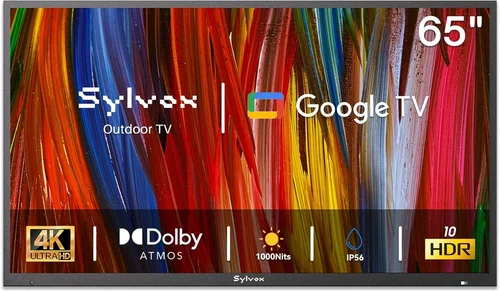
If you’re looking to bring the comfort of indoor entertainment outdoors, a budget TV for your screened porch can be a game-changer. Whether you’re hosting summer barbecues, watching the big game under the stars, or enjoying a quiet evening with a movie, having a reliable television in your outdoor living space elevates the experience. But choosing the right one—especially on a budget—requires careful thought. Not all TVs are built to handle the unique challenges of a screened porch environment, where lighting, temperature fluctuations, and humidity come into play. This comprehensive guide is designed to help you navigate those challenges and make a smart, informed decision without overspending.
In this article, we’ll walk you through everything you need to know about selecting a budget-friendly TV for your screened porch. You’ll learn how to balance cost with performance, what features truly matter in an outdoor setting, and how to avoid common pitfalls that could leave you with a TV that fades in sunlight or fails after a few seasons. We’ll break down key factors like brightness, durability, connectivity, and smart features, and compare different types of TVs suited for semi-outdoor use. By the end, you’ll have a clear understanding of what to look for, how much to spend, and which models offer the best value for your needs. Whether you’re a first-time buyer or upgrading from an older model, this guide will empower you to choose a TV that delivers great picture quality, lasts through the seasons, and fits comfortably within your budget.
The market for outdoor and semi-outdoor TVs has expanded significantly in recent years, but true weatherproof outdoor TVs often come with premium price tags. For many homeowners, a screened porch offers a middle ground—protected from direct rain and snow but still exposed to ambient light, temperature swings, and humidity. This means you don’t necessarily need a fully ruggedized outdoor TV, but you also can’t rely on a standard indoor model. Budget-friendly indoor TVs with the right specifications can perform exceptionally well in these conditions, especially when paired with proper mounting and placement. Brands like TCL, Hisense, and Samsung now offer affordable models with high brightness, anti-glare screens, and robust smart platforms—making it easier than ever to enjoy outdoor viewing without breaking the bank. Our goal is to help you find that sweet spot: a TV that’s affordable, durable enough for your porch, and packed with the features you actually use.

What to Look for When Buying a Budget TV for Your Screened Porch
1. Brightness and Screen Visibility
One of the most critical factors for any TV used in a screened porch is brightness. Unlike indoor environments where lighting is controlled, a porch often receives natural daylight, especially during morning and afternoon hours. Even with screens blocking direct sunlight, ambient light can wash out the image on a standard TV. Look for a TV with a peak brightness of at least 400 nits, but ideally 500 nits or higher. This ensures the picture remains clear and vibrant even in bright conditions. Additionally, consider models with anti-reflective or matte screen coatings, which reduce glare from windows or nearby light sources. Some budget TVs now include “outdoor viewing” modes that boost brightness and contrast dynamically, which can be a useful feature. Avoid glossy screens unless you’re certain the TV will be placed in a shaded area with minimal light exposure.
2. Display Technology: LED vs. OLED vs. QLED
The type of display technology affects not only picture quality but also durability and cost. For a budget TV on a screened porch, LED-LCD panels are the most practical choice. They offer excellent brightness, good color accuracy, and are significantly more affordable than OLED or QLED alternatives. OLED TVs deliver superior contrast and deeper blacks, but they are more expensive and can suffer from burn-in over time—especially if static images like news tickers or sports scores are displayed frequently. QLED TVs, while brighter and more color-rich, also come at a higher price point and may exceed your budget. Stick with a high-quality LED-LCD model with full-array local dimming (FALD) if possible, as it improves contrast and black levels without the premium cost. Many budget brands now offer FALD in their mid-tier models, making it a worthwhile upgrade.
3. Screen Size and Viewing Distance
Choosing the right screen size depends on how far you’ll be sitting from the TV. For a typical screened porch, a 50- to 65-inch screen is ideal. If your seating is 6 to 8 feet away, a 55-inch TV provides an immersive experience without overwhelming the space. At 8 to 10 feet, consider a 65-inch model. Avoid going too large—oversized screens can strain the eyes and make details harder to see, especially on lower-resolution content. Also, ensure your mounting setup can support the weight and dimensions of the TV. Wall mounts for outdoor use should be sturdy and corrosion-resistant, preferably made of powder-coated steel or aluminum. Ceiling mounts are another option if wall space is limited, but they require more complex installation.
4. Smart TV Platform and Connectivity
A smart TV platform is essential for streaming content without needing external devices. Look for models with user-friendly interfaces like Roku TV, Google TV, or webOS, which offer smooth navigation and access to popular apps like Netflix, YouTube, Hulu, and Disney+. Avoid proprietary or outdated systems that limit app availability. Connectivity is equally important: ensure the TV has at least three HDMI ports (preferably HDMI 2.0 or higher), USB ports for media playback, and an Ethernet port for wired internet. Wi-Fi 5 (802.11ac) or Wi-Fi 6 support ensures stable streaming, especially if your porch is far from the router. Some budget TVs now include Bluetooth for wireless audio to outdoor speakers, which enhances the audio experience without running cables.
5. Durability and Environmental Resistance
While your TV won’t be exposed to rain or snow, a screened porch still presents environmental challenges. Humidity, temperature changes, and dust can affect performance over time. Look for TVs with sealed internal components and robust build quality. Avoid models with plastic casings that feel flimsy or have poor ventilation, as overheating can shorten lifespan. Some manufacturers offer “semi-outdoor” or “enhanced durability” models designed for covered patios and porches. These often feature better heat dissipation and moisture-resistant coatings. Check the operating temperature range—most TVs are rated for 32°F to 95°F, which is suitable for most climates, but if you live in an area with extreme heat or cold, verify compatibility. Also, consider a TV with a protective cover or install it under an awning for added safety.
6. Audio Quality and Speaker Performance
Built-in speakers on budget TVs are often underwhelming, especially in an open or semi-open space like a porch. Sound can get lost or distorted due to ambient noise from wind, birds, or nearby traffic. While you can always connect external speakers, it’s helpful if the TV has decent audio output to begin with. Look for models with at least 20 watts of total speaker power and support for Dolby Audio or DTS sound processing. Some TVs include virtual surround sound or dialogue enhancement features, which improve clarity during movies and sports. If audio is a priority, consider pairing your TV with a weather-resistant soundbar or outdoor speaker system. Bluetooth connectivity makes this easy, allowing you to place speakers around the porch for immersive sound.
7. Energy Efficiency and Power Consumption
Budget TVs are often more energy-efficient than premium models, but it’s still worth checking the power consumption, especially if you plan to leave the TV on for extended periods. Look for ENERGY STAR-certified models, which use less electricity without sacrificing performance. LED-LCD TVs typically consume between 50 to 150 watts depending on size and brightness settings. Lower power usage not only reduces your electricity bill but also generates less heat, which is beneficial in a semi-outdoor environment. Some TVs include eco modes that dim the screen and reduce power when not in use. While this may slightly affect picture quality, it’s a worthwhile trade-off for long-term savings and environmental impact.
8. Brand Reputation and Customer Support
Not all budget TV brands are created equal. Stick with reputable manufacturers known for reliability and customer service. TCL, Hisense, and Vizio offer excellent value in the budget segment, with strong track records for performance and support. Samsung and LG also have affordable lines, though they may cost slightly more. Avoid lesser-known brands with limited warranties or poor user reviews. Check the warranty period—most budget TVs come with a one-year limited warranty, but some brands offer extended coverage or free repairs. Read customer reviews on retail sites like Amazon, Best Buy, or Crutchfield to gauge real-world performance, especially regarding durability and smart features. A brand with responsive customer service can save you headaches if issues arise.
Different Types of Budget TVs for Screened Porches

Common Buying Mistakes to Avoid
❌ Mistake: Choosing a TV Based Solely on Price
Why it’s bad: The cheapest TV may lack essential features like sufficient brightness, smart capabilities, or durability. It could also have poor color accuracy, slow processing, or weak speakers, leading to a frustrating viewing experience.
What to do instead: Set a realistic budget and prioritize features that matter most—like brightness and smart platform—over minor cost savings. A slightly higher investment can yield significantly better performance and longevity.
❌ Mistake: Ignoring Ambient Light Conditions
Why it’s bad: A TV that looks great indoors can appear dim and washed out in daylight. Without adequate brightness and anti-glare features, you’ll struggle to see the screen during the day.
What to do instead: Assess the lighting on your porch at different times of day. If it’s bright, choose a TV with at least 500 nits and a matte screen. Consider blackout curtains or adjustable shades if needed.
❌ Mistake: Overlooking Mounting and Placement
Why it’s bad: Improper mounting can lead to instability, poor viewing angles, or even damage from wind or vibration. Using indoor mounts outdoors can also cause corrosion.
What to do instead: Invest in a weather-resistant wall or ceiling mount rated for outdoor use. Ensure it’s securely anchored and positioned for optimal viewing from your seating area.
❌ Mistake: Skipping the Smart TV Features
Why it’s bad: Without smart capabilities, you’ll need to connect external devices like streaming sticks or game consoles, adding clutter and complexity.
What to do instead: Choose a TV with a built-in smart platform (Roku, Google TV, etc.) to stream directly and reduce the need for extra hardware.
❌ Mistake: Assuming All TVs Are Suitable for Outdoor Use
Why it’s bad: Standard indoor TVs aren’t designed for temperature swings or humidity. Over time, this can cause internal damage or reduced lifespan.
What to do instead: Look for models with enhanced durability or consider a semi-outdoor TV if your climate is extreme. Use a protective cover when not in use.
❌ Mistake: Not Checking Return and Warranty Policies
Why it’s bad: If the TV fails or doesn’t meet expectations, a poor return policy or short warranty can leave you stuck with a defective product.
What to do instead: Buy from retailers with generous return windows (30 days or more) and choose brands with at least a one-year warranty. Register your TV promptly.
❌ Mistake: Forgetting About Audio Needs
Why it’s bad: Built-in speakers often can’t compete with outdoor noise. You might end up with muffled dialogue or weak sound.
What to do instead: Plan for external audio from the start. Choose a TV with Bluetooth or audio output and pair it with weather-resistant speakers or a soundbar.
Budget Guidelines: How Much Should You Spend?
Entry-Level ($200 – $350): This tier includes basic 4K LED-LCD TVs from brands like TCL and Hisense. You’ll get decent picture quality, basic smart features, and sizes from 43 to 55 inches. However, brightness may be limited (300–400 nits), and build quality can vary. Best for shaded porches with minimal daylight exposure.
Mid-Range ($350 – $550): The sweet spot for most buyers. These TVs offer 500+ nits brightness, better color accuracy, full-array local dimming (on some models), and robust smart platforms. Look for 55- to 65-inch models with HDMI 2.0, Wi-Fi 5, and strong user reviews. Ideal for moderately lit porches.
Premium ($550 – $750): For those willing to invest more, this range includes enhanced durability, higher brightness (600+ nits), and advanced features like voice control, Dolby Vision, and better audio. Some models are specifically marketed for semi-outdoor use. Great for bright porches or multi-season viewing.
Luxury ($750+): Top-tier options include fully ruggedized outdoor TVs or high-end QLED models. These are overkill for most screened porches but may be justified in extreme climates or for commercial use. Expect premium materials, superior weather resistance, and professional-grade performance.
Expert Tips for Getting the Best Deal
- Buy During Seasonal Sales: Look for deals during Black Friday, Cyber Monday, Amazon Prime Day, and back-to-school promotions. Many retailers offer significant discounts on TVs during these periods.
- Shop Refurbished or Open-Box: Certified refurbished models from reputable sellers (like Best Buy or Amazon Renewed) can save you 20–30% and often come with warranties.
- Compare Retailers: Check prices across Amazon, Best Buy, Walmart, and Costco. Some stores offer price matching or exclusive bundles.
- Use Price Tracking Tools: Websites like CamelCamelCamel or Honey can alert you when a TV drops in price.
- Check for Bundled Accessories: Some retailers include free mounts, HDMI cables, or streaming devices with TV purchases.
- Read Real User Reviews: Focus on reviews from buyers who use the TV in similar conditions (e.g., “used on patio” or “bright room”).
- Test Before Committing: If possible, view the TV in person to assess brightness and color. Many stores allow returns if the picture doesn’t meet expectations.
- Consider Extended Warranties: While not always necessary, an extended warranty can be worthwhile for TVs used in variable environments.

Frequently Asked Questions
Q: Can I use a regular indoor TV on my screened porch?
A: Yes, as long as it’s protected from direct weather and has sufficient brightness. Screened porches offer enough shelter for most indoor TVs, especially if you choose a model with high nits and anti-glare features. Just ensure proper mounting and consider a cover for off-seasons.
Q: How bright should my TV be for outdoor viewing?
A: Aim for at least 500 nits for daylight visibility. If your porch is very bright, look for 600+ nits. Check the TV’s specifications—brightness is usually listed as “peak brightness” or “luminance.”
Q: Do I need a special mount for a porch TV?
A: Yes. Use a weather-resistant mount made of corrosion-proof materials. Full-motion mounts allow you to adjust the angle for optimal viewing, especially if seating is on multiple sides.
Q: Will humidity damage my TV?
A: Prolonged exposure to high humidity can affect internal components. Choose a TV with good ventilation and consider using a dehumidifier or cover during humid months.
Q: Can I leave my TV on the porch year-round?
A: It depends on your climate. In mild regions, yes—especially with a protective cover. In areas with freezing winters or extreme heat, consider bringing it inside or using a climate-controlled enclosure.
Q: What’s the difference between a smart TV and a regular TV?
A: A smart TV has built-in internet connectivity and apps for streaming. A regular TV requires external devices like a Roku or Fire Stick to access online content.
Q: Are OLED TVs good for outdoor use?
A: OLEDs offer excellent picture quality but are less bright than LED-LCDs and more expensive. They’re not ideal for bright porches and can suffer from burn-in. Stick with LED for budget outdoor use.
Q: How do I improve sound on my porch TV?
A: Use Bluetooth to connect weather-resistant outdoor speakers or a soundbar. Place them strategically around the seating area for balanced audio.
Q: What size TV is best for a 10×12 screened porch?
A: A 55- to 65-inch TV is ideal, depending on seating distance. For 8–10 feet, go with 65 inches. Measure your space and viewing angles before buying.
Q: Can I use a projector instead of a TV?
A: Projectors can work but require a dark environment and a screen. They’re less practical for daytime use and more complex to set up. A bright TV is usually a better choice for porches.
Our Final Recommendations
Best for Budget-Conscious Buyers: TCL 55″ Class 5-Series 4K QLED TV (around $450)
Offers excellent brightness (550 nits), Roku TV, and good color accuracy. Great value for the price.
Best Overall Value: Hisense 65″ U6H QLED TV (around $550)
High brightness, Dolby Vision, and robust smart features. Ideal for bright porches and streaming.
Best Premium Option: Samsung 65″ Crystal UHD TU7000 (around $650)
Reliable brand, strong brightness, and sleek design. Includes Tizen OS and good audio output.
Best for Beginners: TCL 50″ Class 4-Series 4K UHD TV (around $300)
Simple setup, user-friendly Roku interface, and solid performance for casual viewing.
Best for Advanced Users: Vizio 65″ M-Series Quantum (around $600)
Full-array local dimming, high brightness, and customizable picture settings. Great for movie enthusiasts.
Conclusion: Making the Right Choice
Choosing a budget TV for your screened porch doesn’t have to be overwhelming. By focusing on key factors like brightness, smart features, durability, and proper mounting, you can find a model that delivers excellent performance without exceeding your budget. Remember, the goal isn’t to buy the most expensive TV, but the right one for your specific environment and needs. Consider how you’ll use the space—whether for movie nights, sports, or casual browsing—and prioritize features accordingly. Don’t forget to factor in long-term costs like energy use and potential repairs. With the insights from this guide, you’re well-equipped to make a confident, informed decision. Take your time, compare options, and don’t hesitate to invest a little more for features that will enhance your outdoor experience. Your perfect porch TV is out there—now go enjoy it under the open sky.

