
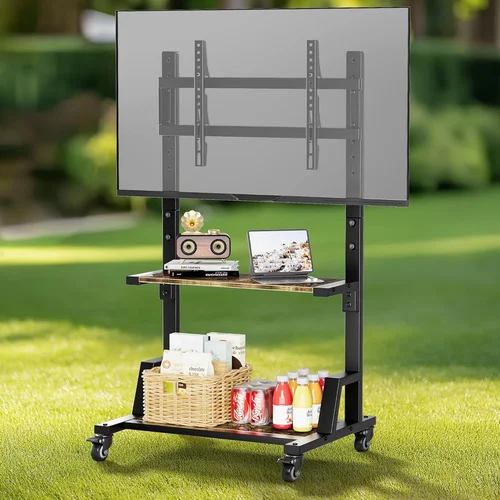
Summer is the season of backyard barbecues, pool parties, and late-night movie nights under the stars. Whether you’re hosting friends for a game night or just unwinding after a long day, having a TV on your patio can transform your outdoor space into a true entertainment hub. But not every TV is built to handle the elements—sunlight, humidity, temperature swings, and dust can wreak havoc on standard indoor models. That’s why choosing the right budget TV for your patio isn’t just about finding the cheapest screen; it’s about finding a smart, durable, and reliable option that delivers great performance without breaking the bank.
This comprehensive buying guide is designed to help you navigate the often-confusing world of outdoor TVs, especially if you’re working with a limited budget. We’ll walk you through everything you need to know—from key technical specs and build quality to real-world usability and hidden costs. Whether you’re a first-time buyer or upgrading from an old model, this guide will arm you with expert insights, practical tips, and actionable advice to make a confident, informed decision. By the end, you’ll know exactly what to look for, what to avoid, and how to get the most value for your money.
The market for outdoor TVs has evolved significantly in recent years. While fully weatherproof, commercial-grade outdoor displays can cost thousands, there are now more affordable options than ever—many of which are indoor TVs cleverly adapted for outdoor use with proper enclosures or placement. Brands like Samsung, LG, TCL, and Hisense have introduced models with features like anti-glare screens, enhanced brightness, and smart platforms that work well in shaded or covered patios. At the same time, niche outdoor TV manufacturers like SunBriteTV and Seura offer purpose-built solutions, though often at a premium. Our goal is to help you find the sweet spot: a TV that’s durable enough for summer use, bright enough to see in daylight, and smart enough to stream your favorite shows—all while staying within a reasonable budget.

What to Look for When Buying Buying Guide
1. Brightness & Anti-Glare Performance
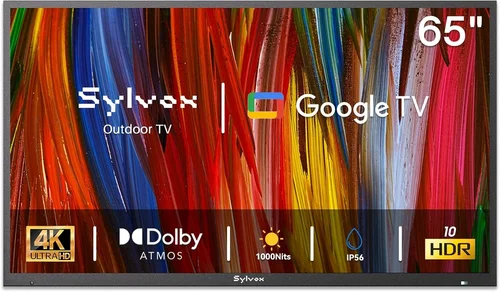
One of the most critical factors for any patio TV is brightness. Unlike indoor viewing, where ambient light is controlled, outdoor environments expose your screen to direct sunlight, reflections, and glare. A standard indoor TV typically peaks at around 300–400 nits of brightness—adequate for a dimly lit room but nearly invisible in daylight. For outdoor use, you’ll want a display that delivers at least 700 nits, with 1000+ nits being ideal for full sun exposure.
Look for TVs with high peak brightness and anti-reflective coatings. These coatings reduce glare by minimizing surface reflections, making it easier to see the screen even when the sun is shining directly on it. Some budget-friendly models now include “outdoor viewing” or “sunlight-readable” modes that boost brightness and adjust contrast dynamically. Additionally, consider the screen finish: matte or anti-glare finishes perform far better than glossy ones in bright conditions.
2. Weather Resistance & Durability
Even if your TV is placed under a covered patio, it’s still exposed to outdoor elements like humidity, dust, pollen, and temperature fluctuations. Standard indoor TVs aren’t designed to handle these conditions and may suffer from overheating, moisture damage, or component corrosion over time.
When shopping on a budget, you won’t find many fully weatherproof TVs, but you can look for models with better-than-average durability. Check for TVs with sealed ports, reinforced casings, and heat-resistant components. Some manufacturers rate their TVs for “outdoor use” when paired with a weatherproof enclosure—these enclosures protect the TV from rain and dust while allowing ventilation. Look for IP ratings (Ingress Protection) if available; while most consumer TVs don’t carry official IP ratings, some outdoor enclosures are rated IP54 or higher, meaning they’re protected against dust and splashing water.
Avoid placing any TV in direct rain or extreme heat (above 95°F or below 32°F) unless it’s specifically rated for such conditions. Even with a cover, prolonged exposure can shorten the lifespan of internal components.
3. Screen Size & Viewing Distance
Choosing the right screen size is crucial for both visibility and budget. A TV that’s too small will be hard to see from a distance, while one that’s too large may overwhelm your space and blow your budget.
For most patios, a 50- to 65-inch screen is ideal. This size range offers a cinematic experience without requiring a massive investment. Consider your typical viewing distance: a general rule is that your viewing distance should be about 1.5 to 2.5 times the diagonal screen size. So, for a 55-inch TV, sit 6.5 to 11 feet away. If your seating is closer, a 43- or 50-inch model may suffice.
Keep in mind that larger screens often come with higher brightness and better smart features, but they also cost more and consume more power. If you’re mounting the TV on a wall or under a roof, ensure the structure can support the weight—larger TVs can weigh 30–50 pounds or more.
4. Smart TV Platform & Streaming Capabilities
In 2026, nearly every budget TV comes with smart functionality, but not all platforms are created equal. A good smart TV platform allows you to stream content directly from apps like Netflix, Hulu, Disney+, YouTube, and more—without needing an external device like a Roku or Fire Stick.
Look for TVs with updated operating systems. For example, Roku TV, Google TV, and webOS (LG) are user-friendly and regularly updated. Avoid older or proprietary systems that may lack app support or receive infrequent updates. Also, check for voice control compatibility (Google Assistant, Alexa, or Siri) and mobile app integration, which make it easier to control your TV from your phone.
5. Connectivity & Input Options
Your patio TV should be able to connect to a variety of devices: streaming sticks, gaming consoles, soundbars, cable boxes, and even outdoor speakers. Look for multiple HDMI ports (at least 3), USB ports for media playback, and audio outputs like optical or 3.5mm jack.
If you plan to use a soundbar or external speakers, ensure the TV supports ARC (Audio Return Channel) over HDMI, which simplifies audio routing. For gaming, check for HDMI 2.1 support and low input lag (under 20ms), though this is less critical for casual viewing.
Also consider wireless connectivity: Wi-Fi 5 or Wi-Fi 6 ensures stable streaming, especially if your router is far from the patio. Bluetooth is a bonus for connecting wireless headphones or speakers.
6. Power Consumption & Energy Efficiency
Outdoor TVs often run for hours during parties or movie nights, so energy efficiency matters—not just for your electricity bill, but also for heat management. TVs that consume less power generate less heat, which is important in enclosed or covered outdoor spaces where ventilation may be limited.
Look for ENERGY STAR-certified models, which use 15–30% less energy than standard TVs. LED-backlit LCDs are generally more efficient than older plasma or CCFL models. OLED TVs offer excellent picture quality but tend to consume more power and are less common in budget ranges.
Also, consider using a smart power strip or timer to automatically turn off the TV when not in use. This reduces standby power consumption and extends the TV’s lifespan.
7. Mounting & Installation Flexibility
How you plan to install your TV affects both usability and cost. Wall mounting is the most common option for patios, but you’ll need a sturdy bracket and proper anchoring—especially if the wall is made of stucco, brick, or concrete.
Look for TVs that are VESA-compatible (most are), and check the VESA pattern (e.g., 200×200, 400×400) to ensure your mount will fit. Full-motion mounts allow you to tilt and swivel the TV for better viewing angles, which is helpful if your seating arrangement changes.
If wall mounting isn’t an option, consider a freestanding outdoor TV enclosure with a built-in stand. These all-in-one units are more expensive but offer plug-and-play convenience and full weather protection.
8. Brand Reputation & User Reviews
Not all budget TVs are equal—some brands consistently deliver better reliability, customer service, and long-term performance. Stick with reputable manufacturers like Samsung, LG, TCL, Hisense, and Vizio. These brands offer solid warranties, regular software updates, and widespread service networks.
Read user reviews on retail sites like Amazon, Best Buy, and Crutchfield. Pay attention to comments about brightness, durability, smart features, and customer support. Look for patterns: if multiple users report the same issue (e.g., overheating, poor Wi-Fi), it’s likely a real concern.
Avoid ultra-cheap, no-name brands that may cut corners on components or lack proper support. A $200 TV might seem like a steal, but if it fails after one summer, it’s not a good value.
Different Types of Buying Guide

Common Buying Mistakes to Avoid
❌ Mistake: Buying a Standard Indoor TV for Full Sun Exposure
Why it’s bad: Most indoor TVs aren’t bright enough to be visible in direct sunlight. Even on a cloudy day, ambient light can wash out the image, making it hard to see details or colors. Additionally, prolonged sun exposure can cause overheating and permanent screen damage.
What to do instead: Only use indoor TVs in shaded or covered areas. If you need visibility in full sun, invest in a high-brightness model or a fully outdoor-rated TV.
❌ Mistake: Ignoring Ventilation and Heat Management
Why it’s bad: TVs generate heat, and in enclosed outdoor spaces (like under a pergola or in a TV cabinet), poor airflow can cause overheating. This leads to reduced performance, shorter lifespan, and potential safety hazards.
What to do instead: Ensure at least 4–6 inches of clearance around the TV for airflow. Use a ventilated enclosure or install a small fan if needed. Avoid placing the TV in a sealed box without ventilation.
❌ Mistake: Overlooking Audio Quality
Why it’s bad: Most budget TVs have weak built-in speakers that struggle to overcome outdoor noise like wind, traffic, or chatter. You’ll end up turning the volume up too high, which can distort sound or annoy neighbors.
What to do instead: Pair your TV with a weather-resistant soundbar or outdoor speakers. Look for models with Bluetooth or wired connectivity. Even a $100 soundbar can dramatically improve audio clarity.
❌ Mistake: Choosing the Wrong Screen Finish
Why it’s bad: Glossy screens reflect light like a mirror, making them nearly unusable in daylight. You’ll see your own reflection or the sky instead of the movie.
What to do instead: Always choose a matte or anti-glare screen. These finishes diffuse light and reduce reflections, improving visibility in bright conditions.
❌ Mistake: Skipping the Warranty or Return Policy
Why it’s bad: Outdoor use increases the risk of damage from weather, power surges, or accidental impacts. If your TV fails and you’re not covered, you could lose your entire investment.
What to do instead: Buy from retailers with generous return policies (30+ days) and consider an extended warranty. Check if the manufacturer covers outdoor use—some void warranties if the TV is used outside.
❌ Mistake: Not Testing Before Committing
Why it’s bad: You might not realize the TV is too dim, too small, or has connectivity issues until it’s mounted and hard to return.
What to do instead: If possible, test the TV indoors first. Check brightness, smart features, and sound. Some retailers offer in-home trials or allow returns within 30 days.
Budget Guidelines: How Much Should You Spend?
Entry-Level ($300–$500): In this range, you’ll find basic 43- to 50-inch smart TVs from brands like TCL and Hisense. These models often have decent brightness (500–600 nits) and basic smart features, but may lack anti-glare coatings or robust build quality. Best for shaded patios or temporary use. Expect shorter lifespans if exposed to elements.
Mid-Range ($500–$800): This is the sweet spot for most buyers. You’ll find 55- to 65-inch TVs with 700+ nits brightness, anti-reflective screens, and reliable smart platforms (Roku, Google TV). Models like the TCL 6-Series or Hisense U7K offer excellent value. With a weatherproof enclosure, these can last 3–5 years outdoors.
Premium ($800–$1,500): Here, you get higher brightness (1000+ nits), better color accuracy, and more durable construction. Some models are specifically marketed for outdoor use. You may also find TVs with built-in cooling systems or enhanced weather resistance. Ideal for full sun exposure or frequent use.
Luxury ($1,500+): These are fully weatherproof, commercial-grade outdoor TVs from brands like SunBriteTV or Seura. They feature IP65 or higher ratings, extreme temperature tolerance, and professional installation support. Best for exposed patios, pool decks, or commercial settings. Overkill for most homeowners but unmatched in durability.
Expert Tips for Getting the Best Deal
1. Shop During Seasonal Sales: The best time to buy a patio TV is in late winter or early spring (February–April), when retailers clear out old inventory for new models. Black Friday and Prime Day also offer deep discounts, but selection may be limited.
2. Buy Online with In-Store Pickup: Many retailers (Best Buy, Costco, Walmart) offer online-exclusive deals with free in-store pickup. This lets you inspect the TV before taking it home and avoid shipping damage.
3. Look for Open-Box or Refurbished Models: Open-box TVs are often returned due to minor issues and sold at 20–40% off. Refurbished models come with warranties and are thoroughly tested. Just avoid “for parts” listings.
4. Bundle with Accessories: Some retailers offer discounts when you buy a TV with a mount, soundbar, or streaming device. These bundles can save you $50–$100 compared to buying separately.
5. Use Price Tracking Tools: Websites like CamelCamelCamel (for Amazon) or Honey track price history and alert you when a TV drops. Set alerts for your desired model and wait for the best deal.
6. Check Local Classifieds: Facebook Marketplace, Craigslist, and OfferUp sometimes have gently used outdoor TVs or enclosures at steep discounts. Inspect in person and test before buying.
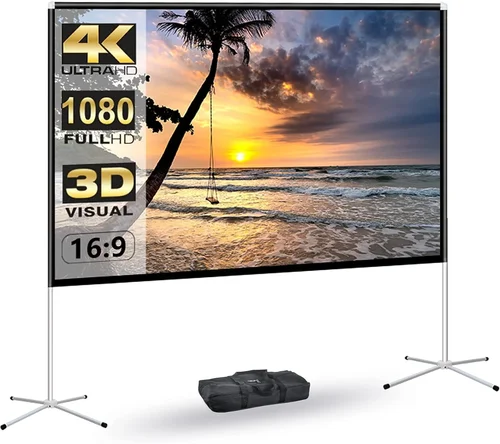
7. Consider a Projection Alternative: For large gatherings, a portable projector with a 100+ inch image can be more cost-effective than a giant TV. Pair it with a weatherproof screen for a true outdoor cinema experience.
8. Read the Fine Print on Warranties: Some warranties exclude outdoor use or require professional installation. Make sure your coverage applies to your setup.

Frequently Asked Questions
Q: Can I use a regular TV outside if it’s under a covered patio?
A: Yes, as long as it’s protected from direct rain, snow, and extreme temperatures. Use a weatherproof enclosure or ensure the area is fully covered and well-ventilated. Avoid placing it where sprinklers or humidity could reach it.
Q: How bright should my patio TV be?
A: Aim for at least 700 nits for shaded areas and 1000+ nits for full sun. Check the TV’s specs—brightness is measured in nits (cd/m²). Many budget TVs now list this in product descriptions.
Q: Do I need a special mount for outdoor use?
A: A standard VESA-compatible mount works, but for outdoor use, choose one rated for outdoor or all-weather conditions. Look for rust-resistant coatings (powder-coated steel) and ensure it’s securely anchored.
Q: Will my Wi-Fi reach the patio?
A: It depends on distance and obstacles. If your router is far or blocked by walls, consider a Wi-Fi extender, mesh system, or powerline adapter. Some outdoor TVs also support Ethernet for a wired connection.
Q: Can I leave my TV outside year-round?
A: Only if it’s a fully weatherproof model rated for outdoor use. Most indoor TVs should be brought inside or covered during winter, especially in cold or snowy climates.
Q: Are OLED TVs good for outdoor use?
A: OLEDs offer superior contrast and color but are generally less bright than LED/LCDs and more susceptible to burn-in. They’re not ideal for bright outdoor settings unless specifically designed for it.
Q: How do I clean my outdoor TV screen?
A: Use a microfiber cloth and a screen-safe cleaner. Avoid ammonia-based products or paper towels, which can scratch the surface. Clean gently to avoid damaging anti-glare coatings.
Q: What’s the difference between IP54 and IP65?
A: IP54 protects against dust and water splashes from any direction. IP65 offers complete dust protection and resistance to low-pressure water jets. IP65 is better for exposed areas.
Q: Can I use a soundbar outdoors?
A: Yes, but choose a weather-resistant model or use a protective cover. Place it under the TV or on a stable surface away from direct moisture.
Q: How long will a budget outdoor TV last?
A: With proper care, a mid-range TV in a covered area can last 3–5 years. Fully outdoor-rated models may last 7–10 years. Avoid extreme conditions to maximize lifespan.
Our Final Recommendations
Best for Budget-Conscious Buyers: TCL 55″ 6-Series (R655) – Around $550. Offers 1,000+ nits brightness, mini-LED backlighting, Roku TV, and excellent color accuracy. Pair with a weatherproof enclosure for outdoor use.
Best Overall Value: Hisense 65″ U7K – Around $700. Features 1,200 nits peak brightness, Google TV, Dolby Vision, and strong HDR performance. Great for shaded patios with occasional sun exposure.
Best Premium Option: SunBriteTV Veranda Series 55″ – Around $1,800. Fully weatherproof, 1,500 nits brightness, built-in cooling, and IP55 rating. Ideal for exposed patios and long-term use.
Best for Beginners: Roku Outdoor TV (50″) – Around $450. Simple setup, bright display, and easy-to-use interface. Comes with a basic weatherproof cover. Great for first-time outdoor TV users.
Best for Advanced Users: LG 65″ G3 OLED (with outdoor enclosure) – Around $1,200. Exceptional picture quality, 800 nits brightness, and webOS smart platform. Best for shaded areas where image quality is paramount.
Conclusion: Making the Right Choice
Choosing the right budget TV for your patio is about balancing performance, durability, and cost. You don’t need to spend thousands to enjoy movies, sports, and streaming under the open sky—but you do need to be smart about where and how you use your TV. Prioritize brightness, weather protection, and smart features, and always consider your specific environment. A shaded deck has different needs than a sunny poolside, and your budget should reflect that.
Remember, the cheapest option isn’t always the best value. Investing a little more in a brighter, more durable TV can save you money in the long run by avoiding replacements and repairs. Take advantage of seasonal sales, read reviews, and don’t hesitate to ask questions before you buy. With the right TV, your patio can become the heart of your summer entertainment—whether you’re hosting a block party or enjoying a quiet evening under the stars.
So go ahead—upgrade your outdoor space. With this guide in hand, you’re ready to make a confident, informed decision that brings joy to every summer gathering. Happy watching!

