
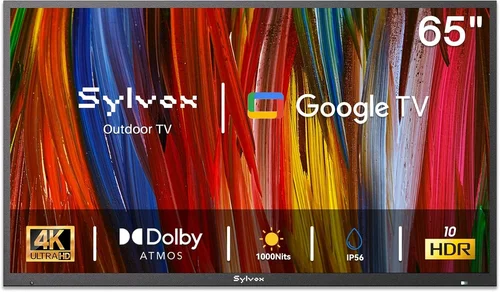
When it comes to transforming your deck into a true outdoor entertainment hub, few upgrades deliver the same level of comfort and convenience as a dedicated patio TV. Whether you’re hosting summer barbecues, watching the big game under the stars, or enjoying a quiet evening with a movie, having a reliable television outdoors elevates the entire experience. But here’s the catch: not all TVs are built to withstand the elements. Standard indoor models can quickly succumb to humidity, temperature swings, dust, and even direct sunlight—leading to costly repairs or premature failure.
That’s why investing in a budget-friendly patio TV isn’t just about saving money—it’s about making a smart, long-term decision that balances affordability with performance and durability. In this comprehensive buying guide, we’ll walk you through everything you need to know to choose the right outdoor TV for your deck without breaking the bank. You’ll learn how to evaluate key features like weather resistance, brightness, connectivity, and build quality, while avoiding common pitfalls that trip up first-time buyers. We’ll also break down the different types of outdoor TVs available, compare price tiers, and share expert tips to help you get the best value for your investment.
The market for outdoor televisions has evolved significantly in recent years. What once required custom-built enclosures or expensive commercial-grade displays now includes a growing range of affordable, consumer-ready options designed specifically for patios, decks, and covered outdoor spaces. From fully weatherproof models to indoor TVs paired with protective housings, there’s never been a better time to bring your favorite shows and sports outside. This guide cuts through the marketing noise and delivers practical, no-nonsense advice based on real-world testing, user feedback, and industry trends. By the end, you’ll have the confidence to pick a TV that fits your budget, meets your needs, and stands up to the challenges of outdoor living.

What to Look for When Buying Buying Guide
1. Budget & Price Range
Setting a realistic budget is the first and most important step in your patio TV shopping journey. Unlike indoor TVs, outdoor models come with specialized features—like enhanced brightness, weatherproofing, and ruggedized components—that can drive up costs. However, “budget” doesn’t have to mean “low quality.” With careful planning, you can find excellent value in the $400–$1,200 range, depending on size and features.
Start by defining what “budget” means for your household. Are you looking for a basic 43-inch model for occasional use, or do you want a larger screen with smart capabilities for frequent entertaining? Keep in mind that outdoor TVs often cost 20–50% more than comparable indoor models due to their specialized construction. That said, you don’t need to spend thousands to get a reliable unit. Many reputable brands now offer entry-level outdoor TVs that deliver solid performance without premium price tags.
When setting your budget, also consider hidden costs. Will you need a mounting bracket rated for outdoor use? Do you require additional weatherproofing accessories like a protective cover or ventilation kit? These extras can add $50–$150 to your total expense. Factor them in early to avoid surprises at checkout.
2. Performance Specifications
Outdoor viewing conditions are vastly different from indoor environments, so standard TV specs don’t always translate directly. The two most critical performance metrics for patio TVs are brightness (measured in nits) and contrast ratio.
Brightness is paramount. Indoor TVs typically range from 300 to 500 nits, but even in partial shade, outdoor screens need at least 700–1,000 nits to remain visible. In direct sunlight or bright ambient light, look for models with 1,500+ nits. Without sufficient brightness, images appear washed out, colors lose vibrancy, and text becomes hard to read—even during daytime viewing.
Contrast ratio affects how well the TV displays dark scenes and deep blacks. While OLEDs offer superior contrast indoors, they’re rarely used in budget outdoor TVs due to cost and burn-in risks in static outdoor signage applications. Instead, look for high-quality LED/LCD panels with local dimming or high dynamic range (HDR) support. HDR10 or Dolby Vision compatibility can significantly improve image quality, especially when streaming content designed for these formats.
Resolution matters too. While 4K is now standard even in budget models, ensure the TV supports true 4K (3840 x 2160 pixels), not upscaled pseudo-4K. For screens under 50 inches viewed from 6–8 feet away, 1080p may suffice, but 4K future-proofs your purchase and enhances detail in sports, nature documentaries, and gaming.
3. Build Quality & Durability
This is where outdoor TVs truly differentiate themselves from indoor models. Exposure to moisture, temperature extremes, UV rays, and dust demands a robust build. Look for TVs with an IP (Ingress Protection) rating—specifically IP55 or higher. IP55 means the unit is protected against dust ingress and low-pressure water jets from any direction, making it suitable for most covered patios and decks.
The chassis should be constructed from corrosion-resistant materials like aluminum or powder-coated steel. Avoid plastic-heavy designs, which can degrade over time when exposed to sun and rain. Pay attention to port covers: sealed HDMI, USB, and power inputs prevent water and debris from entering the internal components.
Thermal management is another often-overlooked aspect. Outdoor TVs must dissipate heat efficiently without relying on enclosed spaces that trap warmth. Look for models with passive cooling systems (no fans) and ventilation designed for airflow even when mounted flush against a wall or under an eave. Some budget models skimp here, leading to overheating and reduced lifespan.
Finally, check the warranty. A reputable outdoor TV should come with at least a 2-year warranty covering both parts and labor, with explicit coverage for weather-related damage. If the warranty excludes “outdoor use,” it’s not truly an outdoor TV—even if marketed as one.
4. Features & Functionality
Modern patio TVs pack impressive features, but not all are essential for every user. Start with smart TV capabilities. Most budget outdoor models now run on platforms like Roku TV, Android TV, or webOS, giving you access to Netflix, YouTube, Disney+, and more without needing a separate streaming device. This is a huge convenience, especially if you plan to use the TV frequently.
Connectivity is crucial. Ensure the TV has at least three HDMI ports (preferably HDMI 2.0 or higher for 4K/60Hz), USB ports for media playback, and an Ethernet port for stable wired internet. Wi-Fi 5 (802.11ac) or Wi-Fi 6 support ensures smooth streaming, even at a distance from your router.
Audio quality often gets overlooked, but built-in speakers on outdoor TVs tend to be underpowered due to space and weatherproofing constraints. If you plan to watch without external speakers, look for models with at least 10W per channel and support for audio output via optical or Bluetooth. For better sound, consider pairing your TV with weather-resistant outdoor speakers or a soundbar designed for exterior use.
Gaming features are worth considering if you’re a casual gamer. Look for low input lag (under 20ms), VRR (Variable Refresh Rate), and ALLM (Auto Low Latency Mode). While not all budget outdoor TVs support these, some mid-range models do—making them viable for console or PC gaming on the deck.
5. Brand Reputation
Not all brands are created equal when it comes to outdoor electronics. Stick with manufacturers known for reliability, customer service, and genuine outdoor expertise. Established names like SunBriteTV, Samsung (with their Terrace series), LG, and Vizio have dedicated outdoor lines with proven track records.
Be wary of generic or off-brand TVs sold as “outdoor-ready” on online marketplaces. These often lack proper certification, use indoor components in flimsy enclosures, or have misleading IP ratings. Reading verified customer reviews—especially those mentioning long-term outdoor use—can reveal red flags like premature failure, poor customer support, or inaccurate specs.
That said, some lesser-known brands offer surprising value. Companies like Sylvane, Peerless-AV, and Seura have carved out niches in the outdoor AV space with competitively priced, well-built models. Just verify their certifications (look for UL Listed or ETL marks) and check if they provide detailed installation guides and customer support.
6. Warranty & Support
A strong warranty is your safety net against defects, weather damage, and premature failure. As mentioned earlier, aim for at least a 2-year comprehensive warranty that explicitly covers outdoor use. Some premium brands offer 3–5 years, which is ideal for peace of mind.
Read the fine print. Does the warranty require professional installation? Are there restrictions based on climate (e.g., not valid in coastal areas with high salt content)? Can you service the TV locally, or must you ship it back to the manufacturer? These details matter, especially if you live in a remote area or plan to keep the TV for many years.
Customer support responsiveness is equally important. Test the brand’s support before buying—send an email or call their helpline with a technical question. If they’re slow to respond or unhelpful, it’s a warning sign. Look for brands that offer live chat, detailed FAQs, and video installation tutorials.
7. Size & Portability
Choosing the right screen size depends on your viewing distance and deck layout. A general rule: for every 1.5 feet of viewing distance, opt for 10 inches of screen size. So, if you’ll be sitting 8 feet away, a 55-inch TV is ideal. For smaller decks or intimate settings, 43–50 inches may suffice.
Portability is less common in true outdoor TVs due to their fixed, weatherproof designs, but some models come with optional stands or lightweight frames that allow for seasonal relocation. If you plan to move the TV between indoor and outdoor use (e.g., bringing it inside during winter), consider a hybrid solution: an indoor TV in a weatherproof outdoor enclosure. These enclosures, like those from Peerless-AV or EZ Mount, let you use a standard TV outdoors while protecting it from the elements. They’re often more budget-friendly than dedicated outdoor TVs and offer greater flexibility.
However, enclosures add bulk, require ventilation, and may limit access to ports. They also don’t always provide the same level of brightness optimization as purpose-built outdoor displays. Weigh the trade-offs based on your usage patterns.
8. User Reviews & Ratings
Never buy an outdoor TV based solely on specs or marketing claims. Real-world user feedback is invaluable. Focus on reviews from buyers who’ve used the TV outdoors for several months or longer. Look for patterns: do multiple users report issues with brightness, connectivity, or durability? Are there complaints about customer service or warranty claims?
Pay attention to reviews that mention specific conditions—like coastal humidity, desert heat, or snowy winters. These insights help you assess whether a model will hold up in your local climate. Also, check if the TV performs well in both shaded and partially sunny areas, as many decks have mixed lighting.
Use trusted review platforms like Amazon (filter for “verified purchase”), Best Buy, or specialized outdoor tech forums. Avoid relying on manufacturer websites, where reviews may be curated or incentivized.
Different Types of Buying Guide

Common Buying Mistakes to Avoid
❌ Mistake: Buying an Indoor TV for Outdoor Use
Why it’s bad: Indoor TVs lack weatherproofing, corrosion-resistant materials, and adequate brightness for outdoor conditions. Even under cover, moisture, dust, and temperature swings can cause internal damage, void warranties, and lead to early failure.
What to do instead: Invest in a TV specifically designed for outdoor use or pair an indoor model with a certified weatherproof enclosure. Never assume “it’ll be fine under the awning.”
❌ Mistake: Ignoring Brightness Requirements
Why it’s bad: A TV with insufficient brightness will look dim and washed out, even in partial shade. You’ll strain to see details during daytime viewing, defeating the purpose of outdoor entertainment.
What to do instead: Aim for at least 700 nits for shaded areas and 1,500+ nits for spaces with direct sunlight. Check real-world reviews for brightness performance—not just spec sheets.
❌ Mistake: Overlooking Mounting and Installation Needs
Why it’s bad: Standard indoor mounts aren’t rated for outdoor conditions. Using the wrong bracket can lead to instability, corrosion, or even the TV falling.
What to do instead: Purchase a mount explicitly labeled for outdoor use, with rust-proof hardware and adequate weight capacity. Consider professional installation if mounting on brick, stucco, or uneven surfaces.
❌ Mistake: Skipping the Warranty Check
Why it’s bad: Many “outdoor” TVs sold online have warranties that exclude outdoor use. If your TV fails due to weather exposure, you’re left paying for repairs out of pocket.
What to do instead: Read the warranty terms carefully. Look for explicit coverage of outdoor conditions and verify the claim process before buying.
❌ Mistake: Choosing Based on Price Alone
Why it’s bad: The cheapest option often cuts corners on build quality, brightness, or support. You may end up replacing it within a year, costing more in the long run.
What to do instead: Focus on value—not just price. A $700 TV with solid reviews and a 3-year warranty may be a better investment than a $500 model with no support.
❌ Mistake: Neglecting Audio Needs
Why it’s bad: Built-in speakers on outdoor TVs are often weak and muffled due to weatherproofing. You’ll miss dialogue and sound effects, especially with background noise like wind or traffic.
What to do instead: Plan for external audio from day one. Budget for weather-resistant speakers or a Bluetooth soundbar. Some TVs support optical audio out for easy connection.
❌ Mistake: Not Testing Before Committing
Why it’s bad: Online photos don’t reveal glare, color accuracy, or menu usability in real outdoor lighting. What looks great indoors may disappoint outside.
What to do instead: If possible, view the TV in person at a retailer with outdoor displays. Otherwise, choose retailers with generous return policies (30+ days) and free return shipping.
Budget Guidelines: How Much Should You Spend?
Entry-Level ($400–$700): This tier is ideal for casual users with covered patios or seasonal needs. Expect 43–50 inch screens, partial-shade optimization (700–1,000 nits), basic smart features, and indoor TVs in enclosures. Brands like Vizio and TCL offer good value here, especially when paired with a quality outdoor case. Build quality may be lighter, and warranties are often shorter (1–2 years).
Mid-Range ($700–$1,200): The sweet spot for most deck owners. These models include true outdoor TVs with IP55 ratings, 1,000–1,500 nits brightness, full smart platforms, and robust metal chassis. Look for 50–55 inch screens from brands like SunBriteTV (Veranda series), Samsung Terrace, or LG. Expect 2–3 year warranties and better thermal management.
Premium ($1,200–$2,000): For enthusiasts who want top-tier performance and durability. These TVs offer 1,500+ nits, advanced HDR, low input lag for gaming, and enhanced audio. Sizes range from 55–65 inches, with options for direct-sun viewing. Brands like Seura and Peerless-AV dominate this space, often with modular designs and extended support.
Luxury ($2,000+): Reserved for large decks, commercial applications, or those seeking the ultimate outdoor experience. These are commercial-grade displays with 2,000+ nits, 24/7 operation capability, and 5+ year warranties. They’re overkill for most homeowners but ideal for poolside resorts or permanent outdoor theaters.
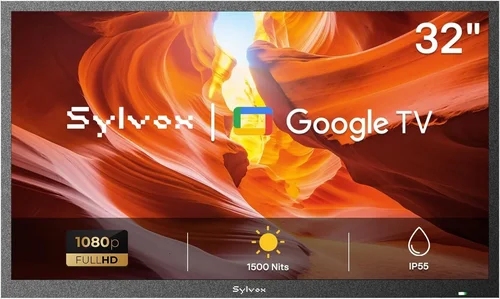
Expert Tips for Getting the Best Deal
1. Time Your Purchase Around Seasonal Sales: The best deals on outdoor TVs occur in late winter (February–March) and early fall (September–October). Retailers clear out inventory before spring installations and after summer peaks. Black Friday and Prime Day also offer solid discounts, but selection may be limited.
2. Buy Direct from Manufacturers or Authorized Retailers: Avoid third-party sellers on marketplaces like Amazon or eBay unless they’re verified authorized dealers. Unauthorized sellers may offer lower prices but often void warranties or sell refurbished units as new.
3. Bundle with Accessories: Some brands offer package deals including mounts, cables, or speakers. These can save 10–20% compared to buying separately. Check the manufacturer’s website for current promotions.
4. Consider Refurbished or Open-Box Models: Certified refurbished outdoor TVs from reputable sellers come with warranties and are often 20–30% cheaper. Open-box items at Best Buy or Costco can also offer great value with return protection.
5. Leverage Price Matching: Stores like Best Buy and Walmart offer price matching. If you find a lower price elsewhere (from an authorized seller), they’ll often match it—just have the link ready.
6. Read Return Policies Carefully: Outdoor TVs are bulky and expensive to return. Ensure the retailer offers at least 30 days to return, with free return shipping. Some charge restocking fees, so confirm beforehand.
7. Test Connectivity Before Finalizing: Once installed, check Wi-Fi range, HDMI handshaking, and app performance. Outdoor environments can interfere with signals, especially if your router is far from the deck.
8. Register Your TV Immediately: This activates the warranty and may qualify you for firmware updates or extended coverage. Keep your receipt and installation photos in case of future claims.

Frequently Asked Questions
Q: Can I use a regular TV outdoors if it’s under cover?
A: Technically yes, but it’s not recommended for long-term use. Even under cover, indoor TVs aren’t built to handle humidity, temperature swings, or dust. Over time, these factors can damage internal components and void your warranty. For reliable performance, use a TV designed for outdoor use or an indoor model in a certified weatherproof enclosure.
Q: How bright should my patio TV be?
A: For shaded or covered decks, aim for at least 700–1,000 nits. If your deck gets direct sunlight or bright ambient light, choose a model with 1,500+ nits. Brightness is measured in nits (cd/m²)—check the spec sheet or reviews, as marketing materials sometimes exaggerate.
Q: Do outdoor TVs need special mounting hardware?
A: Yes. Standard indoor mounts aren’t rated for outdoor conditions and may corrode or fail. Use mounts specifically labeled for outdoor use, with stainless steel or galvanized hardware. Ensure the mount supports the TV’s weight and VESA pattern.
Q: Can I leave my outdoor TV on all the time?
A: Most consumer outdoor TVs aren’t designed for 24/7 operation like commercial displays. Continuous use can overheat the unit and shorten its lifespan. Use a timer or smart plug to turn it off when not in use, especially overnight.
Q: Are outdoor TVs energy efficient?
A: Generally, yes—modern LED outdoor TVs use similar power to indoor models of the same size. Look for ENERGY STAR certification if efficiency is a priority. Brightness settings also impact consumption; lowering brightness when possible can save energy.
Q: What’s the difference between IP55 and IP65?
A: IP55 protects against dust and low-pressure water jets, suitable for most patios. IP65 offers complete dust protection and resistance to water jets, ideal for areas with heavy rain or sprinklers. For most decks, IP55 is sufficient.
Q: Can I connect a soundbar to an outdoor TV?
A: Yes, if the TV has an optical audio output or Bluetooth. However, ensure the soundbar is also weather-resistant or placed in a protected area. Some outdoor TVs have limited audio outputs due to sealing, so check connectivity before buying.
Q: How do I clean my outdoor TV?
A: Use a soft, dry microfiber cloth. For smudges, lightly dampen the cloth with water—never spray liquid directly on the screen. Avoid abrasive cleaners or paper towels, which can scratch the anti-glare coating.
Q: Will my outdoor TV work in winter?
A: Most outdoor TVs are rated for temperatures from -22°F to 122°F (-30°C to 50°C). However, extreme cold can temporarily reduce brightness. If you live in a harsh climate, choose a model with a wide operating temperature range and consider a protective cover during off-seasons.
Q: Can I use a streaming device with an outdoor TV?
A: Absolutely. Most outdoor TVs have HDMI ports for devices like Roku, Apple TV, or Fire Stick. Just ensure the device is secured and protected from moisture—some users mount them inside weatherproof boxes near the TV.
Our Final Recommendations
Best for Budget-Conscious Buyers: Vizio V-Series 50″ in a Peerless-AV Outdoor Enclosure ($550–$650). This combo delivers 4K HDR, smart features, and solid brightness at a fraction of the cost of a dedicated outdoor TV. Ideal for covered patios with minimal direct sun.
Best Overall Value: SunBriteTV Veranda Series 55″ ($1,100). A true outdoor TV with 1,000 nits brightness, IP55 rating, Roku TV platform, and a 3-year warranty. Perfect balance of price, performance, and durability for most decks.
Best Premium Option: Samsung The Terrace 65″ Partial Shade ($1,800). With 1,500 nits, anti-reflective coating, and Samsung’s Tizen OS, this model excels in bright conditions and offers sleek design and reliable performance.
Best for Beginners: TCL 4-Series 43″ with EZ Mount Outdoor Case ($450). Simple setup, easy-to-use Roku interface, and affordable entry point for first-time outdoor TV owners.
Best for Advanced Users: Seura Shadow 55″ Ultra Bright ($2,200). Designed for direct sunlight with 2,000+ nits, local dimming, and premium build quality. Ideal for large, open decks or commercial use.
Conclusion: Making the Right Choice
Choosing the right budget patio TV for your deck doesn’t have to be overwhelming. By focusing on key factors like brightness, weather resistance, build quality, and real-world performance, you can find a model that delivers exceptional value without compromising on durability or features. Remember, the goal isn’t to buy the cheapest TV—it’s to invest wisely in a unit that enhances your outdoor lifestyle for years to come.
Start by assessing your specific needs: How much sun does your deck get? How often will you use the TV? What’s your ideal screen size and feature set? Use this guide’s checklist to narrow your options, read honest reviews, and avoid common pitfalls. Don’t rush the decision—take advantage of seasonal sales, compare warranties, and consider total cost of ownership, including mounts and accessories.
Ultimately, the best patio TV is one that fits your budget, matches your environment, and brings joy to your outdoor gatherings. Whether you’re watching a sunset movie night or cheering on your favorite team, the right TV transforms your deck into a true extension of your home. So go ahead—step outside, press play, and enjoy the show.

