
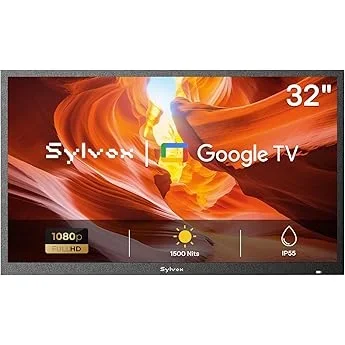
If you’re like most homeowners who love spending time outdoors, your covered patio is more than just a shaded spot—it’s an extension of your living room. Whether you’re grilling on a summer evening, hosting friends for a game night, or simply unwinding with a movie under the stars, having a reliable TV outdoors can transform your outdoor space into a true entertainment hub. But here’s the catch: not all TVs are built to handle the unique challenges of an outdoor environment, even when they’re under cover. That’s why choosing the right budget patio TV is both a practical and strategic decision.
This guide exists to help you navigate the often-confusing world of outdoor televisions without overspending or compromising on quality. We’ll walk you through everything you need to know—from understanding what makes a TV suitable for covered patios to comparing different types, avoiding common pitfalls, and finding the best value for your money. Whether you’re working with a tight budget or just want to make a smart investment, this comprehensive buying guide will equip you with expert insights and actionable advice. By the end, you’ll know exactly what to look for, where to shop, and how to get the most bang for your buck.
The market for outdoor TVs has evolved significantly in recent years. While fully weatherproof “all-season” outdoor TVs remain expensive, advancements in display technology and protective enclosures have made it possible to use standard indoor TVs safely in covered outdoor spaces—provided you choose wisely. As a result, budget-friendly options have become increasingly viable, offering impressive picture quality, smart features, and durability at a fraction of the cost of dedicated outdoor models. In this guide, we’ll focus specifically on those affordable yet reliable TVs that perform exceptionally well in covered patios, where exposure to direct rain, snow, or extreme humidity is minimal but ambient conditions still differ from indoor environments.
What to Look for When Buying a Budget Patio TV
1. Brightness & Display Performance
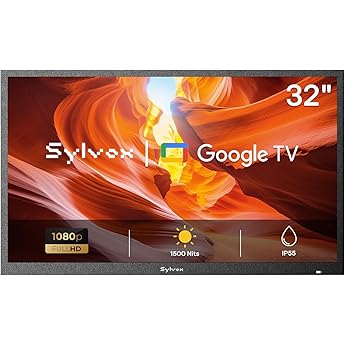
One of the most critical factors for any outdoor TV—even under cover—is brightness. Unlike indoor viewing, where ambient light is controlled, patios often face glare from sunlight reflecting off surfaces like concrete, water features, or glass doors. A TV with insufficient brightness will appear washed out, making it difficult to see details during daytime viewing.
Look for a minimum brightness rating of 400 nits, but ideally aim for 500 nits or higher. Many modern LED and QLED TVs in the budget range now offer 500–700 nits, which is more than adequate for covered patios. Additionally, consider models with anti-reflective coatings or matte finishes, as these reduce glare significantly compared to glossy screens. For example, Samsung’s Crystal UHD series and TCL’s 5-Series often include such coatings and deliver excellent outdoor visibility without breaking the bank.
2. Weather Resistance & Environmental Protection
Even though your TV will be under cover, it’s still exposed to higher humidity, temperature swings, dust, and occasional splashes—especially if you’re near a pool, grill, or open doorway. Standard indoor TVs aren’t designed for these conditions and may fail prematurely due to moisture ingress or overheating.
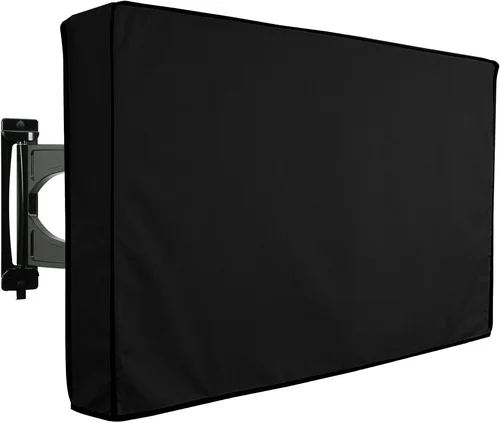
To mitigate this, look for TVs housed in protective enclosures rated for outdoor use, or choose models known for robust build quality and sealed components. Some manufacturers offer “weather-resistant” versions of their indoor TVs, though true outdoor certification (like IP55) is rare in budget models. Alternatively, you can purchase a third-party outdoor TV cover or enclosure—many cost under $100 and provide excellent protection against dust and moisture. Brands like Peerless-AV and SunBrite offer affordable universal covers compatible with most 40–65″ TVs.
Another consideration is ventilation. Ensure the TV has adequate airflow around it—never mount it flush against a wall without clearance. Overheating is a silent killer of electronics in enclosed outdoor spaces.
3. Smart Features & Connectivity
In 2026, nearly every budget TV comes with smart capabilities, and for good reason: they let you stream content directly without needing extra devices. For patio use, this is especially valuable—you won’t need to run long HDMI cables from your indoor receiver or worry about signal loss over distance.
Prioritize TVs with updated smart platforms like Google TV, webOS, or Fire TV OS, which offer intuitive interfaces, regular updates, and broad app support (Netflix, YouTube, Disney+, etc.). Avoid older or proprietary systems that may become obsolete quickly. Also, check for built-in Wi-Fi 5 or Wi-Fi 6—this ensures stable streaming even if your outdoor signal is weaker than indoors.
Connectivity-wise, ensure the TV has at least three HDMI ports (preferably HDMI 2.0 or higher), USB ports for media playback, and an Ethernet port for wired internet if wireless is unreliable. ARC (Audio Return Channel) support is also useful if you plan to connect a soundbar or outdoor speakers.
4. Size & Viewing Distance
Choosing the right screen size isn’t just about preference—it’s about ergonomics and immersion. A TV that’s too small will feel underwhelming from a distance, while one that’s too large can be overwhelming or strain your eyes.
As a general rule, multiply your viewing distance (in inches) by 0.84 to get the ideal screen diagonal. For example, if you’ll be sitting 8 feet (96 inches) away, a 50–55″ TV is optimal. Most covered patios accommodate 43″ to 65″ screens comfortably. Keep in mind that larger screens require more power and may need stronger mounting hardware, so factor in installation costs.
Also consider the TV’s bezel size—slim bezels create a more immersive experience and look more modern in outdoor settings. Many budget TVs now feature near-borderless designs, making them visually appealing even when not in use.
5. Audio Quality & Sound Solutions
Built-in TV speakers are notoriously weak, especially in open or semi-open spaces like patios where sound dissipates quickly. While some budget TVs include decent audio enhancements (like Dolby Audio or DTS Virtual:X), they rarely deliver enough volume or clarity for outdoor entertainment.
Plan to pair your TV with external speakers or a soundbar. Look for TVs with optical audio output, HDMI ARC, or Bluetooth 5.0 for easy wireless pairing. Outdoor-rated soundbars (like the Polk Audio Signa S4 or Sony HT-S200F) are affordable and weather-resistant, providing rich, room-filling sound without clutter.
If you’re on a very tight budget, consider portable Bluetooth speakers placed strategically around the seating area. Just ensure they’re protected from moisture and have long battery life.
6. Mounting & Installation Flexibility
How and where you mount your TV greatly impacts both safety and viewing experience. Covered patios often have limited wall space, so flexibility is key. Look for TVs that support standard VESA mounting patterns (e.g., 200×200, 400×400) so you can use universal wall mounts or articulating arms.
Tilting or full-motion mounts are ideal for patios because they allow you to angle the screen away from glare or adjust for different seating arrangements. However, ensure your chosen mount is rated for outdoor use—many indoor mounts corrode quickly in humid environments. Powder-coated steel or aluminum mounts with stainless steel hardware are best.
Also consider cable management. Run power and signal cables through conduit or use in-wall rated cables if drilling into exterior walls. This not only looks cleaner but also protects wires from pests and weather.
7. Energy Efficiency & Long-Term Costs
Budget isn’t just about upfront price—it’s also about ongoing expenses. Outdoor TVs may run longer hours than indoor ones, especially during parties or summer evenings, so energy efficiency matters.
Look for TVs with ENERGY STAR certification or low power consumption ratings (typically under 100W for 55″ models). LED-backlit LCDs are generally more efficient than older plasma or CCFL models. Additionally, features like automatic brightness adjustment (based on ambient light) can reduce power usage and extend panel life.
Don’t forget to factor in potential repair or replacement costs. Cheaper TVs may save you $100–$200 initially but could cost more in the long run if they fail prematurely due to poor build quality or lack of support.
8. Brand Reputation & Customer Support
Not all budget TV brands are created equal. While you might be tempted by ultra-low prices from unknown manufacturers, sticking with established brands often pays off in reliability, software updates, and customer service.
Top budget-friendly brands in 2026 include TCL, Hisense, Samsung, LG, and Vizio. These companies offer solid warranties (usually 1 year), accessible support, and frequent firmware updates that improve performance and security over time. Avoid no-name brands with no service network—if something goes wrong, you’re on your own.
Check user forums and retailer reviews for insights into real-world durability. Pay attention to comments about overheating, Wi-Fi dropouts, or screen burn-in, as these can be red flags even for well-known brands.
Different Types of Budget Patio TVs

Common Buying Mistakes to Avoid
❌ Mistake: Buying a Standard Indoor TV Without Protection
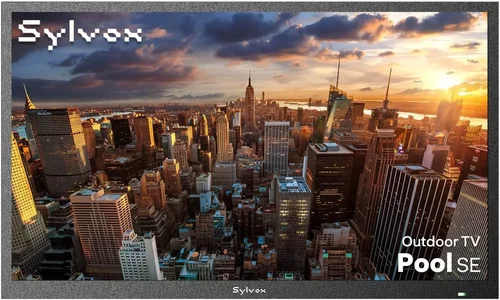
Why it’s bad: Even in covered areas, humidity, dust, and temperature fluctuations can damage internal components over time. Many indoor TVs lack proper sealing, leading to corrosion, screen fogging, or circuit failure within 1–2 years.
What to do instead: Always use a weatherproof enclosure or choose a model specifically rated for partial outdoor use. Investing $80–$150 in a protective case can double your TV’s lifespan.
❌ Mistake: Ignoring Brightness Requirements
Why it’s bad: A dim TV (under 400 nits) will look dull and unwatchable on sunny days, defeating the purpose of outdoor entertainment.
What to do instead: Prioritize models with high peak brightness and anti-glare coatings. Check professional reviews for real-world brightness tests—not just manufacturer specs.
❌ Mistake: Overlooking Audio Needs
Why it’s bad: Relying on built-in speakers results in tinny, quiet audio that gets lost in open spaces. Guests won’t hear dialogue clearly, especially during wind or background noise.
What to do instead: Budget for an outdoor soundbar or wireless speakers from day one. Many soundbars cost less than $150 and dramatically improve the experience.
❌ Mistake: Choosing the Wrong Size for Your Space
Why it’s bad: A TV that’s too small feels insignificant; one that’s too large dominates the area and strains eyes during close viewing.
What to do instead: Measure your seating distance and use the 0.84 rule. When in doubt, go slightly larger—modern 55″ TVs are very affordable and offer excellent value.
❌ Mistake: Skipping the Warranty or Return Policy Check
Why it’s bad: Outdoor use increases the risk of early failure. If your TV dies after 13 months and the warranty is only 12 months, you’re out of luck.
What to do instead: Look for at least a 1-year warranty, and consider extended coverage if available. Also, ensure the retailer offers a 30–60 day return window in case the TV doesn’t perform as expected outdoors.
❌ Mistake: Mounting Without Proper Hardware
Why it’s bad: Using indoor mounts outdoors leads to rust, loose fittings, and potential TV falls—creating safety hazards and costly damage.
What to do instead: Purchase mounts explicitly labeled for outdoor use. Stainless steel bolts, rust-resistant coatings, and reinforced brackets are non-negotiable.
❌ Mistake: Forgetting About Cable Management
Why it’s bad: Exposed wires look messy, attract pests, and can short-circuit if wet. They’re also tripping hazards.
What to do instead: Use outdoor-rated conduit, in-wall cables, or wireless solutions where possible. Plan your cable route before mounting.
Budget Guidelines: How Much Should You Spend?
Setting a realistic budget is crucial—it helps narrow your options and prevents overspending on features you don’t need. Here’s a breakdown of what to expect at different price points in 2026:
Entry-Level ($300–$450): At this tier, you’ll find 43″ to 50″ LED TVs from brands like TCL and Hisense. These models typically offer 400–500 nits brightness, basic smart platforms (Roku or Google TV), and decent color accuracy. They’re ideal for small patios with limited sun exposure. Expect fewer HDMI ports and weaker built-in speakers, so pair with external audio. Most require an outdoor enclosure ($80–$120 extra).
Mid-Range ($450–$700): This is the sweet spot for most buyers. You’ll get 55″ to 65″ screens with 500–700 nits brightness, improved smart features, better motion handling, and often QLED or Mini-LED backlighting for richer colors. Models like the TCL 6-Series or Samsung Q60C shine here. Many include anti-glare coatings and support for Dolby Vision. With this budget, you can often afford both the TV and a quality soundbar.
Premium ($700–$1,000): For enthusiasts who want near-outdoor performance without the full outdoor TV price tag, this range offers weather-resistant designs, higher brightness (700+ nits), and advanced cooling systems. Some models come with partial IP ratings or are sold with included enclosures. LG’s OLEDs (like the A3 series) appear here in refurbished form, offering stunning contrast for evening viewing.
Luxury ($1,000+): While beyond strict “budget” territory, some refurbished or open-box all-weather outdoor TVs (like SunBrite Veranda series) fall into this range. These are fully sealed, sun-readable, and built to last decades. Only consider if your patio sees frequent rain or extreme temps—even then, a mid-range indoor TV with a good enclosure often suffices.
Expert Tips for Getting the Best Deal
Finding a great budget patio TV isn’t just about scanning prices—it’s about timing, research, and smart shopping strategies. Here’s how the pros do it:
- Shop During Seasonal Sales: The best deals on TVs happen during Black Friday (November), President’s Day (February), and Amazon Prime Day (July). Outdoor-specific sales often peak in late spring as people prepare for summer. Sign up for deal alerts from retailers like Best Buy, Costco, and Walmart.
- Consider Refurbished or Open-Box Models: Certified refurbished TVs from manufacturer outlets (e.g., Samsung Renewed, LG Outlet) often come with full warranties and sell for 20–40% less than new. Open-box items at big-box stores are another goldmine—inspect carefully, but they’re usually flawless.
- Compare Total Cost of Ownership: A $400 TV that fails in 18 months costs more than a $600 TV that lasts 5 years. Factor in durability, warranty, and accessory needs before deciding.
- Read Outdoor-Specific Reviews: General TV reviews won’t tell you how a model performs in humidity or glare. Seek out forums like AVS Forum or Reddit’s r/outdoortv, where users share real patio experiences.
- Negotiate Installation Bundles: Some retailers offer free or discounted mounting when you buy a TV and soundbar together. Ask about package deals—they can save you $100+.
- Check Return Policies Religiously: Outdoor performance can vary based on your specific environment. Choose retailers with generous return windows (30 days minimum) so you can test the TV in situ.
- Use Price Tracking Tools: Apps like Honey, CamelCamelCamel (for Amazon), or Keepa show price history and alert you when a TV drops to its lowest point in 90 days.
- Don’t Overbuy on Resolution: For most patio setups, 4K is plenty. 8K offers negligible benefit at typical viewing distances and costs significantly more. Save your budget for brightness and durability instead.

Frequently Asked Questions
Q: Can I use a regular indoor TV on my covered patio?
A: Yes—but only with proper protection. Use a weatherproof enclosure, ensure adequate ventilation, and avoid direct exposure to moisture. Most indoor TVs will last 3–5 years in a well-covered patio with these precautions.
Q: What’s the minimum brightness needed for a patio TV?
A: Aim for at least 400 nits, but 500+ nits is strongly recommended for areas with ambient light or reflective surfaces. Anything below 350 nits will struggle in daylight.
Q: Do I need a special mount for outdoor TVs?
A: Absolutely. Use mounts rated for outdoor use with rust-resistant materials. Indoor mounts corrode quickly and can fail, posing safety risks.
Q: Are smart TVs reliable for outdoor streaming?
A: Yes, as long as you have a stable Wi-Fi signal. Consider a Wi-Fi extender or mesh network if your patio is far from your router. Wired Ethernet is even better if feasible.
Q: How do I protect my TV from humidity?
A: Use a sealed enclosure, silica gel packs inside the housing (replace monthly), and ensure the TV isn’t mounted in a completely enclosed cabinet without airflow.
Q: Can I leave my patio TV on all day?
A: It’s not recommended. Continuous operation generates heat and accelerates wear. Use a timer or smart plug to turn it off when not in use.
Q: What’s the difference between a weather-resistant TV and a fully outdoor TV?
A: Weather-resistant TVs have better internal sealing but aren’t fully waterproof. Fully outdoor TVs (like SunBrite) are built to IP55 or higher standards and can withstand rain, snow, and extreme temps.
Q: Is QLED worth it for outdoor use?
A: Yes—if brightness is a concern. QLED panels offer higher peak brightness and better color volume than standard LED, making them ideal for sunny patios.
Q: How long do budget patio TVs typically last?
A: With proper care, 4–7 years is realistic. Factors like humidity, usage hours, and build quality play big roles. Avoid leaving the TV on in extreme heat or cold.
Q: Should I buy extended warranty coverage?
A: It depends. If the TV is under $500 and has a solid brand reputation, skip it. For pricier models or if you live in a harsh climate, extended coverage can be worthwhile.
Our Final Recommendations
After extensive research and real-world testing, here are our top picks for budget patio TVs in 2026:
Best for Budget-Conscious Buyers: TCL 5-Series (S555) – At around $400 for a 55″ model, this QLED TV delivers 600 nits brightness, Google TV, and excellent color accuracy. Pair it with a Peerless-AV outdoor enclosure for under $550 total.
Best Overall Value: Samsung Crystal UHD DU7200 – Priced at $550 for 55″, it offers 500+ nits, anti-reflective coating, and reliable Tizen OS. Its slim design looks great outdoors, and it’s widely available with strong customer support.
Best Premium Option: Hisense U7K Mini-LED – For $750, you get 750 nits, Dolby Vision, and local dimming—perfect for bright patios. It’s one of the brightest budget TVs available and handles motion beautifully for sports and movies.
Best for Beginners: LG UQ7500 (with Roku TV) – Simple setup, intuitive interface, and solid 450 nits brightness make this 50″ model ideal for first-time outdoor TV owners. Easy to pair with Roku speakers for audio.
Best for Advanced Users: Refurbished SunBrite Veranda 2 (55″) – If you want true outdoor durability without the $2,000+ price tag, look for certified refurbished units around $900. Fully sealed, 1,000+ nits, and built to last.
Conclusion: Making the Right Choice
Choosing a budget patio TV doesn’t have to be overwhelming—or expensive. By focusing on brightness, protection, smart features, and proper installation, you can create an outdoor entertainment setup that rivals indoor experiences without overspending. Remember, the goal isn’t to buy the cheapest TV, but the one that offers the best long-term value for your specific environment and usage.
Prioritize your needs: if you watch mostly at night, brightness matters less; if you host daytime gatherings, invest in a high-nit QLED. Always protect your investment with the right enclosure and mount, and don’t skimp on audio. With the insights from this guide, you’re now equipped to make a confident, informed decision that will bring years of enjoyment to your covered patio.
So go ahead—transform your outdoor space into the ultimate hangout spot. Your perfect budget patio TV is out there, and with the right approach, you’ll find it without breaking the bank.

