
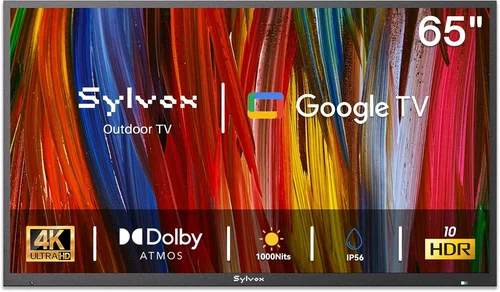
Outdoor living spaces have evolved far beyond simple patios and decks. Today’s homeowners are transforming backyards into fully functional entertainment zones—complete with grills, fire pits, sound systems, and yes, outdoor TVs. Whether you’re hosting a summer barbecue, catching the big game under the stars, or enjoying a quiet evening movie night on the porch, an outdoor TV can elevate your experience. But not all outdoor TVs are created equal—especially when you live in a humid climate.
Humidity is one of the most challenging environmental factors for electronics. In coastal regions, tropical zones, or areas with high annual rainfall, moisture-laden air can wreak havoc on standard indoor TVs, leading to corrosion, fogging, electrical shorts, and premature failure. That’s why choosing the right outdoor TV for humid areas isn’t just about picture quality or screen size—it’s about survival. A poorly chosen model might last only a season before succumbing to mold, rust, or internal damage. This guide is designed to help you navigate the complexities of buying a budget-friendly outdoor TV that can withstand the rigors of high-humidity environments without breaking the bank.
In this comprehensive buying guide, you’ll learn everything you need to know to make a smart, informed decision. We’ll break down the key factors to consider—from weatherproof ratings and build materials to display technology and smart features—so you can confidently choose a TV that delivers both performance and durability. You’ll also discover the different types of outdoor TVs available, common pitfalls to avoid, realistic budget expectations, and expert tips for getting the best value. Whether you’re a first-time buyer or upgrading from an older model, this guide will equip you with the knowledge to invest wisely in an outdoor TV that thrives in humid conditions.
The market for outdoor TVs has grown significantly in recent years, driven by advancements in display technology and increased demand for outdoor entertainment. However, this growth has also led to a flood of products ranging from genuinely rugged, purpose-built models to glorified indoor TVs marketed as “outdoor-ready.” Many budget options claim to be weather-resistant but fall short when exposed to real-world humidity, rain, or temperature swings. Our goal is to cut through the marketing noise and help you identify TVs that offer genuine protection, reliable performance, and long-term value—all while staying within a reasonable price range. By the end of this guide, you’ll know exactly what to look for, what to avoid, and how to maximize your investment in an outdoor TV built to last.

What to Look for When Buying Buying Guide
1. Weather Resistance & IP Rating
When shopping for an outdoor TV in a humid area, the most critical factor is weather resistance—specifically, the TV’s Ingress Protection (IP) rating. The IP rating is an international standard that indicates how well a device is protected against dust and water. For outdoor use, especially in humid climates, you need a TV with a high IP rating, ideally IP55 or higher.
An IP55 rating means the TV is protected against limited dust ingress and low-pressure water jets from any direction—perfect for patios, covered decks, and areas exposed to morning dew or light rain. For more extreme conditions, such as uncovered installations or coastal environments with salt spray, consider models with IP65 or IP66 ratings, which offer full dust protection and resistance to powerful water jets.
But don’t stop at the number—look for details. Some manufacturers advertise “weather-resistant” TVs without specifying an IP rating, which is a red flag. True outdoor TVs are sealed with gaskets, use corrosion-resistant screws and connectors, and have ventilation systems designed to prevent condensation buildup. In humid areas, internal condensation is a major threat; without proper airflow and sealing, moisture can accumulate inside the screen, leading to fogging, corrosion, or electrical failure.
Also, consider the TV’s operating temperature range. Humid climates often come with high heat, and TVs that aren’t designed for outdoor use can overheat when exposed to direct sunlight. Look for models rated for temperatures between -22°F and 122°F (-30°C to 50°C) to ensure reliable performance year-round.
2. Display Technology & Brightness
The type of display technology used in an outdoor TV directly impacts visibility, color accuracy, and energy efficiency—especially under bright outdoor lighting. For humid areas, where you’re likely to use the TV during daylight hours, brightness is paramount.
Most budget outdoor TVs use either LED or QLED panels. LED TVs are the most common and affordable, offering decent color and contrast. However, standard LED TVs often struggle in direct sunlight due to low peak brightness (typically under 400 nits). For outdoor use, you need a TV with at least 700 nits of brightness, but ideally 1,000 nits or more. High brightness ensures the screen remains visible even on sunny afternoons.
QLED (Quantum Dot LED) TVs offer better color volume and brightness than standard LEDs, making them a strong choice for outdoor viewing. They use quantum dots to enhance color accuracy and can reach peak brightness levels of 1,500 to 2,000 nits—ideal for patios with partial shade or early evening use. While QLEDs are slightly more expensive, they provide a noticeable improvement in picture quality, especially in humid climates where glare and ambient light can wash out images.
Avoid OLED TVs for outdoor use. While OLEDs deliver superior contrast and deep blacks, they are highly sensitive to moisture and humidity. The organic compounds in OLED panels degrade quickly when exposed to water vapor, leading to burn-in and permanent damage. Even with weatherproofing, OLEDs are not recommended for humid environments.
Additionally, look for anti-glare or anti-reflective coatings. These reduce screen reflections from the sun or nearby lights, improving visibility. Some models also feature matte finishes or polarized filters to further enhance outdoor viewing.
3. Build Quality & Materials
Durability starts with the materials used in construction. In humid areas, metal components are prone to rust and corrosion unless properly treated. Look for TVs with powder-coated aluminum or stainless-steel frames, which resist oxidation and provide long-term structural integrity.
The back panel and internal components should also be sealed and protected. High-quality outdoor TVs use conformal coating on circuit boards—a thin protective layer that shields electronics from moisture, dust, and salt. This is especially important in coastal regions where salt air accelerates corrosion.
Pay attention to the mounting system. Many budget outdoor TVs come with basic wall mounts, but for humid climates, you’ll want a mount that allows airflow behind the TV to prevent heat and moisture buildup. Full-motion or tilt mounts are ideal, as they let you angle the screen for optimal viewing and ventilation. Ensure the mount is also weatherproof and rated for outdoor use.
Cable management is another often-overlooked detail. Look for models with sealed cable entry points or built-in conduit channels to protect HDMI, power, and antenna connections from moisture ingress. Rubber grommets and silicone seals can make a big difference in long-term reliability.
Finally, consider the overall design. A fully enclosed chassis with no exposed vents or seams is ideal for humid environments. Some premium models even feature passive cooling systems that use heat sinks instead of fans, eliminating moving parts that can fail or trap moisture.
4. Smart Features & Connectivity
Even on a budget, you don’t have to sacrifice smart functionality. Most modern outdoor TVs come with built-in Wi-Fi, Bluetooth, and streaming platforms like Roku, Android TV, or webOS. These features allow you to access Netflix, YouTube, Disney+, and other services without needing an external streaming device.
For humid areas, ensure the smart platform is reliable and receives regular software updates. Outdated firmware can lead to security vulnerabilities and compatibility issues, especially as apps evolve. Android TV and Roku are generally the most stable and user-friendly options, with frequent updates and broad app support.
Connectivity is equally important. Look for at least three HDMI ports (preferably HDMI 2.0 or higher for 4K content), USB ports for media playback, and an Ethernet port for wired internet—ideal if your Wi-Fi signal is weak outdoors. Some models also include composite or component inputs for older devices like DVD players or gaming consoles.
Audio quality matters too. While most outdoor TVs have built-in speakers, they’re often underpowered for open spaces. Consider models with at least 20W of total output or plan to connect external speakers via Bluetooth or audio-out ports. For larger patios, a soundbar or wireless outdoor speaker system can dramatically improve the experience.
Voice control is a nice bonus. Many smart outdoor TVs support Google Assistant or Amazon Alexa, allowing you to change channels, adjust volume, or search content hands-free—perfect for when you’re grilling or relaxing with friends.
5. Size & Viewing Distance
Choosing the right screen size depends on your outdoor space and typical viewing distance. A TV that’s too small will be hard to see from a distance, while one that’s too large can overwhelm a small patio.
As a general rule, divide your viewing distance (in inches) by 1.5 to 2.5 to determine the ideal screen size. For example, if you’ll be sitting 8 feet (96 inches) away, a 40- to 65-inch TV is appropriate. For larger decks or backyard theaters, 70 inches or more may be suitable.
In humid areas, larger screens can be more susceptible to warping or seal failure over time, so ensure the model you choose has a proven track record for durability at that size. Also, consider the TV’s weight—larger models require sturdier mounts and may need professional installation.
Portability is another factor if you plan to move the TV between locations (e.g., from the patio to the garage). Some budget outdoor TVs are designed to be lightweight and easy to relocate, while others are built for permanent installation. If mobility is important, look for models with carrying handles or optional rolling stands.
6. Brand Reputation & Reliability
Not all brands are created equal when it comes to outdoor electronics. Some companies specialize in rugged, weatherproof devices, while others simply repackage indoor TVs with minimal modifications.
Look for brands with a proven history in outdoor technology, such as SunBriteTV, Seura, or Peerless-AV. These companies design their products from the ground up for outdoor use, with rigorous testing for humidity, temperature, and UV exposure. Even their budget lines often outperform generic “outdoor-ready” models from mainstream brands.
That said, some mainstream manufacturers like Samsung, LG, and TCL now offer outdoor-specific models or certified weatherproof versions of their indoor TVs. These can be excellent budget options if they meet the necessary IP ratings and durability standards.
Check customer reviews and third-party testing. Look for feedback from users in similar climates—especially coastal or tropical regions. Pay attention to comments about long-term performance, customer service, and warranty claims. A brand with responsive support and a hassle-free return policy is invaluable if something goes wrong.
Avoid no-name brands or ultra-cheap imports sold on marketplaces like Amazon or eBay. These often lack proper certifications, use substandard materials, and have no warranty or support. The short-term savings aren’t worth the risk of premature failure.
7. Warranty & Support
A strong warranty is a sign of confidence in a product’s durability—especially for electronics exposed to harsh conditions. For outdoor TVs in humid areas, look for a minimum 2-year warranty, with 3 years or more being ideal.
The warranty should cover both parts and labor, and ideally include protection against moisture damage, corrosion, and seal failure. Some premium brands offer extended warranties or service plans that cover on-site repairs or replacements, which can be a lifesaver if you’re not comfortable disassembling the TV yourself.
Read the fine print. Many warranties are voided if the TV is installed incorrectly, used in uncovered areas, or exposed to saltwater without proper maintenance. Make sure you understand the terms before purchasing.
Customer support is just as important. Can you reach a real person quickly? Do they offer troubleshooting guides or video tutorials? Is there a dedicated outdoor support line? Brands with strong support networks make it easier to resolve issues and extend the life of your TV.
Finally, consider the availability of replacement parts. If a component fails years down the line, can you easily find a new power supply, remote, or mounting bracket? Brands with long product lifecycles and accessible spare parts are better long-term investments.
8. Energy Efficiency & Operating Costs
While not the first thing that comes to mind, energy efficiency matters—especially if you plan to use your outdoor TV frequently. High brightness and constant operation can lead to significant electricity usage over time.
Look for TVs with ENERGY STAR certification, which indicates they meet strict efficiency guidelines set by the U.S. Environmental Protection Agency. These models use advanced power management to reduce consumption without sacrificing performance.
Features like automatic brightness adjustment (based on ambient light) and sleep timers can further cut energy use. Some smart TVs also enter low-power mode when not in use, helping to minimize standby consumption.
In humid areas, where you might run the TV for hours during summer evenings, even small savings add up. A more efficient TV could save you $20–$50 per year on your electric bill, depending on usage and local rates.
Also consider the environmental impact. Energy-efficient TVs produce fewer greenhouse gas emissions and reduce strain on the power grid—important considerations for eco-conscious buyers.
Different Types of Buying Guide

Common Buying Mistakes to Avoid
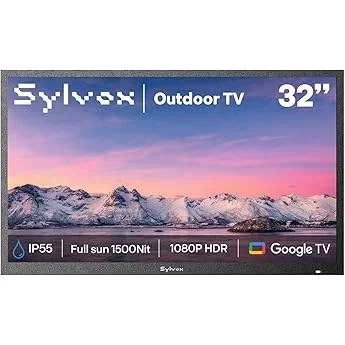
❌ Mistake: Buying a Standard Indoor TV for Outdoor Use
Why it’s bad: Indoor TVs are not designed to handle moisture, temperature swings, or UV exposure. Even if you install it under a covered porch, humidity can seep into the internal components, causing corrosion, fogging, and electrical failure within months.
What to do instead: Invest in a TV specifically built for outdoor use, even if it’s a budget model. Look for weatherproof ratings, sealed enclosures, and corrosion-resistant materials. The extra cost upfront will save you from costly replacements later.
❌ Mistake: Ignoring the IP Rating
Why it’s bad: Without a proper IP rating, you have no way of knowing how well the TV resists water and dust. Many “outdoor-ready” TVs lack certification, leaving you vulnerable to damage from rain, dew, or high humidity.
What to do instead: Always check for an IP55 or higher rating. Verify the rating with the manufacturer or third-party testing reports. Don’t rely on marketing claims like “weather-resistant” without proof.
❌ Mistake: Overlooking Brightness Requirements
Why it’s bad: A dim screen is unusable outdoors, especially during the day. If your TV can’t reach at least 700 nits, you’ll struggle to see the picture in sunlight, defeating the purpose of having an outdoor TV.
What to do instead: Prioritize brightness in your search. Look for models with 1,000+ nits for best results. Consider QLED technology for superior outdoor visibility.
❌ Mistake: Skimping on the Mount
Why it’s bad: A weak or indoor-rated mount can fail under the weight of an outdoor TV, especially in windy or humid conditions. Poor mounting also restricts airflow, increasing the risk of overheating and moisture buildup.
What to do instead: Use a heavy-duty, weatherproof mount designed for outdoor use. Ensure it’s rated for your TV’s size and weight, and allows for proper ventilation.
❌ Mistake: Neglecting Cable Protection
Why it’s bad: Exposed cables are prime targets for moisture, rodents, and UV damage. Over time, this can lead to signal loss, short circuits, or complete failure.
What to do instead: Use outdoor-rated cables with UV-resistant jackets and install them through sealed conduits or cable channels. Apply dielectric grease to connectors for added protection.
❌ Mistake: Assuming All “Outdoor” TVs Are Equal
Why it’s bad: The term “outdoor TV” is not regulated. Some brands use it loosely to market indoor TVs with minor modifications, while others build fully ruggedized units.
What to do instead: Research the brand and model thoroughly. Read reviews from users in similar climates, check for certifications, and compare build quality and features.
❌ Mistake: Forgetting About Maintenance
Why it’s bad: Even the best outdoor TVs require periodic cleaning and inspection. Dust, pollen, and salt buildup can degrade seals and reduce performance over time.
What to do instead: Clean the screen and vents regularly with a soft, dry cloth. Inspect seals and mounts annually, especially after storms or extreme weather.
Budget Guidelines: How Much Should You Spend?
When it comes to outdoor TVs for humid areas, your budget will largely determine the level of protection, performance, and longevity you can expect. Here’s a breakdown of what you can get at different price points:
Entry-Level ($400 – $800): At this price, you’ll find partial-shade outdoor TVs or indoor TVs in weatherproof enclosures. These are suitable for covered patios or screened-in porches where direct rain and extreme humidity are minimal. Expect basic smart features, 4K resolution, and brightness around 500–700 nits. Build quality may be adequate but not exceptional, and warranties are typically 1–2 years. Best for casual users or temporary setups.
Mid-Range ($800 – $1,500): This is the sweet spot for most buyers. You’ll find purpose-built outdoor TVs with IP55 ratings, QLED or high-brightness LED panels, and robust smart platforms. These models offer better durability, brighter screens (800–1,200 nits), and improved sealing against moisture. Look for brands like TCL, Hisense, or certified outdoor versions from Samsung. Warranties usually extend to 2–3 years, and customer support is more reliable.
Premium ($1,500 – $3,000): For those who want top-tier performance and peace of mind, premium outdoor TVs deliver. These are fully sealed, IP65-rated units designed for uncovered installations in coastal or tropical climates. Expect 1,500+ nits brightness, anti-glare coatings, advanced cooling systems, and premium materials like aluminum frames. Smart features are robust, and warranties often include on-site service. Ideal for permanent outdoor theaters or high-end patios.
Luxury ($3,000+): At this level, you’re investing in commercial-grade durability and cutting-edge technology. These TVs are built for 24/7 operation, extreme weather, and professional installations. Features may include modular designs, remote monitoring, and custom mounting solutions. While overkill for most homeowners, they’re perfect for luxury resorts, outdoor cinemas, or tech enthusiasts who demand the absolute best.
Expert Tips for Getting the Best Deal
- Shop During Off-Season: Outdoor TVs are in highest demand during spring and summer. Buy in late fall or winter (October–February) when retailers offer discounts to clear inventory. You can save 15–30% during these periods.
- Compare Retailers: Check prices at specialty outdoor electronics stores, big-box retailers (Best Buy, Costco), and online marketplaces. Sometimes, local dealers offer price matching or bundle deals with installation.
- Look for Refurbished Models: Certified refurbished outdoor TVs from reputable brands can offer significant savings (20–40% off) with full warranties. Ensure they’re tested and come with a return policy.
- Bundle with Accessories: Some retailers offer discounts when you buy a TV, mount, and cables together. This can be cheaper than purchasing items separately.
- Check Return Policies: Make sure the seller offers at least a 30-day return window. Outdoor TVs can be tricky to install, and you’ll want the option to return if it doesn’t meet your needs.
- Test Before Finalizing: If possible, visit a store to see the TV in person. Check brightness, color accuracy, and remote responsiveness. Some models look great online but disappoint in real-world conditions.
- Consider Long-Term Value: A slightly more expensive TV with better durability and warranty may cost less over time than a cheap model that fails after two years.
- Read the Fine Print on Warranties: Understand what’s covered and what voids the warranty. Keep all receipts and installation records.

Frequently Asked Questions
Q: Can I use a regular TV outdoors if it’s under a covered porch?
A: Technically yes, but it’s not recommended—especially in humid areas. Even under cover, moisture, temperature swings, and UV exposure can damage internal components over time. For reliable performance, use a TV specifically designed for outdoor use.
Q: What’s the difference between IP55 and IP65?
A: IP55 protects against dust and low-pressure water jets, while IP65 offers full dust protection and resistance to powerful water jets. IP65 is better for uncovered or high-exposure areas.
Q: Do outdoor TVs need special cables?
A: Yes. Use outdoor-rated HDMI and power cables with UV-resistant jackets. Standard indoor cables can degrade quickly when exposed to sunlight and moisture.
Q: How do I clean my outdoor TV?
A: Use a soft, dry microfiber cloth to wipe the screen and casing. Avoid liquids, sprays, or abrasive materials. For stubborn dirt, lightly dampen the cloth with distilled water.
Q: Can I leave my outdoor TV on all the time?
A: Most outdoor TVs are designed for extended use, but it’s best to turn them off when not in use to save energy and prolong lifespan. Use a timer or smart plug for convenience.
Q: Will an outdoor TV work in direct sunlight?
A: Only if it has high brightness (1,000+ nits) and anti-glare coating. Even then, direct sun can cause overheating. Install in partial shade or use a sunshade.
Q: Are outdoor TVs worth the extra cost?
A: Absolutely—if you live in a humid or variable climate. The added durability, weatherproofing, and longevity justify the investment, especially compared to replacing a failed indoor TV.
Q: Can I mount an outdoor TV on a brick or concrete wall?
A: Yes, but you’ll need a masonry drill bit and appropriate anchors. Ensure the mount is rated for the wall type and TV weight. Professional installation is recommended for heavy units.
Q: Do outdoor TVs come with remotes?
A: Most do, but some budget models may require a smartphone app. Check the product details before buying.
Q: What if my outdoor TV gets rained on?
A: If it’s IP55 or higher and properly installed, it should be fine. However, avoid direct, heavy rain exposure. Wipe off standing water and inspect for damage afterward.
Our Final Recommendations
Best for Budget-Conscious Buyers: TCL 55″ 5-Series Outdoor TV (Partial Shade) – At around $700, this model offers excellent value with 4K QLED display, 800 nits brightness, and IP55 rating. Ideal for covered patios in humid climates.
Best Overall Value: Hisense 65″ U7G QLED Outdoor TV – Priced at $1,200, it delivers 1,200 nits brightness, Android TV, and robust weatherproofing. A great balance of performance and price.
Best Premium Option: SunBriteTV Veranda 3 Series 65″ – At $2,500, this all-weather TV is built for extreme conditions with IP65 rating, 2,000 nits brightness, and full smart functionality. Perfect for uncovered decks in coastal areas.
Best for Beginners: Samsung The Terrace 55″ Partial Shade – Easy setup, intuitive Tizen OS, and reliable performance. Great for first-time outdoor TV owners.
Best for Advanced Users: Peerless-AV Xtreme 75″ All-Weather Display – Commercial-grade durability, modular design, and customizable mounting. Ideal for tech-savvy users who want maximum control and longevity.
Conclusion: Making the Right Choice
Choosing the right outdoor TV for a humid area is about more than just picture quality—it’s about investing in a device that can withstand the elements and deliver reliable performance year after year. From weather resistance and brightness to build quality and smart features, every detail matters when you’re exposing electronics to moisture, heat, and humidity.
This guide has equipped you with the knowledge to navigate the market confidently, avoid common pitfalls, and make a decision that aligns with your budget, space, and lifestyle. Remember, the cheapest option isn’t always the best value. A well-chosen outdoor TV will enhance your outdoor living experience, withstand the challenges of your climate, and provide entertainment for seasons to come.
Take the time to assess your needs, compare models, and prioritize durability and protection. Whether you’re watching the sunset with a movie or hosting a game night under the stars, the right outdoor TV will make every moment better. Now go enjoy your backyard—rain or shine.

