
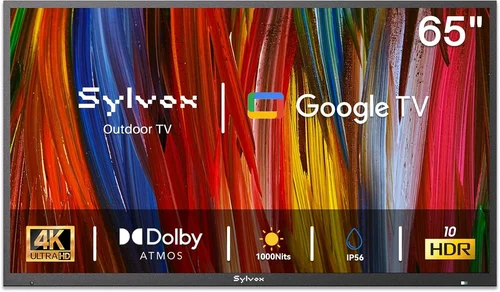
Outdoor kitchens have evolved from simple grilling stations into fully functional, year-round living spaces. Whether you’re sipping coffee on a crisp morning, hosting a backyard barbecue, or unwinding with a movie under the stars, having entertainment at your fingertips transforms the experience. And nothing enhances that experience quite like an outdoor television. But here’s the catch: not all TVs are built to withstand the elements. Sunlight glare, humidity, temperature swings, dust, and even rain can quickly turn a standard indoor TV into a costly paperweight.
That’s where outdoor TVs come in—specifically designed to thrive in challenging environments. However, with so many options flooding the market in 2026, choosing the right one can feel overwhelming. Are you better off splurging on a fully weatherproof model, or can a budget-friendly alternative deliver the performance you need? What features truly matter when you’re watching from a patio or outdoor kitchen island? This guide cuts through the noise to help you make a smart, informed decision. You’ll learn how to balance cost, durability, picture quality, and functionality—all while staying within your budget.
By the end of this comprehensive buying guide, you’ll understand exactly what to look for in an outdoor TV for your outdoor kitchen setup. We’ll break down key factors like brightness, weather resistance, connectivity, and build quality. You’ll also discover common pitfalls to avoid, realistic budget expectations, and expert tips for getting the best deal. Whether you’re a first-time buyer or upgrading from an older model, this guide equips you with the knowledge to choose a TV that delivers stunning visuals, reliable performance, and long-term value—no matter the weather.

What to Look for When Buying Buying Guide
1. Brightness & Sunlight Readability
One of the most critical factors for any outdoor TV is brightness—especially if your outdoor kitchen gets direct sunlight. Standard indoor TVs typically range from 300 to 500 nits (a unit measuring brightness), which is fine for dim living rooms but woefully inadequate outdoors. In bright daylight, reflections and glare can wash out the screen, making it nearly impossible to see what’s on screen.
Outdoor TVs, on the other hand, are engineered for high brightness. Look for models with at least 700 nits, though 1,000 to 2,500 nits is ideal for areas with intense sun exposure. Some premium models even reach 3,000+ nits. This high luminance ensures that colors remain vibrant and details stay sharp, even at noon on a cloudless day.
Additionally, consider anti-reflective coatings and optically bonded screens. These technologies reduce glare by minimizing the gap between the screen and the outer glass, which helps maintain image clarity. A matte finish is also preferable over glossy, as it diffuses light rather than reflecting it directly into your eyes.
2. Weather Resistance & IP Rating
Outdoor TVs must endure rain, snow, dust, humidity, and temperature extremes—conditions that would destroy a typical indoor model within days. That’s why weather resistance is non-negotiable. The key metric here is the Ingress Protection (IP) rating, which indicates how well a device resists solids (like dust) and liquids (like water).
For outdoor use, look for an IP rating of at least IP54, which means the TV is protected against dust ingress and splashing water from any direction. However, for full outdoor kitchens—especially those exposed to rain or sprinkler systems—opt for IP55 or higher. IP55 offers protection against low-pressure water jets, while IP65 provides even greater defense against dust and water.
Beyond the IP rating, check the TV’s operating temperature range. Most outdoor TVs function reliably between -22°F to 122°F (-30°C to 50°C), which covers nearly all climate zones. Some models also include internal heaters or cooling fans to prevent condensation or overheating during extreme weather.
Finally, ensure the TV is housed in a sealed, powder-coated aluminum or stainless steel chassis. These materials resist rust and corrosion, unlike cheaper plastic enclosures that can degrade over time.
3. Screen Size & Viewing Distance
Choosing the right screen size isn’t just about preference—it’s about optimizing your viewing experience based on distance and space. In an outdoor kitchen, you’re likely watching from a seated position at a counter, island, or dining table, so the ideal size depends on how far away you’ll be.
As a general rule, multiply your viewing distance (in inches) by 0.84 to get the recommended screen diagonal. For example, if you’re sitting 8 feet (96 inches) away, a 55-inch TV (96 × 0.84 ≈ 80.6) would be too large. Instead, a 50- to 55-inch screen is more appropriate. Here’s a quick reference:
- 6–8 feet: 43–50 inches
- 8–10 feet: 50–55 inches
- 10–12 feet: 55–65 inches
- 12+ feet: 65+ inches
Keep in mind that larger screens require more power and may need additional mounting support. Also, consider the layout of your outdoor kitchen—will the TV fit above a grill, beside a sink, or mounted on a wall? Measure your space carefully before purchasing.
For smaller setups or compact outdoor kitchens, a 43-inch model may be sufficient. But if you plan to host gatherings or enjoy cinematic experiences, go bigger. Just ensure the brightness and resolution scale accordingly—larger screens need higher brightness to maintain image quality.
4. Resolution & Picture Quality
Resolution determines how sharp and detailed your image appears. While 1080p (Full HD) was once standard, 4K Ultra HD has become the new baseline for outdoor TVs in 2026—and for good reason. With four times the pixels of 1080p, 4K delivers stunning clarity, especially on larger screens viewed up close.
Look for TVs with native 4K resolution (3840 × 2160 pixels) and support for HDR (High Dynamic Range). HDR enhances contrast, color accuracy, and brightness, making scenes look more lifelike. Popular HDR formats include HDR10, HLG, and Dolby Vision. While Dolby Vision offers the best dynamic range, HDR10 is widely supported and sufficient for most outdoor viewing.
Refresh rate is another important spec. A 60Hz refresh rate is standard and fine for movies and casual viewing. However, if you plan to watch sports or fast-action content, consider a 120Hz panel, which reduces motion blur and provides smoother playback.
Also, pay attention to color gamut coverage. TVs with wide color gamuts (like DCI-P3 or Rec. 2020) reproduce more vivid, accurate colors—ideal for vibrant outdoor scenes. Avoid models that rely heavily on software upscaling from lower resolutions, as this can result in soft or pixelated images.
5. Connectivity & Smart Features
Modern outdoor TVs aren’t just displays—they’re smart entertainment hubs. Connectivity options determine how easily you can stream content, connect devices, and integrate with your home ecosystem.
Start with HDMI ports. Aim for at least three HDMI 2.0 or 2.1 inputs to accommodate streaming devices (like Apple TV or Roku), gaming consoles, soundbars, and cable boxes. HDMI 2.1 supports higher bandwidth for 4K at 120Hz and features like Variable Refresh Rate (VRR), which is great for gamers.
USB ports are useful for playing media files or powering external devices. Ethernet and Wi-Fi (preferably dual-band 2.4GHz/5GHz) ensure stable internet connectivity for streaming. Bluetooth is a bonus for wireless audio to headphones or speakers.
Smart TV platforms vary by brand. Popular options include:
- Android TV: Highly customizable, supports Google Assistant, vast app library
- webOS (LG): User-friendly interface, strong app support
- Fire TV (Amazon): Deep Alexa integration, excellent for Prime Video users
- Tizen (Samsung): Sleek design, reliable performance
Choose a platform that aligns with your existing devices and preferences. If you use Google Home or Alexa, ensure the TV supports voice control. Also, check for regular software updates—outdated firmware can lead to security vulnerabilities and app incompatibilities.
6. Mounting & Installation Flexibility
How and where you mount your TV significantly impacts both functionality and aesthetics. Outdoor kitchens often have unique layouts—TVs may be installed above grills, on walls, or even on freestanding poles. Flexibility in mounting options ensures a clean, secure setup.
Most outdoor TVs support standard VESA mounting patterns (e.g., 200×200, 400×400), allowing compatibility with universal wall mounts. However, verify the VESA size before purchasing a mount. Some models include built-in mounting brackets, while others require separate purchases.
Consider the TV’s depth and weight. Slimmer profiles look better in modern outdoor kitchens, but heavier models may need reinforced mounting hardware. Also, check cable management features—hidden channels or covers help keep wires tidy and protected from the elements.
If you’re installing near a grill or smoker, ensure the TV is mounted high enough to avoid smoke and heat damage. A tilt or full-motion mount allows you to adjust the angle for optimal viewing, especially if seating arrangements change.
For permanent installations, hire a professional installer familiar with outdoor electrical and mounting requirements. Improper installation can void warranties or create safety hazards.
7. Audio Quality & Sound Solutions
While picture quality grabs attention, sound is equally important for an immersive experience. Unfortunately, many outdoor TVs have underwhelming built-in speakers due to space and weatherproofing constraints. Audio may lack depth, volume, or clarity—especially in open outdoor spaces where sound dissipates quickly.
To compensate, consider pairing your TV with external audio solutions. Options include:
- Weatherproof soundbars: Designed for outdoor use, often with wireless subwoofers
- Outdoor speakers: Mounted on walls or posts, connected via Bluetooth or wired
- Bluetooth headphones: Ideal for private viewing without disturbing others
If you prefer built-in audio, look for TVs with 20W or higher output and support for Dolby Audio or DTS:X. Some models include virtual surround sound processing to simulate a wider soundstage.
Also, check audio output options: optical (TOSLINK), HDMI ARC, or 3.5mm jack. These allow easy connection to external amplifiers or sound systems. For wireless setups, ensure the TV supports Bluetooth 5.0 or higher for stable, low-latency audio.
Remember: in windy or noisy environments (like near a pool or busy street), even high-quality speakers may struggle. In such cases, noise-canceling headphones or directional speakers can improve clarity.
8. Brand Reputation & Customer Support
Not all outdoor TV brands are created equal. Some specialize in rugged, weatherproof displays, while others repurpose indoor models with minimal modifications. Choosing a reputable brand ensures better build quality, reliability, and long-term support.
Top-tier outdoor TV manufacturers include:
- SunBriteTV: Industry pioneer, known for extreme durability and high brightness
- Seura: Offers sleek designs with excellent picture quality and smart features
- Avid Power: Budget-friendly options with solid performance
- Peerless-AV: Focuses on commercial-grade outdoor displays
- Samsung & LG: Offer select outdoor-ready models with smart ecosystems
Research customer reviews on trusted platforms like Amazon, Best Buy, or specialty AV forums. Pay attention to feedback about longevity, customer service, and real-world performance in various climates.
Also, evaluate post-purchase support. Does the brand offer responsive technical assistance? Are replacement parts readily available? A strong support network can save you time and money if issues arise.
Avoid unknown or generic brands that lack transparency about specifications or sourcing. While they may seem like a bargain, they often cut corners on materials and testing, leading to premature failure.
Different Types of Buying Guide

Common Buying Mistakes to Avoid
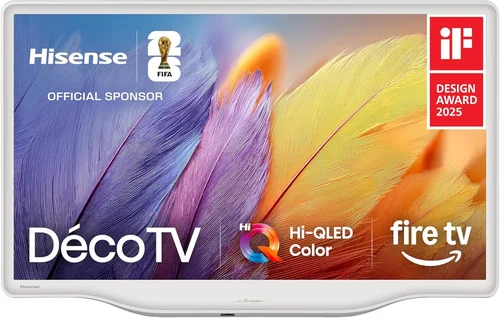
❌ Mistake: Buying a Standard Indoor TV for Outdoor Use
Why it’s bad: Indoor TVs lack weatherproofing, UV protection, and high brightness. Exposure to moisture, dust, or sunlight can cause permanent damage within weeks. Repairs are often impossible, and warranties typically don’t cover outdoor use.
What to do instead: Invest in a TV specifically designed for outdoor environments. Even budget outdoor models offer far better protection and longevity than modified indoor units.
❌ Mistake: Ignoring Brightness Requirements
Why it’s bad: A dim screen turns your outdoor kitchen into a frustrating viewing experience. You’ll squint, adjust seating, or give up entirely—defeating the purpose of having a TV outdoors.
What to do instead: Match brightness to your lighting conditions. Use 700–1,000 nits for shaded areas, 1,500+ nits for partial sun, and 2,000+ nits for full sun exposure.
❌ Mistake: Overlooking Mounting and Installation Needs
Why it’s bad: Improper mounting can lead to unstable setups, cable damage, or even TV falls. DIY errors may void warranties or create safety risks.
What to do instead: Plan your installation in advance. Use weatherproof mounts, secure cable routing, and consult professionals if needed. Measure twice, mount once.
❌ Mistake: Choosing the Wrong Size for Your Space
Why it’s bad: A TV that’s too small feels underwhelming; one that’s too large overwhelms the space and strains your eyes. Both scenarios waste money and reduce enjoyment.
What to do instead: Calculate the ideal size based on viewing distance. Use the 0.84 multiplier rule and test with a tape measure or cardboard mockup.
❌ Mistake: Skimping on Audio
Why it’s bad: Poor sound ruins even the best picture. Wind, ambient noise, and distance make built-in speakers ineffective in outdoor settings.
What to do instead: Pair your TV with outdoor-rated speakers or a soundbar. Consider wireless options for flexibility and ease of setup.
❌ Mistake: Not Checking Warranty Coverage
Why it’s bad: Outdoor TVs face harsher conditions than indoor models. Without proper warranty protection, repairs or replacements can be costly.
What to do instead: Choose brands with comprehensive warranties (3+ years preferred). Verify coverage for weather damage, parts, and labor.
❌ Mistake: Buying Based Solely on Price
Why it’s bad: The cheapest option often sacrifices critical features like brightness, durability, or smart functionality. You may end up replacing it sooner.
What to do instead: Focus on value, not just cost. Compare specs, reviews, and long-term reliability. A mid-range TV with strong performance often outperforms a bargain model.
Budget Guidelines: How Much Should You Spend?
Outdoor TVs span a wide price range, but understanding what you get at each tier helps you allocate your budget wisely. Here’s a realistic breakdown for 2026:
- Entry-Level ($500–$1,200): These are typically indoor TVs housed in basic weatherproof enclosures or budget outdoor models with limited brightness (500–700 nits). Best for covered patios with minimal sun exposure. Expect basic smart features and shorter lifespans. Ideal for occasional use or small spaces.
- Mid-Range ($1,200–$2,500): The sweet spot for most homeowners. These TVs offer 1,000–2,000 nits brightness, IP54/IP55 ratings, 4K HDR, and reliable smart platforms. Brands like Avid Power and select Samsung/LG models fall here. Great for partial sun areas and regular use.
- Premium ($2,500–$4,500): Designed for full outdoor exposure and year-round performance. Features include 2,000+ nits brightness, IP65 ratings, advanced cooling/heating systems, and premium materials. SunBriteTV and Seura dominate this space. Perfect for open-air kitchens and entertainment hubs.
- Luxury ($4,500+): Top-tier commercial-grade displays with extreme durability, 3,000+ nits brightness, and custom installation support. Used in resorts, stadiums, and high-end homes. Overkill for most residential setups but unmatched in reliability.
For most outdoor kitchen owners, the mid-range tier offers the best balance of performance, durability, and affordability. Unless you live in a harsh climate or host frequent gatherings, you likely don’t need luxury-level specs.
Expert Tips for Getting the Best Deal
- Buy During Off-Season: Prices drop in late fall and winter (October–February) when demand is low. Retailers often clear inventory before spring launches.
- Shop Refurbished or Open-Box: Certified refurbished models from reputable sellers (like Best Buy or manufacturer outlets) can save 20–40% with full warranties.
- Bundle with Accessories: Some retailers offer discounts when you buy a TV with a mount, soundbar, or installation service. Compare total costs.
- Check Manufacturer Rebates: Brands like SunBriteTV and Seura occasionally run promotions or trade-in programs. Sign up for newsletters to stay informed.
- Negotiate with Local Installers: If hiring a professional, ask for package deals on TV + installation. They may have access to wholesale pricing.
- Read Return Policies Carefully: Outdoor TVs are often non-returnable due to customization. Ensure you can test the unit before finalizing the purchase.
- Consider Energy Efficiency: Higher brightness consumes more power. Look for ENERGY STAR-certified models to reduce long-term electricity costs.
- Test in Person if Possible: Visit a showroom to evaluate brightness, color accuracy, and interface usability. Online specs don’t always reflect real-world performance.

Frequently Asked Questions
Q: Can I use a regular TV outdoors if I cover it?
A: Technically yes, but it’s risky and not recommended. Even with a cover, condensation, heat buildup, and UV exposure can damage internal components. A purpose-built outdoor TV is far safer and more reliable.
Q: Do outdoor TVs need special power outlets?
A: No, most outdoor TVs use standard 120V outlets. However, ensure the outlet is GFCI-protected and weatherproofed to prevent electrical hazards.
Q: How long do outdoor TVs last?
A: With proper care, high-quality outdoor TVs can last 7–10 years or more. Cheaper models may fail within 3–5 years due to material degradation.
Q: Can I leave my outdoor TV on all the time?
A: Most outdoor TVs are designed for continuous use, but it’s best to turn them off when not in use to extend lifespan and save energy.
Q: Are outdoor TVs safe in thunderstorms?
A: Yes, as long as they’re properly grounded and installed. However, unplug during severe storms to avoid power surge damage.
Q: Do I need a separate antenna for outdoor use?
A: Not necessarily. Many outdoor TVs include built-in tuners and support streaming. For over-the-air channels, a weatherproof antenna may be needed.
Q: Can I mount an outdoor TV on a pole?
A: Yes, with a compatible outdoor pole mount. Ensure the pole is anchored securely and rated for the TV’s weight and wind load.
Q: Are outdoor TVs compatible with voice assistants?
A: Most smart outdoor TVs support Google Assistant, Alexa, or Siri. Check compatibility with your existing smart home system.
Q: What’s the difference between partial sun and full sun models?
A: Partial sun models (1,000–1,500 nits) work well under covered areas. Full sun models (2,000+ nits) are needed for direct, unobstructed sunlight.
Q: Can I use an outdoor TV indoors?
A: Absolutely! Outdoor TVs perform exceptionally well indoors due to their high brightness and robust build. They’re over-engineered but highly capable.
Our Final Recommendations
- Best for Budget-Conscious Buyers: Avid Power 55″ Outdoor TV – Offers 1,200 nits brightness, IP55 rating, and 4K HDR at under $1,500. Great for covered patios.
- Best Overall Value: SunBriteTV Veranda 3 Series 55″ – Combines 1,500 nits brightness, IP55 protection, and Android TV for around $2,200. Ideal for most outdoor kitchens.
- Best Premium Option: Seura Shade 65″ Outdoor TV – Features 2,500 nits, IP65 rating, and Dolby Vision. Priced at $3,800, it’s built for extreme conditions.
- Best for Beginners: Samsung The Terrace 55″ – User-friendly Tizen OS, 1,500 nits, and seamless smart home integration. Around $2,000.
- Best for Advanced Users: Peerless-AV Xtreme 75″ – Commercial-grade durability, 3,000 nits, and modular design. Best for large-scale installations.
Conclusion: Making the Right Choice
Choosing the right outdoor TV for your outdoor kitchen is about more than just picture quality—it’s about creating a space where entertainment, durability, and comfort come together. From brightness and weather resistance to smart features and audio, every detail matters. By prioritizing your specific needs—whether that’s budget, climate, or usage frequency—you can find a TV that enhances your outdoor lifestyle for years to come.
Don’t rush the decision. Take time to compare models, read real user reviews, and consult with experts if needed. Remember, a well-chosen outdoor TV isn’t just a purchase—it’s an investment in your home’s functionality and your family’s enjoyment. With the insights from this guide, you’re now equipped to make a confident, informed choice. So go ahead, upgrade your outdoor kitchen, and start enjoying your favorite shows under the open sky.

