
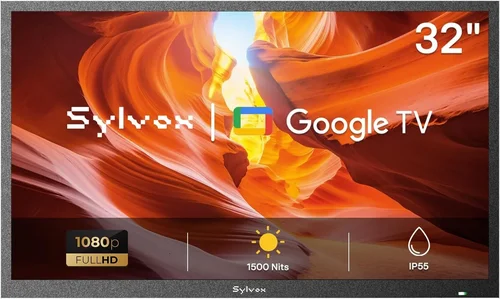
Outdoor living spaces have evolved dramatically over the past decade. What was once just a place for grilling and casual lounging has transformed into fully equipped entertainment zones—complete with sound systems, lighting, and yes, even televisions. Among these upgrades, installing a television in your gazebo has become one of the most popular ways to extend your indoor entertainment experience outdoors. Whether you’re hosting summer barbecues, watching the big game under the stars, or enjoying a quiet evening with a movie, an outdoor TV can elevate your backyard setup significantly.
But here’s the catch: not all TVs are built to withstand the elements. Standard indoor televisions simply aren’t designed to handle direct sunlight, humidity, rain, dust, or temperature fluctuations. That’s why choosing the right outdoor television—especially on a budget—requires careful consideration. The market is flooded with options ranging from fully weatherproof models to indoor TVs marketed as “outdoor-ready” with vague claims. Without proper guidance, it’s easy to overspend on unnecessary features or end up with a unit that fails after just one season.
This comprehensive guide is designed to help you navigate the often-confusing world of budget outdoor televisions for gazebos. We’ll break down everything you need to know—from key performance specs and build quality to smart features and warranty coverage—so you can make a confident, informed decision. Whether you’re working with a tight budget or simply want to get the best value for your money, this guide will walk you through the entire process, including common pitfalls to avoid, expert shopping tips, and real-world recommendations based on current 2026 models. By the end, you’ll know exactly what to look for and how to stretch your dollars without sacrificing durability or picture quality.

What to Look for When Buying Buying Guide
1. Budget & Price Range
Setting a realistic budget is the first and most critical step in your outdoor TV purchase. Unlike indoor TVs, which can start as low as $200 for basic models, outdoor televisions come at a premium due to their specialized construction. For gazebo use—where the TV may be partially shielded from direct rain but still exposed to sun, wind, and temperature swings—you’ll want to aim for a true outdoor-rated model rather than a repurposed indoor screen.
In 2026, budget-friendly outdoor TVs typically range from $800 to $1,500 for 55-inch models. While it’s tempting to go cheaper, anything under $600 is likely an indoor TV with minimal weatherproofing, which could lead to premature failure. On the other hand, spending over $2,000 usually gets you commercial-grade durability meant for full-exposure installations like patios without roofs. For a gazebo—which offers partial protection—you don’t need that level of ruggedness, so staying within the $800–$1,500 range strikes the best balance between cost and capability.
When evaluating price, consider total cost of ownership. A slightly more expensive TV with better ingress protection (IP rating) and a longer warranty may save you money in the long run by avoiding replacement costs. Also, factor in mounting hardware, cables, and potential installation fees if you’re not DIY-savvy.
2. Performance Specifications
Picture quality matters just as much outdoors as it does indoors—but achieving it in bright daylight presents unique challenges. Brightness is paramount: look for a minimum of 700 nits, though 1,000 nits or higher is ideal for sunny gazebos. Many budget outdoor TVs now feature anti-glare coatings and high-brightness LED backlighting specifically tuned for outdoor visibility. Avoid models that rely solely on software-based “outdoor mode” settings; these often just boost contrast artificially and don’t improve actual luminance.
Resolution should be at least Full HD (1080p), but 4K UHD is becoming standard even in budget outdoor models. While 4K content may seem overkill for casual viewing, it future-proofs your investment and enhances detail when streaming high-quality sports or nature documentaries. Refresh rate is another consideration—60Hz is sufficient for most users, but if you plan to watch fast-action sports or play video games, look for 120Hz support.
Color accuracy and contrast ratio also play roles, though they’re less critical in bright environments where blacks appear washed out regardless. Still, a TV with good local dimming or high dynamic range (HDR10 or Dolby Vision) will deliver richer visuals during shaded or evening viewing. Audio performance is often overlooked, but built-in speakers on outdoor TVs tend to be underpowered. Plan to pair your TV with external weatherproof speakers or a soundbar for a complete experience.
3. Build Quality & Durability
This is where budget outdoor TVs truly differentiate themselves from indoor models. The enclosure must protect internal components from moisture, dust, extreme temperatures, and UV exposure. Look for an IP55 or higher rating—this means the TV is protected against low-pressure water jets and limited dust ingress. Some manufacturers use proprietary sealing methods beyond standard IP ratings, so check for terms like “fully sealed chassis” or “condensation-resistant circuitry.”
Materials matter too. Aluminum or powder-coated steel housings resist rust and corrosion better than plastic. Avoid TVs with exposed vents or unsealed ports, as these can allow moisture to seep in during humid conditions. Internal components should be rated for operation between -22°F and 122°F (-30°C to 50°C), which covers most North American climates. If you live in an area with harsh winters or intense summer heat, verify the operating temperature range before buying.
Mounting hardware should also be included or readily available. Many budget outdoor TVs come with VESA-compatible backs for standard wall or ceiling mounts, but ensure the mount itself is rated for outdoor use. A poorly mounted TV can become a liability in high winds or heavy rain.
4. Features & Functionality
Smart capabilities are increasingly common even in budget outdoor TVs. Look for models running Android TV, Roku TV, or webOS, as these platforms offer access to popular streaming services like Netflix, Hulu, Disney+, and YouTube. Built-in Wi-Fi (preferably dual-band 2.4GHz/5GHz) ensures stable connectivity, though for gazebos far from your router, consider a mesh Wi-Fi extender or wired Ethernet via a weatherproof conduit.
HDMI ports are essential—aim for at least two, preferably three, to connect devices like streaming sticks, gaming consoles, or cable boxes. USB ports allow for media playback or firmware updates. Some models include Bluetooth for wireless audio output to headphones or speakers. Voice control via Google Assistant or Alexa is a nice bonus but not critical for outdoor use.
One often-overlooked feature is the remote control. Standard IR remotes struggle in bright sunlight due to interference. Opt for models with RF (radio frequency) remotes or those that support smartphone app control. Better yet, choose a TV compatible with universal smart remotes like Logitech Harmony, which can integrate with your entire outdoor entertainment system.
5. Brand Reputation
Not all brands are created equal when it comes to outdoor electronics. Established names like Samsung, LG, and Sony dominate the indoor market but offer limited true outdoor models—and at premium prices. For budget-conscious buyers, specialized outdoor brands such as SunBriteTV (now part of Sylvane), Seura, and Avid Power provide more affordable alternatives without sacrificing core durability.
Research brand history and customer service reputation. Read user forums and third-party reviews to see how companies handle warranty claims or technical support. A brand that offers responsive customer service and readily available replacement parts is worth paying a little extra for. Avoid obscure brands with no track record or those that sell exclusively through third-party marketplaces without verified seller status.
Also consider regional availability. Some brands only ship within certain countries or require professional installation, which can add hidden costs. Stick with brands that offer direct-to-consumer shipping and clear return policies.
6. Warranty & Support
A solid warranty is your safety net against manufacturing defects or early failure. Most reputable outdoor TV brands offer at least a 2-year limited warranty, with some extending to 3 years. Pay attention to what’s covered: does it include labor, parts, and shipping? Is accidental damage or weather-related failure included? Many warranties exclude “acts of nature,” so read the fine print carefully.
Support channels matter too. Can you reach a human via phone, email, or live chat? Are troubleshooting guides and firmware updates readily available online? Brands with dedicated outdoor support teams tend to resolve issues faster than general consumer electronics departments.
If buying from a third-party retailer, confirm that the warranty remains valid. Some manufacturers void coverage if the product is purchased from unauthorized sellers. Always register your product upon delivery to activate warranty protection.
7. Size & Portability
For most gazebos, a 50- to 65-inch screen offers the ideal balance of visibility and space efficiency. Smaller screens (under 43 inches) may be hard to see from seating areas, while larger ones (70+ inches) can overwhelm the structure and require reinforced mounting. Measure your gazebo’s dimensions and viewing distance—ideally, viewers should sit 1.5 to 2.5 times the screen’s diagonal length away.
Portability isn’t usually a concern for permanent installations, but if you plan to move the TV seasonally (e.g., storing it indoors during winter), consider weight and handle placement. Most outdoor TVs weigh 30–50 lbs, so lifting them alone can be difficult. Some models include integrated handles or optional carrying cases—useful if you’re renting or frequently reconfiguring your space.
Be mindful of bezel size. Thinner bezels provide a more immersive viewing experience and fit better in compact gazebos. However, thicker bezels often house additional weatherproofing gaskets, so there’s a trade-off between aesthetics and protection.
8. User Reviews & Ratings
Never rely solely on manufacturer specs or marketing claims. Real-world user feedback reveals how a TV performs under actual conditions—something lab tests can’t replicate. Focus on reviews from buyers who installed their TVs in similar environments (e.g., covered patios, pergolas, or gazebos). Look for patterns: do multiple users report screen fogging after rain? Does the remote stop working in direct sun?
Pay attention to long-term reviews (6+ months old) to assess durability. A TV that works perfectly for three months may develop issues later due to thermal cycling or seal degradation. Sites like Amazon, Best Buy, and specialized outdoor electronics retailers often feature verified purchase reviews with photos—use these to judge build quality firsthand.
Be cautious of overly positive or negative reviews that lack detail. Genuine feedback usually includes pros, cons, and specific usage scenarios. If a product has consistently low ratings across multiple platforms, it’s likely a red flag—even if the price seems tempting.
Different Types of Buying Guide

Common Buying Mistakes to Avoid
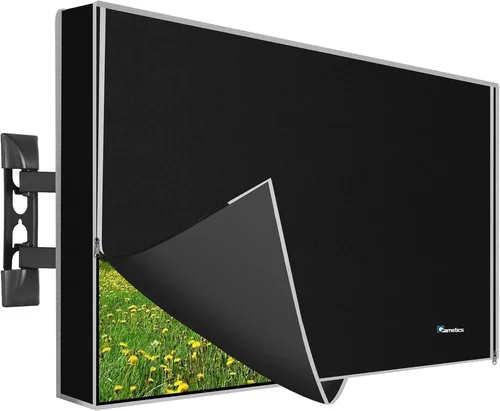
❌ Mistake: Buying an Indoor TV and Assuming It’s “Outdoor-Ready”
Why it’s bad: Many retailers market standard indoor TVs as suitable for outdoor use with vague disclaimers like “can be used in covered areas.” However, these units lack proper sealing, corrosion-resistant components, and UV-protected screens. Even brief exposure to humidity or morning dew can cause internal condensation, leading to circuit damage or screen fogging.
What to do instead: Only purchase TVs explicitly labeled as “outdoor-rated” or “weatherproof” with verified IP ratings. If considering an indoor TV, invest in a certified outdoor enclosure—but remember, this adds cost and complexity.
❌ Mistake: Ignoring Brightness Requirements
Why it’s bad: A TV with only 300–400 nits will appear washed out or nearly invisible in direct sunlight, even in a shaded gazebo. You’ll constantly struggle to see the screen, defeating the purpose of having an outdoor TV.
What to do instead: Prioritize models with at least 700 nits, ideally 1,000+. Check spec sheets carefully—some brands inflate brightness numbers using non-standard measurements.
❌ Mistake: Overlooking Mounting and Installation Needs
Why it’s bad: Outdoor TVs require specialized mounts that can withstand wind loads and provide secure attachment to gazebo beams. Using indoor mounts or improvised solutions risks the TV falling, causing injury or damage.
What to do instead: Purchase a mount rated for outdoor use and your TV’s weight/size. Consult a structural engineer if your gazebo has weak or uneven supports.
❌ Mistake: Skipping the Warranty Check
Why it’s bad: Outdoor electronics fail more often than indoor ones due to environmental stress. Without a solid warranty, you could be stuck with a $1,200 paperweight after one season.
What to do instead: Choose brands with at least a 2-year warranty that covers weather-related issues. Register your product immediately and keep all documentation.
❌ Mistake: Choosing Based Solely on Price
Why it’s bad: The cheapest option often cuts corners on critical components like power supplies, seals, or cooling systems. You may save $200 upfront but spend $800 replacing it next year.
What to do instead: Balance price with verified durability features. Read expert and user reviews to identify true value leaders.
❌ Mistake: Forgetting About Audio
Why it’s bad: Most outdoor TVs have weak built-in speakers that can’t compete with ambient noise like wind, traffic, or chatter.
What to do instead: Budget for weatherproof Bluetooth speakers or a compact outdoor soundbar. Many modern TVs support wireless audio output.
❌ Mistake: Not Planning for Connectivity
Why it’s bad: Weak Wi-Fi signals in your gazebo can cause buffering or disconnections, especially with 4K streaming.
What to do instead: Test your signal strength before buying. Use a Wi-Fi extender or run an Ethernet cable through a conduit if possible.
Budget Guidelines: How Much Should You Spend?
- Entry-Level ($600–$900): These are typically indoor TVs sold with minimal weatherproofing or basic enclosures. Best for fully covered, rarely used gazebos in mild climates. Expect shorter lifespans and limited brightness. Only consider if you’re willing to replace the unit every 2–3 years.
- Mid-Range ($900–$1,500): This is the sweet spot for most gazebo owners. You’ll find true outdoor-rated TVs with IP55+ protection, 700–1,000 nits brightness, 4K resolution, and smart features. Models from brands like Avid Power, Seura, and select SunBriteTV lines offer excellent durability and performance at this tier.
- Premium ($1,500–$2,500): Ideal for high-end gazebos or users who want maximum longevity and performance. These TVs feature reinforced enclosures, advanced thermal management, HDR support, and extended warranties. Often used in luxury homes or commercial settings.
- Luxury ($2,500+): Reserved for fully exposed installations or professional environments. Includes commercial-grade displays with 24/7 operation capability, extreme temperature tolerance, and custom mounting solutions. Overkill for most residential gazebos.
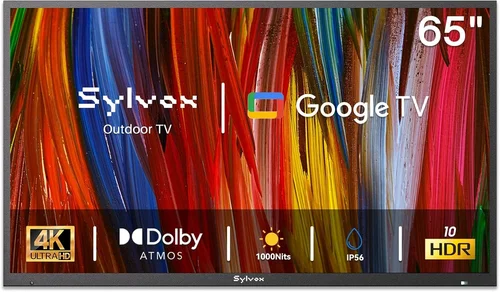
Expert Tips for Getting the Best Deal
- Shop During Off-Season: Outdoor TVs see peak demand in spring and summer. Buy in late fall or winter (November–February) when retailers offer clearance discounts to clear inventory.
- Compare Retailers: Check prices across Amazon, Best Buy, Costco, and specialty outdoor electronics sites like Sylvane or Outdoor TV Direct. Some offer bundle deals with mounts or extended warranties.
- Look for Refurbished Models: Certified refurbished outdoor TVs from reputable sellers often come with full warranties and can save you 20–30% off retail.
- Negotiate Installation: If hiring a pro, ask if they offer package discounts for TV + mount + wiring. Some electricians include basic mounting in service calls.
- Check Return Policies: Ensure you have at least 30 days to test the TV in your actual gazebo environment. Some retailers charge restocking fees for opened electronics.
- Verify Compatibility: Before buying, confirm your streaming devices, sound systems, and power sources are compatible. Use HDMI 2.0 or higher for 4K/HDR.
- Join Loyalty Programs: Stores like Costco and Best Buy offer member-exclusive discounts and extended return windows—worth signing up for even if you only buy once.
- Read the Manual First: Download the user manual online to check setup requirements, maintenance tips, and troubleshooting steps. Some models need periodic seal inspections.

Frequently Asked Questions
Q: Can I use a regular indoor TV in my gazebo?
A: Technically yes—if your gazebo is fully enclosed, climate-controlled, and never exposed to moisture or extreme temperatures. However, even minor humidity can damage internal components over time. For reliable, long-term use, an outdoor-rated TV is strongly recommended.
Q: Do outdoor TVs need special power outlets?
A: No, most outdoor TVs use standard 120V AC power. However, ensure your outlet is GFCI-protected (required by code for outdoor use) and consider a weatherproof outlet cover.
Q: How do I clean my outdoor TV screen?
A: Use a microfiber cloth and distilled water only. Avoid ammonia-based cleaners or paper towels, which can scratch anti-glare coatings. Wipe gently when the TV is off and cool.
Q: Will my outdoor TV work in winter?
A: Yes, if it’s rated for cold temperatures (most are down to -22°F). Allow the TV to acclimate indoors for a few hours before turning it on after extreme cold exposure.
Q: Can I mount my outdoor TV on a gazebo beam?
A: Only if the beam is structurally sound and can support the TV’s weight plus wind load. Use lag bolts rated for outdoor use and consult a contractor if unsure.
Q: Do outdoor TVs come with remotes that work in sunlight?
A: Many now include RF remotes or smartphone app control to avoid IR interference. Check the specs before buying.
Q: How long do outdoor TVs typically last?
A: With proper care, 5–7 years is common. Fully enclosed models in mild climates may last 8+ years.
Q: Are outdoor TVs energy efficient?
A: Modern LED outdoor TVs are quite efficient, typically using 100–200 watts. Look for ENERGY STAR certification if power consumption is a concern.
Q: Can I connect my outdoor TV to my home theater system?
A: Yes, via HDMI ARC, optical audio out, or Bluetooth. Ensure cables are rated for outdoor use if running them externally.
Q: What happens if my outdoor TV gets rained on?
A: If it’s truly outdoor-rated with an IP55+ enclosure, it should be fine. However, avoid direct heavy downpours if your gazebo has open sides. Always follow the manufacturer’s exposure guidelines.
Our Final Recommendations
- Best for Budget-Conscious Buyers: Avid Power 55″ Outdoor TV ($899) – Offers IP55 rating, 1,000 nits brightness, 4K HDR, and Android TV at a compelling price. Great for covered gazebos.
- Best Overall Value: Seura 55″ Shadow Series ($1,299) – Premium build quality, anti-reflective screen, and excellent customer support. A reliable mid-range champion.
- Best Premium Option: SunBriteTV Veranda Series 65″ ($1,899) – Commercial-grade durability with stunning picture quality. Ideal for high-end gazebos or frequent use.
- Best for Beginners: LG 50″ UQ7500 with Outdoor Enclosure Kit ($749 + $199 enclosure) – Familiar smart platform with added protection. Easy setup for first-time buyers.
- Best for Advanced Users: Sony X90L 65″ with Custom Weatherproof Housing ($1,599 + $300 housing) – Top-tier picture processing paired with DIY durability. For tech-savvy enthusiasts who want maximum control.
Conclusion: Making the Right Choice
Choosing a budget outdoor television for your gazebo doesn’t have to be overwhelming—or expensive. By focusing on core factors like weather resistance, brightness, build quality, and smart functionality, you can find a model that delivers reliable performance without breaking the bank. Remember, the goal isn’t to buy the cheapest TV, but the one that offers the best long-term value for your specific environment and usage habits.
Avoid the common pitfalls of underestimating environmental demands or overlooking warranty coverage. Take advantage of seasonal sales, read real user reviews, and don’t hesitate to invest a little more upfront for peace of mind and longevity. Your gazebo is an extension of your home—a place for connection, relaxation, and entertainment. With the right outdoor TV, you’ll create a space that’s not only functional but truly enjoyable year-round.
Now that you’re armed with expert knowledge, it’s time to take action. Measure your space, set your budget, and start comparing models. Whether you’re streaming a sunset movie or catching the championship game al fresco, your perfect outdoor viewing experience is just a smart purchase away.

