
Watching live sports outdoors has become one of the most enjoyable ways to enjoy games with family and friends. Whether it’s a backyard barbecue during the World Cup final, a tailgate party for the big game, or simply enjoying your favorite team under the open sky, having a reliable TV in your garden can transform the experience. However, not all TVs are built to handle outdoor conditions—bright sunlight, humidity, temperature swings, and dust can quickly ruin an indoor model. That’s why choosing the right budget garden TV requires careful consideration. This guide is designed to help you navigate the often-confusing world of outdoor displays without overspending or compromising on quality.
In this comprehensive buying guide, you’ll learn exactly what to look for when selecting an affordable yet durable garden TV for sports viewing. We’ll break down the essential features, explain how different models perform in real-world outdoor settings, and highlight common pitfalls that even savvy shoppers fall into. Whether you’re on a tight budget or simply want to get the best value for your money, we’ll walk you through every step—from understanding technical specs like brightness and weather resistance to knowing when and where to buy for the best deals. By the end, you’ll have the confidence to make a smart, informed decision that delivers years of reliable outdoor entertainment.
The market for outdoor TVs has evolved significantly in recent years. While premium weatherproof models from brands like SunBrite and Seura still dominate the high-end segment, more affordable options have emerged that offer surprisingly robust performance for casual outdoor use. Many consumers now opt for modified indoor TVs paired with protective enclosures, while others choose newer “semi-outdoor” models designed specifically for covered patios, pergolas, or shaded decks. This shift has opened up exciting possibilities for budget-conscious buyers who don’t need military-grade durability but still want a crisp, bright picture during daytime games. With so many choices available—and so much conflicting advice online—this guide cuts through the noise to deliver clear, actionable insights tailored to real-life outdoor sports viewing.

What to Look for When Buying a Budget Garden TV
1. Brightness and Screen Visibility in Sunlight
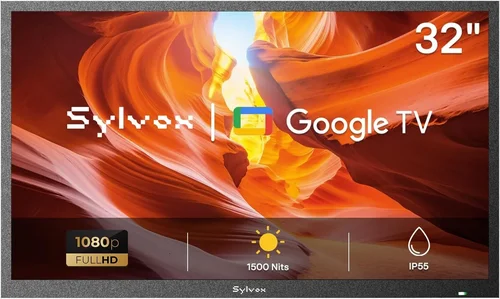
One of the most critical factors for any outdoor TV is screen brightness, measured in nits. Indoor TVs typically range from 250 to 500 nits, which is fine for dimly lit living rooms but completely inadequate for daylight viewing. In direct or even partial sunlight, you’ll need at least 700 nits—and ideally 1,000 nits or more—for a clear, watchable image. Many budget garden TVs now advertise “high brightness” modes, but be sure to check real-world reviews, as some manufacturers inflate these numbers. Anti-glare coatings and matte finishes also help reduce reflections, especially if your seating area faces east or west where morning or afternoon sun hits the screen directly.
For sports fans, visibility during daytime games is non-negotiable. Imagine trying to follow a fast-paced soccer match or a baseball pitch when the screen looks washed out—it’s frustrating and defeats the purpose of being outside. Look for TVs with local dimming or high dynamic range (HDR) support, as these features enhance contrast and make colors pop even in bright conditions. Some budget models now include ambient light sensors that automatically adjust brightness based on surrounding light, which is a handy feature for unpredictable weather. Remember: a dim screen outdoors isn’t just inconvenient—it can strain your eyes and ruin the social atmosphere of your gathering.
2. Weather Resistance and Durability
Even if your garden TV will be placed under a covered patio or pergola, it’s still exposed to humidity, rain splashes, dust, and temperature fluctuations. Standard indoor TVs aren’t built for this—their internal components can corrode or overheat when exposed to moisture or extreme heat. That’s why weather resistance is paramount. At a minimum, look for an IP (Ingress Protection) rating of IP54 or higher. IP54 means the TV is protected against splashing water and limited dust ingress, which is sufficient for most covered outdoor spaces. If you live in a rainy climate or plan to leave the TV outside year-round, consider IP65-rated models, which offer full dust protection and resistance to water jets.
Durability also extends beyond the IP rating. Check the build materials—metal chassis and sealed ports are signs of a rugged design. Some budget-friendly outdoor TVs use powder-coated aluminum frames that resist rust and fading from UV exposure. Avoid plastic-heavy models unless they’re explicitly rated for outdoor use. Also, consider ventilation: overheating is a silent killer of electronics. Ensure the TV has adequate airflow or built-in cooling fans, especially if it’ll be mounted in an enclosed space. A well-ventilated unit will last longer and perform more reliably during long summer game days.
3. Size and Viewing Distance
Choosing the right screen size isn’t just about aesthetics—it directly impacts your viewing experience. For outdoor setups, larger screens are generally better because they compensate for ambient light and allow multiple viewers to see clearly from various angles. A good rule of thumb is to sit at a distance equal to 1.5 to 2.5 times the screen’s diagonal measurement. For example, a 55-inch TV is ideal for seating 6.9 to 11.5 feet away. If your garden seating is farther out—say, 12–15 feet—consider a 65-inch or 75-inch model.
However, size must be balanced with your budget and available space. A massive TV might look impressive, but it could overwhelm a small patio or require costly mounting solutions. Also, remember that larger screens consume more power and may need stronger mounting hardware to withstand wind. Measure your intended location carefully, including clearance for doors, foot traffic, and cable routing. Many budget garden TVs come with slim profiles and lightweight designs, making them easier to install than their bulky indoor counterparts. Don’t forget to account for the bezel (the frame around the screen)—some models have thick bezels that reduce the actual viewable area.
4. Connectivity and Smart Features
Modern sports fans expect more than just antenna input. Your garden TV should support multiple HDMI ports (at least two, preferably three), USB connections for media playback, and ideally, built-in Wi-Fi for streaming apps like YouTube TV, Hulu + Live TV, or ESPN+. Smart TV platforms such as Roku TV, Android TV, or webOS simplify access to live sports channels and on-demand content without needing external devices. This is especially useful if you rely on streaming services for regional games or international tournaments.
Check compatibility with popular streaming sticks (like Fire Stick or Chromecast) if the TV doesn’t have robust smart features built-in. Audio output options matter too—many outdoor TVs have weak built-in speakers, so look for optical audio out or Bluetooth support to connect external soundbars or wireless speakers. For cable or satellite users, ensure the TV has a QAM tuner for unscrambled digital channels. And don’t overlook future-proofing: HDMI 2.1 ports support higher resolutions and refresh rates, which is beneficial if you plan to upgrade to 4K or watch high-frame-rate sports broadcasts.
5. Power Consumption and Energy Efficiency
Outdoor TVs often run for extended periods—during weekend tournaments, playoff series, or all-day events—so energy efficiency matters more than you might think. Look for models with ENERGY STAR certification, which indicates lower power usage without sacrificing performance. LED-backlit LCDs are generally more efficient than older plasma or CCFL models. Some budget garden TVs now include eco modes that dim the screen when no motion is detected, saving electricity during halftime or commercial breaks.
Consider your local electricity costs and how often you’ll use the TV. A slightly more expensive model with better efficiency could pay for itself over a few seasons of frequent use. Also, check if the TV supports scheduled on/off timers—this prevents accidental all-night operation and reduces wear on components. If you’re mounting the TV in a hard-to-reach spot, remote control functionality becomes even more valuable, so ensure the remote is responsive and the TV supports voice assistants like Alexa or Google Assistant for hands-free operation.
6. Mounting Options and Installation Flexibility
How and where you mount your garden TV affects both safety and viewing comfort. Most outdoor TVs are VESA-compatible, meaning they work with standard wall or ceiling mounts. However, outdoor mounts must be rated for weather resistance and capable of supporting the TV’s weight in windy conditions. Tilt and swivel mounts offer flexibility to adjust the angle based on sun position or seating layout—a must-have if your garden has shifting shadows throughout the day.
If you’re installing near a pool, grill, or high-traffic area, consider a ceiling mount or articulated arm that keeps the TV out of harm’s way. Some budget models include built-in mounting brackets, while others require separate purchases. Always use stainless steel or galvanized hardware to prevent rust. Professional installation is recommended for heavy units or complex setups, but many DIY-friendly models can be installed in under an hour with basic tools. Just remember: a poorly mounted TV is a safety hazard, especially in storms or high winds.
7. Brand Reputation and Customer Support
Not all budget TV brands are created equal. Stick with manufacturers known for reliability and responsive customer service—especially important if your TV fails during a crucial game. Brands like Samsung, LG, TCL, and Hisense offer outdoor-compatible models or sell indoor TVs that perform well in mild outdoor environments when properly protected. Avoid obscure brands with no track record or limited warranty coverage.
Read user forums and third-party reviews to gauge long-term reliability. Pay attention to reports of screen burn-in, overheating, or premature failure. A reputable brand may cost slightly more upfront but saves you headaches (and replacement costs) down the line. Also, check if the company offers outdoor-specific support—some provide installation guides, weatherproofing tips, or extended warranties for outdoor use.
8. Warranty and Return Policy
Outdoor electronics are inherently riskier investments due to environmental exposure. A solid warranty can provide peace of mind. Most budget garden TVs come with a 1-year limited warranty, but some brands offer 2–3 years, especially for outdoor-rated models. Look for coverage that includes parts, labor, and on-site service if possible. Be wary of warranties that exclude “outdoor use”—many indoor TV warranties void coverage if used outside, even under cover.
Return policies are equally important. Ideally, you should have at least 30 days to test the TV in your actual outdoor setting. Some retailers offer extended return windows during holiday seasons or major sports events. Keep all packaging until you’re confident the TV performs as expected. If you buy online, choose retailers with hassle-free returns and free return shipping—this minimizes risk if the TV doesn’t meet your needs.
Different Types of Budget Garden TVs
Common Buying Mistakes to Avoid
❌ Mistake: Buying a Standard Indoor TV for Outdoor Use
Why it’s bad: Indoor TVs lack weatherproofing, have lower brightness, and aren’t designed to handle temperature swings. Using one outside—even under cover—can lead to fogging, corrosion, overheating, and voided warranties.
What to do instead: Either invest in a purpose-built outdoor TV or pair a high-brightness indoor model with a certified outdoor enclosure. Never assume “it’ll be fine under the awning.”
❌ Mistake: Ignoring Brightness Specs
Why it’s bad: A dim screen turns your garden into a guessing game during daylight games. You’ll miss key plays, player numbers, and score updates.
What to do instead: Prioritize TVs with at least 700 nits brightness. Read professional reviews that test real-world visibility—not just manufacturer claims.
❌ Mistake: Overlooking Ventilation Needs
Why it’s bad: Trapped heat accelerates component failure. Many outdoor enclosures block airflow, turning your TV into an oven.
What to do instead: Choose enclosures with built-in fans or passive ventilation. Ensure at least 4–6 inches of clearance around the TV for air circulation.
❌ Mistake: Choosing the Wrong Size for Your Space
Why it’s bad: A too-small screen forces squinting; a too-large one overwhelms the area and strains eyes at close range.
What to do instead: Use the 1.5x–2.5x diagonal rule. Measure your seating distance and test with a tape measure or cardboard mockup before buying.
❌ Mistake: Skimping on Mounting Hardware
Why it’s bad: Cheap mounts rust, bend, or fail in wind, risking damage to your TV and anyone below.
What to do instead: Buy marine-grade or outdoor-rated mounts with stainless steel bolts. When in doubt, hire a professional installer.
❌ Mistake: Forgetting About Audio
Why it’s bad: Most outdoor TVs have tinny, quiet speakers drowned out by ambient noise (birds, traffic, chatter).
What to do instead: Plan for external audio—wireless speakers, soundbars, or outdoor audio systems. Bluetooth pairing is ideal for syncing with the TV.
❌ Mistake: Not Checking Return Policies
Why it’s bad: Outdoor performance varies by location. A TV that looks great in a showroom may fail in your specific garden conditions.
What to do instead: Only buy from retailers with generous return windows (30+ days) and free return shipping. Test during both day and night.
Budget Guidelines: How Much Should You Spend?
Entry-Level ($300–$600): This tier includes portable displays, basic indoor TVs with enclosures, or refurbished semi-outdoor models. Expect 40–50 inch screens, 500–700 nits brightness, and limited smart features. Best for occasional use in fully covered areas with minimal sun exposure. Ideal for tailgating or small patios.
Mid-Range ($600–$1,200): The sweet spot for most buyers. You’ll find 55–65 inch TVs with 700–1,000 nits brightness, IP54+ ratings, and solid smart platforms (Roku, Android TV). Many include ambient light sensors and decent audio outputs. Perfect for regular sports viewing under pergolas or screened porches.
Premium ($1,200–$2,000): Designed for serious outdoor enthusiasts. These models offer 1,000+ nits, IP65 weather resistance, advanced cooling, and premium materials. Often include voice control, multi-zone audio, and extended warranties. Great for open decks or poolside setups.
Luxury ($2,000+): Top-tier outdoor TVs from SunBrite, Seura, or Samsung The Terrace. Features include 2,000+ nits brightness, anti-reflective coatings, all-weather construction, and professional installation support. Built for year-round use in any climate—ideal for luxury homes or commercial venues.
Expert Tips for Getting the Best Deal
1. Time Your Purchase Around Major Sales Events: Look for discounts during Black Friday, Cyber Monday, Amazon Prime Day, and post-super bowl clearance sales. Many retailers slash prices on outdoor electronics in late winter as demand drops.
2. Buy Direct from Manufacturer Outlets: Samsung, LG, and TCL often sell refurbished or overstock outdoor-compatible models at 20–40% off retail—with full warranties.
3. Consider Last Year’s Models: New TV releases happen in spring. Buying previous-generation models in summer can save hundreds without sacrificing core features.
4. Bundle with Accessories: Some retailers offer free mounts, cables, or streaming sticks with TV purchases. Compare total package value, not just the TV price.
5. Use Price Tracking Tools: Set alerts on CamelCamelCamel (for Amazon) or Honey to notify you when prices drop on your desired model.
6. Check Local Classifieds and Facebook Marketplace: Gently used outdoor TVs from homeowners upgrading their systems can be excellent deals—just verify functionality and warranty status.
7. Negotiate with Brick-and-Mortar Stores: Electronics retailers often match online prices or throw in free installation if you ask politely.
8. Read the Fine Print on Warranties: Ensure outdoor use is covered. Some brands require registration within 30 days to activate extended protection.

Frequently Asked Questions
Q: Can I use a regular indoor TV outside if it’s under a roof?
A: Technically yes, but it’s risky. Indoor TVs aren’t built for humidity, temperature changes, or dust. Even under cover, condensation can form inside the screen, and components may overheat. For reliable, long-term use, choose an outdoor-rated model or use a certified enclosure.
Q: Do I need a special antenna for outdoor TV?
A: Not necessarily. Most modern TVs have built-in digital tuners that work with standard indoor or outdoor antennas. If you’re far from broadcast towers, consider an amplified outdoor antenna mounted higher up (e.g., on a pole or roof).
Q: How do I protect my garden TV from theft?
A: Use security cables, tamper-proof mounting hardware, or install the TV in a locked cabinet. Motion-sensor lights and security cameras also deter thieves. Some smart TVs offer remote disable features if stolen.
Q: Will rain damage my outdoor TV even with an IP rating?
A: IP ratings indicate resistance, not invincibility. IP54 handles splashes; IP65 handles jets. Avoid direct downpours. Always tilt the screen slightly downward so water runs off.
Q: Can I leave my garden TV on all day during a tournament?
A: Yes, but ensure proper ventilation and use energy-saving modes. Modern LED TVs are efficient, but prolonged use generates heat. Take breaks during long events to extend lifespan.
Q: What’s the difference between “outdoor” and “all-weather” TVs?
A: “Outdoor” usually means designed for covered areas with moderate protection. “All-weather” implies full exposure capability (IP65+, extreme temp tolerance). Know your environment before choosing.
Q: Do outdoor TVs come with remotes that work in bright light?
A: Most standard IR remotes struggle in direct sun. Look for models with RF (radio frequency) remotes or Bluetooth connectivity, which aren’t affected by light. Alternatively, use a smartphone app.
Q: How often should I clean my outdoor TV screen?
A: Wipe gently with a microfiber cloth weekly. Avoid ammonia-based cleaners. For stubborn grime, use distilled water or a screen-safe solution. Never spray liquid directly on the screen.
Q: Can I connect gaming consoles to my garden TV?
A: Absolutely! Most outdoor-compatible TVs have HDMI 2.0 or 2.1 ports supporting 4K/60Hz, ideal for PS5, Xbox Series X, or Nintendo Switch. Just ensure low input lag for responsive gameplay.
Q: Is it worth investing in a soundbar for outdoor use?
A: Yes. Built-in TV speakers are rarely loud or clear enough for outdoor environments. A weather-resistant soundbar or wireless speaker system dramatically improves audio quality for commentary, crowd noise, and music.
Our Final Recommendations
Best for Budget-Conscious Buyers: TCL 55S550G (55”) – A 4K QLED with 800 nits brightness, Roku TV, and IP54-like durability when used with a basic enclosure. Priced under $600, it delivers exceptional value for covered patios.
Best Overall Value: Hisense 65A7H Outdoor Edition – Specifically designed for semi-outdoor use, this 65-inch model boasts 1,000 nits brightness, Dolby Vision, and a sleek, weather-resistant chassis. At $899, it balances performance, durability, and price.
Best Premium Option: Samsung The Terrace Partial Sun 65” – With 1,500 nits brightness, anti-reflective coating, and IP55 rating, this TV handles partial sun with ease. Built-in Alexa and robust cooling make it perfect for serious sports fans.
Best for Beginners: Insignia F30 Series (50”) + Outdoor Enclosure Kit – A simple, affordable indoor TV paired with a vented, UV-resistant enclosure. Easy to set up and ideal for first-time outdoor TV owners.
Best for Advanced Users: SunBrite Veranda 3 Series 75” – Fully weatherproof, 2,000+ nits, and designed for direct sun exposure. Includes professional mounting and 3-year warranty. For those who want zero compromises.
Conclusion: Making the Right Choice
Choosing a budget garden TV for outdoor sports watching doesn’t have to be overwhelming—or expensive. By focusing on key factors like brightness, weather resistance, size, and smart features, you can find a model that delivers crisp, reliable performance without breaking the bank. Remember, the goal isn’t to buy the cheapest TV, but the one that best matches your specific outdoor environment, usage habits, and viewing preferences.
Avoid common pitfalls like using indoor TVs unprotected or ignoring ventilation needs. Instead, prioritize durability, visibility, and ease of use. Take advantage of seasonal sales, read real user reviews, and don’t hesitate to invest a little more for peace of mind and longevity. Your garden deserves a TV that enhances every game day, barbecue, and gathering—not one that leaves you squinting at a washed-out screen.
Ultimately, the right budget garden TV will become the heart of your outdoor entertainment space. Whether you’re cheering for your hometown team or hosting friends for the championship, a well-chosen display ensures you never miss a moment. So measure your space, assess your needs, and make a decision that brings joy—not frustration—to your outdoor living. Happy watching!

