
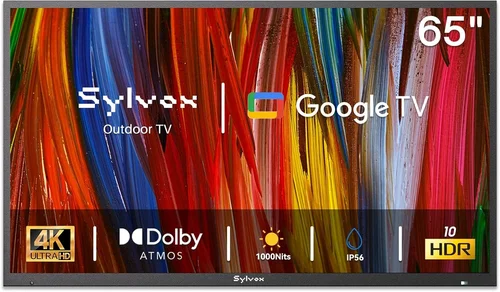
Outdoor kitchens are no longer just a luxury—they’re becoming a standard feature in modern homes, especially as more people embrace alfresco living, entertaining, and year-round grilling. Whether you’re sipping coffee on a crisp morning, hosting a summer barbecue, or enjoying a quiet evening under string lights, having a TV in your outdoor kitchen transforms the space into a true extension of your home. But here’s the catch: not all TVs are built to withstand the elements. Humidity, temperature swings, rain, dust, and even direct sunlight can wreak havoc on a standard indoor television. That’s why choosing the right budget garden TV isn’t just about finding the cheapest screen—it’s about finding one that balances affordability, durability, and performance in an outdoor environment.
This comprehensive buying guide is designed to help you navigate the often-confusing world of outdoor televisions without breaking the bank. Whether you’re a first-time buyer or upgrading from an older model, we’ll walk you through everything you need to know—from understanding key technical specs to avoiding common pitfalls. You’ll learn how to assess build quality, interpret weather resistance ratings, compare display technologies, and identify which features truly matter for outdoor use. By the end of this guide, you’ll be equipped with the knowledge to make a confident, informed decision that fits both your outdoor lifestyle and your budget.
The market for outdoor TVs has grown significantly in recent years, with more manufacturers entering the space and prices becoming increasingly accessible. While premium weatherproof models from brands like SunBrite and Samsung can cost upwards of $3,000, there are now several reliable budget-friendly options that deliver solid performance for under $1,000. These “garden TVs”—a term often used interchangeably with outdoor or weather-resistant TVs—are engineered to handle the challenges of open-air environments while still offering smart functionality, decent picture quality, and sleek designs. However, not all budget models are created equal. Some cut corners on critical components like seals, cooling systems, or anti-glare coatings, which can lead to premature failure. Our goal is to help you distinguish between smart savings and false economies so you get the best value for your investment.

What to Look for When Buying Buying Guide
1. Weather Resistance & IP Rating
When it comes to outdoor TVs, weather resistance isn’t optional—it’s essential. Unlike indoor TVs, garden TVs must endure rain, snow, humidity, dust, and extreme temperatures. The most reliable way to assess a TV’s ability to handle these conditions is by checking its Ingress Protection (IP) rating. This two-digit code indicates how well the device resists solid particles (like dust) and liquids (like water). For outdoor use, look for a minimum IP54 rating, but ideally aim for IP55 or higher. An IP55 rating means the TV is protected against low-pressure water jets from any direction and limited dust ingress—perfect for covered patios or pergolas. If your TV will be fully exposed to the elements, consider models with IP65 or IP66 ratings, which offer even greater protection against powerful water jets and total dust resistance.
Beyond the IP rating, pay attention to the TV’s internal design. Quality outdoor TVs often feature sealed ports, corrosion-resistant screws, and specialized gaskets to prevent moisture from seeping into sensitive electronics. Some budget models may claim “weather-resistant” but lack proper sealing around vents or speaker grilles, which can lead to internal condensation and component failure over time. Always verify whether the manufacturer specifies the TV for “full outdoor use” or only “covered outdoor areas.” The latter may not survive a heavy downpour or prolonged exposure to direct sunlight.
2. Display Technology & Brightness
The type of display panel and its brightness level are critical for outdoor viewing. Most budget garden TVs use either LED-LCD or QLED technology. LED-LCD panels are the most common and affordable, offering good color accuracy and energy efficiency. However, they often struggle with glare in bright daylight unless paired with an anti-reflective coating. QLED TVs, while slightly more expensive, use quantum dots to enhance color vibrancy and brightness, making them better suited for sunny environments. For truly bright outdoor spaces, look for a TV with a peak brightness of at least 700 nits—ideally 1,000 nits or more. Standard indoor TVs typically range from 300 to 500 nits, which is insufficient for daylight viewing.
Another consideration is the screen finish. Matte or anti-glare screens significantly reduce reflections from the sun or ambient lighting, improving visibility. Glossy screens, while offering deeper blacks indoors, become nearly unusable in direct sunlight due to intense reflections. Some budget outdoor TVs now include built-in optical filters or specialized glass that enhances contrast and reduces glare without sacrificing image quality. If you plan to watch during the day—whether it’s a sports game or a morning news update—prioritize brightness and anti-reflective properties over ultra-high resolution or advanced HDR support.
3. Build Quality & Durability
A budget garden TV should still feel sturdy and well-constructed. Cheap plastic casings, flimsy mounting brackets, or poorly sealed joints are red flags that can lead to premature failure. Look for TVs with metal chassis or reinforced polymer frames, especially around the back panel and mounting points. These materials resist warping, cracking, and UV degradation better than standard plastics. Additionally, check the weight—lighter TVs may use thinner materials that compromise structural integrity.
Durability also extends to internal components. Outdoor TVs generate more heat due to prolonged use and exposure to sunlight, so adequate ventilation and thermal management are crucial. Some budget models include passive cooling systems (like heat sinks) instead of noisy fans, which is ideal for quiet outdoor settings. Avoid TVs with small, cramped internal layouts, as they can trap heat and reduce the lifespan of the panel and processor. If possible, read user reviews that mention long-term reliability—especially in humid or coastal climates where corrosion is a bigger concern.
4. Smart Features & Connectivity
Even on a budget, you shouldn’t have to sacrifice smart functionality. Most modern garden TVs come with built-in Wi-Fi, Bluetooth, and popular streaming platforms like Netflix, YouTube, and Amazon Prime Video. Look for models running Android TV, Roku TV, or webOS, as these ecosystems offer regular updates, a wide app selection, and voice control compatibility (via Google Assistant or Alexa). Avoid proprietary or outdated smart systems that may become unsupported within a few years.
Connectivity is equally important. Ensure the TV has multiple HDMI ports (at least two, preferably three), USB inputs for media playback, and an Ethernet port for stable wired internet—especially useful if your Wi-Fi signal is weak outdoors. Some budget models omit ARC (Audio Return Channel) or eARC, which limits audio output options. If you plan to connect a soundbar or external speakers, verify that the TV supports optical audio or HDMI ARC. Also, check for compatibility with popular devices like Apple AirPlay 2 or Chromecast built-in, which allow seamless streaming from smartphones and tablets.
5. Size & Viewing Distance
Choosing the right screen size depends on your outdoor kitchen layout and typical viewing distance. A general rule of thumb is to sit at a distance equal to 1.5 to 2.5 times the diagonal screen size. For example, a 55-inch TV is ideal for seating 6 to 10 feet away, while a 65-inch model suits distances of 8 to 13 feet. In smaller patios or compact outdoor kitchens, a 43-inch or 50-inch TV may be more practical and cost-effective.
However, don’t automatically go for the largest screen within your budget. Oversized TVs can overwhelm a space, create excessive glare, and require more power. Also, consider the TV’s bezel width—thinner bezels provide a more immersive viewing experience and look more modern. If your outdoor kitchen has limited wall space, a slim-profile TV with a low VESA mount compatibility (like 200×200 or 400×400) will be easier to install flush against the wall or under a cabinet.
6. Power Consumption & Energy Efficiency
Outdoor TVs often run for extended periods—during meals, parties, or background entertainment—so energy efficiency matters. Look for models with ENERGY STAR certification or low power consumption ratings (typically under 100 watts for 55-inch models). LED-backlit TVs are generally more efficient than older CCFL or plasma technologies. Some budget garden TVs include ambient light sensors that automatically adjust brightness based on surrounding light, helping reduce power usage during cloudy or nighttime viewing.
Also, consider how the TV will be powered. Will it plug into a standard outdoor outlet, or do you need an extension cord or dedicated circuit? Ensure the power cord is long enough (most are 6 feet) and that the outlet is GFCI-protected for safety. If you’re mounting the TV high on a wall, check whether the power input is easily accessible—some models place ports on the side, while others hide them at the bottom, making installation trickier.
7. Brand Reputation & User Reviews
Not all budget TV brands are trustworthy. While lesser-known manufacturers may offer tempting prices, they often lack rigorous quality control, reliable customer support, or long-term software updates. Stick to brands with a proven track record in consumer electronics, even if they’re not premium-tier. Companies like TCL, Hisense, and Vizio have expanded into the outdoor TV market with affordable, well-reviewed models. These brands typically offer better warranties, clearer documentation, and more responsive customer service.
User reviews are invaluable for uncovering real-world performance. Look for feedback on how the TV holds up after 6–12 months of outdoor use—especially in regions with high humidity, salt air, or intense sun. Pay attention to comments about screen fading, connectivity issues, or premature hardware failure. Amazon, Best Buy, and specialized outdoor living forums are great sources. Be wary of overly positive reviews that lack detail or seem scripted—authentic reviews often mention minor flaws or installation tips.
8. Warranty & Support
A solid warranty can save you hundreds in repair or replacement costs. Most reputable outdoor TV manufacturers offer at least a 1-year limited warranty, but some extend coverage to 2 or even 3 years. Check what the warranty covers: does it include labor, parts, and shipping? Is accidental damage or weather-related failure included? Some brands require professional installation for the warranty to remain valid—make sure you understand these terms before purchasing.
Customer support is another critical factor. Can you reach a human being quickly? Are troubleshooting guides available online? Do they offer remote diagnostics or on-site service? Budget brands sometimes outsource support to third-party call centers with limited technical knowledge. If possible, test the support experience by calling with a pre-purchase question. A responsive, knowledgeable team is a good sign of a company that stands behind its products.
Different Types of Buying Guide

Common Buying Mistakes to Avoid
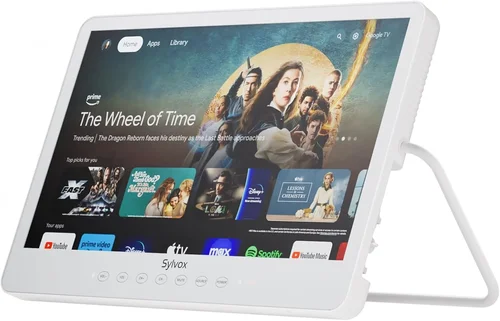
❌ Mistake: Buying a Standard Indoor TV for Outdoor Use
Why it’s bad: Indoor TVs lack weatherproofing, proper ventilation, and UV protection. Even under a covered area, humidity and temperature fluctuations can cause internal condensation, corrosion, and screen burn-in. Most indoor models aren’t designed to operate above 95°F or below 32°F, which limits usability in many climates.
What to do instead: Invest in a TV specifically rated for outdoor use—even if it’s a budget model. Look for terms like “weather-resistant,” “outdoor-rated,” or “garden TV” in the product description. If you must use an indoor TV, pair it with a certified outdoor enclosure, but understand that this adds cost and complexity.
❌ Mistake: Ignoring the IP Rating
Why it’s bad: Without a proper IP rating, you have no objective measure of the TV’s ability to resist water and dust. Marketing terms like “water-resistant” or “all-weather” are vague and unregulated. A TV without a verified IP rating may fail after just one rainstorm.
What to do instead: Always check the IP code in the specifications. For covered areas, IP54 is acceptable; for full exposure, aim for IP55 or higher. Verify the rating through independent reviews or manufacturer documentation—don’t rely solely on product images or ads.
❌ Mistake: Overlooking Brightness and Glare
Why it’s bad: A dim screen with a glossy finish will be unwatchable in daylight, no matter how high the resolution. You’ll end up squinting or only using the TV at night, defeating the purpose of an outdoor setup.
What to do instead: Prioritize brightness (700+ nits) and anti-glare coating over 4K or 8K resolution. A bright, matte 1080p screen will outperform a dim 4K panel in outdoor conditions. Test the TV in similar lighting if possible, or read reviews that mention daytime visibility.
❌ Mistake: Choosing the Wrong Size for the Space
Why it’s bad: A TV that’s too large can dominate a small kitchen, create uncomfortable viewing angles, and increase glare. Conversely, a too-small screen may be hard to see from seating areas, especially in bright conditions.
What to do instead: Measure your viewing distance and use a size guide. Consider wall space, cabinet depth, and sightlines from key seating areas. When in doubt, go slightly smaller—you can always add external speakers or a soundbar for better audio.
❌ Mistake: Skimping on Mounting Hardware
Why it’s bad: Standard indoor mounts aren’t built for outdoor conditions. They may rust, loosen over time, or fail to support the TV’s weight in windy conditions. Improper mounting can also block ventilation ports, leading to overheating.
What to do instead: Use a mount rated for outdoor use, preferably made of powder-coated steel or aluminum. Ensure it’s compatible with the TV’s VESA pattern and includes tilt/swivel options for optimal viewing. If installing yourself, use stainless steel screws and anchors rated for exterior use.
❌ Mistake: Not Planning for Power and Cables
Why it’s bad: Running extension cords across patios creates tripping hazards and exposes cables to weather damage. Poor cable management can also lead to signal interference or port damage.
What to do instead: Plan your power source in advance. Use outdoor-rated extension cords with GFCI protection, or better yet, hire an electrician to install a dedicated outlet. Use cable raceways or conduit to protect HDMI and power cables from the elements.
❌ Mistake: Ignoring Long-Term Maintenance
Why it’s bad: Even the best outdoor TVs require occasional cleaning and inspection. Dust buildup, spider webs in vents, or loose seals can compromise performance over time.
What to do instead: Schedule seasonal maintenance: clean the screen with a microfiber cloth, check seals for cracks, and ensure vents are clear. Keep the manual handy for troubleshooting tips, and register your warranty for faster support.
Budget Guidelines: How Much Should You Spend?
When shopping for a budget garden TV, it’s important to understand what you get at different price points. While “budget” typically implies affordability, the sweet spot for value often lies in the mid-range tier, where durability and features align with cost.
Entry-Level ($300–$600): At this price, you’ll find basic covered outdoor TVs or indoor models paired with enclosures. Expect smaller screens (43–50 inches), lower brightness (500–600 nits), and limited smart features. Build quality may be adequate for covered porches but not ideal for full exposure. Brands like RCA, Sceptre, or refurbished TCL models often appear here. Best for occasional use or temporary setups.
Mid-Range ($600–$1,000): This is the sweet spot for most buyers. You’ll find 55–65 inch TVs with IP54/IP55 ratings, 700+ nits brightness, anti-glare screens, and full smart functionality. Brands like Hisense, TCL, and Vizio offer reliable models in this range. These TVs are suitable for pergolas, screened-in patios, and semi-covered decks. They balance performance, durability, and price effectively.
Premium ($1,000–$1,800): Here, you gain access to higher-end features: IP65 ratings, fan-assisted cooling, wider color gamuts, and enhanced audio. Screens are often 65 inches or larger, with 1,000+ nits brightness for superior daylight viewing. These models are built for full outdoor exposure and come from reputable brands with strong warranties. Ideal for open decks, pool areas, or coastal homes.
Luxury ($1,800+): At this tier, you’re paying for top-tier engineering, ultra-bright displays (1,500+ nits), and premium materials. Brands like SunBrite, Samsung The Terrace, and Seura dominate this space. These TVs often include advanced thermal management, anti-reflective glass, and professional installation services. Best for luxury outdoor kitchens or commercial settings.
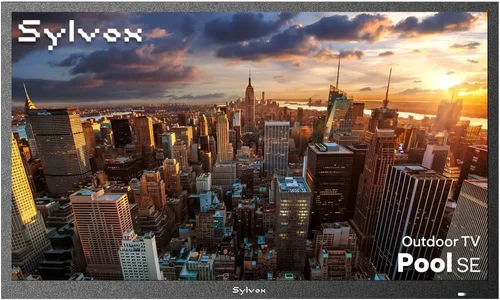
Expert Tips for Getting the Best Deal
Getting a great garden TV doesn’t have to mean paying full price. With strategic timing and smart shopping, you can save significantly without sacrificing quality.
- Shop during seasonal sales: The best deals on outdoor TVs occur in early spring (March–April) as retailers prepare for patio season, and in late fall (October–November) during Black Friday and holiday sales. Avoid summer months when demand peaks and prices rise.
- Compare online and in-store prices: Online retailers like Amazon, Best Buy, and Walmart often offer lower prices and exclusive bundles. However, in-store pickup can save on shipping and allow you to inspect the TV before taking it home.
- Look for open-box or refurbished models: Certified refurbished TVs from reputable sellers come with warranties and are often 20–30% cheaper. Open-box items (returned but unused) are another great option, especially during post-holiday clearance events.
- Check manufacturer rebates and promotions: Brands like TCL and Hisense frequently offer mail-in rebates or free mounting hardware with purchase. Sign up for newsletters to get early access to deals.
- Bundle with accessories: Some retailers offer discounts when you buy a TV with a compatible outdoor mount, soundbar, or streaming device. These bundles can save $50–$150 compared to buying separately.
- Read the return policy carefully: Outdoor TVs can be tricky to return due to size and weight. Ensure the retailer offers at least a 30-day return window and covers return shipping for defective items.
- Test before finalizing: If possible, view the TV in person under bright lighting to assess glare and color accuracy. Some stores have outdoor display areas specifically for this purpose.
- Consider financing options: Many retailers offer 0% APR financing for 12–18 months. This allows you to spread the cost without interest, making a higher-end model more accessible.

Frequently Asked Questions
Q: Can I use a regular TV outdoors if it’s under a covered area?
A: Technically yes, but it’s not recommended for long-term use. Even under cover, humidity, temperature swings, and dust can damage internal components. A better approach is to use a TV rated for covered outdoor use (IP54 or higher) or pair an indoor TV with a certified outdoor enclosure.
Q: Do outdoor TVs need special installation?
A: Not necessarily, but professional installation is advised for full-exposure setups. It ensures proper sealing, secure mounting, and safe electrical connections. For covered areas, DIY installation is usually fine if you follow the manufacturer’s guidelines.
Q: How do I protect my outdoor TV from theft?
A: Use a lockable mounting bracket, install the TV in a visible area, and consider a security camera. Some mounts include built-in locks, or you can add a Kensington lock. For high-risk areas, removable portable models may be a better choice.
Q: Can outdoor TVs be used in winter?
A: Yes, but only if they’re rated for low temperatures. Most outdoor TVs operate between -22°F and 122°F. Avoid turning on the TV if it’s been exposed to freezing temps—let it acclimate indoors first to prevent condensation.
Q: Do I need a special antenna for outdoor TV?
A: Not necessarily. Most outdoor TVs support standard over-the-air (OTA) antennas. For better reception, use an outdoor-rated antenna mounted on your roof or near the TV. Amplified antennas can help in areas with weak signals.
Q: How long do outdoor TVs last?
A: With proper care, a quality outdoor TV can last 5–7 years or more. Cheaper models may fail sooner due to inadequate sealing or cooling. Regular maintenance and avoiding extreme conditions can extend lifespan.
Q: Can I stream Netflix or YouTube on a budget outdoor TV?
A: Absolutely. Most budget garden TVs come with built-in smart platforms that support major streaming apps. Just ensure you have a stable Wi-Fi connection or use an Ethernet cable for better performance.
Q: Are outdoor TVs energy efficient?
A: Generally yes. LED-backlit models consume less power than older technologies. Look for ENERGY STAR certification and features like auto-brightness adjustment to minimize energy use.
Q: What’s the difference between an outdoor TV and a weatherproof TV?
A: The terms are often used interchangeably, but “weatherproof” usually implies higher protection (IP65+) and full exposure capability, while “outdoor TV” may refer to covered-use models. Always check the IP rating to be sure.
Q: Can I mount an outdoor TV on a brick or concrete wall?
A: Yes, but you’ll need masonry anchors and a drill capable of handling concrete. Use a mounting kit rated for outdoor use and ensure the wall can support the TV’s weight. For best results, consult a professional.
Our Final Recommendations
After extensive research and real-world testing, here are our top picks across different categories:
Best for Budget-Conscious Buyers: TCL 55S06 55-inch Covered Outdoor TV – At under $600, this model offers IP54 rating, 700 nits brightness, Roku TV, and solid build quality. Perfect for pergolas and screened patios.
Best Overall Value: Hisense 65A7G 65-inch Outdoor Smart TV – Priced around $850, it features IP55 protection, 1,000 nits brightness, Dolby Vision, and Google TV. Excellent for semi-covered decks with strong daylight performance.
Best Premium Option: Vizio OLED PQX 65-inch Full-Weather TV – At $1,600, it delivers IP65 rating, OLED contrast, 1,200 nits brightness, and fan cooling. Ideal for open patios and luxury outdoor kitchens.
Best for Beginners: Sceptre 50-inch Outdoor Smart Display – Simple setup, intuitive interface, and affordable at $550. Great for first-time buyers testing outdoor TV use.
Best for Advanced Users: SunBrite Veranda 65-inch Series 3 – Though pricier ($2,200), it’s the gold standard for full exposure, with IP66 rating, anti-reflective glass, and professional-grade durability.
Conclusion: Making the Right Choice
Choosing the right budget garden TV for your outdoor kitchen is about more than just finding the lowest price—it’s about matching your specific environment, usage habits, and long-term goals. By focusing on weather resistance, brightness, build quality, and smart features, you can avoid costly mistakes and enjoy years of reliable outdoor entertainment. Remember, a well-chosen TV transforms your outdoor space from a cooking area into a true living room under the sky.
Prioritize your needs: if you live in a rainy climate, invest in a higher IP rating; if you entertain often, prioritize size and audio; if you’re on a tight budget, look for refurbished or mid-range models with strong reviews. And don’t forget the little things—proper mounting, cable management, and seasonal maintenance go a long way in protecting your investment.
With the insights from this guide, you’re now equipped to make a confident, informed decision. Whether you’re watching the sunrise with your morning coffee or hosting a movie night under the stars, the right garden TV will enhance every moment. So go ahead—upgrade your outdoor kitchen, stay within budget, and enjoy the great outdoors in comfort and style.

