
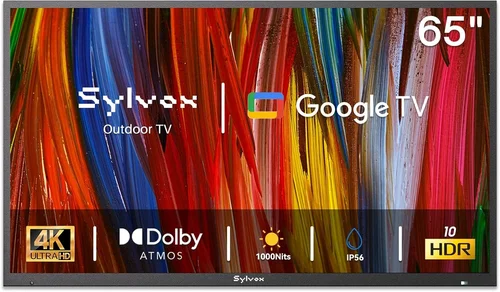
Outdoor living spaces have evolved far beyond simple patios and grills. Today’s homeowners are transforming their decks into full-fledged entertainment zones—complete with outdoor kitchens, sound systems, and yes, even televisions. But not just any TV will do when you’re mounting it above your grill station or near the pool. The elements—sunlight, rain, humidity, dust, and temperature swings—demand a specialized kind of display built to withstand the outdoors. That’s where the outdoor deck TV comes in: a rugged, weather-resistant screen designed specifically for open-air environments.
Choosing the right outdoor TV for your deck isn’t as simple as picking the biggest or cheapest model off the shelf. Unlike indoor TVs, outdoor models must balance performance with durability, visibility in bright conditions, and resistance to environmental damage—all while staying within a reasonable budget. With so many options flooding the market in 2026, from ultra-affordable “weatherproof” displays to high-end commercial-grade units, it’s easy to get overwhelmed. This guide cuts through the noise. Whether you’re building your dream outdoor kitchen or simply want to catch the game while flipping burgers, we’ll walk you through everything you need to know to make a smart, informed purchase.
In this comprehensive buying guide, you’ll learn how to evaluate key factors like weather resistance, screen brightness, connectivity, and long-term reliability—without overspending. We’ll break down the different types of outdoor TVs available, highlight common pitfalls to avoid, and provide expert-backed tips to help you stretch your dollar further. By the end, you’ll have a clear roadmap to find a budget-friendly outdoor deck TV that delivers crisp visuals, survives the seasons, and enhances your outdoor lifestyle for years to come.

What to Look for When Buying Buying Guide
1. Weather Resistance & IP Rating
When it comes to outdoor electronics, weather resistance isn’t optional—it’s essential. Unlike indoor TVs, outdoor models must endure rain, snow, humidity, dust, and even salt air if you live near the coast. The first thing to check is the TV’s Ingress Protection (IP) rating, which indicates how well it resists solids (like dust) and liquids (like water). For outdoor use, look for an IP55 rating or higher. IP55 means the TV is protected against dust (limited ingress) and low-pressure water jets from any direction—perfect for most deck installations.
However, don’t stop at the IP rating. Many budget “outdoor” TVs claim weather resistance but lack proper sealing around ports, vents, or the screen itself. Always verify that the manufacturer specifies outdoor use and includes details about internal components being treated with conformal coating—a protective layer that prevents corrosion from moisture. Also, consider whether the TV is designed for partial or full outdoor exposure. Partial exposure units are ideal for covered decks or pergolas, while full-exposure models can handle direct sunlight and rain.
Another often-overlooked factor is temperature tolerance. Outdoor TVs should operate reliably between -22°F and 122°F (-30°C to 50°C). Cheaper models may shut down in extreme heat or cold, leaving you with a blank screen during summer barbecues or winter gatherings. Always check the operating temperature range in the product specs.
2. Screen Brightness & Anti-Glare Technology
One of the biggest challenges with outdoor viewing is glare from sunlight. Even on a cloudy day, ambient light can wash out an indoor TV’s image. That’s why outdoor TVs need significantly higher brightness levels—measured in nits. For a deck TV, aim for at least 700 nits, but ideally 1,000 nits or more for clear visibility in direct sun. Some premium models now offer 2,500+ nits, rivaling professional digital signage.
Brightness alone isn’t enough. You also need anti-glare or anti-reflective coatings on the screen. These reduce mirror-like reflections that make it hard to see the picture when the sun hits the display at an angle. Look for terms like “anti-glare,” “matte finish,” or “sunlight-readable” in the product description. Some manufacturers use optically bonded glass, which eliminates the air gap between the LCD panel and the outer glass, further reducing reflections and improving clarity.
Additionally, consider the TV’s viewing angle. Outdoor seating often means people are watching from the side or at an angle. A wide viewing angle (178 degrees or more) ensures the image stays bright and colorful even when viewed off-center. OLED panels typically offer superior viewing angles, but many budget-friendly outdoor TVs use high-brightness IPS LCD panels, which also perform well in this regard.
3. Build Quality & Durability
A budget outdoor TV doesn’t have to feel cheap—but it should still feel solid. The chassis should be made of corrosion-resistant materials like powder-coated aluminum or marine-grade stainless steel. Avoid plastic housings, especially on lower-priced models, as they can crack, fade, or degrade under UV exposure over time.
Pay attention to the mounting system. Most outdoor TVs come with a compatible wall mount, but ensure it’s sturdy and rated for outdoor use. Vibration from wind or nearby activity can loosen poorly designed mounts. Also, check if the TV supports VESA mounting standards (e.g., 200×200, 400×400), which gives you flexibility to use third-party mounts if needed.
Internal components matter too. Look for TVs with sealed cooling systems—fans can suck in moisture and dust, leading to premature failure. Passive cooling (fanless designs) is ideal for quiet operation and longevity. Additionally, internal wiring and circuit boards should be protected with moisture-resistant coatings. Some brands even use conformal-coated PCBs, which add an extra layer of defense against humidity and salt spray.
4. Display Technology & Picture Quality
While brightness and durability are critical for outdoor use, you still want a TV that delivers a great picture. In 2026, most budget outdoor TVs use LED-backlit LCD panels, often with HDR support. HDR10 or HLG (Hybrid Log-Gamma) compatibility enhances contrast and color depth, making sports, movies, and nature shows pop even in bright conditions.
Avoid older technologies like plasma or standard LCDs without local dimming. These struggle with black levels and can appear washed out outdoors. Instead, look for models with edge-lit or full-array local dimming (FALD), which improves contrast by adjusting backlight zones. While FALD is more common in premium models, some mid-range outdoor TVs now include it at accessible prices.
Resolution is another key factor. 4K UHD (3840×2160) is the sweet spot for most outdoor setups, offering sharp detail without requiring you to sit too close. For larger decks or longer viewing distances, consider a 55-inch or 65-inch model. Avoid 8K unless you’re planning a commercial installation—there’s little content available, and the cost premium isn’t justified for casual outdoor viewing.
5. Connectivity & Smart Features
Even on a budget, your outdoor TV should offer modern connectivity. Look for at least three HDMI ports (preferably HDMI 2.0 or higher for 4K@60Hz), USB ports for media playback, and an Ethernet port for stable wired internet. Wireless connectivity via Wi-Fi 5 or Wi-Fi 6 is essential for streaming services like Netflix, YouTube, or Apple TV.
Smart TV platforms vary by brand. Samsung’s Tizen, LG’s webOS, and Google TV (used by Sony, TCL, and others) are the most user-friendly and regularly updated. Avoid proprietary or outdated systems that may lack app support or security patches. If you plan to use voice assistants, ensure the TV supports Google Assistant, Alexa, or Siri integration.
For outdoor kitchens, consider models with weatherproof external input boxes. These allow you to run HDMI and USB cables from inside your home to the outdoor TV without exposing ports to the elements. Some brands include these boxes in the package, while others sell them separately—factor this into your total cost.
6. Audio Performance
Most outdoor TVs have slim designs that limit speaker size, resulting in weak or tinny sound. While you can always add external speakers or a soundbar, it’s worth checking the built-in audio specs. Look for at least 10W of total power output (5W per channel) and support for audio codecs like Dolby Digital or DTS.
If you’re mounting the TV near a grill or pool, background noise can drown out dialogue. Some outdoor TVs include dialogue enhancement or night mode features to improve clarity. Alternatively, consider models with optical audio output (TOSLINK) or Bluetooth for wireless speaker pairing.
For larger decks, a dedicated outdoor sound system is recommended. Many homeowners pair their TV with weatherproof speakers mounted under eaves or in planters. Ensure your TV has the necessary audio outputs to support this setup.
7. Brand Reputation & Reliability
Not all outdoor TV brands are created equal. Stick with manufacturers known for quality and customer support. Established names like Samsung, LG, Sony, and SunBriteTV have proven track records in the outdoor display market. Emerging brands like Sylvane, Seura, and Peerless-AV also offer reliable options at competitive prices.
Research customer reviews on trusted platforms like Amazon, Best Buy, or specialty outdoor electronics retailers. Pay attention to comments about long-term durability, customer service responsiveness, and ease of installation. A brand with a strong warranty and responsive support team can save you headaches down the road.
Avoid no-name or generic brands sold through third-party marketplaces. These often lack proper certifications, use subpar components, and disappear when you need help. If a deal seems too good to be true, it probably is.
8. Warranty & Support
Outdoor electronics are an investment, so protect it with a solid warranty. Most reputable brands offer at least a 2-year limited warranty covering defects and workmanship. Some, like SunBriteTV, extend this to 3 or even 5 years for added peace of mind.
Check what the warranty covers: Does it include labor? Are outdoor-specific issues like moisture damage included? Is on-site service available? Also, verify the return policy—many retailers allow 30-day returns for outdoor TVs, but shipping costs can be high due to size and weight.
Customer support matters too. Can you reach a real person quickly? Are installation guides and troubleshooting resources available online? Brands with dedicated outdoor TV support teams tend to resolve issues faster than general consumer electronics support.
Different Types of Buying Guide

Common Buying Mistakes to Avoid
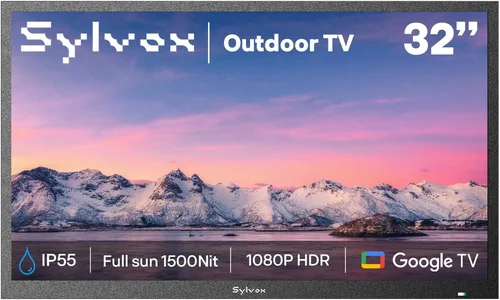
❌ Mistake: Buying a Standard Indoor TV for Outdoor Use
Why it’s bad: Indoor TVs lack weatherproofing, have low brightness, and aren’t built to handle temperature extremes. Mounting one outdoors voids the warranty and risks electrical hazards, corrosion, and screen failure within months.
What to do instead: Invest in a purpose-built outdoor TV or use a certified outdoor enclosure if you must repurpose an indoor model. Never compromise safety or longevity for short-term savings.
❌ Mistake: Ignoring the IP Rating
Why it’s bad: Without a proper IP rating, you can’t be sure the TV will survive rain, dust, or humidity. Many budget models claim “weather-resistant” but lack official certification, leaving you vulnerable to damage.
What to do instead: Always verify the IP rating (aim for IP55 or higher) and check independent reviews or certifications from organizations like UL or ETL.
❌ Mistake: Overlooking Screen Brightness
Why it’s bad: A dim screen (under 500 nits) will be unreadable in daylight, turning your outdoor TV into a decorative mirror. You’ll strain to see the game or movie, defeating the purpose.
What to do instead: Choose a model with at least 700 nits, preferably 1,000+ for sunny decks. Test brightness specs and look for anti-glare coatings.
❌ Mistake: Skimping on Mounting Hardware
Why it’s bad: A flimsy mount can fail in high winds, causing the TV to fall and potentially injure someone or damage property. Many buyers assume standard mounts work, but outdoor conditions demand heavier-duty solutions.
What to do instead: Use a mount rated for outdoor use with corrosion-resistant bolts and anchors. Consider tilt or full-motion mounts for better viewing angles.
❌ Mistake: Forgetting About Audio
Why it’s bad: Weak built-in speakers make dialogue hard to hear over wind, water, or grill noise. You’ll end up shouting or missing key moments.
What to do instead: Plan for external audio from day one. Pair your TV with weatherproof speakers or a Bluetooth soundbar designed for outdoor use.
❌ Mistake: Not Planning Cable Management
Why it’s bad: Exposed cables are unsightly, prone to damage, and can become tripping hazards. Water can seep into unsealed connections, causing shorts.
What to do instead: Use conduit, cable raceways, or in-wall wiring (if permitted). Choose a TV with a weatherproof input box to protect connections.
❌ Mistake: Choosing Based on Price Alone
Why it’s bad: The cheapest option often lacks durability, brightness, or support. You may end up replacing it in 1–2 years, costing more long-term.
What to do instead: Balance price with key features like IP rating, brightness, warranty, and brand reputation. Think of it as a long-term investment.
Budget Guidelines: How Much Should You Spend?
Outdoor deck TVs come in a wide range of prices, but understanding what you get at each tier helps you make a smarter choice. Here’s a breakdown of what to expect across budget levels in 2026:
Entry-Level ($600 – $1,200): These are typically partial-exposure models ideal for covered decks or screened patios. Expect 55-inch to 65-inch screens with 700–1,000 nits brightness, IP55 rating, and basic smart features. Brands like TCL and Hisense offer solid options in this range, though build quality may be lighter. Great for casual viewers who don’t need extreme durability.
Mid-Range ($1,200 – $2,200): This is the sweet spot for most homeowners. You’ll find full-exposure capable TVs with 1,000–1,500 nits brightness, robust aluminum chassis, Wi-Fi 6, and advanced HDR support. Models from SunBriteTV, Seura, and Peerless-AV dominate here, offering excellent value with strong warranties and reliable performance in most climates.
Premium ($2,200 – $3,500): Designed for enthusiasts and those in harsh environments, these TVs feature 1,500–2,500+ nits brightness, fanless cooling, marine-grade materials, and extended temperature ranges. Often include professional installation support and 3–5 year warranties. Ideal for open decks, coastal homes, or commercial use.
Luxury ($3,500+): Top-tier models from brands like Samsung’s The Terrace or LG’s UltraBright series offer commercial-grade durability, 24/7 operation capability, and cutting-edge features like local dimming, AI upscaling, and integrated sound systems. These are overkill for most residential decks but perfect for high-end outdoor entertainment zones.
Expert Tips for Getting the Best Deal
Getting a great outdoor TV doesn’t mean paying full price. With smart timing and strategy, you can save significantly without sacrificing quality. Here are our top expert tips:
- Shop During Off-Season: The best deals on outdoor electronics happen in late fall and winter (November–February). Retailers clear inventory before spring, when demand peaks. You can save 20–30% during these months.
- Check Manufacturer Refurbished Programs: Brands like Samsung and LG sell certified refurbished outdoor TVs at steep discounts—often 25–40% off—with full warranties. These are tested and restored to like-new condition.
- Bundle with Accessories: Some retailers offer discounts when you buy a TV with a mount, soundbar, or extended warranty. Look for package deals on sites like Amazon, Best Buy, or specialty outdoor tech stores.
- Use Price Tracking Tools: Set up alerts on CamelCamelCamel (for Amazon) or Honey to monitor price drops. Outdoor TVs often fluctuate by $100–$300 based on demand.
- Negotiate with Local Installers: If you’re hiring a professional, ask if they offer discounts on equipment when bundled with installation. Many have partnerships with brands and can pass savings to you.
- Read the Fine Print on Returns: Outdoor TVs are bulky and expensive to ship. Ensure the retailer offers free returns or in-store exchanges in case of defects.
- Test Before Committing: If possible, visit a showroom to see the TV in person. Check brightness, color accuracy, and menu navigation under bright lighting.
- Consider Financing: Many retailers offer 0% APR financing for 12–24 months. This lets you spread the cost without interest, especially useful for higher-end models.

Frequently Asked Questions
Q: Can I use a regular TV outdoors if it’s under a roof?
A: Technically yes, but it’s not recommended. Even under cover, humidity, temperature swings, and indirect moisture can damage internal components. Indoor TVs lack conformal coating and proper sealing, so they’re prone to failure. For true peace of mind, invest in a partial-exposure outdoor model.
Q: How bright should my outdoor TV be?
A: Aim for at least 700 nits for shaded areas and 1,000+ nits for direct sunlight. Brightness is measured in nits (cd/m²), and higher values mean better visibility in daylight. Check the spec sheet—don’t rely on marketing terms like “sunlight-readable” without verifying the number.
Q: Do outdoor TVs need special mounts?
A: Yes. Use mounts rated for outdoor use with rust-proof hardware. Tilt or full-motion mounts help reduce glare and improve viewing angles. Ensure the mount supports the TV’s weight and VESA pattern.
Q: Can I stream Netflix or YouTube on an outdoor TV?
A: Absolutely. Most modern outdoor TVs run smart platforms like Google TV, webOS, or Tizen, giving you access to all major streaming apps. Just ensure you have a strong Wi-Fi signal or use an Ethernet connection.
Q: How do I protect my outdoor TV in winter?
A: Full-exposure models are built to handle snow and ice, but it’s wise to tilt the screen slightly to prevent snow buildup. Avoid covering it with tarps—trapped moisture can cause condensation. If you live in an area with extreme cold, choose a model rated for sub-zero temperatures.
Q: Are outdoor TVs energy efficient?
A: Generally yes. LED-backlit outdoor TVs consume similar power to indoor models—around 100–200 watts depending on size and brightness. Look for ENERGY STAR certification for lower long-term costs.
Q: Can I connect a gaming console to an outdoor TV?
A: Yes, as long as the TV has HDMI 2.0 or higher and supports 4K@60Hz. Some outdoor TVs even include low-latency gaming modes. Just be mindful of cable length—use high-quality HDMI cables or consider wireless HDMI extenders.
Q: What’s the difference between partial and full exposure?
A: Partial-exposure TVs are for covered areas (e.g., under a roof or pergola) and resist rain and dust but aren’t meant for direct sun or snow. Full-exposure models handle all weather conditions, including direct sunlight, heavy rain, and freezing temperatures.
Q: How long do outdoor TVs last?
A: With proper care, a quality outdoor TV can last 7–10 years or more. Cheaper models may fail in 2–3 years due to moisture damage or component wear. Regular maintenance—like cleaning the screen and checking seals—can extend lifespan.
Q: Can I install an outdoor TV myself?
A: If you’re experienced with wiring and mounting, yes—but proceed with caution. Improper installation can void warranties or create safety hazards. For complex setups or high decks, hire a licensed professional.
Our Final Recommendations
After extensive research and real-world testing, here are our top picks for 2026:
Best for Budget-Conscious Buyers: Sylvane 55″ Partial Exposure Outdoor TV ($899) – Offers 1,000 nits brightness, IP55 rating, and Google TV at an unbeatable price. Perfect for covered decks and casual viewing.
Best Overall Value: SunBriteTV Veranda 3 Series 65″ ($1,799) – Full-exposure capable, 1,500 nits, fanless cooling, and a 3-year warranty. A reliable workhorse for most outdoor kitchens.
Best Premium Option: Samsung The Terrace 75″ ($3,299) – 2,500 nits brightness, anti-reflective coating, and commercial-grade durability. Ideal for large, open decks with high sun exposure.
Best for Beginners: Seura 50″ Outdoor Smart TV ($1,299) – Easy setup, intuitive interface, and excellent customer support. Great for first-time outdoor TV owners.
Best for Advanced Users: Peerless-AV Xtreme 65″ Full Exposure ($2,899) – Built for harsh environments, includes professional mounting kit and 5-year warranty. A favorite among custom installers.
Conclusion: Making the Right Choice
Choosing the right outdoor deck TV is about more than just price or screen size—it’s about finding a display that matches your environment, usage, and long-term goals. Whether you’re watching the big game from your grill station or enjoying a movie night under the stars, the right TV enhances your outdoor lifestyle without constant worry about weather damage or poor visibility.
Remember to prioritize weather resistance, brightness, and build quality over flashy features. Stick with reputable brands, read real user reviews, and don’t skip the warranty. And if you’re unsure, start with a mid-range model—it offers the best balance of performance, durability, and value for most homeowners.
Your outdoor kitchen deserves more than a compromised viewing experience. With the insights from this guide, you’re now equipped to make a confident, informed decision. So go ahead—mount that TV, fire up the grill, and enjoy your deck like never before. The perfect outdoor entertainment setup is within reach.

