
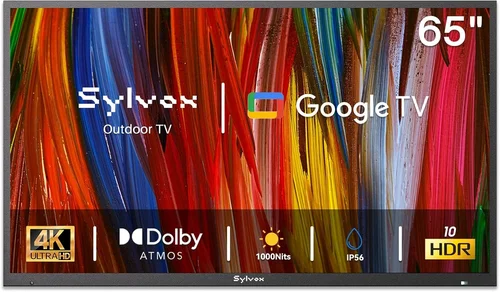
Outdoor entertaining has evolved far beyond simple grills and string lights. Today’s backyard bars and decks are becoming full-fledged entertainment zones—complete with sound systems, smart lighting, and yes, outdoor TVs. Whether you’re hosting game nights, summer barbecues, or just unwinding with a cold drink under the stars, a reliable outdoor TV can transform your deck into a true extension of your living room. But here’s the catch: not all TVs are built to handle the elements. Sunlight glare, humidity, temperature swings, and even rain can wreak havoc on standard indoor models. That’s why choosing the right budget-friendly outdoor TV isn’t just about saving money—it’s about getting performance, durability, and value in one weather-resistant package.
This comprehensive buying guide is designed for homeowners, DIY enthusiasts, and outdoor living lovers who want to upgrade their deck setup without breaking the bank. We’ll walk you through everything you need to know—from understanding key technical specs to avoiding common pitfalls—so you can make a confident, informed decision. Whether you’re working with a tight budget or simply want the best bang for your buck, we’ve got you covered. By the end of this guide, you’ll know exactly what to look for, which brands offer the best value, and how to stretch your dollar while still getting a TV that lasts through seasons of sun, rain, and backyard fun.
The market for outdoor TVs has grown significantly in recent years, driven by increased demand for outdoor living spaces and advancements in display technology. While premium all-weather models from brands like Samsung and SunBrite can cost thousands, there are now several budget-friendly options that deliver impressive performance at a fraction of the price. These aren’t just repurposed indoor TVs shoved into plastic boxes—they’re purpose-built for outdoor use, with features like anti-glare screens, weatherproof casings, and enhanced brightness. In this guide, we’ll cut through the marketing noise and focus on real-world performance, durability, and value. You’ll learn how to identify the sweet spot between cost and capability, ensuring your outdoor TV enhances your deck experience for years to come.

What to Look for When Buying Buying Guide
1. Budget & Price Range
When shopping for a budget outdoor deck TV, your price range will be one of the most influential factors in your decision. Unlike indoor TVs, where you might find decent 4K models under $300, outdoor-ready displays typically start higher due to specialized engineering. For a truly weather-resistant, sunlight-readable TV designed for deck use, expect to spend between $500 and $1,500 for a quality budget model. This range offers the best balance of durability, brightness, and smart features without venturing into premium territory.
It’s important to understand what you’re paying for. A sub-$400 “outdoor TV” is often just an indoor TV in a basic weatherproof enclosure—these may survive light rain but will struggle in direct sunlight and extreme temperatures. In contrast, genuine outdoor TVs in the $500–$1,200 range use high-brightness panels (often 700+ nits), anti-reflective coatings, and sealed components rated for outdoor conditions. If your deck is covered or partially shaded, you might get away with a lower-cost option, but for full sun exposure, investing in a purpose-built model is essential.
Don’t forget to factor in additional costs like mounting hardware, cables, and potential installation. Some budget models include basic wall mounts, while others require separate purchases. Also, consider long-term value: a slightly more expensive TV with better build quality and warranty coverage may save you money over time by avoiding premature failure or the need for replacement.
2. Performance Specifications
Performance specs are where many budget outdoor TVs differentiate themselves—and where you can quickly go wrong if you’re not paying attention. The most critical spec for outdoor use is brightness, measured in nits. Indoor TVs typically range from 300 to 500 nits, which is fine for dim rooms but completely inadequate in daylight. For deck use, especially in direct sun, you’ll want a minimum of 700 nits, with 1,000+ nits being ideal. This ensures the image remains visible even at noon on a sunny day.
Resolution is another key factor. While 1080p (Full HD) is acceptable for smaller screens (32–43 inches), we strongly recommend 4K UHD for any TV 50 inches or larger. 4K provides sharper details, better upscaling of HD content, and future-proofing as more streaming services and devices default to 4K. Most budget outdoor TVs now offer 4K resolution, so there’s little reason to settle for less unless you’re on an extremely tight budget.
Refresh rate matters too, especially if you plan to watch sports or action movies. A 60Hz panel is standard and sufficient for most viewers, but if you’re a sports fan or gamer, look for 120Hz support. HDR (High Dynamic Range) compatibility—such as HDR10 or Dolby Vision—enhances contrast and color depth, making outdoor viewing more vibrant. However, not all budget models support HDR effectively, so check reviews to see if the feature is truly functional or just a marketing checkbox.
3. Build Quality & Durability
Outdoor TVs must withstand far harsher conditions than their indoor counterparts. Heat, cold, humidity, dust, and UV exposure can degrade electronics and screens over time. That’s why build quality is non-negotiable—even on a budget. Look for TVs with IP55 or higher ingress protection ratings. IP55 means the unit is protected against dust and low-pressure water jets from any direction, making it suitable for most deck environments, including light rain and sprinklers.
The enclosure material matters too. Aluminum or powder-coated steel housings resist rust and corrosion better than plastic. Avoid models with exposed vents or unsealed ports, as these can allow moisture and insects to enter. Internal components should be sealed or conformal-coated to prevent damage from condensation, which is common in humid climates.
Temperature tolerance is another often-overlooked factor. Quality outdoor TVs can operate in temperatures ranging from -22°F to 122°F (-30°C to 50°C). If you live in an area with extreme winters or scorching summers, verify that the model you’re considering can handle your local climate. Some budget models claim outdoor use but have narrow operating ranges, which can lead to shutdowns or permanent damage.
4. Features & Functionality
Even on a budget, today’s outdoor TVs come packed with smart features that enhance usability. Most models now include built-in Wi-Fi and support for popular streaming platforms like Netflix, YouTube, Hulu, and Amazon Prime Video. This eliminates the need for external streaming devices, reducing clutter and potential failure points.
Look for models with multiple HDMI ports (at least two), USB inputs, and audio outputs for connecting soundbars, gaming consoles, or cable boxes. Some budget outdoor TVs even include Bluetooth for wireless audio streaming—a nice touch if you want to pair wireless headphones or speakers.
Smart TV platforms vary by brand. Roku TV, Android TV, and webOS are common and user-friendly, offering intuitive interfaces and regular updates. Avoid proprietary or outdated systems that may lack app support or security patches. Voice control via Google Assistant or Alexa is a bonus, especially if you already use smart home devices.
One feature often missing in budget models is built-in speakers. Many outdoor TVs rely on external audio due to space and weatherproofing constraints. If sound quality is important, plan to invest in a weather-resistant soundbar or outdoor speakers. Some models include optical or RCA audio outputs for easy connection.
5. Brand Reputation
Brand reputation matters—especially when buying a specialized product like an outdoor TV. Established brands like Samsung, LG, and Sony have strong track records in display technology, but their outdoor models tend to be premium-priced. For budget buyers, consider brands that specialize in outdoor electronics, such as SunBriteTV (now part of SnapAV), Seura, and Sylvane. These companies design products specifically for outdoor use, often offering better value in the mid-budget range.
Emerging brands like Vizio, TCL, and Hisense have also entered the outdoor TV space with competitive pricing. While they may not have decades of outdoor-specific experience, many of their budget models are well-reviewed and built to similar standards. Always check third-party reviews from trusted sources like CNET, Wirecutter, or outdoor living forums.
Avoid no-name or generic brands sold exclusively through online marketplaces. These often lack proper certifications, customer support, or warranty coverage. A reputable brand may cost slightly more upfront, but it reduces the risk of receiving a defective unit or being left stranded without service.
6. Warranty & Support
Outdoor TVs are exposed to the elements, so warranty coverage is crucial. Most reputable brands offer at least a one-year limited warranty, with some extending to two or three years. Look for warranties that cover both parts and labor, and clarify whether on-site service is included—especially important for wall-mounted units.
Pay attention to what’s covered. A good warranty should protect against manufacturing defects, screen burn-in, and weather-related failures. However, damage from improper installation, power surges, or extreme misuse (e.g., submerging the TV) is typically excluded. Some brands offer extended warranty plans for an additional fee, which may be worth considering if you live in a harsh climate.
Customer support is equally important. Can you easily reach a technician? Is there a dedicated outdoor TV support line? Check online reviews for feedback on responsiveness and problem resolution. A brand with poor support can turn a minor issue into a major headache.
7. Size & Portability
Size affects both viewing experience and installation. For most deck setups, a 43-inch to 55-inch TV is ideal—large enough to be seen from seating areas but not so big that it overwhelms the space. Measure your viewing distance: a general rule is that the screen should be about 1/3 the distance from the viewer. So, if you’re sitting 9 feet away, a 36-inch screen is sufficient, while 12 feet calls for 48 inches or more.
Portability is less of a concern for fixed installations, but if you plan to move the TV between the deck and indoor spaces, consider weight and handle design. Most outdoor TVs are heavier than indoor models due to reinforced casings, so ensure your mount or stand can support the weight.
If your deck is small or multi-functional, a compact 32-inch model might be better. These are easier to mount, consume less power, and are often more affordable. However, they may lack the brightness and smart features of larger models.
8. User Reviews & Ratings
Never rely solely on manufacturer specs or marketing claims. User reviews provide real-world insights into performance, reliability, and ease of use. Look for patterns in feedback—consistent praise for brightness or complaints about Wi-Fi connectivity can signal strengths or weaknesses.
Focus on reviews from users in similar environments. If you live in a sunny, humid area, prioritize feedback from others in comparable climates. Check multiple sources: Amazon, Best Buy, and specialty outdoor retailers often have detailed customer reviews. YouTube unboxing and review videos can also show the TV in action, including brightness tests and menu navigation.
Be wary of overly positive or vague reviews, which may be incentivized or fake. Look for detailed, balanced feedback that mentions both pros and cons. A product with a 4.5-star average and hundreds of reviews is generally more trustworthy than one with 5 stars and only a handful of comments.
Different Types of Buying Guide

Common Buying Mistakes to Avoid
❌ Mistake: Buying an Indoor TV for Outdoor Use
Why it’s bad: Indoor TVs are not designed to handle sunlight, moisture, or temperature extremes. Even if you cover them or place them under a roof, UV exposure can fade the screen, and humidity can cause internal corrosion. The result is often a dim, glary image or complete failure within a year.
What to do instead: Invest in a TV specifically built for outdoor use. Look for terms like “all-weather,” “sunlight-readable,” or “IP55 rated.” These models use high-brightness panels and sealed enclosures to protect against the elements.
❌ Mistake: Ignoring Brightness (Nits) Ratings
Why it’s bad: A TV with low brightness will appear washed out in daylight, making it difficult or impossible to see. This is especially true on sunny decks where glare is constant.
What to do instead: Aim for at least 700 nits, with 1,000+ nits being ideal for full sun. Check independent reviews that test brightness in real outdoor conditions—don’t rely solely on manufacturer claims.
❌ Mistake: Overlooking Mounting and Installation
Why it’s bad: Outdoor TVs are heavier and require secure, weatherproof mounting. Using indoor mounts or improper hardware can lead to instability, water intrusion, or even the TV falling.
What to do instead: Use a mount rated for outdoor use and the TV’s weight. Consider professional installation if you’re unsure. Ensure all cables are routed through waterproof conduits.
❌ Mistake: Skimping on Audio
Why it’s bad: Most outdoor TVs have weak built-in speakers due to space and sealing constraints. Relying on them results in poor sound quality, especially in open spaces.
What to do instead: Pair your TV with weather-resistant outdoor speakers or a soundbar. Look for models with optical or RCA outputs for easy connection.
❌ Mistake: Not Checking Warranty Coverage
Why it’s bad: Outdoor TVs are more prone to failure due to environmental stress. Without a solid warranty, you could be stuck with repair or replacement costs.
What to do instead: Choose a brand with at least a one-year warranty and clear coverage for weather-related issues. Read the fine print to understand exclusions.
❌ Mistake: Buying Based on Price Alone
Why it’s bad: The cheapest option often lacks essential features like brightness, durability, or smart functionality. You may end up replacing it sooner, costing more in the long run.
What to do instead: Focus on value—balance price with performance, build quality, and features. A $700 TV that lasts five years is better than a $400 one that fails in two.
❌ Mistake: Ignoring Local Climate Conditions
Why it’s bad: A TV rated for mild climates may not survive extreme heat, cold, or humidity. Operating outside the recommended temperature range can void the warranty.
What to do instead: Match the TV’s specs to your local weather. If you live in a desert or coastal area, prioritize models with wide temperature tolerances and corrosion resistance.
Budget Guidelines: How Much Should You Spend?
Entry-Level ($300–$500): This tier includes indoor TVs in basic outdoor enclosures or older outdoor models with limited brightness. Best for fully covered, shaded areas with minimal sun exposure. Expect 400–600 nits, basic weather resistance, and limited smart features. Ideal for occasional use or temporary setups.
Mid-Range ($500–$900): The sweet spot for most deck owners. These TVs offer 700–1,000+ nits, IP55 ratings, 4K resolution, and full smart functionality. Brands like TCL, Vizio, and Sylvane offer excellent value here. Suitable for partial shade to full sun, depending on the model.
Premium ($900–$1,500): For enthusiasts who want top-tier performance without luxury pricing. Expect 1,000+ nits, advanced HDR, robust build quality, and extended warranties. These models often include better audio outputs, wider viewing angles, and enhanced durability.
Luxury ($1,500+): Reserved for all-weather, commercial-grade units from brands like SunBriteTV or Seura. These are overkill for most homeowners but ideal for extreme climates or high-end outdoor theaters. Features include 2,000+ nits, full IP65 sealing, and professional installation support.
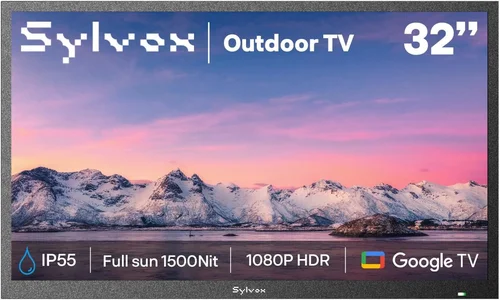
Expert Tips for Getting the Best Deal
– Buy during off-season sales: Outdoor TVs see the biggest discounts in late fall and winter (October–February), when demand drops. Retailers often clear inventory to make room for new models.
– Check refurbished or open-box deals: Many brands sell certified refurbished outdoor TVs at 20–30% off. These come with warranties and are thoroughly tested.
– Compare retailers: Prices vary widely between Best Buy, Amazon, Costco, and specialty outdoor stores. Use price-tracking tools like Honey or CamelCamelCamel to spot drops.
– Bundle with installation: Some retailers offer free or discounted installation with purchase. This can save $100–$200 and ensure proper setup.
– Read the return policy: Outdoor TVs are bulky and expensive to return. Choose retailers with at least 30-day return windows and free return shipping.
– Test brightness before buying: If possible, view the TV in person under bright lighting. Many stores have outdoor display areas or can simulate sunlight conditions.
– Consider energy efficiency: Outdoor TVs run longer hours and consume more power. Look for ENERGY STAR ratings to save on electricity over time.
– Join loyalty programs: Stores like Costco and Sam’s Club often offer exclusive discounts and extended warranties for members.

Frequently Asked Questions
Q: Can I use a regular indoor TV outdoors if it’s under a roof?
A: Technically yes, but it’s not recommended. Even under cover, indoor TVs lack the brightness, UV protection, and sealing needed for outdoor use. Humidity, temperature swings, and indirect sunlight can still cause damage over time. For reliable performance, choose a purpose-built outdoor model.
Q: How bright should my outdoor TV be?
A: For shaded or covered decks, 500–700 nits may suffice. For full sun exposure, aim for 1,000+ nits. Anything below 500 nits will appear dim and washed out in daylight.
Q: Do outdoor TVs need special mounts?
A: Yes. Use mounts rated for outdoor use and the TV’s weight. Look for corrosion-resistant materials like stainless steel or powder-coated aluminum. Ensure the mount allows for proper ventilation and cable management.
Q: Can outdoor TVs get wet?
A: IP55-rated models can handle light rain and splashes, but they are not submersible. Avoid direct water jets or prolonged exposure to heavy rain. For extreme weather, consider a cover or retractable enclosure.
Q: Do outdoor TVs come with built-in speakers?
A: Most do, but sound quality is often limited. For better audio, connect external weather-resistant speakers or a soundbar via optical or RCA outputs.
Q: How long do outdoor TVs last?
A: With proper care, a quality outdoor TV can last 5–7 years or more. Factors like climate, usage, and build quality play a big role. Regular cleaning and avoiding extreme temperatures can extend lifespan.
Q: Can I stream Netflix on an outdoor TV?
A: Yes, if it’s a smart TV with Wi-Fi and app support. Most budget outdoor models now include Roku, Android TV, or similar platforms with access to major streaming services.
Q: Are outdoor TVs energy-efficient?
A: Modern LED models are relatively efficient, but brightness increases power consumption. Look for ENERGY STAR certification and use power-saving modes when possible.
Q: What’s the difference between IP55 and IP65?
A: IP55 protects against dust and low-pressure water jets. IP65 offers the same dust protection but can handle more intense water spray. IP65 is better for areas with heavy rain or sprinklers.
Q: Can I leave my outdoor TV on all day?
A: Yes, but it’s not necessary. Use a timer or smart plug to turn it on only when needed. Continuous operation can reduce lifespan and increase energy costs.
Our Final Recommendations
Best for Budget-Conscious Buyers: TCL 55S555 55-inch 4K QLED Outdoor TV – At around $700, this model offers 1,000 nits brightness, IP55 rating, and Roku smart platform. Great for partial to full sun exposure with excellent color accuracy.
Best Overall Value: Vizio VO435M-K01 43-inch 4K Outdoor Smart TV – Priced under $800, it delivers 800 nits, Dolby Vision HDR, and a sleek design. Ideal for covered decks and tech-savvy users.
Best Premium Option: Sylvane SunBriteTV Veranda 55-inch – Around $1,200, this all-weather model features 1,200 nits, full IP55 sealing, and a rugged aluminum chassis. Perfect for extreme climates.
Best for Beginners: Hisense 43A6H 43-inch Outdoor Smart TV – At $550, it’s an entry-friendly option with 700 nits, Android TV, and easy setup. Great for first-time outdoor TV buyers.
Best for Advanced Users: Seura 55-inch Outdoor 4K Smart TV – With 1,500 nits, IP65 rating, and customizable mounting, this model suits tech enthusiasts who want top performance and flexibility.
Conclusion: Making the Right Choice
Choosing the right budget outdoor deck TV is about more than just price—it’s about finding a balance between durability, performance, and value. You’ve learned how to evaluate brightness, build quality, smart features, and warranty coverage. You know the importance of matching the TV to your deck’s exposure and climate. And you’re aware of common pitfalls that can lead to disappointment.
Remember, the best TV for your deck is the one that fits your space, budget, and usage habits. Don’t rush the decision. Take time to compare models, read real user reviews, and consider long-term costs. A slightly higher upfront investment in a quality outdoor TV can save you money, hassle, and frustration down the road.
Whether you’re hosting summer parties, watching the big game, or simply enjoying a quiet evening under the stars, the right outdoor TV can elevate your deck from a simple outdoor space to a true entertainment destination. So go ahead—make the upgrade. Your backyard deserves it.

