
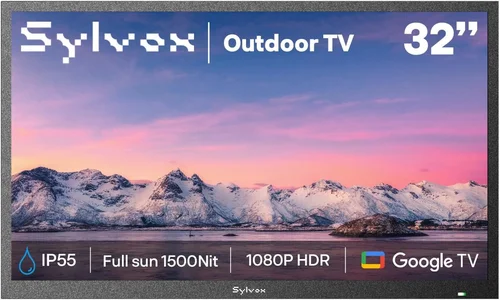
If you’ve ever dreamed of enjoying your favorite shows, movies, or live sports from the comfort of your balcony or patio, you’re not alone. Outdoor living spaces have evolved far beyond just grills and lounge chairs—they’re now full-fledged entertainment zones. But bringing the living room experience outdoors comes with unique challenges, especially when it comes to electronics. Standard indoor TVs simply aren’t built to withstand the elements: rain, snow, humidity, dust, extreme temperatures, and even direct sunlight can quickly damage sensitive internal components. That’s where weatherproof TVs come in.
This comprehensive buying guide is designed to help you navigate the growing market of outdoor televisions with confidence. Whether you’re upgrading your rooftop terrace, creating a cozy backyard cinema, or simply want to catch the game while grilling, choosing the right weatherproof TV requires careful consideration. In this guide, you’ll learn everything you need to know—from key technical specifications and durability standards to budget considerations and top brand comparisons. We’ll break down the essential factors that separate a truly outdoor-ready display from a regular TV slapped in a weatherproof case (a common but risky shortcut). By the end, you’ll be equipped with expert-level knowledge to make a smart, long-lasting investment that enhances your outdoor lifestyle for years to come.
The market for weatherproof TVs has expanded significantly in recent years, driven by increased demand for outdoor entertainment and smart home integration. Major electronics brands like Samsung, LG, and Sony now offer dedicated outdoor models, while specialized companies such as SunBriteTV, Seura, and Peerless have built their reputations entirely around ruggedized displays. These aren’t just TVs—they’re engineered systems designed from the ground up to perform reliably in harsh conditions. With options ranging from basic weather-resistant screens under $1,000 to premium 4K HDR models exceeding $5,000, there’s a solution for nearly every need and budget. However, not all “outdoor TVs” are created equal, and understanding the nuances is critical to avoiding costly mistakes.

What to Look for When Buying Buying Guide
1. IP Rating & Weather Resistance
The Ingress Protection (IP) rating is the most critical indicator of a TV’s ability to resist environmental threats. This two-digit code tells you exactly how well the unit is sealed against solids (like dust) and liquids (like rain or splashes). For outdoor use, look for a minimum IP55 rating—this means the TV is protected against dust ingress (limited) and water jets from any direction. However, for full four-season durability, especially in areas with heavy rain, snow, or coastal humidity, aim for IP65 or higher. An IP65-rated TV is dust-tight and can withstand low-pressure water jets, making it ideal for uncovered patios or balconies exposed to the elements.
Beyond the IP rating, consider additional sealing features such as gasketed ports, corrosion-resistant screws, and vent-free designs that prevent moisture from entering through airflow openings. Some premium models even include internal heaters or cooling fans to regulate temperature, ensuring stable performance in both freezing winters and scorching summers. Always verify the manufacturer’s stated operating temperature range—most quality outdoor TVs function reliably between -22°F and 122°F (-30°C to 50°C).
2. Display Brightness & Anti-Glare Technology
One of the biggest challenges with outdoor viewing is ambient light. Even on an overcast day, sunlight reflecting off surfaces can wash out an indoor TV’s image. That’s why brightness—measured in nits—is non-negotiable for outdoor displays. While typical indoor TVs range from 300 to 600 nits, a true outdoor TV should deliver at least 700 nits, with many premium models exceeding 1,000 nits. Higher brightness ensures vibrant colors and clear visibility even in direct sunlight.
Equally important is anti-glare technology. Look for screens with optically bonded glass and anti-reflective coatings that minimize glare without sacrificing color accuracy. Some manufacturers use direct-lit LED backlighting instead of edge-lit designs to boost luminance uniformity across the entire screen. OLED panels, while stunning indoors, often struggle outdoors due to lower peak brightness compared to high-end LED/LCD outdoor models—so prioritize brightness over panel type for patio use.
3. Build Quality & Durational Materials
Outdoor TVs must endure more than just weather—they’re also subject to vibrations, wind, and potential impacts. The chassis should be constructed from marine-grade aluminum or powder-coated steel that resists rust and corrosion. Avoid plastic enclosures unless they’re specifically rated for outdoor use and reinforced with UV stabilizers. Check for reinforced mounting points compatible with VESA standards, and ensure the bezel and frame are tightly sealed to prevent water intrusion.
Pay attention to internal component protection as well. Quality outdoor TVs often feature conformal coating on circuit boards to shield against moisture and salt air—a must if you live near the ocean. Additionally, look for models with sealed speaker grilles and protected HDMI/USB ports covered by rubber flaps or magnetic doors. These details may seem minor, but they significantly extend the TV’s lifespan in unpredictable outdoor conditions.
4. Smart Features & Connectivity
Just because a TV lives outside doesn’t mean it should lack modern conveniences. Most reputable outdoor TVs now come with built-in smart platforms like Android TV, webOS, or Roku, allowing you to stream Netflix, YouTube, Disney+, and more without needing an external device. However, verify that the operating system receives regular software updates—outdated firmware can expose your network to security risks, especially if the TV connects via Wi-Fi.
Connectivity is another key area. Ensure the TV has multiple HDMI 2.0 or 2.1 ports (preferably with HDCP 2.2 support for 4K content), USB inputs for media playback, and Ethernet for stable wired internet. Bluetooth support is useful for wireless audio to outdoor speakers. Some models even include built-in Wi-Fi 6 for faster streaming and reduced latency. If you plan to use gaming consoles or soundbars, confirm compatibility with ARC/eARC and variable refresh rate (VRR) features.
5. Size & Viewing Distance
Choosing the right screen size depends heavily on your balcony or patio layout. For intimate spaces like small balconies (6–8 feet deep), a 43- to 55-inch TV is usually ideal. Larger patios or rooftop decks may accommodate 65-inch or even 75-inch models, especially if seating is 10+ feet away. Use the 1.5x rule as a guideline: multiply your viewing distance (in inches) by 1.5 to estimate the optimal screen diagonal. For example, at 8 feet (96 inches), a 55- to 65-inch TV offers an immersive experience without overwhelming the space.
Also consider mounting options. Wall mounts are common, but ceiling mounts or articulating arms offer flexibility for angled viewing. Ensure your chosen location allows for proper ventilation—even weatherproof TVs generate heat and need airflow around the unit. Never enclose the TV in a sealed cabinet unless it’s specifically designed for passive cooling.
6. Warranty & Support
Outdoor electronics are inherently higher-risk investments, so robust warranty coverage is essential. Reputable brands typically offer 2- to 3-year limited warranties that cover both parts and labor, with some extending to 5 years for commercial-grade models. Read the fine print: many warranties become void if the TV is installed in uncovered areas without proper mounting or if used beyond the specified temperature range.
Customer support matters too. Look for manufacturers with dedicated outdoor product lines and responsive technical teams. Brands like SunBriteTV and Seura provide detailed installation guides, live chat support, and even on-site service in major metro areas. Avoid no-name brands with vague warranty terms or limited service networks—you don’t want to be stuck with a $3,000 paperweight after a hailstorm.
7. Energy Efficiency & Operating Costs
While outdoor TVs generally consume more power than indoor counterparts due to higher brightness and thermal management systems, energy efficiency still impacts long-term costs. Look for ENERGY STAR certification or models with auto-dimming features that adjust brightness based on ambient light. Some TVs include motion sensors that power down when no one is present—useful for vacation homes or rarely used patios.
Consider the total cost of ownership, including potential electricity usage and replacement parts. High-brightness LEDs last longer than traditional CCFL backlights, and modular designs allow for easier repairs. Avoid ultra-cheap “weatherproof” enclosures sold separately—they often lack proper thermal regulation and can cause overheating, shortening the TV’s life.
8. Brand Reputation & Real-World Reliability
Not all outdoor TV brands are equal. Established names like SunBriteTV (a leader since 2004), Seura (known for mirror TVs and outdoor displays), and Peerless-AV (specializing in commercial installations) have proven track records backed by thousands of satisfied customers. Consumer electronics giants like Samsung and LG offer “outdoor-ready” versions of their indoor models, but these are often just repackaged TVs in weatherproof shells—less durable than purpose-built units.
Research real-world reviews from users in similar climates. A TV that performs well in Arizona’s dry heat may fail in Florida’s humid storms. Look for third-party testing certifications (e.g., UL Listed for outdoor use) and check forums like AVS Forum or Reddit’s r/outdoortv for honest feedback. Longevity matters: a $2,500 TV that lasts 8 years is a better value than a $1,200 model that fails after 2.
Different Types of Buying Guide

Common Buying Mistakes to Avoid
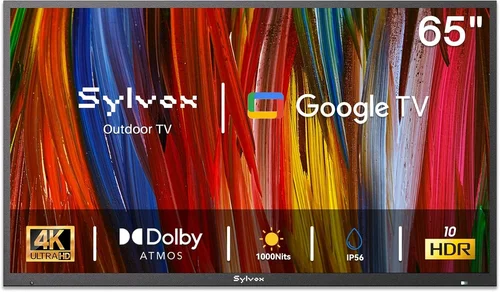
❌ Mistake: Buying an Indoor TV and Putting It in a Generic Weatherproof Case
Why it’s bad: Most third-party enclosures lack proper thermal management, leading to overheating and premature failure. They also often block IR signals, making remote control unreliable, and may not seal ports adequately against moisture.
What to do instead: Invest in a purpose-built outdoor TV or a certified enclosure specifically designed for your TV model (e.g., from brands like TerraView or OutdoorTV). Ensure it includes active cooling and maintains the original warranty.
❌ Mistake: Ignoring Local Climate Conditions
Why it’s bad: A TV rated for mild coastal weather may corrode quickly in salty air or fail in sub-zero temperatures. Using a partial-cover model in an uncovered space invites water damage.
What to do instead: Match the TV’s specs to your environment. If you live in a snowy region, choose an all-season model with a heater. For humid or rainy areas, prioritize IP65+ ratings and corrosion-resistant materials.
❌ Mistake: Overlooking Mounting and Installation Requirements
Why it’s bad: Improper mounting can void warranties, cause instability in wind, or trap moisture behind the TV. DIY installations without grounding can create electrical hazards.
What to do instead: Use a certified outdoor mount rated for your TV’s weight and wind load. Hire a professional installer if needed—many brands offer installation services or partner with local technicians.
❌ Mistake: Choosing Based Solely on Price
Why it’s bad: The cheapest option often lacks critical features like adequate brightness, proper sealing, or reliable smart functionality, resulting in frustration and early replacement.
What to do instead: Focus on total value—consider lifespan, performance, and warranty. A mid-range TV that lasts 7 years is smarter than a budget model that fails in 2.
❌ Mistake: Assuming All “Outdoor” TVs Are Equal
Why it’s bad: Marketing terms like “weather-resistant” or “outdoor-ready” can be misleading. Some are just indoor TVs with minor tweaks.
What to do instead: Verify technical specs: IP rating, brightness (nits), operating temperature range, and build materials. Stick to brands with dedicated outdoor product lines.
❌ Mistake: Neglecting Audio Solutions
Why it’s bad: Built-in TV speakers are often muffled by weatherproof casings and drowned out by ambient noise like traffic or wind.
What to do instead: Pair your TV with outdoor-rated speakers (wired or Bluetooth) or a soundbar designed for open-air use. Consider wireless options to reduce cable clutter.
❌ Mistake: Skipping the Warranty Fine Print
Why it’s bad: Many warranties exclude damage from “acts of nature” or improper installation, leaving you with no recourse after a storm.
What to do instead: Read the warranty thoroughly. Choose brands that cover weather-related failures and offer extended protection plans.
Budget Guidelines: How Much Should You Spend?
- Entry-Level ($800 – $1,500): Ideal for covered patios or temporary setups. Expect basic weather resistance (IP55), 500–700 nits brightness, and limited smart features. Best for occasional use in mild climates. Examples include certain SunBriteTV Veranda series models or indoor TVs in certified enclosures.
- Mid-Range ($1,500 – $3,500): The sweet spot for most homeowners. These TVs offer 700–1,000+ nits brightness, IP65 rating, robust build quality, and full smart functionality. Perfect for semi-covered or partially exposed areas. Models like the SunBriteTV Pro Series or Seura Outdoor TVs fall here.
- Premium ($3,500 – $6,000): Designed for year-round, all-weather performance. Features include integrated heating/cooling, 1,000+ nits brightness, anti-glare glass, and commercial-grade durability. Ideal for uncovered balconies in extreme climates. Top picks include the SunBriteTV Extreme or Peerless-AV Xtreme.
- Luxury ($6,000+): For enthusiasts and commercial applications. These include ultra-bright 4K HDR displays, modular designs for easy repair, 24/7 operation capability, and advanced connectivity (HDMI 2.1, Wi-Fi 6E). Often used in luxury resorts or high-end residential projects.
Expert Tips for Getting the Best Deal
- Buy During Off-Season: Prices drop significantly in late fall and winter (November–February) when demand is lowest. Many retailers clear inventory before spring.
- Check Manufacturer Rebates: Brands like SunBriteTV often run seasonal promotions or offer trade-in discounts for old TVs.
- Compare Online vs. In-Store: Online retailers (Amazon, Crutchfield, Abt) frequently have better pricing and detailed specs, but local AV specialists may offer free installation consultations.
- Look for Certified Refurbished Units: Reputable sellers offer refurbished outdoor TVs with full warranties at 20–30% off retail. Ensure they’re factory-certified, not just “used.”
- Bundle with Accessories: Some dealers offer package deals including mounts, cables, and speakers—saving you money versus buying separately.
- Verify Return Policies: Outdoor TVs are hard to resell if returned. Choose retailers with at least 30-day return windows and free return shipping.
- Test Before Finalizing: If possible, visit a showroom to evaluate brightness and color accuracy under bright lighting conditions.
- Consider Financing: Many retailers offer 0% APR financing for 12–24 months, making premium models more accessible.

Frequently Asked Questions
Q: Can I use a regular TV outdoors if it’s under a roof?
A: Technically yes, but it’s risky. Even under cover, humidity, temperature swings, and indirect moisture can damage internal components over time. A purpose-built outdoor TV is always safer and more reliable.
Q: Do outdoor TVs need special power outlets?
A: No, they use standard 120V outlets. However, always use a GFCI (ground fault circuit interrupter) outlet for safety, especially in damp locations.
Q: How do I clean an outdoor TV screen?
A: Use a microfiber cloth slightly dampened with water or a screen-safe cleaner. Never spray liquid directly on the screen. Avoid ammonia-based cleaners, which can damage anti-reflective coatings.
Q: Will an outdoor TV work in direct sunlight?
A: Only if it has sufficient brightness (1,000+ nits) and anti-glare treatment. Most mid-range models struggle in full sun; position the TV in partial shade when possible.
Q: Can I leave my outdoor TV on all the time?
A: Commercial-grade models are designed for 24/7 operation, but residential units should be turned off when not in use to prolong LED lifespan and save energy.
Q: Are outdoor TVs compatible with streaming devices?
A: Yes—most have built-in smart platforms. But you can also connect Fire Stick, Apple TV, or Roku via HDMI for additional app options.
Q: What’s the average lifespan of an outdoor TV?
A: With proper care, 7–10 years is typical. Higher-end models with modular designs may last even longer with component replacements.
Q: Do I need internet for an outdoor TV?
A: Only if using streaming apps. You can still watch cable/satellite or play local media via USB without Wi-Fi.
Q: Can outdoor TVs be wall-mounted like indoor ones?
A: Yes, using VESA-compatible outdoor mounts. Ensure the wall can support the weight and that cables are routed through weatherproof conduits.
Q: Are there solar-powered outdoor TV options?
A: Not yet for full-size TVs, but portable 32-inch models with battery packs exist for off-grid use. Most still require grid power for daily operation.
Our Final Recommendations
- Best for Budget-Conscious Buyers: SunBriteTV Veranda Series (55″) – Excellent value at ~$1,800, with 700 nits brightness, IP55 rating, and reliable smart features for covered patios.
- Best Overall Value: Seura Outdoor TV (65″) – Strikes the perfect balance at ~$2,900: 1,000 nits, IP65, sleek design, and robust build for year-round use.
- Best Premium Option: SunBriteTV Pro Series (75″) – At ~$4,500, this all-season beast includes integrated cooling, 1,500 nits brightness, and military-grade durability for extreme climates.
- Best for Beginners: TerraView 50″ All-Weather TV – User-friendly setup, clear documentation, and responsive support make this ~$2,200 model ideal for first-time buyers.
- Best for Advanced Users: Peerless-AV Xtreme 4K (65″) – Packed with pro features like HDMI 2.1, local dimming, and remote monitoring—perfect for tech-savvy enthusiasts (~$5,200).
Conclusion: Making the Right Choice
Choosing the best weatherproof TV for your balcony or patio isn’t just about picking the shiniest screen—it’s about matching engineering to environment, budget to longevity, and features to your lifestyle. From understanding IP ratings and brightness requirements to avoiding common pitfalls like improper enclosures, this guide has equipped you with the knowledge to make a confident, informed decision. Remember: outdoor entertainment should enhance your life, not become a source of frustration or repeated expense.
Prioritize your specific needs—whether that’s surviving a Minnesota winter, resisting Florida humidity, or simply enjoying movie nights under the stars. Invest in quality, respect the elements, and don’t cut corners on installation or accessories. With the right TV, your outdoor space transforms into a true extension of your home, where comfort meets durability and every season becomes prime viewing season.
Now that you’re armed with expert insights, take the next step: measure your space, assess your climate, set your budget, and choose a model that aligns with your vision. Your perfect outdoor oasis awaits—and the show is about to start.

