
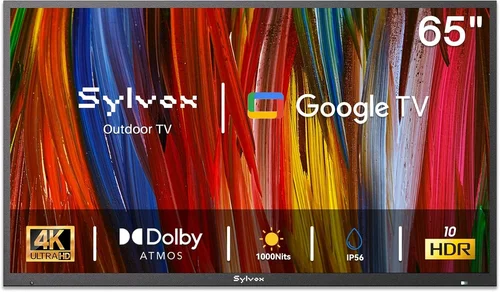
Outdoor living spaces have evolved dramatically over the past decade. What was once limited to a simple grill and a few folding chairs has transformed into fully equipped entertainment zones—complete with outdoor kitchens, fire pits, and yes, televisions. For homeowners in rainy climates, however, enjoying a movie night under the stars comes with unique challenges. Moisture, humidity, temperature swings, and direct exposure to rain can quickly turn an outdoor TV setup into a costly mistake if the wrong equipment is chosen.
That’s where this guide comes in. Whether you’re in the Pacific Northwest, the UK, Ireland, or any region prone to frequent rainfall, selecting the right outdoor TV isn’t just about picture quality—it’s about durability, reliability, and long-term performance in harsh conditions. A standard indoor TV mounted outside will fail within weeks or months, often voiding warranties and leaving you frustrated. This comprehensive buying guide is designed to help you navigate the specialized world of outdoor TVs built specifically for wet environments. You’ll learn what features matter most, how to avoid common pitfalls, and which models deliver the best value for your climate.
The market for outdoor TVs has grown significantly, with manufacturers now offering a range of weatherproof, all-season displays tailored to different needs and budgets. From fully sealed, commercial-grade screens to more affordable semi-outdoor options, there’s a solution for nearly every patio setup. In this guide, we’ll break down the key factors you need to consider, compare different types of outdoor TVs, highlight expert tips for getting the best deal, and provide clear recommendations based on real-world performance in rainy conditions. By the end, you’ll have the knowledge and confidence to choose an outdoor TV that not only survives the elements but enhances your outdoor living experience for years to come.

What to Look for When Buying Buying Guide
1. Weather Resistance & IP Rating
When shopping for an outdoor TV in a rainy climate, the most critical factor is weather resistance. Unlike indoor TVs, outdoor models must withstand constant exposure to moisture, humidity, and temperature fluctuations. The first thing to check is the TV’s Ingress Protection (IP) rating—a standardized measure of how well a device resists dust and water. For rainy environments, look for a minimum IP54 rating, but ideally aim for IP55 or higher. An IP55 rating means the TV is protected against low-pressure water jets from any direction, making it suitable for covered patios and semi-exposed areas.
Some premium outdoor TVs go even further, offering IP65 or IP66 ratings, which provide full protection against dust and powerful water jets. These are ideal for uncovered decks or areas with heavy rainfall. Additionally, the TV should feature a sealed chassis with no ventilation holes, preventing moisture from entering internal components. Manufacturers like SunBriteTV and Samsung’s outdoor line use specialized gaskets, hydrophobic coatings, and corrosion-resistant materials to ensure long-term durability. Always verify the IP rating in the product specifications and avoid models that only claim to be “weather-resistant” without certification.
2. Screen Brightness & Anti-Glare Technology
Outdoor viewing presents a major challenge: ambient light. Even on cloudy days, natural light can wash out the image on a standard TV screen. In rainy climates, overcast skies and reflective wet surfaces can further reduce visibility. This is why outdoor TVs must have significantly higher brightness levels than indoor models. Look for a minimum brightness of 700 nits, but ideally aim for 1,000 nits or more. For example, SunBriteTV’s Veranda series offers up to 1,000 nits, while Samsung’s The Terrace delivers up to 2,000 nits—perfect for bright, sun-drenched patios even after rain.
Equally important is anti-glare technology. Many outdoor TVs feature optically bonded glass or anti-reflective coatings that minimize glare from water droplets, puddles, or nearby windows. These coatings scatter light rather than reflect it, ensuring a clear, vibrant picture regardless of the weather. Some models also include automatic brightness sensors that adjust screen luminance based on ambient light conditions. This not only improves viewing but also extends the lifespan of the display by reducing unnecessary power consumption during darker hours.
3. Temperature Tolerance & Operating Range
Rainy climates often come with wide temperature swings—from chilly, damp mornings to warm, humid afternoons. An outdoor TV must operate reliably across this range without overheating or freezing. Most quality outdoor TVs are designed to function in temperatures from -22°F to 122°F (-30°C to 50°C). This ensures performance in both winter drizzle and summer downpours. Internal components like the power supply, display panel, and cooling systems are engineered to handle these extremes without degradation.
Look for TVs with passive cooling systems—no fans or vents—that prevent moisture ingress while maintaining safe operating temperatures. Some models include built-in heaters for cold climates, which gently warm the screen during freezing conditions to prevent condensation and maintain responsiveness. Avoid TVs that rely on active cooling (fans), as these can suck in moisture and fail prematurely in wet environments. Always check the manufacturer’s specified operating temperature range and ensure it matches your local climate data.
4. Build Quality & Materials
The physical construction of an outdoor TV is just as important as its electronic specs. The frame, bezel, and mounting hardware must resist rust, corrosion, and UV degradation. High-quality outdoor TVs use powder-coated aluminum or stainless steel for the chassis, which won’t rust even when exposed to constant moisture. The screen itself should be made of tempered glass or reinforced polymer to resist scratches and impacts from wind-blown debris.
Pay attention to the mounting system as well. A sturdy, weatherproof wall mount or ceiling bracket is essential for stability and safety. Many outdoor TVs come with compatible mounts designed specifically for their weight and dimensions. Avoid using indoor mounts, as they may not support the TV securely or protect against water seepage at the attachment points. Additionally, cable management should be sealed and routed through waterproof conduits to prevent moisture from reaching the TV’s ports.
5. Smart Features & Connectivity
Modern outdoor TVs aren’t just about durability—they’re also packed with smart features that enhance convenience and functionality. Look for models with built-in Wi-Fi, Bluetooth, and support for popular streaming platforms like Netflix, YouTube, and Disney+. Many outdoor TVs run on Android TV, webOS, or Roku platforms, offering a familiar interface and access to thousands of apps. Voice control via Google Assistant or Alexa is also common, allowing you to change channels or adjust volume without touching the remote.
Connectivity options are crucial for flexibility. Ensure the TV has multiple HDMI ports, USB inputs, and possibly an Ethernet port for a wired internet connection—especially important in areas with weak Wi-Fi signals. Some models include weatherproof external media bays or sealed compartments for streaming devices like Apple TV or Roku sticks, keeping them dry and accessible. For rainy climates, having a reliable, weather-resistant way to connect your devices can make all the difference in usability.
6. Audio Performance & External Speaker Support
Outdoor environments are inherently noisy—wind, rain, birds, and distant traffic can all interfere with audio clarity. While many outdoor TVs include built-in speakers, they’re often underpowered for open-air settings. A TV with at least 20W of audio output is a good starting point, but for larger patios or windy areas, you’ll likely need external speakers. Look for models with audio output jacks (3.5mm, optical, or RCA) to connect weatherproof outdoor speakers or a soundbar.
Some premium outdoor TVs come with integrated sound systems designed for open spaces, featuring directional speakers or bass enhancement. However, for the best experience, consider a dedicated outdoor audio setup. Wireless options like Bluetooth speakers or Wi-Fi-enabled systems (e.g., Sonos Outdoor) offer flexibility and high-quality sound without running cables through wet areas. Always test audio performance in your specific environment, as sound behaves differently outdoors than indoors.
7. Warranty & Customer Support
Given the investment involved, a strong warranty and reliable customer support are essential. Outdoor TVs are expensive, and repairs can be costly—especially if the unit fails due to water damage. Look for manufacturers that offer at least a 2-year warranty, with some premium brands providing up to 3 years. More importantly, ensure the warranty explicitly covers outdoor use and weather-related failures. Many indoor TVs void warranties if used outside, so confirm the policy before purchasing.
Customer support is another key consideration. Choose brands with responsive service teams, accessible repair centers, and clear troubleshooting guides. Companies like SunBriteTV and Samsung offer dedicated outdoor TV support lines and often provide on-site service for installations. Reading user reviews can also reveal how well a company handles warranty claims and repairs. A good warranty isn’t just about coverage—it’s about peace of mind in knowing your investment is protected.
8. Size & Viewing Distance
Choosing the right screen size depends on your patio layout and typical viewing distance. For most outdoor setups, a 55-inch to 75-inch TV is ideal. A 55-inch screen is perfect for smaller patios with seating 6–8 feet away, while a 65-inch or larger model suits larger decks or outdoor living rooms with 10+ feet of viewing distance. Use the 1.5x rule as a guideline: multiply your viewing distance (in inches) by 1.5 to determine the ideal screen size.
Keep in mind that larger screens require more power and may need stronger mounting solutions. Also, consider the TV’s weight—some outdoor models can exceed 100 pounds. Ensure your wall or stand can support the load, especially in windy conditions. If space is limited, consider a smaller, high-brightness model with excellent anti-glare properties rather than a large screen that’s hard to see in daylight.
Different Types of Buying Guide

Common Buying Mistakes to Avoid
❌ Mistake: Using an Indoor TV Outdoors
Why it’s bad: Indoor TVs are not designed to handle moisture, temperature changes, or UV exposure. Even brief rain exposure can cause internal corrosion, screen fogging, or electrical failure. Most manufacturers void warranties if an indoor TV is used outside.
What to do instead: Invest in a purpose-built outdoor TV or use a weatherproof enclosure designed for your specific model. Never assume a TV can “handle a little rain.”
❌ Mistake: Ignoring the IP Rating
Why it’s bad: Without a proper IP rating, you have no guarantee the TV can withstand water exposure. Claims like “weather-resistant” are vague and unregulated.
What to do instead: Always verify the IP rating (e.g., IP55, IP65) and ensure it matches your climate’s needs. Look for third-party certifications when possible.
❌ Mistake: Overlooking Brightness Requirements
Why it’s bad: A dim screen will be unwatchable in daylight, especially on overcast or rainy days when light reflects off wet surfaces.
What to do instead: Choose a TV with at least 700 nits, preferably 1,000+ nits, and anti-glare coating for optimal visibility.
❌ Mistake: Skimping on Mounting Hardware
Why it’s bad: Weak or indoor mounts can fail in wind or rain, causing the TV to fall and potentially injure someone or damage property.
What to do instead: Use a heavy-duty, weatherproof mount rated for your TV’s weight and size. Consider professional installation for safety.
❌ Mistake: Neglecting Audio Needs
Why it’s bad: Built-in speakers are often too quiet for outdoor use, leading to poor audio quality and frustration.
What to do instead: Plan for external weatherproof speakers or a soundbar. Test audio setup before finalizing your purchase.
❌ Mistake: Not Checking Warranty Coverage
Why it’s bad: Many warranties don’t cover outdoor use or water damage, leaving you with no recourse if the TV fails.
What to do instead: Read the warranty terms carefully and choose a brand that explicitly supports outdoor installations.
❌ Mistake: Buying Based on Price Alone
Why it’s bad: Cheaper models may cut corners on weatherproofing, brightness, or build quality, leading to early failure.
What to do instead: Balance budget with long-term value. A $3,000 TV that lasts 10 years is better than a $1,500 model that fails in 2.
Budget Guidelines: How Much Should You Spend?
- Entry-Level ($800 – $1,500): These are typically indoor TVs paired with third-party weatherproof enclosures. While cost-effective, they offer limited brightness (under 500 nits) and may not withstand heavy rain. Best for covered patios with minimal exposure.
- Mid-Range ($1,500 – $3,000): This is the sweet spot for most homeowners. Semi-outdoor TVs like the SunBriteTV Veranda series offer 700–1,000 nits brightness, IP54/IP55 ratings, and solid smart features. Ideal for covered decks and screened-in areas.
- Premium ($3,000 – $5,000): Fully weatherproof models such as Samsung’s The Terrace or SunBriteTV’s Pro series deliver 1,500–2,000 nits, IP65 ratings, and commercial-grade durability. Perfect for uncovered patios in rainy climates.
- Luxury ($5,000+): These are top-tier outdoor displays with 4K HDR, extreme brightness, advanced cooling, and 24/7 operation capability. Designed for luxury homes, resorts, or public installations where performance and longevity are critical.
Expert Tips for Getting the Best Deal
- Buy During Off-Season: Outdoor TVs are in highest demand during spring and summer. Shop in late fall or winter for discounts of 15–25%.
- Check Manufacturer Rebates: Brands like Samsung and SunBriteTV often offer seasonal rebates or bundle deals with mounts and speakers.
- Compare Retailers: Prices can vary significantly between Best Buy, Amazon, and specialty outdoor electronics stores. Use price-tracking tools to monitor fluctuations.
- Consider Refurbished Models: Certified refurbished outdoor TVs from reputable sellers can save you 20–30% with full warranty coverage.
- Negotiate Installation Packages: Some retailers offer free or discounted installation when you purchase a TV and mount together.
- Read User Reviews Carefully: Look for feedback from buyers in similar climates. Pay attention to comments about long-term durability and customer service.
- Test Before Committing: If possible, visit a showroom to see the TV’s brightness and clarity in person. Some retailers allow in-home trials.
- Review Return Policies: Ensure you have at least 30 days to return the TV if it doesn’t meet your expectations, especially for large, heavy items.

Frequently Asked Questions
Q: Can I use a regular TV outside if it’s under a covered patio?
A: While a covered patio offers some protection, it’s not enough for long-term outdoor use. Humidity, temperature swings, and wind-driven rain can still damage an indoor TV. For reliable performance, use a TV specifically designed for outdoor conditions.
Q: How do I protect my outdoor TV from lightning?
A: Install a surge protector and consider a whole-home lightning protection system. Unplug the TV during severe storms if possible. Some outdoor TVs include built-in surge protection, but additional measures are recommended.
Q: Do outdoor TVs consume more power?
A: Yes, due to higher brightness and additional cooling systems, outdoor TVs typically use 20–40% more power than indoor models. Look for Energy Star-rated models to reduce long-term costs.
Q: Can I mount an outdoor TV on a brick or concrete wall?
A: Yes, but you’ll need masonry anchors and a heavy-duty mount. Consider hiring a professional to ensure secure installation and prevent water seepage through drill holes.
Q: Are outdoor TVs compatible with streaming devices?
A: Most modern outdoor TVs have built-in smart platforms, but you can also connect external devices like Roku, Apple TV, or Fire Stick using weatherproof enclosures for the ports.
Q: How often do outdoor TVs need maintenance?
A: With proper installation, outdoor TVs require minimal maintenance. Clean the screen monthly with a microfiber cloth and check seals annually for wear.
Q: What’s the lifespan of an outdoor TV?
A: High-quality outdoor TVs can last 8–12 years or more with proper care. Cheaper models or indoor TVs used outdoors may fail within 2–3 years.
Q: Can I use an outdoor TV in winter?
A: Yes, as long as the TV is rated for low temperatures (down to -22°F or lower). Some models include built-in heaters to prevent condensation.
Q: Do I need a special remote for outdoor use?
A: Most outdoor TVs come with standard remotes, but consider a Bluetooth or RF remote for better range and reliability in wet conditions.
Q: Are outdoor TVs worth the investment?
A: If you frequently use your patio for entertainment, an outdoor TV significantly enhances your experience. For occasional use, a projector or portable screen might be more cost-effective.
Our Final Recommendations
- Best for Budget-Conscious Buyers: SunBriteTV Veranda 55-inch – Offers excellent brightness (1,000 nits), IP54 rating, and reliable performance for covered patios at a mid-range price.
- Best Overall Value: Samsung The Terrace 65-inch – Combines stunning 4K HDR, 2,000 nits brightness, IP55 rating, and smart features in a sleek, durable design.
- Best Premium Option: SunBriteTV Pro 2 Series 75-inch – Built for extreme conditions with IP66 rating, 2,000 nits, and commercial-grade components for uncovered areas.
- Best for Beginners: Seura 55-inch Outdoor TV – User-friendly interface, solid build quality, and good customer support make it ideal for first-time buyers.
- Best for Advanced Users: Avixa Outdoor Display 86-inch – Designed for professionals, this model supports 24/7 operation, modular design, and advanced calibration tools.
Conclusion: Making the Right Choice
Choosing the best outdoor TV for a rainy climate is about more than just picking a screen that looks good—it’s about investing in a product engineered to thrive in harsh, unpredictable conditions. From weather resistance and brightness to build quality and smart features, every aspect must be carefully evaluated to ensure long-term satisfaction. By prioritizing IP ratings, temperature tolerance, and reliable customer support, you can avoid costly mistakes and enjoy seamless outdoor entertainment year-round.
Remember, the right TV for your patio depends on your specific environment, usage habits, and budget. A covered porch may only need a semi-outdoor model, while an open deck demands a fully weatherproof, high-brightness display. Take the time to assess your needs, read real user reviews, and consider professional installation for peace of mind. With the insights from this guide, you’re now equipped to make a confident, informed decision.
Don’t let rain ruin your outdoor movie nights. Invest wisely, protect your setup, and transform your patio into a true extension of your home. Whether you’re watching the game, streaming a film, or simply enjoying the ambiance, the right outdoor TV will deliver stunning visuals and reliable performance—rain or shine.

