
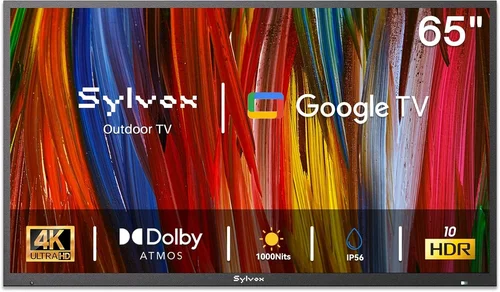
Outdoor living spaces have evolved dramatically over the past decade, and for renters, the patio is no longer just a place to store potted plants or hang a wind chime. It’s become an extension of the home—a spot for movie nights under the stars, weekend barbecues with friends, or quiet mornings with coffee and a favorite show. But bringing entertainment outdoors comes with unique challenges, especially when you don’t own the property. Unlike homeowners who can install permanent outdoor TV enclosures or run weatherproof wiring, renters need solutions that are flexible, non-invasive, and built to withstand the elements without violating lease agreements.
That’s where choosing the right patio TV becomes crucial. A standard indoor television might seem like a quick fix, but it’s a recipe for disaster—rain, humidity, extreme temperatures, and UV exposure can quickly ruin sensitive electronics. Worse, many landlords prohibit permanent modifications or outdoor installations, leaving renters in a tricky spot. The good news? The market has responded with innovative, renter-friendly options designed specifically for outdoor use without requiring drilling, mounting, or complex setup. From all-weather portable TVs to compact smart displays with protective casings, there’s never been a better time to enjoy high-quality viewing on your patio—even if you’re leasing.
In this comprehensive guide, we’ll walk you through everything you need to know to pick the perfect patio TV for your rental home. Whether you’re working with a tight budget, limited space, or strict landlord rules, we’ve got you covered. You’ll learn how to evaluate key features like brightness, weather resistance, portability, and smart functionality. We’ll break down different types of outdoor TVs, compare price ranges, highlight common pitfalls to avoid, and share expert tips to help you get the best value. By the end, you’ll have a clear roadmap to make a confident, informed decision—so you can kick back, relax, and enjoy your favorite content under the open sky.

What to Look for When Buying Buying Guide
1. Weather Resistance & IP Rating
When it comes to outdoor electronics, weather resistance isn’t just a nice-to-have—it’s essential. Unlike indoor TVs, patio models must endure rain, snow, dust, humidity, and temperature swings. The first thing to check is the TV’s Ingress Protection (IP) rating, which indicates how well it’s shielded against solids and liquids. For outdoor use, look for at least an IP54 rating (protection from splashing water and dust), but IP65 or higher is ideal for full exposure. This means the TV can handle rain, hose sprays, and even accidental spills without damage.
Beyond the IP rating, consider the materials used in construction. Look for sealed ports, corrosion-resistant screws, and ruggedized casings. Some models come with built-in heaters or cooling systems to prevent fogging in cold weather or overheating in direct sunlight. If you live in an area with harsh winters or intense summer sun, these features can significantly extend the TV’s lifespan. Also, check whether the TV is designed for partial or full outdoor exposure—some are only suitable for covered patios, while others can be placed in open areas.
2. Brightness & Screen Visibility
One of the biggest challenges with outdoor TVs is screen visibility in bright conditions. Sunlight can wash out even the most vibrant indoor displays, making it hard to see your favorite shows. That’s why brightness, measured in nits, is a critical factor. For patios with partial shade or covered areas, a brightness of 700–1,000 nits is usually sufficient. But if your patio gets direct sunlight for several hours a day, aim for 1,500 nits or higher. Some premium models boast up to 2,500 nits, rivaling professional outdoor signage.
Anti-glare and anti-reflective coatings also play a big role. These reduce the mirror-like effect that makes screens hard to view when the sun hits them at certain angles. Look for TVs with matte finishes and advanced optical filters. Additionally, consider the screen technology: OLED offers superior contrast and color accuracy but can struggle in bright light, while QLED and high-brightness LED panels perform better outdoors. Some models even include ambient light sensors that automatically adjust brightness based on surrounding conditions—a handy feature for changing weather.
3. Portability & Ease of Setup
For renters, portability is often just as important as performance. You need a TV that’s easy to move, store, and set up without damaging walls or violating lease terms. Look for lightweight designs with built-in handles or optional rolling stands. Many outdoor TVs come with freestanding bases or can be mounted on portable carts, eliminating the need for permanent wall mounts. This is especially useful if you move frequently or want to reposition the TV for different events.
Setup should be straightforward—ideally plug-and-play with minimal assembly. Some models include quick-release mechanisms or tool-free installation. If you plan to use the TV in multiple locations (like a balcony, garage, or backyard), consider a model with a compact footprint and foldable design. Also, check the power requirements: battery-powered or solar-compatible options are rare but emerging, while most rely on standard outlets. If your patio lacks easy access to power, look for TVs with long power cords or compatibility with outdoor-rated extension cords.
4. Smart Features & Connectivity
Today’s best patio TVs aren’t just about durability—they’re also packed with smart features that enhance convenience. Built-in Wi-Fi and streaming platforms like Roku, Android TV, or webOS allow you to access Netflix, YouTube, Hulu, and more without needing a separate device. Voice control via Alexa or Google Assistant is increasingly common, letting you change channels or search content hands-free—perfect when you’re grilling or lounging.
Connectivity options matter too. Look for multiple HDMI ports, USB inputs, and Bluetooth support for wireless audio. Some models include built-in speakers, but for better sound, consider pairing the TV with outdoor Bluetooth speakers or a soundbar. If you plan to connect gaming consoles, a sound system, or a streaming stick, ensure there are enough ports and that the TV supports HDMI-CEC for simplified control. Also, check for firmware update capabilities—this ensures your TV stays compatible with new apps and security patches over time.
5. Size & Viewing Distance
Choosing the right screen size depends on your patio layout and typical viewing distance. A TV that’s too small will be hard to see from a distance, while one that’s too large can overwhelm a small space. As a general rule, divide your viewing distance (in inches) by 1.5 to get the ideal screen size in inches. For example, if you’ll be sitting 8 feet (96 inches) away, a 65-inch TV is a good fit.
However, outdoor viewing often involves more ambient light and movement, so you may want to go slightly larger than you would indoors. A 55-inch TV might feel adequate inside but could appear small on a spacious patio. Also, consider the TV’s aspect ratio and bezel size—slim bezels create a more immersive experience and take up less visual space. If your patio is narrow or has limited clearance, a compact 43-inch model might be more practical. Always measure your space before buying, and account for the TV’s depth, especially if it includes a protective casing.
6. Power Consumption & Energy Efficiency
Outdoor TVs often run for extended periods, especially during summer evenings or weekend gatherings. High brightness and constant use can lead to significant energy consumption, so efficiency is worth considering. Look for models with Energy Star certification or low power modes that reduce brightness and turn off unused features when idle. Some TVs include timers or motion sensors that automatically power down when no one is present.
Also, consider the cost of operation over time. A TV that uses 150 watts per hour might not seem like much, but running it for 5 hours a day adds up. Compare the wattage ratings of different models and factor in your local electricity rates. If you’re eco-conscious, some brands offer solar-compatible accessories or energy-saving presets. While outdoor TVs generally consume more power than indoor ones due to higher brightness, newer models are becoming more efficient thanks to LED backlighting and smart power management.
7. Brand Reputation & Customer Support
Not all outdoor TV brands are created equal. Some specialize in rugged, weatherproof designs, while others repurpose indoor models with added casings. Stick with reputable manufacturers known for quality and reliability. Brands like SunBrite, Seura, and Peerless have long histories in the outdoor TV market and offer robust warranties. Avoid unknown or generic brands that may cut corners on materials or support.
Customer service is especially important for renters, who may need quick replacements or troubleshooting without the hassle of returns. Check online reviews for responsiveness, return policies, and availability of replacement parts. Some brands offer dedicated support lines for outdoor products, while others rely on general customer service. Also, look for companies that provide detailed installation guides, video tutorials, and compatibility charts—this can save you time and frustration during setup.
8. Warranty & Return Policy
A solid warranty is your safety net when investing in an outdoor TV. Most reputable brands offer at least a 1-year limited warranty, but premium models may include 2–3 years of coverage. Pay attention to what’s covered: some warranties exclude weather damage, while others include it. Look for comprehensive protection that covers both manufacturing defects and environmental wear.
Return policies are equally important, especially if you’re buying online. A 30-day return window gives you time to test the TV in real conditions and ensure it meets your expectations. Some retailers offer extended return periods during holidays or special promotions. Also, check whether the warranty is transferable—this can be useful if you move or sell the TV. Avoid sellers with restocking fees or strict return conditions, as these can make it costly to change your mind.
Different Types of Buying Guide

Common Buying Mistakes to Avoid
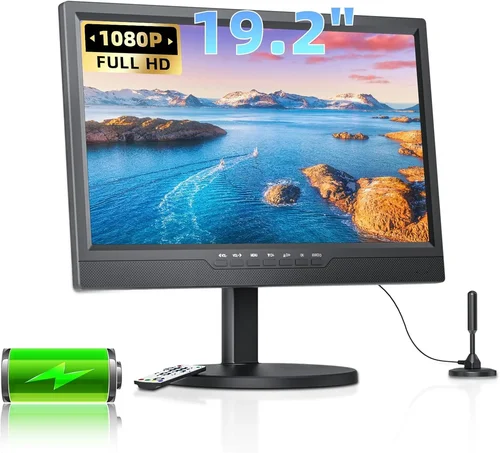
❌ Mistake: Buying a Standard Indoor TV for Outdoor Use
Why it’s bad: Indoor TVs aren’t designed to handle moisture, temperature changes, or UV exposure. Even a light rain can cause internal corrosion, and prolonged sun exposure can fade the screen or warp the casing. Many indoor models also lack the brightness needed for outdoor visibility, making them nearly unwatchable in daylight.
What to do instead: Invest in a TV specifically rated for outdoor use, even if it’s a budget-friendly model with a protective case. Look for weather-resistant features and avoid placing indoor electronics in environments they weren’t built for.
❌ Mistake: Ignoring the IP Rating
Why it’s bad: Without a proper IP rating, you have no guarantee the TV can withstand the elements. A TV with no rating or a low one (like IP20) is vulnerable to dust and water, which can lead to short circuits, screen damage, or complete failure.
What to do instead: Always check the IP rating before purchasing. For patios, aim for IP54 or higher. If your TV will be exposed to rain or sprinklers, go for IP65 or better. Don’t assume “outdoor” means fully protected—read the specs carefully.
❌ Mistake: Overlooking Brightness Requirements
Why it’s bad: A dim screen turns your patio into a guessing game. Even on cloudy days, ambient light can wash out a low-brightness display, making it hard to see details or colors. This is especially frustrating during daytime sports or outdoor movie nights.
What to do instead: Choose a TV with at least 700 nits for shaded areas and 1,500+ nits for sunny spots. Look for anti-glare coatings and consider the angle of sunlight on your patio throughout the day.
❌ Mistake: Choosing the Wrong Size
Why it’s bad: A TV that’s too small forces you to squint, while one that’s too large dominates the space and may not fit your setup. Poor sizing leads to discomfort and wasted money.
What to do instead: Measure your viewing distance and use the 1.5x rule to determine ideal screen size. Also, consider the physical dimensions of the TV, including its depth and bezel, to ensure it fits comfortably on your patio furniture or stand.
❌ Mistake: Neglecting Power and Connectivity Needs
Why it’s bad: Running long extension cords across your patio is a tripping hazard and can violate safety codes. Limited ports mean you can’t connect all your devices, forcing you to swap cables constantly.
What to do instead: Choose a TV with multiple HDMI and USB ports, and ensure it’s close to a power source. Use outdoor-rated extension cords if needed, and consider models with wireless streaming to reduce cable clutter.
❌ Mistake: Skipping the Warranty Check
Why it’s bad: Outdoor electronics are more prone to failure due to environmental stress. Without a solid warranty, you could be stuck with repair costs or a dead TV after just one season.
What to do instead: Always verify the warranty length and coverage. Look for brands that include weather damage and offer easy replacement processes. Avoid sellers with vague or limited policies.
❌ Mistake: Buying Without Testing Visibility
Why it’s bad: Screen performance can vary greatly in real-world conditions. A TV that looks great in a store may struggle in your specific lighting setup.
What to do instead: If possible, test the TV outdoors during the time of day you’ll use it most. Check for glare, color accuracy, and brightness. Read user reviews that mention outdoor performance in similar environments.
Budget Guidelines: How Much Should You Spend?
- Entry-Level ($300 – $800): These are typically indoor TVs paired with outdoor protective casings or basic covered-patio models. They offer decent picture quality and smart features but may lack high brightness or full weather resistance. Best for shaded patios or temporary use.
- Mid-Range ($800 – $1,800): This is the sweet spot for most renters. You’ll find portable outdoor TVs with IP54+ ratings, 1,000+ nits brightness, and solid smart platforms. These models balance performance, durability, and affordability, making them ideal for covered or partially exposed patios.
- Premium ($1,800 – $3,500): Designed for full outdoor exposure, these TVs feature IP65+ ratings, 1,500–2,500 nits brightness, and advanced cooling/heating systems. They often include premium materials, built-in speakers, and extended warranties. Perfect for uncovered decks or harsh climates.
- Luxury ($3,500+): Top-tier models from brands like SunBrite or Seura offer commercial-grade durability, ultra-high brightness, and custom installation options. These are overkill for most renters but ideal for luxury outdoor theaters or permanent setups.
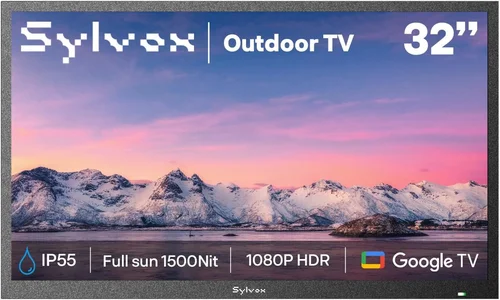
Expert Tips for Getting the Best Deal
- Shop During Off-Seasons: Outdoor TVs are in highest demand during spring and summer. Look for discounts in late fall or winter when retailers clear inventory.
- Compare Online and In-Store Prices: Online retailers often offer better deals, but in-store purchases let you test the TV and avoid shipping risks. Check price-matching policies.
- Look for Bundles: Some sellers include stands, covers, or streaming devices at a discount. These can save you money compared to buying separately.
- Read User Reviews Carefully: Focus on reviews from renters or people using the TV in similar conditions. Look for comments about brightness, durability, and ease of setup.
- Check Return Policies: Ensure you can return the TV if it doesn’t meet your needs. Avoid sellers with restocking fees or short windows.
- Consider Refurbished Models: Certified refurbished outdoor TVs from reputable brands can offer significant savings with full warranties.
- Test Before Committing: If possible, visit a store to see the TV in person. Pay attention to screen clarity, remote responsiveness, and build quality.
- Negotiate with Landlords: Some landlords may allow outdoor TVs if they’re non-invasive. Offer to use portable stands or removable mounts to ease concerns.

Frequently Asked Questions
Q: Can I use a regular TV on my patio if it’s under a cover?
A: It’s not recommended. Even under a cover, humidity, temperature swings, and indirect moisture can damage indoor electronics. A TV with an outdoor casing or a covered-patio model is a safer, longer-lasting choice.
Q: Do outdoor TVs need special installation?
A: Most portable models require no installation—just plug in and go. Wall-mounted outdoor TVs may need professional help, but renters should avoid permanent mounts. Look for freestanding or cart-mounted options.
Q: How do I protect my outdoor TV from theft?
A: Use security cables, lockable stands, or store the TV indoors when not in use. Some models include built-in security slots for anti-theft locks.
Q: Can I leave my outdoor TV outside year-round?
A: Only if it’s rated for full outdoor exposure (IP65+). For seasonal use, store the TV indoors during winter to extend its life.
Q: Do outdoor TVs come with remotes that work in sunlight?
A: Most standard remotes use infrared, which can be disrupted by sunlight. Look for models with Bluetooth remotes or smartphone app control for better reliability.
Q: Are outdoor TVs energy-efficient?
A: They consume more power than indoor TVs due to higher brightness, but many include energy-saving modes. Look for Energy Star ratings and auto-brightness features.
Q: Can I connect a soundbar to an outdoor TV?
A: Yes, most outdoor TVs support Bluetooth or wired audio output. For best results, use outdoor-rated speakers or a weatherproof soundbar.
Q: What’s the difference between a covered-patio TV and a full outdoor TV?
A: Covered-patio TVs are designed for protected areas and may not handle direct rain or snow. Full outdoor TVs are built for all conditions and have higher IP ratings.
Q: Do I need a streaming device if the TV is smart?
A: Not necessarily. Most smart outdoor TVs support major apps like Netflix and YouTube. However, a streaming stick can offer faster performance or access to additional services.
Q: How long do outdoor TVs typically last?
A: With proper care, a quality outdoor TV can last 5–7 years or more. Harsh weather, poor ventilation, or lack of maintenance can shorten its lifespan.
Our Final Recommendations
- Best for Budget-Conscious Buyers: TCL 55″ 4-Series with Outdoor Protective Case – Affordable, smart-enabled, and easy to set up. Ideal for covered patios under $600.
- Best Overall Value: SunBrite Veranda 55″ 4K UHD Outdoor TV – Excellent brightness (1,500 nits), IP55 rating, and built-in smart features. Priced around $1,600, it’s a renter-friendly powerhouse.
- Best Premium Option: Seura 65″ Shadow Outdoor TV – Sleek design, 2,000 nits brightness, and full weather resistance. Perfect for luxury patios at $3,200.
- Best for Beginners: LG 43″ Smart TV with Peerless Outdoor Enclosure – Simple setup, reliable performance, and good visibility. Great for first-time outdoor users under $900.
- Best for Advanced Users: Peerless-AV 75″ Xtreme Outdoor TV – Commercial-grade durability, ultra-high brightness, and customizable mounting. For serious outdoor entertainment enthusiasts at $4,000+.
Conclusion: Making the Right Choice
Choosing the best patio TV for a rental home is about balancing performance, practicality, and peace of mind. You need a display that can handle the elements without requiring permanent changes to your living space. By focusing on weather resistance, brightness, portability, and smart features, you can find a model that fits your lifestyle and budget. Avoid common pitfalls like using indoor TVs or ignoring IP ratings, and always prioritize warranties and return policies.
Remember, the goal isn’t to buy the most expensive TV—it’s to find the one that delivers the best experience for your specific needs. Whether you’re hosting summer barbecues, enjoying quiet evenings under the stars, or just catching up on your favorite series, the right patio TV can transform your outdoor space into a true entertainment hub. Take your time, do your research, and don’t hesitate to reach out to manufacturers or retailers with questions. With the insights from this guide, you’re well-equipped to make a smart, confident decision. Now go enjoy that fresh air—and your favorite show—in style.

