
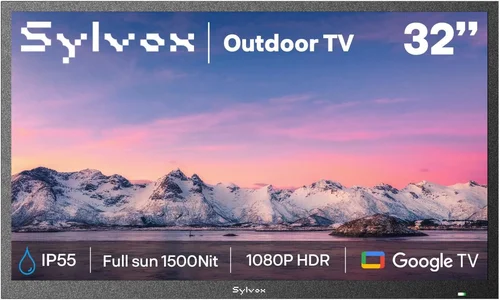
Transforming your patio or pool area into a year-round entertainment oasis is no longer a luxury reserved for the wealthy. With the right outdoor TV, you can enjoy movie nights under the stars, catch the big game while lounging poolside, or stream your favorite shows during backyard barbecues—all without worrying about weather damage or poor visibility in bright sunlight. But not all TVs are built for the great outdoors. Standard indoor televisions simply can’t withstand the elements: intense UV rays, humidity, rain, dust, and extreme temperatures can quickly degrade performance or cause permanent damage. That’s why investing in a purpose-built outdoor TV is essential for anyone serious about creating a functional and durable outdoor living space.
This comprehensive buyer’s guide is designed to help you navigate the often-confusing world of outdoor televisions. Whether you’re a first-time buyer or upgrading from an older model, we’ll walk you through every critical decision point—from understanding key performance specs to avoiding costly mistakes. You’ll learn how to evaluate brightness levels, assess weatherproofing standards, compare mounting options, and choose between fully sealed outdoor models versus indoor TVs used with protective enclosures. By the end of this guide, you’ll have the confidence and knowledge to select the perfect TV for your patio or pool area that delivers stunning picture quality, stands up to the elements, and fits your budget.
The outdoor TV market has evolved significantly over the past decade. What once consisted of bulky, expensive commercial-grade displays has now expanded to include sleek, consumer-friendly models from trusted brands like Samsung, LG, Sony, and specialized manufacturers such as SunBriteTV and Seura. These modern outdoor TVs offer 4K HDR resolution, smart platform integration, voice control, and even anti-glare coatings—features once exclusive to premium indoor sets. However, with more options comes greater complexity. Prices range from under $1,000 for basic models to over $5,000 for top-tier units, and not every “outdoor-ready” TV is created equal. This guide cuts through the marketing noise to give you honest, expert-backed advice so you can make a smart, long-lasting investment in your outdoor lifestyle.

What to Look for When Buying a Patio TV
1. Brightness & Sunlight Readability
One of the most critical factors when choosing a TV for your patio or pool area is brightness—measured in nits. Indoor TVs typically range from 300 to 600 nits, which is fine for dimly lit living rooms but completely inadequate for outdoor use. Direct sunlight, reflections off water, and ambient daylight can wash out even the best indoor displays, making content unwatchable. For outdoor environments, you need a TV with significantly higher brightness.
Look for outdoor TVs rated at 2,000 nits or higher for full sun exposure. These high-brightness panels use advanced backlighting and anti-reflective coatings to maintain visibility even at noon on a sunny day. Some premium models go beyond 3,000 nits, offering exceptional clarity in the brightest conditions. Additionally, check for features like local dimming, HDR10+ or Dolby Vision support, and matte screen finishes, which reduce glare and improve contrast outdoors. A TV that performs well in shade might struggle in direct sunlight, so always match the brightness level to your specific installation location—whether it’s under a covered pergola or fully exposed to the elements.
2. Weather Resistance & IP Rating
Outdoor TVs must endure rain, snow, dust, humidity, and temperature swings—sometimes all in one day. That’s why weather resistance isn’t optional; it’s mandatory. The best way to evaluate a TV’s durability is by checking its Ingress Protection (IP) rating. This two-digit code indicates how well the device resists solids (like dust) and liquids (like water).
For patio and pool area installations, aim for an IP55 or higher rating. Here’s what that means:
– First digit (5): Protected against dust (limited ingress, no harmful deposits).
– Second digit (5): Protected against water jets from any direction.
Some high-end models boast IP65 or IP66 ratings, offering even greater protection against powerful water jets and total dust resistance. These are ideal for coastal areas, heavy rainfall zones, or installations near splash zones. Additionally, ensure the TV’s internal components are sealed and that ventilation ports (if any) are designed to prevent moisture buildup. Avoid models that rely on passive cooling without proper sealing—they may overheat or corrode over time.
3. Build Quality & Durability
An outdoor TV isn’t just about surviving the weather—it’s about lasting for years without performance degradation. Look for TVs constructed with powder-coated aluminum chassis, stainless steel hardware, and UV-resistant plastics. These materials resist rust, fading, and warping caused by prolonged sun exposure.
Pay close attention to the screen type. Many outdoor TVs use direct-lit or full-array LED backlighting instead of edge-lit designs, which provides more uniform brightness and better heat dissipation. Also, check if the TV includes thermal management systems—such as internal fans or heat sinks—that prevent overheating during summer months. A well-built outdoor TV should feel solid and heavy, not flimsy or lightweight like some indoor models. Reinforced corners, sealed cable ports, and robust mounting brackets are all signs of thoughtful engineering for outdoor use.
4. Smart Features & Connectivity
Just because your TV is outdoors doesn’t mean it should lack modern conveniences. Today’s best outdoor TVs come equipped with full smart TV platforms like Google TV, webOS, or Tizen, allowing you to stream Netflix, YouTube, Disney+, and more directly without needing an external device.
Ensure the model you choose supports Wi-Fi 5 or Wi-Fi 6 for reliable streaming, even at a distance from your router. Look for multiple HDMI ports (preferably HDMI 2.1) to connect soundbars, gaming consoles, or streaming sticks. USB ports, Ethernet inputs, and Bluetooth connectivity are also valuable for flexibility. Some premium models even include built-in voice assistants (Google Assistant or Alexa) so you can control playback hands-free while lounging poolside.
5. Size & Viewing Distance
Choosing the right screen size is crucial for both comfort and immersion. Too small, and you’ll strain to see details; too large, and it may overwhelm your space or require excessive viewing distance.
A general rule of thumb:
– For 6–8 feet viewing distance: 55″ to 65″ screen
– For 8–10 feet: 65″ to 75″
– For 10+ feet: 75″ or larger
However, outdoor environments often have more ambient light and larger spaces, so leaning toward a larger screen is usually beneficial. Also, consider the aspect ratio and bezel design. Slim bezels maximize screen real estate and look more modern, especially when mounted on a wall or under a pergola. If space is tight, look for models with low-profile designs or portable outdoor TVs that can be moved seasonally.
6. Audio Performance
Most outdoor TVs have limited built-in speakers due to space and weatherproofing constraints. While this keeps the design compact and sealed, it often results in weak, tinny audio—especially problematic in open-air settings where sound dissipates quickly.
To compensate, many buyers pair their outdoor TV with a weather-resistant soundbar or outdoor speaker system. Look for TVs with optical audio output, HDMI ARC/eARC, or Bluetooth to easily connect external audio. Some premium models include enhanced built-in speakers with bass enhancement or virtual surround sound, but don’t rely solely on them for a satisfying audio experience. For pool parties or movie nights, investing in a dedicated outdoor audio setup is almost always worth it.
7. Installation & Mounting Options
How and where you mount your TV affects both functionality and longevity. Outdoor TVs require heavy-duty, weatherproof mounts that can handle wind loads, vibration, and corrosion. Fixed mounts are simplest, but tilt or full-motion articulating mounts offer flexibility for adjusting viewing angles based on sun position or seating layout.
Ensure the mount is rated for your TV’s weight and includes sealed cable management to protect wires from moisture. For pool areas, consider ceiling mounts or wall mounts with extended arms to keep the screen above splash zones. If you’re installing near saltwater (e.g., beachfront properties), opt for marine-grade stainless steel hardware to prevent rust.
8. Brand Reputation & Warranty
Not all outdoor TV brands are equal. Established names like SunBriteTV, Seura, Samsung Terrace, and LG Outdoor have proven track records in durability and customer support. These companies specialize in outdoor displays and often provide longer warranties and better service than generic manufacturers.
Look for a minimum 2-year warranty, with some premium brands offering up to 3 years. Check if the warranty covers both parts and labor, and whether it includes on-site service—a major advantage if your TV fails in a hard-to-reach location. Read customer reviews on trusted sites like Amazon, Best Buy, or specialty AV forums to gauge real-world reliability. Avoid unknown brands with vague specifications or no customer support presence.
Different Types of Outdoor TVs

Common Buying Mistakes to Avoid
❌ Mistake: Buying a Standard Indoor TV for Outdoor Use
Why it’s bad: Indoor TVs lack weatherproofing, have low brightness, and aren’t designed for temperature extremes. Even under cover, humidity and condensation can damage internal components within months.
What to do instead: Invest in a purpose-built outdoor TV or use a high-quality outdoor enclosure rated for your climate. The extra cost upfront saves you from frequent replacements and frustration.
❌ Mistake: Ignoring Brightness Requirements
Why it’s bad: A TV with only 500 nits will look dim and washed out in daylight, ruining your viewing experience. You’ll end up watching everything in the shade or only at night.
What to do instead: Match brightness to your environment: 1,500+ nits for shade, 2,000+ nits for partial sun, and 3,000+ nits for full sun. Check reviews that mention real-world outdoor performance.
❌ Mistake: Overlooking Audio Needs
Why it’s bad: Most outdoor TVs have weak built-in speakers. Without external audio, dialogue will be hard to hear over pool pumps, wind, or background noise.
What to do instead: Budget for a weather-resistant soundbar or wireless outdoor speakers. Look for models with optical or HDMI ARC outputs for easy integration.
❌ Mistake: Choosing the Wrong Mount
Why it’s bad: Using an indoor mount outdoors can lead to rust, instability, or even the TV falling. Wind and vibration require heavy-duty, corrosion-resistant hardware.
What to do instead: Purchase a mount specifically rated for outdoor use. Ensure it’s compatible with your TV’s VESA pattern and includes sealed cable channels.
❌ Mistake: Skipping Professional Installation
Why it’s bad: DIY installations often result in improper sealing, loose mounts, or electrical hazards—especially near water sources like pools.
What to do instead: Hire a certified AV installer with experience in outdoor setups. They’ll ensure safe wiring, proper grounding, and optimal placement.
❌ Mistake: Neglecting Warranty Details
Why it’s bad: Some warranties exclude outdoor use or require professional installation to remain valid. You could be stuck with repair costs if something goes wrong.
What to do instead: Read the fine print. Choose brands that explicitly cover outdoor use and offer on-site service. Register your product immediately after purchase.
Budget Guidelines: How Much Should You Spend?
– Entry-Level ($800 – $1,500): This tier includes portable outdoor TVs or indoor TVs paired with basic enclosures. Ideal for shaded patios, seasonal use, or small spaces. Expect lower brightness (under 1,500 nits), limited smart features, and shorter warranties. Great for renters or those testing the waters.
– Mid-Range ($1,500 – $3,000): The sweet spot for most homeowners. These are fully sealed outdoor TVs with 2,000+ nits brightness, IP55+ ratings, and decent smart platforms. Brands like SunBriteTV Veranda series or Samsung Terrace (smaller sizes) fall here. Expect 2-year warranties and reliable performance in most conditions.
– Premium ($3,000 – $5,000): For enthusiasts who want top-tier picture quality and durability. These models offer 3,000+ nits, Dolby Vision, full-array local dimming, and marine-grade construction. Perfect for pool decks, beach houses, or full-sun installations. Includes extended warranties and premium support.
– Luxury ($5,000+): Commercial-grade or ultra-large outdoor displays (75″+). Designed for 24/7 operation, extreme environments, and professional installations. Often used in resorts, hotels, or luxury estates. Features include redundant cooling, vandal-resistant screens, and custom mounting solutions.
Expert Tips for Getting the Best Deal
– Buy during off-seasons: Prices drop significantly in late fall and winter (October–February) when demand is low. Many retailers clear inventory before spring.
– Check manufacturer rebates: Brands like Samsung and LG often run seasonal promotions with cashback or free installation.
– Compare total cost of ownership: A cheaper TV with a short warranty may cost more long-term than a pricier model with 3 years of coverage.
– Shop at specialty AV retailers: Stores like Crutchfield, Abt, or Value Electronics often have better expertise, bundles, and return policies than big-box stores.
– Test before you commit: If possible, visit a showroom to see brightness and color accuracy in person. Online reviews can’t fully replicate real-world conditions.
– Bundle with audio: Some retailers offer discounts when you buy an outdoor TV and sound system together.
– Verify return policies: Ensure you can return the TV if it doesn’t perform as expected outdoors—some issues only appear after installation.
– Consider certified refurbished models: Reputable sellers offer refurbished outdoor TVs with full warranties at 20–30% off retail.

Frequently Asked Questions
Q: Can I use a regular TV outside if it’s under cover?
A: Technically yes, but it’s not recommended long-term. Even under cover, humidity, temperature swings, and dust can damage internal components. For reliable, long-lasting performance, invest in a TV designed for outdoor use or a high-quality enclosure.
Q: Do outdoor TVs need special power outlets?
A: No, they use standard 120V outlets. However, ensure the outlet is GFCI-protected (required near pools) and consider a surge protector to guard against lightning strikes.
Q: How do I clean an outdoor TV screen?
A: Use a microfiber cloth and distilled water only. Avoid ammonia-based cleaners or paper towels, which can scratch the anti-glare coating. Clean gently to avoid damaging the sealed surface.
Q: Will an outdoor TV work in winter?
A: Yes, most are rated for temperatures from -22°F to 122°F (-30°C to 50°C). However, extreme cold may temporarily reduce brightness until the TV warms up.
Q: Can I mount an outdoor TV on a brick or stucco wall?
A: Absolutely. Use masonry anchors and ensure the mount is rated for the wall type. A professional installer can assess structural integrity and prevent water intrusion.
Q: Do outdoor TVs come with remotes?
A: Yes, but many include weather-resistant remotes or support smartphone apps for control. Some models also work with universal remotes or voice assistants.
Q: How long do outdoor TVs last?
A: With proper care, a quality outdoor TV can last 7–10 years or more. Regular maintenance (cleaning, checking seals) extends lifespan significantly.
Q: Are outdoor TVs energy efficient?
A: Modern models are surprisingly efficient, especially LED-backlit ones. Look for ENERGY STAR certification to minimize power consumption.
Our Final Recommendations
– Best for Budget-Conscious Buyers: SunBriteTV Veranda Series (55″) – At around $1,800, it offers 2,000 nits brightness, IP55 rating, and reliable performance for shaded or partially covered patios. Great value for the price.
– Best Overall Value: Samsung The Terrace (65″) – Combines stunning 4K HDR picture, 2,500 nits brightness, and smart features in a sleek, weatherproof design. Priced around $3,200, it’s ideal for most homeowners.
– Best Premium Option: Seura Ultra Bright (75″) – With 3,500 nits, Dolby Vision, and marine-grade construction, this is the ultimate poolside TV. Expect to pay $4,800+, but it’s built to last decades.
– Best for Beginners: LG Outdoor 55″ with Enclosure Kit – A flexible, lower-cost solution using a high-quality indoor TV in a sealed outdoor case. Perfect for those new to outdoor entertainment.
– Best for Advanced Users: SunBriteTV Pro Series (86″) – Designed for commercial and high-end residential use, this model delivers 4,000 nits, 24/7 operation capability, and customizable mounting. Ideal for large estates or public venues.
Conclusion: Making the Right Choice
Choosing the best TV for your patio or pool area is about more than just screen size or brand name—it’s about matching technology to your environment, lifestyle, and long-term goals. From brightness and weather resistance to smart features and audio quality, every detail matters when you’re investing in outdoor entertainment. Avoid the temptation to cut corners with indoor TVs or cheap enclosures; the savings aren’t worth the frustration of premature failure or poor performance.
Take the time to assess your specific needs: How much sun does your space get? Will the TV be near water? Do you host frequent gatherings? Answering these questions will guide you toward the right category, size, and feature set. And remember, professional installation and proper maintenance are just as important as the TV itself.
Ultimately, the best outdoor TV is one that lets you enjoy your favorite content—rain or shine—without compromise. Whether you’re watching a sunset movie marathon or cheering on your team during a pool party, your outdoor TV should enhance, not hinder, the experience. Use this guide as your roadmap, prioritize quality and durability, and you’ll create an outdoor entertainment space that brings joy for years to come.

