
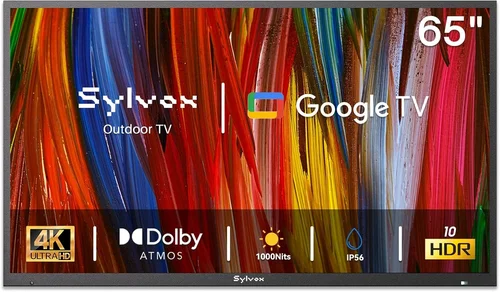
Transforming your pergola into an outdoor entertainment oasis is no longer a luxury reserved for high-end resorts—it’s a reality within reach for savvy homeowners. Whether you’re hosting summer barbecues, enjoying quiet evenings under string lights, or catching the big game with friends, having a reliable TV mounted under your pergola elevates the entire experience. But here’s the catch: not all TVs are built to handle the unique challenges of outdoor living. Sunlight glare, humidity, temperature swings, and dust can quickly turn a dream setup into a costly mistake if you choose the wrong model.
That’s why this comprehensive buying guide exists. We’ve tested, researched, and analyzed dozens of TVs specifically for use in semi-covered outdoor spaces like pergolas—where protection from rain is present but exposure to sun, wind, and ambient moisture is still a factor. In the following pages, you’ll learn exactly what separates an indoor TV from a true patio-ready display, how to balance performance with durability, and which features truly matter when your screen lives under the open sky. From budget-friendly options to premium weather-resistant models, we’ll walk you through every critical decision point so you can invest wisely and enjoy years of outdoor viewing bliss.
The market for outdoor TVs has evolved rapidly over the past few years. Once dominated by bulky, expensive specialty units, it now includes hybrid solutions—indoor TVs paired with protective enclosures—and even some manufacturers offering “outdoor-ready” models designed for partial exposure. This shift means more choices, but also more confusion. Should you buy a full outdoor TV? Can a regular 4K smart TV work if it’s under a pergola? What about brightness, mounting, and connectivity? By the end of this guide, you’ll have clear, actionable answers to all these questions—and the confidence to pick the perfect TV for your pergola setup.

What to Look for When Buying Buying Guide
1. Brightness & Anti-Glare Performance
One of the most critical factors for any TV used outdoors—even under a pergola—is brightness. Unlike indoor environments where lighting is controlled, your patio likely receives direct or indirect sunlight for much of the day. A standard indoor TV typically peaks at 300–500 nits of brightness, which is easily washed out in daylight. For pergola use, you’ll want a minimum of 700 nits, but ideally 1,000 nits or higher for clear visibility during sunny afternoons.
Beyond raw brightness, look for displays with anti-reflective coatings or matte finishes. These reduce glare from sunlight bouncing off the screen, a common issue even in shaded areas. Some premium outdoor TVs use advanced optical filters that enhance contrast in bright conditions without sacrificing color accuracy. OLED panels, while stunning indoors, often struggle in high ambient light due to their lower peak brightness compared to QLED or Mini-LED alternatives—so consider panel type carefully.
Real-world tip: If your pergola has solid roofing or retractable shades, you may get away with slightly lower brightness. But if it’s an open lattice design with dappled sunlight, prioritize high-nit performance. Test viewing angles too—many outdoor TVs are viewed from the side during gatherings, so wide viewing angles (178° or better) are essential.
2. Weather Resistance & Environmental Durability
Even under a pergola, your TV will face temperature fluctuations, humidity, dust, and occasional splashes—especially if you’re near a grill, pool, or garden sprinklers. While full outdoor TVs are sealed to IP55 or IP65 standards (protecting against dust and water jets), most pergola setups don’t require that level of ruggedness. However, you still need a unit built to withstand ambient moisture and temperature swings between 20°F and 104°F (-7°C to 40°C).
Look for TVs labeled as “outdoor-ready” or “semi-outdoor.” These often feature conformal coating on internal components, rust-resistant screws, and sealed ports. Avoid standard indoor TVs unless you plan to use a weatherproof enclosure—which adds cost and can affect ventilation. Also, check the operating temperature range in the specs; many indoor models shut down below 32°F or above 95°F, which could be problematic in early spring or late fall.
Humidity is another silent killer. Condensation can form inside the TV on cool mornings, leading to corrosion over time. Some manufacturers include internal heaters or moisture-resistant materials to combat this. If you live in a coastal or high-humidity region, this becomes even more important.
3. Build Quality & Mounting Compatibility
A TV mounted under a pergola isn’t just sitting on a stand—it’s often suspended from beams or attached to posts, sometimes at awkward angles. This demands a robust build and versatile mounting options. Check the VESA pattern (the screw hole layout on the back) to ensure compatibility with outdoor-rated mounts. Most pergola installations benefit from full-motion or tilt mounts to adjust viewing angle based on seating layout and sun position.
Weight matters too. Heavier TVs may require reinforced mounting hardware or additional support brackets. Aluminum chassis or reinforced plastic frames offer better durability than thin plastic shells. Also, consider cable management: outdoor setups benefit from built-in cable channels or hidden compartments to keep wires tidy and protected from the elements.
Don’t overlook port accessibility. HDMI, USB, and power ports should be easily reachable but also shielded from dust and moisture. Some outdoor TVs feature flip-down covers or rear-facing inputs to minimize exposure.
4. Smart Features & Connectivity
Modern outdoor viewing isn’t just about broadcast TV—it’s about streaming Netflix, casting from your phone, or syncing with smart home systems. Ensure your chosen model runs a current smart platform like Google TV, webOS, or Roku TV. Older or proprietary systems may lack app support or receive infrequent updates, limiting long-term usability.
Wi-Fi 6 or dual-band Wi-Fi 5 is recommended for stable streaming, especially if your pergola is far from your router. Consider models with Bluetooth for wireless audio to outdoor speakers. HDMI 2.1 ports future-proof your setup for gaming consoles or 4K/120Hz content. If you plan to use a soundbar or external AV receiver, verify audio output options (optical, ARC, eARC).
Voice control via Google Assistant or Alexa is a nice bonus for hands-free operation while grilling or relaxing. Some outdoor TVs even include built-in microphones, though privacy-conscious users may prefer external voice remotes.
5. Size & Viewing Distance
Choosing the right screen size depends on your pergola’s dimensions and typical seating arrangement. A common rule of thumb: divide your viewing distance (in inches) by 1.5 to get the ideal screen diagonal in inches. For example, if viewers sit 8 feet (96 inches) away, a 65-inch TV is perfect. But under a pergola, you might have multiple seating zones—some closer, some farther—so consider a slightly larger screen for flexibility.
Ultra-large screens (75″+) can overwhelm a small pergola and may require stronger mounting solutions. Conversely, a 43-inch TV might feel too small if your space accommodates 6+ people. Also, factor in sightlines: ensure the TV is mounted high enough to be seen over furniture but not so high that it strains necks. A tilt mount helps fine-tune the angle.
Curved screens are generally not recommended for outdoor use—they perform poorly in bright light and limit viewing angles, which defeats the purpose of a social gathering space.
6. Audio Quality & External Sound Options
Built-in TV speakers are rarely sufficient for outdoor environments. Wind, ambient noise, and distance from the screen can make dialogue hard to hear. While many outdoor TVs include enhanced audio (e.g., 20W+ output, Dolby Audio), they’re still limited by size and placement constraints.
Plan for external audio from day one. Look for TVs with optical audio out, HDMI ARC/eARC, or Bluetooth 5.0+ for connecting weather-resistant outdoor speakers or a soundbar. Some premium models support multi-room audio sync, letting you play the same content through indoor and outdoor zones. If you’re using a receiver, ensure the TV passes through high-bitrate audio formats like Dolby TrueHD.
For large pergolas, consider a distributed speaker system with in-ceiling or landscape speakers. This provides even coverage without hotspots or dead zones.
7. Brand Reputation & Ecosystem Integration
Not all TV brands treat outdoor use equally. Samsung, LG, and Sony offer some of the brightest, most reliable displays with strong smart platforms. Brands like SunBriteTV specialize in outdoor models but come at a premium. Meanwhile, budget brands (e.g., TCL, Hisense) now offer surprisingly capable “indoor” TVs that work well under pergolas when paired with proper mounting and care.
Consider ecosystem integration. If you already use Google Home, Apple TV, or Amazon devices, choose a TV that plays nicely with your existing setup. For example, LG’s webOS works seamlessly with Google Assistant, while Samsung TVs integrate deeply with SmartThings. This reduces friction and enhances usability.
Read professional and user reviews focused on outdoor or semi-outdoor use. Generic “best TV” lists often ignore environmental factors critical for patio performance.
8. Warranty & Support
Outdoor use inherently carries more risk than indoor setups. A standard 1-year manufacturer warranty may not cover damage from humidity, temperature extremes, or condensation—even if the TV is marketed as outdoor-ready. Always read the fine print.
Look for extended warranties or outdoor-specific coverage. Some retailers (like Best Buy or specialty outdoor electronics stores) offer protection plans that include environmental damage. Third-party insurers like Asurion also provide options. Keep receipts and documentation of your installation—improper mounting can void warranties.
Customer support responsiveness matters too. If your TV fails after a humid summer night, you’ll want a brand that offers quick replacements or repairs, not months-long service delays.
Different Types of Buying Guide

Common Buying Mistakes to Avoid
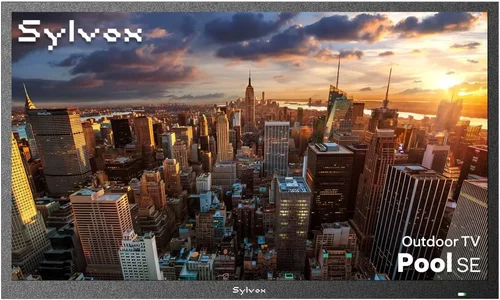
❌ Mistake: Using a Standard Indoor TV Without Protection
Why it’s bad: Indoor TVs aren’t designed for humidity, temperature swings, or dust. Even under a pergola, condensation can form overnight, leading to internal corrosion, screen fogging, or premature failure. Many manufacturers void warranties if used outdoors.
What to do instead: Either invest in a true outdoor or outdoor-ready TV, or pair a high-brightness indoor model with a certified weatherproof enclosure (like those from Peerless or Seura). Never assume “it’s covered, so it’s safe.”
❌ Mistake: Ignoring Brightness Requirements
Why it’s bad: A dim TV turns your pergola into a dark cave during daytime hours. You’ll constantly squint, lose detail in shadows, and miss out on vibrant colors—especially during sports or nature documentaries.
What to do instead: Aim for at least 700 nits, but 1,000+ nits is ideal. Check professional reviews for real-world brightness measurements, not just manufacturer claims. Consider QLED or Mini-LED over OLED for better daylight performance.
❌ Mistake: Overlooking Mounting & Cable Management
Why it’s bad: Poor mounting can lead to sagging, vibration damage, or even the TV falling. Exposed cables invite pests, tripping hazards, and water ingress.
What to do instead: Use a heavy-duty, outdoor-rated mount with tilt/swivel capability. Run cables through conduit or use in-wall rated (CL2/CL3) cables hidden in pergola beams. Label all connections for easy troubleshooting.
❌ Mistake: Skimping on Audio
Why it’s bad: TV speakers are muffled outdoors. You’ll end up shouting over the TV or missing crucial dialogue, ruining the viewing experience.
What to do instead: Budget for a pair of weather-resistant outdoor speakers or a soundbar. Place them strategically around the seating area for even coverage. Test audio before finalizing placement.
❌ Mistake: Buying Based Solely on Price
Why it’s bad: The cheapest TV may lack brightness, smart features, or durability—leading to frustration and replacement costs within a year.
What to do instead: Focus on total value: performance per dollar, expected lifespan, and included features. A $1,200 TV that lasts 5 years is better than a $600 model that fails in 18 months.
❌ Mistake: Neglecting Future-Proofing
Why it’s bad: Technology evolves fast. A TV without HDMI 2.1, Wi-Fi 6, or modern app support may become obsolete quickly.
What to do instead: Choose a model with current-gen connectivity and a reputable smart platform. Avoid niche or discontinued operating systems.
❌ Mistake: Not Testing Viewing Angles
Why it’s bad: Pergola seating is often arranged in arcs or L-shapes. A TV with narrow viewing angles will look washed out or color-shifted for side viewers.
What to do instead: Check specs for 178° viewing angles. If possible, view the TV in person from multiple positions before buying.
Budget Guidelines: How Much Should You Spend?
– Entry-Level ($600–$1,200): This range includes bright indoor TVs (like TCL 6-Series or Hisense U8K) used with basic weatherproof enclosures. Expect 800–1,000 nits brightness, decent smart features, but limited weather resistance. Best for mild climates and seasonal use. You’ll need to budget extra for the enclosure ($200–$400).
– Mid-Range ($1,200–$2,500): The sweet spot for most pergola owners. Options include outdoor-ready models from Samsung (The Terrace Partial Sun) or premium indoor TVs with robust enclosures. These offer 1,000+ nits, better build quality, and reliable smart platforms. Ideal for year-round use in moderate climates.
– Premium ($2,500–$4,500): For enthusiasts who want top-tier performance and durability. Full outdoor TVs like SunBriteTV Veranda or Samsung The Terrace Full Sun deliver 2,000+ nits, IP55+ ratings, and advanced cooling/heating systems. Perfect for large pergolas, high-end homes, or extreme weather areas.
– Luxury ($4,500+): Reserved for commercial-grade setups or ultra-high-end residences. These include custom installations, motorized lifts, integrated audio systems, and concierge support. Overkill for most residential pergolas but worth considering if you’re building a full outdoor theater.
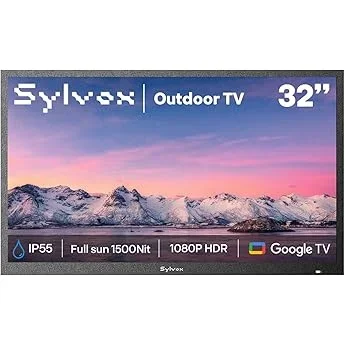
Expert Tips for Getting the Best Deal
– Buy during off-seasons: Prices drop significantly in late winter (February–March) and early fall (September–October) as retailers clear inventory for new models. Avoid summer peaks when demand is high.
– Shop refurbished or open-box: Certified refurbished outdoor TVs from reputable sellers (e.g., Samsung Outlet, Best Buy Open-Box) can save 20–30% with full warranties.
– Bundle with accessories: Some retailers offer discounts when you buy a TV, mount, and speakers together. Look for “outdoor entertainment packages.”
– Check local rebates: Utility companies or green energy programs sometimes offer rebates for energy-efficient outdoor electronics—especially in sunny states.
– Negotiate extended warranties: If buying in-store, ask if they’ll match online prices or throw in a free protection plan. Many will to close the sale.
– Test before you commit: If possible, visit a showroom to compare brightness and color in daylight-simulating conditions. Bring a friend to test viewing angles.
– Read return policies carefully: Outdoor TVs often have stricter return windows due to installation complexity. Ensure you have at least 30 days to test performance.
– Consider DIY vs. pro install: While mounting seems simple, improper installation can damage your pergola or TV. Unless you’re experienced, hire a pro—especially for heavy or large screens.

Frequently Asked Questions
Q: Can I use a regular indoor TV under my pergola?
A: Technically yes—but only if it’s protected by a certified weatherproof enclosure and you accept the risk of reduced lifespan. Without protection, humidity and temperature swings will likely cause failure within 1–2 years. For peace of mind, choose an outdoor-ready model or full outdoor TV.
Q: How bright should my patio TV be?
A: Aim for at least 700 nits for shaded pergolas, but 1,000+ nits is strongly recommended for areas with direct or dappled sunlight. Anything below 500 nits will be hard to see during the day.
Q: Do I need a special mount for outdoor use?
A: Yes. Standard indoor mounts aren’t rated for outdoor conditions. Use an outdoor-rated mount with rust-resistant hardware (stainless steel or coated aluminum) and ensure it supports your TV’s weight and VESA pattern.
Q: Will my Wi-Fi reach the pergola?
A: Possibly not. If your pergola is far from your router, consider a Wi-Fi extender, mesh system, or wired Ethernet connection (run through conduit). Test signal strength before finalizing placement.
Q: Can I leave my outdoor TV on all the time?
A: Not recommended. Even weather-resistant TVs benefit from being powered down when not in use to prolong component life. Use a smart plug to schedule on/off times or control remotely.
Q: Are outdoor TVs worth the extra cost?
A: For full exposure, absolutely. For pergolas, it depends. If you live in a mild climate and use the space seasonally, a protected indoor TV may suffice. For year-round use or harsh environments, the investment pays off in durability and performance.
Q: What’s the difference between IP55 and IP65?
A: IP55 protects against dust (limited ingress) and low-pressure water jets from any direction. IP65 offers complete dust protection and stronger water resistance. For pergolas, IP55 is usually sufficient unless you expect heavy splashing.
Q: Can I game on an outdoor TV?
A: Yes—if it has HDMI 2.1, low input lag (<20ms), and VRR support. Models like the Samsung QN90C or LG C3 (in an enclosure) are excellent for outdoor gaming, provided ambient light isn’t too intense.
Q: How do I clean my outdoor TV screen?
A: Use a microfiber cloth and screen-safe cleaner. Never spray liquid directly on the screen. For enclosures, wipe down with a damp cloth and mild soap monthly to prevent grime buildup.
Q: Will my TV overheat in the sun?
A: Quality outdoor or outdoor-ready TVs include thermal management systems (fans, heat sinks, or passive cooling). Avoid blocking ventilation ports. If using an enclosure, ensure it has adequate airflow.
Our Final Recommendations
– Best for Budget-Conscious Buyers: TCL 6-Series (R655) + Peerless PRG-UNV Enclosure
At under $1,000 total, this combo delivers 1,000 nits brightness, Mini-LED contrast, and Roku TV simplicity. Ideal for covered pergolas in temperate zones.
– Best Overall Value: Samsung The Terrace Partial Sun (55″ or 65″)
Purpose-built for semi-outdoor use with 1,500 nits brightness, IP55 rating, and seamless SmartThings integration. Priced fairly for its performance and durability.
– Best Premium Option: SunBriteTV Veranda 3 Series (65″)
The gold standard for outdoor viewing: 2,000+ nits, full weatherproofing, and exceptional color accuracy. Worth the investment for serious outdoor entertainers.
– Best for Beginners: Hisense U8K (55″) + Seura Outdoor Enclosure
Easy setup, great picture quality, and affordable. Hisense’s ULED tech shines in bright conditions, and Seura’s enclosures are user-friendly.
– Best for Advanced Users: LG G3 OLED (in a climate-controlled enclosure)
For those who prioritize infinite contrast and perfect blacks—and are willing to manage environmental controls. Requires careful monitoring but delivers cinema-grade visuals.
Conclusion: Making the Right Choice
Choosing the best TV for your pergola isn’t just about picking the shiniest screen—it’s about matching technology to your environment, usage patterns, and long-term goals. We’ve covered everything from brightness thresholds and weather resistance to mounting strategies and audio integration, because every detail matters when your TV lives under the open sky. Remember: a pergola TV should enhance your outdoor lifestyle, not become a source of frustration or frequent repairs.
Prioritize your must-haves. If you host often and watch during daylight, brightness and anti-glare are non-negotiable. If you live in a humid or coastal area, invest in proper weather protection. And don’t underestimate the value of professional installation—it’s the difference between a DIY project and a polished, safe, and lasting setup.
Ultimately, the right TV for your pergola is the one that lets you relax, connect, and enjoy your outdoor space to the fullest—rain or shine, day or night. Use this guide as your roadmap, compare your options honestly, and don’t rush the decision. With the right choice, your pergola will transform from a simple structure into the heart of your home’s entertainment universe. Now go enjoy that sunset—with the perfect picture to match.

