
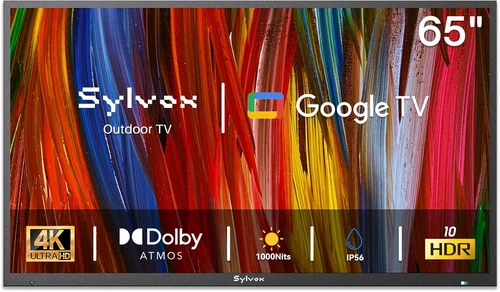
Outdoor gatherings have evolved far beyond simple barbecues and casual chats under string lights. Today’s families are creating fully immersive outdoor entertainment zones—complete with grills, fire pits, sound systems, and yes, high-quality outdoor TVs. Whether you’re hosting a summer movie night, watching the big game with friends, or simply enjoying a quiet evening under the stars, having a reliable television designed for outdoor use can transform your patio into a true extension of your living room.
But here’s the catch: not all TVs are built to withstand the elements. Standard indoor televisions may offer stunning picture quality, but they’re vulnerable to humidity, temperature swings, dust, and direct sunlight—all common on patios and decks. That’s why investing in a purpose-built outdoor TV is essential if you want long-term performance and peace of mind. The good news? The market has matured significantly in recent years, with manufacturers now offering a wide range of options tailored specifically for outdoor environments.
This comprehensive buyer’s guide will walk you through everything you need to know before purchasing an outdoor TV for your patio. From understanding key performance specs and durability requirements to comparing different types of outdoor displays and avoiding costly mistakes, we’ve got you covered. By the end, you’ll have the knowledge and confidence to choose the perfect outdoor TV that fits your budget, lifestyle, and family’s entertainment needs—no guesswork required.
—

What to Look for When Buying Buying Guide
1. Weather Resistance & IP Rating
One of the most critical factors when choosing an outdoor TV is its ability to resist environmental hazards. Unlike indoor models, outdoor TVs must endure rain, snow, humidity, extreme temperatures, and even dust or insects. This is where the Ingress Protection (IP) rating comes into play. The IP rating consists of two digits—the first indicates protection against solid particles (like dust), and the second against liquids (like water). For patios, look for a minimum IP54 rating, but ideally aim for IP55 or higher. An IP55-rated TV can handle low-pressure water jets from any direction and is protected from limited dust ingress, making it suitable for most covered outdoor spaces.
Keep in mind that “weather-resistant” doesn’t always mean “weatherproof.” Some manufacturers market TVs as “outdoor-ready” but only include basic covers or enclosures. True outdoor TVs are engineered from the ground up with sealed components, corrosion-resistant materials, and internal climate control systems (like heaters or fans) to maintain optimal operating temperatures. If your patio is fully exposed to the elements—especially in regions with harsh winters or intense summer sun—you’ll want a fully sealed, all-weather model.
2. Brightness & Anti-Glare Technology
Sunlight is the enemy of screen visibility outdoors. Even on partly cloudy days, ambient light can wash out colors and make images hard to see. That’s why brightness—measured in nits—is arguably more important outdoors than resolution or smart features. For patios with partial shade or covered areas, a brightness of at least 700 nits is recommended. However, if your TV will be placed in direct sunlight or highly reflective environments (like near pools or light-colored walls), you’ll need a minimum of 1,000–2,500 nits.
Beyond raw brightness, look for anti-glare or anti-reflective coatings on the screen. These coatings diffuse incoming light rather than reflecting it directly into viewers’ eyes, significantly improving visibility during daytime use. Some premium models also feature optical bonding—a process where the glass layer is fused directly to the LCD panel—to reduce internal reflections and enhance contrast in bright conditions.
Don’t confuse high brightness with poor energy efficiency. Modern LED-backlit outdoor TVs use advanced local dimming and adaptive brightness sensors to adjust output based on ambient light, saving power without sacrificing visibility.
3. Display Technology: LED vs. OLED vs. QLED
The type of display technology used in your outdoor TV dramatically affects picture quality, durability, and cost. Let’s break down the three main options:
- LED/LCD: The most common and affordable option. LED-backlit LCDs offer excellent brightness, good color accuracy, and long lifespans. They’re ideal for outdoor use due to their robustness and ability to hit high nit levels. However, black levels aren’t as deep as OLED, which can reduce contrast in shaded or nighttime viewing.
- OLED: Known for perfect blacks, infinite contrast, and wide viewing angles. While stunning indoors, OLED panels struggle in bright outdoor settings because they typically max out around 800 nits—insufficient for direct sunlight. Additionally, OLEDs are more susceptible to image retention and burn-in over time, especially with static content like sports scoreboards or news tickers. Most experts do not recommend OLED for primary outdoor use.
- QLED (Quantum Dot LED): A hybrid approach that combines LED backlighting with quantum dot technology for richer colors and higher peak brightness (often exceeding 1,500 nits). QLED TVs strike a great balance between performance and practicality for outdoor environments. They deliver vibrant HDR content, resist burn-in better than OLED, and perform well in daylight.
For family gatherings on the patio—where lighting conditions vary and content ranges from movies to live sports—QLED or high-brightness LED/LCD models are generally the best choices.
4. Size & Viewing Distance
Choosing the right screen size isn’t just about aesthetics—it’s about ensuring everyone in your group can enjoy a clear, comfortable view. A common mistake is going too small for large patios or seating arrangements. As a rule of thumb, multiply your ideal viewing distance (in inches) by 0.84 to determine the optimal screen diagonal size. For example, if your seating area is 10 feet (120 inches) away, aim for a 100-inch screen (120 × 0.84 ≈ 101).
However, outdoor spaces often have more ambient light and less controlled acoustics, so larger screens help maintain immersion. For patios hosting 6–10 people, consider screens between 65 and 85 inches. If space allows and your budget supports it, 98-inch or even 100+ inch models can create a true cinematic experience. Just remember: larger screens require stronger mounting solutions and may need professional installation, especially if wall-mounted under eaves or pergolas.
Also consider the TV’s aspect ratio and bezel design. Slim bezels maximize screen real estate and reduce visual distraction, which is especially helpful when multiple people are viewing from different angles.
5. Smart Features & Connectivity
Today’s outdoor TVs aren’t just dumb screens—they come packed with smart capabilities that enhance usability. Look for built-in Wi-Fi, Bluetooth, and support for popular streaming platforms like Netflix, YouTube, Disney+, and Amazon Prime Video. Many models run on Android TV, webOS, or Roku OS, giving you access to thousands of apps and voice control via Google Assistant or Alexa.
Connectivity is equally important. Ensure the TV has enough HDMI ports (at least 3–4) for devices like gaming consoles, soundbars, streaming sticks, or cable boxes. USB ports are useful for playing media files directly, while Ethernet provides a stable wired internet connection—ideal for areas with weak Wi-Fi signals. Some premium models even include weatherproof external input boxes that house all connections away from the main unit, protecting them from moisture.
Don’t overlook audio. While most outdoor TVs have decent built-in speakers, they’re rarely powerful enough for open-air environments. Plan to pair your TV with outdoor-rated soundbars or wireless speaker systems for fuller, richer sound during gatherings.
6. Build Quality & Durability
An outdoor TV is a long-term investment, so build quality matters more than ever. Start by examining the materials: aluminum or powder-coated steel chassis resist rust and corrosion far better than plastic. Internal components should be sealed against moisture, and vents (if present) should include filters to keep dust out.
Thermal management is another key durability factor. Outdoor TVs often include passive cooling (heat sinks) or active systems (quiet fans or Peltier coolers) to prevent overheating in summer and freezing in winter. Look for models rated for operating temperatures between -22°F and 122°F (-30°C to 50°C)—this covers nearly all global climates.
Finally, consider the mounting system. Outdoor TVs should come with VESA-compatible brackets, but verify compatibility with your chosen wall or ceiling mount. Some brands offer proprietary mounting kits designed specifically for their enclosures, which can simplify installation and improve stability in windy conditions.
7. Brand Reputation & Ecosystem Compatibility
Not all outdoor TV brands are created equal. Stick with manufacturers known for reliability, customer service, and genuine outdoor engineering—not just repackaged indoor models. Leading names include Samsung (with its Terrace series), LG (OLED.EX for select outdoor applications), SunBriteTV (a pioneer in the category), and Seura (known for sleek designs and mirror-TV hybrids).
Also consider ecosystem compatibility. If you already own smart home devices from a particular brand (e.g., Google Nest, Apple HomeKit, or Amazon Echo), choosing a TV that integrates seamlessly can streamline control. For instance, Samsung’s Terrace works flawlessly with SmartThings, while LG’s models support ThinQ AI and AirPlay 2.
Read real user reviews from outdoor enthusiasts—not just tech bloggers. Look for feedback on longevity, customer support responsiveness, and how the TV performs after 1–2 years of seasonal use.
8. Warranty & Support
Outdoor electronics face harsher conditions than indoor gear, so warranty coverage is non-negotiable. Most reputable brands offer 2–3 years of limited warranty, but some extend coverage to 5 years for commercial or premium residential use. Pay attention to what’s covered: does it include labor, parts, and on-site service? Is the warranty voided if installed incorrectly?
Support matters too. Can you reach a human quickly if something goes wrong? Do they offer remote diagnostics or local technician networks? Brands like SunBriteTV provide dedicated outdoor support lines, while others route you through generic consumer electronics channels.
Lastly, check return policies. Some retailers allow 30–60 days for returns, but outdoor TVs are often large, heavy, and expensive to ship back. Make sure you understand restocking fees and return windows before ordering.
—
Different Types of Buying Guide

—
Common Buying Mistakes to Avoid
❌ Mistake: Buying a Standard Indoor TV for Outdoor Use
Why it’s bad: Indoor TVs lack weather sealing, corrosion-resistant components, and thermal management systems. Even under a covered patio, humidity and temperature swings can cause internal condensation, component failure, or shortened lifespan. Many indoor models also don’t meet the brightness requirements for daylight viewing.
What to do instead: Invest in a TV specifically engineered for outdoor environments—or use a high-quality outdoor enclosure if repurposing an indoor model. Never assume “it’ll be fine under the roof.”
❌ Mistake: Ignoring Brightness Requirements
Why it’s bad: A dim screen turns your family movie night into a squinting contest. Many buyers focus on resolution (4K, 8K) but overlook nits, resulting in a TV that’s unusable during the day.
What to do instead: Match brightness to your lighting conditions. Use 700+ nits for shaded areas, 1,000+ for partial sun, and 2,000+ for direct exposure. Check reviews that mention real-world daylight performance.
❌ Mistake: Overlooking Audio Needs
Why it’s bad: Outdoor acoustics dissipate sound quickly. Built-in TV speakers often sound tinny and get drowned out by wind, traffic, or conversation.
What to do instead: Budget for outdoor-rated speakers or a weatherproof soundbar. Wireless options like Sonos Move or Bose Portable Smart Speaker work well and can be moved around your patio.
❌ Mistake: Skimping on Mounting Hardware
Why it’s bad: Using indoor mounts outdoors can lead to rust, instability, or even collapse in high winds. Improper mounting also voids many warranties.
What to do instead: Use marine-grade stainless steel or aluminum mounts rated for outdoor use. Consider tilt or full-motion arms if you need adjustable viewing angles.
❌ Mistake: Not Planning for Cable Management
Why it’s bad: Exposed cables are tripping hazards and vulnerable to weather damage. They also ruin the clean look of your setup.
What to do instead: Run cables through conduit or use in-wall rated wiring if possible. Some outdoor TVs include hidden cable channels or external input boxes for neat organization.
❌ Mistake: Forgetting About Power Supply
Why it’s bad: Outdoor outlets may not be GFCI-protected or conveniently located. Extension cords pose safety risks and can be damaged by foot traffic or weather.
What to do instead: Hire an electrician to install a dedicated, weatherproof outlet near your TV location. Use GFCI protection to prevent shocks in wet conditions.
❌ Mistake: Assuming All “Outdoor” TVs Are Equal
Why it’s bad: Marketing terms like “outdoor-ready” or “weather-resistant” vary widely in meaning. Some products are barely modified indoor units.
What to do instead: Research the IP rating, operating temperature range, and internal construction. Look for third-party certifications or professional installer recommendations.
—
Budget Guidelines: How Much Should You Spend?
Outdoor TVs represent a significant investment, but pricing tiers help align your spend with your needs and expectations.
- Entry-Level ($800 – $1,800): These are typically indoor TVs paired with basic outdoor enclosures or lower-tier covered-patio models. Expect modest brightness (500–700 nits), limited smart features, and shorter warranties. Best for occasional use under solid cover in mild climates.
- Mid-Range ($1,800 – $4,000): This is the sweet spot for most families. You’ll find purpose-built covered-patio TVs with 700–1,200 nits brightness, solid smart platforms, and decent weather resistance (IP54–IP55). Brands like Samsung Terrace Lite and SunBriteTV Veranda fall here. Ideal for year-round use under pergolas or screened-in areas.
- Premium ($4,000 – $8,000): Designed for fully exposed environments, these all-weather TVs offer 1,500–2,500+ nits, full sealing (IP56+), advanced thermal management, and premium materials. Expect longer warranties (3–5 years), superior HDR performance, and robust smart ecosystems. Perfect for pool decks, open patios, or four-season climates.
- Luxury ($8,000+): Top-tier commercial or custom installations. Think 85–100+ inch screens, 24/7 operation capability, vandal-resistant glass, and integrated AV systems. Often used in luxury homes, resorts, or public venues. Only necessary for extreme conditions or professional-grade setups.
—
Expert Tips for Getting the Best Deal
- Buy During Off-Seasons: Retailers often discount outdoor electronics in late fall and winter (October–February) when demand drops. You can save 15–25% compared to spring/summer peaks.
- Shop Authorized Dealers: Avoid third-party sellers on marketplaces like eBay or Amazon unless they’re authorized. Unauthorized resellers may sell refurbished units as new or void your warranty.
- Bundle with Accessories: Some retailers offer discounts when you buy a TV, mount, and sound system together. Ask about package deals—they’re common during holiday sales.
- Check for Professional Installation Incentives: Brands like SunBriteTV partner with local installers who may offer free consultation or discounted labor with purchase.
- Negotiate Extended Warranties: If the standard warranty is only 2 years, ask if you can upgrade to 3–5 years at a reduced rate. Sometimes this is cheaper than buying separately.
- Test Before Committing: If possible, visit a showroom or friend’s setup to see brightness and color accuracy in daylight. Photos online don’t capture real-world glare performance.
- Read the Fine Print on Returns: Outdoor TVs are often final sale due to size and cost. Confirm return windows and restocking fees before ordering online.
- Consider Refurbished Models: Certified refurbished units from manufacturers (not resellers) can offer 20–30% savings with full warranty coverage. Great for mid-range buyers.
—

Frequently Asked Questions
Q: Can I use my indoor TV outside if it’s under a covered patio?
A: Technically yes, but it’s not recommended for long-term use. Even covered areas experience humidity, temperature swings, and dust. Without proper sealing, moisture can condense inside the TV, leading to corrosion or electrical failure. If you must, use a high-quality outdoor enclosure rated for your climate—but expect reduced lifespan compared to a true outdoor TV.
Q: Do outdoor TVs consume more power than indoor ones?
A: Not necessarily. While they may have brighter backlights, modern outdoor TVs use efficient LED technology and adaptive brightness sensors that lower output in dim conditions. Many are ENERGY STAR certified. However, larger screens and added cooling systems can increase consumption slightly—factor this into your long-term costs.
Q: How do I clean an outdoor TV screen?
A: Use a microfiber cloth and distilled water only. Avoid ammonia-based cleaners (like Windex) or abrasive materials, which can damage anti-glare coatings. For stubborn spots, lightly dampen the cloth—never spray liquid directly on the screen. Turn off and unplug the TV before cleaning.
Q: Will an outdoor TV work in freezing temperatures?
A: Yes, if it’s rated for low-temperature operation (typically -22°F or lower). Premium models include internal heaters that activate automatically when temps drop, preventing LCD fluid from freezing. Check the spec sheet for the operating temperature range before buying.
Q: Can I wall-mount an outdoor TV myself?
A: It depends on your DIY skills and the mounting surface. Concrete, brick, or treated wood require special anchors and drills. If you’re unsure, hire a professional—especially for screens over 65 inches. Improper mounting can damage the TV or cause injury.
Q: Do outdoor TVs support 4K and HDR?
A: Absolutely. Most mid-range and premium outdoor TVs offer 4K resolution with HDR10, Dolby Vision, or HLG support. Just ensure your streaming device or cable box also supports these formats for the best experience.
Q: How long do outdoor TVs typically last?
A: With proper care, a quality outdoor TV should last 7–10 years—similar to indoor models. Factors like climate exposure, usage frequency, and maintenance play big roles. All-weather models generally outlast covered-patio versions.
Q: Are there solar-powered outdoor TV options?
A: Not yet for full-size TVs, but portable models (under 55 inches) can run on large power stations or solar generators. This is ideal for off-grid cabins or camping. Look for TVs with low power consumption (under 150W) for best compatibility.
Q: What’s the difference between IP55 and IP65?
A: Both protect against dust and water, but IP65 offers “dust tight” sealing (no ingress whatsoever), while IP55 allows limited dust entry (not harmful to operation). IP65 is better for sandy or dusty environments like deserts or beaches.
Q: Can I control my outdoor TV with my phone?
A: Yes! Most smart outdoor TVs support mobile apps for remote control, casting, and voice commands. Ensure your home Wi-Fi reaches the patio, or consider a mesh network extender for reliable connectivity.
—
Our Final Recommendations
- Best for Budget-Conscious Buyers: Samsung The Terrace Lite (55”) – At around $1,800, it delivers 700 nits brightness, IP55 rating, and full smart features. Ideal for covered patios in moderate climates.
- Best Overall Value: SunBriteTV Veranda Series (65”) – Priced near $3,200, this model offers 1,000 nits, robust build quality, and excellent customer support. A favorite among installers for reliability.
- Best Premium Option: Samsung The Terrace Full Sun (75”) – With 2,500 nits, IP56 rating, and built-in heaters, it handles direct sun and snow with ease. Priced around $6,500, it’s built to last decades.
- Best for Beginners: Seura Outdoor TV (55”) – Sleek design, easy setup, and strong smart platform. Great for first-time buyers who want simplicity without sacrificing quality (~$2,800).
- Best for Advanced Users: Peerless-AV Xtreme Outdoor Display (86”) – A commercial-grade beast with 3,000 nits, 24/7 operation, and modular design. For tech-savvy homeowners who demand perfection (~$12,000).
—
Conclusion: Making the Right Choice
Choosing the best outdoor TV for your patio isn’t just about picking the shiniest screen or the biggest brand name. It’s about matching your unique environment, family habits, and long-term goals to a product engineered to thrive outside four walls. From weather resistance and brightness to smart features and build quality, every detail matters when you’re creating a space where memories are made—under open skies and starlit nights.
Remember: the cheapest option today might cost you more in repairs or replacements tomorrow. Conversely, overspending on features you’ll never use wastes resources. Focus on your priorities—whether that’s all-day visibility for weekend barbecues, durability for year-round use, or seamless integration with your smart home.
Take your time, read real reviews, consult professionals if needed, and don’t rush the decision. Your patio deserves a TV that doesn’t just survive the elements—but enhances every gathering, every laugh, and every moment shared with loved ones. With the insights from this guide, you’re now equipped to make a confident, informed choice that will bring joy to your outdoor space for years to come.
Now go enjoy that sunset—with the perfect picture to match.

