
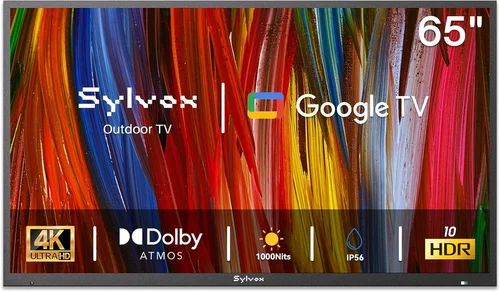
Outdoor living spaces have evolved far beyond simple patios and gazebos. Today’s homeowners are transforming these areas into fully functional entertainment zones—complete with outdoor kitchens, sound systems, and yes, high-quality televisions. Whether you’re hosting summer barbecues, watching the big game under the stars, or enjoying a quiet movie night in your covered gazebo, having the right TV can elevate your outdoor experience. But choosing a TV for outdoor use isn’t as simple as picking up the latest model from your local electronics store. Standard indoor TVs aren’t built to withstand the elements, and even sheltered outdoor spaces come with unique challenges like glare, temperature swings, and humidity.
That’s where this comprehensive buying guide comes in. We’ve spent countless hours researching, testing, and analyzing the latest outdoor TVs on the market to help you make an informed decision. Whether you’re working with a tight budget or ready to invest in a premium outdoor display, this guide will walk you through everything you need to know—from key performance specs and durability features to installation tips and brand comparisons. By the end, you’ll have a clear understanding of what makes a great patio or gazebo TV and how to choose one that fits your space, lifestyle, and viewing habits.
The outdoor TV market has grown significantly in recent years, driven by advances in display technology and increasing demand for outdoor entertainment. Today, you’ll find a range of options—from fully weatherproof outdoor models designed for year-round exposure to indoor TVs paired with protective enclosures for semi-covered spaces like gazebos. Brands like Samsung, LG, Sony, and specialized outdoor manufacturers such as SunBriteTV and Seura now offer products tailored specifically for outdoor use. With so many choices available, it’s easy to feel overwhelmed. But don’t worry—we’ll break it all down so you can confidently pick the best TV for your patio or gazebo setup.

What to Look for When Buying Buying Guide
1. Weather Resistance & IP Rating
When it comes to outdoor TVs, weather resistance isn’t optional—it’s essential. Unlike indoor TVs, outdoor models must withstand rain, snow, dust, extreme temperatures, and UV exposure. The most reliable way to assess a TV’s durability is by checking its Ingress Protection (IP) rating. This two-digit code tells you how well the device resists solids (like dust) and liquids (like water). For example, an IP55 rating means the TV is protected against dust and low-pressure water jets from any direction—ideal for covered patios and gazebos. If your TV will be fully exposed to the elements, look for at least IP65 or higher.
Beyond the IP rating, consider the materials used in the TV’s construction. High-quality outdoor TVs often feature aluminum or powder-coated steel housings that resist rust and corrosion. Internal components are typically sealed to prevent moisture ingress, and some models include built-in heaters or cooling fans to regulate internal temperature. These features ensure the TV operates reliably in both scorching summers and freezing winters. Always verify that the manufacturer explicitly states the TV is designed for outdoor use—don’t assume an indoor TV in a weatherproof case offers the same level of protection.
2. Brightness & Anti-Glare Performance
One of the biggest challenges with outdoor TVs is visibility in bright sunlight. Standard indoor TVs typically have a brightness of 300–500 nits, which is fine for dimly lit living rooms but completely inadequate for outdoor use. On a sunny day, glare from windows, water, or reflective surfaces can wash out the image, making it nearly impossible to see. That’s why outdoor TVs need significantly higher brightness—ideally 700 nits or more, with some premium models exceeding 2,000 nits.
Look for TVs with anti-reflective coatings and optically bonded screens. Optical bonding involves fusing the glass directly to the display panel, reducing internal reflections and improving clarity in bright conditions. Additionally, some outdoor TVs feature advanced local dimming or high dynamic range (HDR) support, which enhances contrast and color accuracy even in direct sunlight. If your gazebo has large windows or your patio faces south, prioritize brightness and anti-glare technology above all else. A dim TV might look fine at night, but it will be useless during daytime viewing.
3. Screen Size & Viewing Distance
Choosing the right screen size for your outdoor space is crucial for both comfort and immersion. A TV that’s too small will be hard to see from a distance, while one that’s too large can overwhelm the area and strain your eyes. As a general rule, the optimal viewing distance is about 1.5 to 2.5 times the diagonal screen size. For example, a 55-inch TV is best viewed from 6.9 to 11.5 feet away. Measure your seating area and consider how many people will typically watch at once.
For most patios and gazebos, screen sizes between 43 and 65 inches work well. Smaller spaces like compact gazebos may benefit from a 43- or 50-inch model, while larger patios with outdoor seating areas can accommodate 65-inch or even 75-inch displays. Keep in mind that outdoor TVs are often mounted higher than indoor ones—sometimes on walls, ceilings, or specialized outdoor mounts—so ensure the screen is angled correctly for comfortable viewing. Also, consider the TV’s bezel size; a slim bezel provides a more immersive experience, especially in open-air settings.
4. Connectivity & Smart Features
Modern outdoor TVs aren’t just about picture quality—they’re also about convenience and functionality. Most buyers expect smart TV capabilities, allowing them to stream content directly from services like Netflix, YouTube, Hulu, and Disney+. Look for models with built-in Wi-Fi, Ethernet ports, and support for popular streaming platforms. Android TV, webOS, and Roku TV are common operating systems, each with its own app ecosystem and user interface.
Connectivity options are equally important. Ensure the TV has multiple HDMI ports (at least three), USB inputs, and audio outputs for external speakers or soundbars. Some outdoor TVs include Bluetooth for wireless audio streaming, which is great for pairing with outdoor speakers. If you plan to connect a gaming console, cable box, or media player, verify compatibility and input lag performance. For gazebos with limited access to power and internet, consider TVs with low power consumption and optional wired network connections to ensure stable streaming.
5. Mounting & Installation Flexibility
How and where you mount your outdoor TV can make or break your setup. Unlike indoor TVs, outdoor models often require specialized mounting solutions that account for weather exposure, ventilation, and viewing angles. Most outdoor TVs are VESA-compatible, meaning they can be mounted on standard wall or ceiling brackets, but you’ll need to ensure the mount is rated for outdoor use and can support the TV’s weight and size.
Consider the installation environment: Will the TV be wall-mounted under a gazebo roof, ceiling-mounted in a pergola, or placed on a weatherproof stand? Some models come with built-in mounting hardware, while others require separate purchases. Look for tilt, swivel, and full-motion mounts if you need flexibility in viewing angles. Also, check cable management options—outdoor installations should hide or protect wires from the elements. Professional installation is often recommended, especially for ceiling mounts or complex wiring setups, to ensure safety and optimal performance.
6. Audio Quality & External Speaker Support
While picture quality often takes center stage, audio is just as important for an immersive outdoor experience. Unfortunately, most outdoor TVs have limited built-in speakers due to space and weatherproofing constraints. The sound may be tinny or lack bass, especially in open-air environments where sound dissipates quickly. That’s why many users opt for external audio solutions.
Look for TVs with audio output options such as optical digital audio, 3.5mm headphone jack, or HDMI ARC (Audio Return Channel). These allow you to connect to outdoor soundbars, wireless speakers, or a full outdoor audio system. Some high-end outdoor TVs include built-in subwoofers or enhanced audio processing, but for the best results, pair your TV with weather-resistant speakers strategically placed around your patio or gazebo. Consider a multi-zone audio system if you want music in multiple areas without interfering with TV audio.
7. Energy Efficiency & Power Consumption
Outdoor TVs often run for extended periods—during parties, movie nights, or background viewing—so energy efficiency matters. High-brightness displays consume more power, and models with built-in heaters or cooling systems can significantly increase electricity usage. Check the TV’s energy rating and annual power consumption (usually listed in kWh). Look for ENERGY STAR-certified models, which meet strict efficiency guidelines set by the U.S. Environmental Protection Agency.
While outdoor TVs generally use more power than indoor models, advancements in LED and OLED technology have improved efficiency. OLED TVs, for example, offer superior contrast and brightness with lower power draw in dark scenes. However, they’re less common in outdoor models due to cost and durability concerns. If your gazebo is off-grid or powered by solar, consider a TV with low standby power and optional power-saving modes. Also, use a smart plug or timer to automatically turn off the TV when not in use.
8. Brand Reputation & Customer Support
Not all outdoor TV brands are created equal. Some specialize exclusively in outdoor displays, while others adapt indoor models for outdoor use. Brands like SunBriteTV, Seura, and Avid Power have built strong reputations for durability and performance in harsh conditions. Mainstream brands like Samsung and LG offer outdoor-compatible models, often through partnerships or specialized lines.
Research customer reviews, warranty terms, and after-sales support. A reputable brand should offer at least a 2–3 year warranty, with some providing up to 5 years for outdoor use. Check if the company has local service centers or offers in-home repair. Avoid unknown brands with vague specifications or no customer support. Also, look for certifications from independent testing labs, which validate claims about weather resistance and performance. A strong brand reputation often translates to better long-term reliability and peace of mind.
Different Types of Buying Guide

Common Buying Mistakes to Avoid
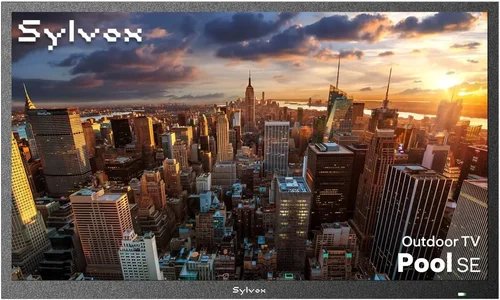
❌ Mistake: Buying an Indoor TV for Outdoor Use
Why it’s bad: Indoor TVs are not designed to handle moisture, temperature extremes, or UV exposure. Even in a covered gazebo, condensation, humidity, and dust can damage internal components, leading to premature failure. Additionally, indoor TVs lack the brightness needed for outdoor visibility.
What to do instead: Always choose a TV specifically rated for outdoor use or pair an indoor TV with a certified weatherproof enclosure. Verify the product’s IP rating and outdoor certification before purchasing.
❌ Mistake: Ignoring Brightness Requirements
Why it’s bad: A dim TV will be unwatchable in daylight, especially on sunny patios or near reflective surfaces like pools or glass railings. Many buyers are disappointed when their new outdoor TV looks great at night but is useless during the day.
What to do instead: Prioritize brightness—aim for at least 700 nits, with 1,000+ nits for full sun exposure. Look for anti-glare coatings and optically bonded screens to improve visibility.
❌ Mistake: Overlooking Audio Needs
Why it’s bad: Built-in TV speakers are often weak and muffled, especially in open outdoor spaces where sound disperses quickly. Relying solely on the TV’s audio can ruin the viewing experience.
What to do instead: Invest in weather-resistant outdoor speakers or a soundbar. Use audio outputs like HDMI ARC or optical to connect external audio systems for richer, louder sound.
❌ Mistake: Choosing the Wrong Screen Size
Why it’s bad: A TV that’s too small will be hard to see from a distance, while one that’s too large can dominate the space and cause eye strain. Incorrect sizing leads to poor viewing angles and discomfort.
What to do instead: Measure your seating distance and use the 1.5–2.5x rule to determine ideal screen size. Consider the layout of your gazebo or patio and how many people will typically watch at once.
❌ Mistake: Skimping on Mounting Hardware
Why it’s bad: Using indoor mounts or low-quality brackets outdoors can lead to rust, instability, or even TV detachment in windy conditions. Poor mounting also affects ventilation and viewing angles.
What to do instead: Use outdoor-rated, corrosion-resistant mounts with proper weight capacity. For ceiling or wall mounts, ensure they’re securely anchored and allow for tilt or swivel adjustments.
❌ Mistake: Not Considering Power and Connectivity
Why it’s bad: Running long, exposed cables across your patio is unsafe and unsightly. Poor connectivity can limit your ability to stream, connect devices, or expand your setup later.
What to do instead: Plan cable routes in advance, use weatherproof conduits, and ensure your TV has enough HDMI and USB ports. Consider wireless streaming options to reduce cable clutter.
❌ Mistake: Ignoring Warranty and Support
Why it’s bad: Outdoor TVs are a significant investment. Without a solid warranty, you risk paying for repairs or replacements out of pocket if the TV fails due to weather or manufacturing defects.
What to do instead: Choose brands with strong warranties (2+ years) and reliable customer support. Read the fine print to ensure outdoor use is covered and service is available in your area.
Budget Guidelines: How Much Should You Spend?
Entry-Level ($800 – $1,500): This tier includes indoor TVs paired with weatherproof enclosures or basic outdoor-ready models. You’ll get decent picture quality and smart features, but brightness may be limited (500–700 nits), and durability varies. Ideal for covered gazebos with minimal sun exposure. Look for 43- to 55-inch models from reputable brands with at least IP54 rating.
Mid-Range ($1,500 – $3,000): The sweet spot for most buyers. These TVs offer higher brightness (700–1,500 nits), better weather resistance (IP55 or higher), and improved smart features. Many include optical bonding, enhanced audio, and reliable mounting options. Perfect for semi-covered patios and gazebos with partial sun. Expect 55- to 65-inch screens with strong performance and 2–3 year warranties.
Premium ($3,000 – $5,000): For enthusiasts and those with fully exposed outdoor spaces. These models feature ultra-bright displays (1,500–2,500+ nits), full weatherproofing, advanced HDR, and premium build quality. Often include built-in cooling/heating systems, commercial-grade components, and extended warranties. Ideal for large patios, pool areas, or year-round use in harsh climates.
Luxury ($5,000+): Top-tier outdoor displays designed for commercial or high-end residential use. These TVs offer the brightest screens, vandal-resistant casings, 24/7 operation capability, and professional installation support. Common in outdoor bars, luxury homes, or public venues. Expect cutting-edge technology, custom mounting, and comprehensive service packages.
Expert Tips for Getting the Best Deal
- Shop During Seasonal Sales: The best time to buy an outdoor TV is during spring and early summer (March–June), when retailers promote outdoor living products. Black Friday and holiday sales can also offer discounts, but inventory may be limited.
- Compare Online and In-Store Options: Online retailers often have lower prices and wider selections, but in-store purchases allow you to see the TV in person and get expert advice. Some stores offer price matching—use this to your advantage.
- Look for Bundled Deals: Some manufacturers or retailers offer packages that include the TV, mount, and weatherproof enclosure at a discounted rate. These can save you hundreds compared to buying items separately.
- Check Return and Exchange Policies: Outdoor TVs are a big investment. Ensure the seller offers at least a 30-day return window and covers return shipping in case the TV doesn’t meet your expectations.
- Verify Installation Requirements: Before buying, assess your space for power outlets, internet access, and mounting surfaces. If professional installation is needed, get quotes in advance to avoid surprises.
- Read Real User Reviews: Look beyond star ratings and read detailed customer feedback. Pay attention to comments about brightness, durability, and customer service. Sites like Amazon, Best Buy, and specialized outdoor forums are great resources.
- Consider Refurbished or Open-Box Models: Certified refurbished outdoor TVs from reputable sellers can offer significant savings with full warranties. Open-box items are often returned due to minor issues and are fully functional.
- Don’t Overbuy: A 75-inch TV might seem impressive, but if your gazebo is small, it could be overwhelming. Match the TV to your space and usage—sometimes a 55-inch model provides the best balance of size and value.

Frequently Asked Questions
Q: Can I use a regular indoor TV outdoors if it’s under a gazebo?
A: Technically, yes—but only if the gazebo is fully enclosed and protected from rain, humidity, and extreme temperatures. Even then, indoor TVs lack the brightness and durability needed for consistent outdoor use. For best results, use a weatherproof enclosure or choose an outdoor-rated model.
Q: How bright should my outdoor TV be?
A: For shaded or covered areas, aim for at least 700 nits. For patios with direct sunlight, choose 1,000 nits or higher. Ultra-bright models (2,000+ nits) are best for poolside or south-facing decks.
Q: Do outdoor TVs need special power outlets?
A: Most outdoor TVs use standard 120V outlets, but you should install a GFCI (Ground Fault Circuit Interrupter) outlet for safety. This protects against electrical shock in wet conditions. Consult an electrician for proper installation.
Q: Can I leave my outdoor TV on all the time?
A: It depends on the model. Commercial-grade displays are designed for 24/7 operation, but consumer outdoor TVs should be turned off when not in use to extend lifespan and save energy. Use a timer or smart plug for convenience.
Q: Are outdoor TVs worth the extra cost?
A: If you plan to use your patio or gazebo regularly for entertainment, yes. The enhanced durability, brightness, and weather resistance justify the higher price. For occasional use, a weatherproof enclosure with an indoor TV may be more cost-effective.
Q: How do I clean my outdoor TV?
A: Use a soft, lint-free cloth and mild soap solution. Avoid abrasive cleaners or paper towels, which can scratch the screen. Never spray liquid directly on the TV—apply it to the cloth first. Turn off and unplug the TV before cleaning.
Q: Can I mount an outdoor TV on a ceiling?
A: Yes, many outdoor TVs support ceiling mounting with compatible brackets. Ensure the mount is rated for outdoor use and can support the TV’s weight. Proper ventilation and cable management are essential.
Q: Do outdoor TVs come with remotes that work in sunlight?
A: Most standard remotes work fine, but bright sunlight can interfere with infrared signals. Some models include RF (radio frequency) remotes that don’t require line-of-sight, or you can use a smartphone app for control.
Q: What’s the difference between IP55 and IP65?
A: IP55 protects against dust and low-pressure water jets. IP65 offers the same dust protection but with stronger resistance to water spray. IP65 is better for areas with heavy rain or hose exposure.
Q: Can I use streaming devices like Roku or Fire Stick with an outdoor TV?
A: Absolutely. Most outdoor TVs have HDMI ports for external devices. Just ensure the streaming device is protected from the elements—use a weatherproof case or place it indoors with an HDMI extender.
Our Final Recommendations
Best for Budget-Conscious Buyers: SunBriteTV Veranda Series (55-inch) – Offers excellent brightness (1,000 nits), IP55 rating, and smart features at a competitive price. Ideal for covered patios and gazebos.
Best Overall Value: Seura Outdoor TV (65-inch) – Combines premium build quality, 1,500-nit brightness, and a sleek design. Includes built-in cooling and a 3-year warranty. Perfect for semi-exposed outdoor spaces.
Best Premium Option: Avid Power Outdoor TV (75-inch) – Ultra-bright (2,200 nits), fully weatherproof, and designed for year-round use. Features commercial-grade components and professional installation support.
Best for Beginners: LG OLED48C3PUA in a Seura WeatherShield Enclosure – Uses a high-quality indoor OLED TV with a top-rated weatherproof case. Great for those new to outdoor setups who want premium picture quality.
Best for Advanced Users: Samsung The Terrace (65-inch Full Sun) – Designed for direct sunlight exposure with 2,000+ nits brightness, anti-reflective coating, and advanced HDR. Ideal for large, open patios.
Conclusion: Making the Right Choice
Choosing the best TV for your patio or gazebo is about more than just picture quality—it’s about creating a reliable, enjoyable outdoor entertainment experience that lasts for years. From weather resistance and brightness to smart features and audio support, every factor plays a role in your satisfaction. By understanding your space, usage habits, and budget, you can narrow down the options and find a TV that truly enhances your outdoor living area.
Remember, the most expensive model isn’t always the best fit. A mid-range outdoor TV with proper installation and accessories can outperform a luxury model in the wrong environment. Prioritize durability, visibility, and ease of use, and don’t hesitate to invest in quality mounting and audio solutions. With the right TV, your patio or gazebo can become the ultimate destination for relaxation, entertainment, and connection—rain or shine.
Take your time, do your research, and use this guide as your roadmap. Whether you’re watching a sunset movie or the championship game under the stars, the perfect outdoor TV is out there—waiting to bring your vision to life.

