
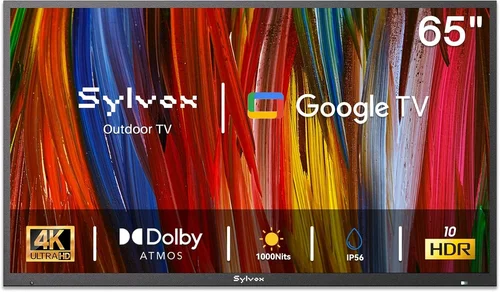
Outdoor living spaces have evolved far beyond simple patios and decks—they’re now fully functional extensions of the home, complete with grills, fire pits, outdoor kitchens, and yes, high-quality entertainment systems. One of the most transformative additions to any outdoor setup is a dedicated patio TV. Whether you’re hosting summer barbecues, watching the big game under string lights, or enjoying a quiet evening movie night under the stars, the right outdoor TV can elevate your deck experience from casual to cinematic.
But choosing the best TV for your patio isn’t as simple as grabbing the biggest screen from your local electronics store and mounting it outside. Outdoor environments present unique challenges: direct sunlight, fluctuating temperatures, humidity, rain, dust, and even pests. A standard indoor TV simply won’t survive—or perform well—in these conditions. That’s why investing in a purpose-built outdoor TV is essential. This comprehensive buying guide is designed to help you navigate the specialized world of outdoor televisions, so you can make a smart, informed decision that delivers years of reliable, high-performance entertainment.
In this guide, we’ll walk you through everything you need to know before purchasing a patio TV in 2026. You’ll learn how to evaluate key performance specs like brightness and contrast, understand the importance of weatherproofing and build quality, compare different types of outdoor TVs, avoid common pitfalls, and find the best value within your budget. We’ll also share expert tips on timing your purchase, where to buy, and how to maximize your investment. By the end, you’ll have the confidence to choose a TV that not only withstands the elements but also delivers stunning picture quality and seamless smart features—right on your deck.

What to Look for When Buying a Patio TV
1. Brightness & Sunlight Readability
One of the biggest challenges for outdoor TVs is combating glare and maintaining visibility in direct sunlight. Unlike indoor TVs, which typically operate in controlled lighting, patio TVs must deliver exceptional brightness to remain watchable during the day. Look for models with a minimum brightness rating of 700 nits, though 1,000 nits or higher is ideal for full sun exposure. Some premium outdoor TVs even reach 2,500 nits—comparable to high-end commercial displays used in stadiums and airports.
But brightness alone isn’t enough. Anti-reflective coatings and optically bonded screens are critical. These technologies reduce glare by minimizing the air gap between the screen layers, which helps prevent light from scattering and washing out the image. Without them, even the brightest TV can become unwatchable when the sun hits it at certain angles. Additionally, consider the viewing angle. Wide-angle viewing ensures that guests sitting off to the side—say, on lounge chairs or a sectional—can still enjoy a clear picture without color distortion.
2. Weather Resistance & IP Rating
Outdoor TVs must be built to withstand the elements—rain, snow, dust, humidity, and temperature swings. This is where the Ingress Protection (IP) rating comes into play. The IP rating consists of two numbers: the first indicates protection against solid particles (like dust), and the second against liquids (like rain). For patio use, look for a minimum IP55 rating, which means the TV is dust-protected and resistant to water jets from any direction.
However, many top-tier outdoor TVs go further with IP65 or even IP66 ratings, offering complete dust protection and resistance to powerful water jets. These ratings ensure the internal components remain sealed and functional, even during heavy rain or when cleaning the unit. Additionally, the TV’s housing should be made from corrosion-resistant materials like powder-coated aluminum or marine-grade stainless steel. Avoid plastic enclosures, which can degrade over time when exposed to UV rays and moisture.
It’s also important to consider temperature tolerance. Quality outdoor TVs are designed to operate in extreme conditions—typically from -22°F to 122°F (-30°C to 50°C). This ensures reliable performance whether you’re watching a winter football game or a summer blockbuster. Some models even include built-in heaters or cooling fans to regulate internal temperature, preventing overheating or freezing.
3. Display Technology: LED vs. OLED vs. QLED
The type of display technology used in your patio TV significantly impacts picture quality, durability, and cost. Here’s a breakdown of the main options:
– LED/LCD: The most common and affordable option for outdoor use. LED TVs use a backlight to illuminate liquid crystal pixels. They’re bright, energy-efficient, and highly durable. However, they can struggle with black levels and contrast in bright environments unless paired with advanced local dimming.
– QLED: A step up from standard LED, QLED (Quantum Dot LED) TVs use nanocrystals to enhance color accuracy and brightness. They offer wider color gamuts and better HDR performance, making them ideal for vibrant outdoor viewing. Many outdoor QLED models are specifically engineered for high ambient light, with enhanced brightness and anti-reflective coatings.
– OLED: Known for perfect blacks and infinite contrast, OLED TVs are less common in outdoor settings due to their lower peak brightness and susceptibility to burn-in. However, some manufacturers now offer outdoor-rated OLED models with improved brightness and protective coatings. These are best suited for shaded or covered patios where direct sunlight is minimal.
For most deck environments, QLED is the sweet spot—offering excellent brightness, color, and durability at a reasonable price. OLED is a premium choice for shaded areas, while standard LED remains a budget-friendly option for evening or indoor-outdoor hybrid spaces.
4. Smart Features & Connectivity
Just like indoor TVs, modern outdoor models come packed with smart features. Look for built-in Wi-Fi, support for popular streaming platforms (Netflix, YouTube, Disney+, etc.), and voice control via Alexa or Google Assistant. Many outdoor TVs also include apps for weather, sports scores, and even outdoor-specific content like nature cams or live beach feeds.
Connectivity is equally important. Ensure the TV has multiple HDMI ports (at least 3–4), USB inputs, and possibly an Ethernet port for a wired internet connection, which can be more reliable outdoors. Some models even include Bluetooth for wireless audio streaming to outdoor speakers or soundbars.
Another key feature is weatherproof input covers. These protective flaps shield HDMI and USB ports from rain and dust when not in use. Without them, moisture can seep into the ports and damage the TV over time. Also, consider whether the TV supports HDMI-CEC, which allows you to control connected devices (like a streaming stick or soundbar) with a single remote.
5. Size & Viewing Distance
Choosing the right screen size depends on your deck layout and typical seating arrangement. A general rule of thumb is that the optimal viewing distance is 1.5 to 2.5 times the diagonal screen size. For example, a 55-inch TV is best viewed from 6.5 to 11 feet away.
On a standard deck, 55 to 65 inches is usually ideal. Larger screens (70–85 inches) work well for spacious patios with ample seating, while smaller models (43–50 inches) are better for compact decks or secondary viewing areas. Keep in mind that larger screens require more power and may need a stronger mounting solution.
Also consider the TV’s bezel size. Slim bezels create a more immersive viewing experience and look more modern, especially when mounted on a wall or under a pergola. Some outdoor TVs are designed with a “floating” look, where the screen appears to hover within the weatherproof enclosure.
6. Mounting & Installation Options
How you plan to mount your TV will influence your purchase decision. Most outdoor TVs are designed for wall mounting, but you’ll need a compatible outdoor-rated mount that can support the TV’s weight and withstand wind and weather. Look for mounts with tilt and swivel capabilities to adjust the viewing angle based on the sun’s position.
Ceiling mounts are another option, especially for covered patios or gazebos. These allow the TV to hang from above, freeing up wall space and providing a clean, modern look. Some models even include motorized mounts that can retract or rotate the TV when not in use.
If you prefer a freestanding option, consider an outdoor TV enclosure or cabinet. These units house a standard indoor TV inside a weatherproof shell, offering a more affordable alternative to dedicated outdoor models. However, they may not offer the same level of brightness or durability as purpose-built outdoor TVs.
Always consult a professional installer for mounting, especially if drilling into exterior walls or dealing with electrical wiring. Improper installation can void warranties and create safety hazards.
7. Audio Quality & Sound Solutions
While picture quality is paramount, audio is often overlooked in outdoor TV setups. Most outdoor TVs have built-in speakers, but they’re typically not powerful enough to fill a deck with clear, immersive sound—especially with background noise from traffic, wind, or conversation.
For the best audio experience, pair your TV with outdoor speakers or a weatherproof soundbar. Look for models with IPX5 or higher ratings, and consider wireless options for easier installation. Some outdoor TVs even include audio outputs specifically designed for outdoor audio systems.
Alternatively, you can use Bluetooth headphones for private viewing, though this limits the social aspect of deck entertainment. For group settings, a multi-zone audio system that syncs with your TV and other outdoor devices (like a grill speaker or poolside unit) can create a truly integrated experience.
8. Brand Reputation & Warranty
Not all outdoor TV brands are created equal. Stick with reputable manufacturers known for quality and reliability. Leading brands in the outdoor TV space include SunBriteTV, Samsung (with their Terrace series), LG (with their Outdoor line), and Seura. These companies specialize in outdoor displays and offer robust customer support.
Warranty is another critical factor. A standard indoor TV might come with a 1-year warranty, but outdoor models often include 2–3 years of coverage, sometimes extendable. Look for warranties that cover both parts and labor, and check whether they include on-site service or require you to ship the unit back.
Also, consider the availability of replacement parts and service centers in your area. A TV that’s difficult to repair or service can become a costly paperweight if something goes wrong.
Different Types of Outdoor TVs

Common Buying Mistakes to Avoid
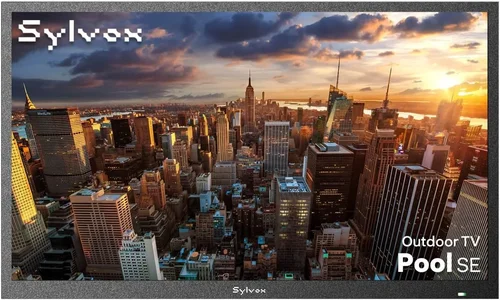
❌ Mistake: Using an Indoor TV Outdoors
Why it’s bad: Indoor TVs are not designed to handle moisture, temperature extremes, or UV exposure. Even if you cover them, condensation can form inside the screen, leading to permanent damage. Additionally, indoor TVs lack the brightness needed for daylight viewing.
What to do instead: Always choose a TV specifically rated for outdoor use. If budget is a concern, consider an outdoor enclosure for your existing TV, but understand the limitations in brightness and durability.
❌ Mistake: Ignoring the IP Rating
Why it’s bad: Without a proper IP rating, your TV is vulnerable to water and dust ingress. Even light rain or morning dew can seep into the electronics and cause failure.
What to do instead: Verify the IP rating before purchasing. For open decks, aim for IP55 or higher. Check the manufacturer’s documentation to ensure the rating applies to the entire unit, not just the screen.
❌ Mistake: Overlooking Viewing Angle and Glare
Why it’s bad: A TV that looks great head-on may be unwatchable from the side—especially on a deck with multiple seating areas. Glare from sunlight can also ruin the experience.
What to do instead: Choose a TV with wide viewing angles (178° horizontal/vertical) and anti-reflective coating. Test the TV in similar lighting conditions if possible, or read reviews that mention real-world glare performance.
❌ Mistake: Skimping on Mounting Hardware
Why it’s bad: Standard indoor mounts aren’t built for outdoor conditions. Wind, rain, and temperature changes can weaken the mount over time, risking the TV falling.
What to do instead: Invest in a weatherproof, heavy-duty outdoor mount rated for your TV’s size and weight. Consider professional installation for peace of mind.
❌ Mistake: Neglecting Audio
Why it’s bad: Poor sound can ruin even the best picture. Built-in TV speakers often lack volume and clarity, especially outdoors.
What to do instead: Plan your audio setup from the start. Pair your TV with outdoor speakers, a soundbar, or a wireless audio system. Test the sound in your actual deck environment.
❌ Mistake: Buying Based on Price Alone
Why it’s bad: The cheapest option may save money upfront but cost more in repairs, replacements, or poor performance.
What to do instead: Focus on value, not just price. Consider total cost of ownership, including durability, warranty, and performance. A mid-range outdoor TV often offers the best long-term value.
❌ Mistake: Not Planning for Power and Cables
Why it’s bad: Running power and HDMI cables outdoors requires weatherproof conduits and proper grounding. DIY setups can be unsafe or violate electrical codes.
What to do instead: Hire a licensed electrician to install outdoor-rated outlets and cable management. Use in-wall rated HDMI cables and protective raceways.
Budget Guidelines: How Much Should You Spend?
– Entry-Level ($800–$1,500): This range includes outdoor TV enclosures and partial-shade models. You’ll get basic weather resistance and decent picture quality, but brightness may be limited. Best for covered patios or evening use.
– Mid-Range ($1,500–$3,500): The sweet spot for most homeowners. These TVs offer strong brightness (700–1,500 nits), solid build quality, smart features, and IP55+ ratings. Ideal for decks with partial sun exposure.
– Premium ($3,500–$6,000): For full sun decks and year-round use. Expect 1,500+ nits brightness, QLED or OLED displays, advanced anti-glare tech, and robust weatherproofing. Brands like SunBriteTV and Samsung Terrace dominate this tier.
– Luxury ($6,000+): Top-tier commercial-grade displays with 2,500+ nits, modular designs, and 24/7 operation capability. These are overkill for most homes but perfect for large estates, resorts, or commercial patios.
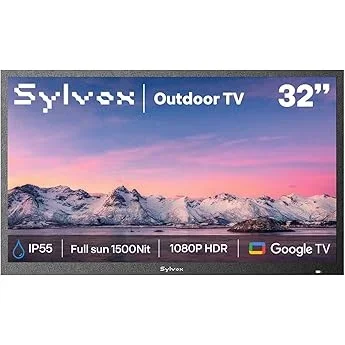
Expert Tips for Getting the Best Deal
– Buy in the off-season: Prices drop significantly in late fall and winter when outdoor entertainment demand is low. Look for Black Friday, Cyber Monday, and post-holiday sales.
– Shop at specialty retailers: Stores like Crutchfield, Abt, and Best Buy often have dedicated outdoor TV sections with expert staff and better return policies than general retailers.
– Check for bundle deals: Some retailers offer discounts when you buy a TV, mount, and sound system together. These can save you hundreds.
– Read real user reviews: Look for reviews from people with similar deck setups. Pay attention to comments about brightness, durability, and customer service.
– Test before you buy: If possible, visit a showroom to see the TV in bright lighting. Some retailers even offer outdoor demo areas.
– Negotiate the warranty: Ask if the warranty can be extended or if on-site service is available. Some brands offer free installation with purchase.
– Consider refurbished models: Certified pre-owned outdoor TVs from reputable sellers can offer significant savings with full warranties.
– Plan for installation costs: Budget $200–$500 for professional mounting and electrical work. It’s worth the investment for safety and performance.

Frequently Asked Questions
Q: Can I use a regular TV on my deck if I cover it?
A: While you can use a cover, it’s not recommended for long-term outdoor use. Indoor TVs lack the brightness, weatherproofing, and temperature tolerance needed for reliable outdoor performance. Moisture can still seep in, and the screen may overheat.
Q: Do outdoor TVs need to be plugged in all the time?
A: Yes, outdoor TVs require a constant power source. They’re not battery-operated like portable models. Ensure you have a weatherproof outlet nearby or hire an electrician to install one.
Q: How do I clean my outdoor TV?
A: Use a soft, dry microfiber cloth to wipe the screen and housing. For tougher grime, lightly dampen the cloth with water or a mild cleaner. Never spray liquid directly on the TV.
Q: Can I leave my outdoor TV on during a storm?
A: It’s best to turn it off during severe weather, especially lightning storms. While outdoor TVs are weather-resistant, they’re not lightning-proof. Use a surge protector for added safety.
Q: Do outdoor TVs come with remotes?
A: Yes, most include weather-resistant remotes. Some models also support smartphone apps or voice control for added convenience.
Q: Can I stream content to my outdoor TV?
A: Absolutely. Most outdoor TVs have built-in Wi-Fi and support popular streaming apps. Ensure your deck has a strong Wi-Fi signal or consider a mesh network extender.
Q: What’s the lifespan of an outdoor TV?
A: With proper care, a quality outdoor TV can last 7–10 years or more. Regular maintenance, like cleaning and checking seals, can extend its life.
Q: Are outdoor TVs energy efficient?
A: Yes, modern outdoor TVs use LED backlighting and smart power management to reduce energy consumption. Look for ENERGY STAR certification for the most efficient models.
Q: Can I mount an outdoor TV on a post or railing?
A: Yes, with the right mount. Post mounts and railing adapters are available for decks with limited wall space. Ensure the mount is rated for outdoor use and wind resistance.
Q: Do I need a permit to install an outdoor TV?
A: It depends on your local building codes. If you’re drilling into exterior walls or running electrical wiring, a permit may be required. Check with your city or hire a licensed contractor.
Our Final Recommendations
– Best for Budget-Conscious Buyers: Seura Shade Series (55″) – Offers excellent value with 1,000 nits brightness, IP54 rating, and smart features for under $2,000.
– Best Overall Value: Samsung The Terrace (65″) – A top-performing QLED outdoor TV with 2,000 nits brightness, IP55 rating, and full smart functionality. Priced around $4,500.
– Best Premium Option: SunBriteTV Veranda Series (75″) – Built for full sun exposure with 3,000 nits brightness, all-weather construction, and commercial-grade durability. Ideal for large decks.
– Best for Beginners: LG Outdoor TV (55″) – User-friendly interface, strong app support, and reliable performance in partial shade. Great for first-time outdoor TV buyers.
– Best for Advanced Users: Peerless-AV Xtreme Outdoor Display (86″) – Modular, ultra-bright, and designed for 24/7 operation. Perfect for tech-savvy users with large outdoor spaces.
Conclusion: Making the Right Choice
Choosing the best TV for your patio is about more than just screen size or brand name—it’s about finding a display that can thrive in your specific outdoor environment while delivering the picture and sound quality you expect. From brightness and weather resistance to smart features and audio integration, every detail matters when you’re investing in outdoor entertainment.
As you weigh your options, prioritize your deck’s unique conditions: Is it fully exposed to sun? Do you entertain often? What’s your typical viewing distance? Answering these questions will guide you toward the right type of TV and help you avoid costly mistakes.
Remember, a patio TV is a long-term investment in your home’s lifestyle. While the upfront cost may be higher than an indoor model, the durability, performance, and enjoyment it provides make it well worth it. With the insights from this guide, you’re now equipped to make a confident, informed decision.
So go ahead—transform your deck into the ultimate outdoor entertainment hub. Whether it’s game day, movie night, or a quiet evening under the stars, the right patio TV will bring your vision to life. Happy viewing!

