
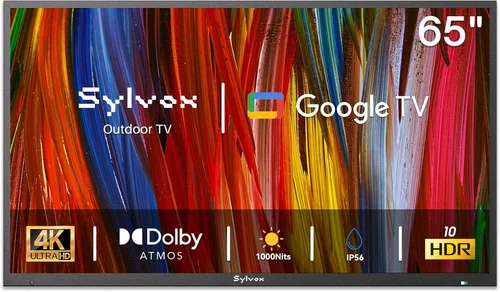
Outdoor living spaces have evolved dramatically over the past decade. What once consisted of simple patio furniture and a grill has transformed into fully functional outdoor entertainment zones—complete with weather-resistant speakers, ambient lighting, and yes, outdoor TVs. As more homeowners seek to extend their indoor comforts into the open air, one critical question arises: how do you choose a television that can withstand the elements, especially in cold climates?
Cold weather presents unique challenges for electronics. Most standard indoor TVs are not built to handle freezing temperatures, snow, ice, or rapid temperature fluctuations. A screen that works perfectly in your living room may fail to power on during a crisp autumn evening or suffer permanent damage after a winter storm. That’s why investing in a purpose-built patio TV designed for cold-weather performance isn’t just a luxury—it’s a necessity if you want reliable year-round outdoor viewing. This guide is designed to help you navigate the complex world of outdoor televisions with a specific focus on cold-weather resilience, durability, and long-term value.
In this comprehensive buying guide, you’ll learn everything you need to know to make an informed decision. We’ll break down the essential factors to consider—from operating temperature ranges and build quality to smart features and warranty coverage. You’ll discover the different types of outdoor TVs available, understand common pitfalls to avoid, and get expert tips on maximizing your investment. Whether you’re planning movie nights under the stars in Minnesota or hosting football watch parties in Colorado, this guide will equip you with the knowledge to choose the best patio TV for cold weather in 2026.
The market for outdoor TVs has matured significantly, with manufacturers now offering models specifically engineered for extreme conditions. Brands like SunBriteTV, Samsung, LG, and Seura have developed robust solutions that go beyond mere weatherproofing—they integrate thermal management systems, anti-glare screens, and corrosion-resistant materials. However, not all “outdoor” TVs are created equal, and many fall short when exposed to sub-zero temperatures. Our goal is to cut through the marketing noise and deliver actionable, expert-level advice so you can enjoy crystal-clear visuals outdoors—no matter how low the mercury drops.

What to Look for When Buying Buying Guide
1. Operating Temperature Range
The single most important factor when selecting a patio TV for cold weather is its operating temperature range. Most indoor TVs are rated to function between 50°F and 95°F (10°C to 35°C). Below that threshold, internal components—especially the LCD panel and power supply—can become sluggish or fail entirely. In contrast, true cold-weather outdoor TVs are engineered to operate reliably in temperatures as low as -22°F (-30°C) or even colder.
Look for manufacturers that clearly specify both operating and storage temperature ranges. Operating range refers to the temperatures at which the TV can safely turn on and display content, while storage range indicates how cold it can get when powered off without sustaining damage. For example, a TV rated for -4°F to 122°F (-20°C to 50°C) operating and -40°F to 140°F (-40°C to 60°C) storage is ideal for regions with harsh winters.
Additionally, consider how quickly temperatures change. A TV mounted on an uninsulated wall may experience thermal shock when transitioning from a warm garage to a freezing patio. Models with built-in heaters or thermal regulation systems help mitigate this risk by gradually warming internal components before startup.
2. Display Technology & Brightness
Outdoor visibility is heavily influenced by display technology and brightness. In cold weather, ambient light conditions can vary dramatically—bright winter sun reflecting off snow can create intense glare, while overcast skies may reduce contrast. Therefore, your TV must deliver high brightness and excellent anti-reflective properties.
Look for TVs with a minimum brightness of 700 nits, though 1,000 nits or higher is preferable for snowy or sunny patios. Standard indoor TVs typically range from 300 to 500 nits—far too dim for outdoor use. High-brightness LED or QLED panels are ideal, as they maintain color accuracy and visibility even in direct sunlight.
Anti-glare or anti-reflective coatings are equally important. These coatings reduce mirror-like reflections that can obscure the image when light hits the screen at an angle. Some premium models also feature optically bonded glass, which eliminates the air gap between the LCD panel and the outer glass layer. This not only improves brightness and clarity but also prevents condensation from forming inside the screen—a common issue in cold, humid environments.
3. Build Quality & Weather Resistance
Cold weather often brings moisture in the form of snow, sleet, and ice. Even if your patio is covered, wind-driven precipitation can reach the TV. That’s why build quality and ingress protection (IP) ratings are critical.
Outdoor TVs should have an IP55 or higher rating, meaning they are protected against dust and low-pressure water jets from any direction. However, IP ratings alone don’t guarantee cold-weather performance. The materials used in the chassis matter just as much. Look for powder-coated aluminum or stainless steel enclosures, which resist rust and corrosion far better than plastic or standard metal housings.
Sealed seams, silicone gaskets, and drainage channels are also essential. These features prevent water from seeping into internal components, which can freeze and expand, causing cracks or electrical shorts. Some models include internal drainage systems that allow melted snow or condensation to escape safely.
Additionally, consider the mounting system. A well-designed outdoor TV should come with a compatible weatherproof mount that allows for secure, adjustable installation. Tilt and swivel capabilities are helpful for optimizing viewing angles, especially if your seating arrangement changes with the seasons.
4. Thermal Management & Internal Heating
One of the biggest challenges for electronics in cold climates is thermal management. LCD panels, in particular, rely on liquid crystals that become viscous and unresponsive at low temperatures. To combat this, many cold-weather outdoor TVs include built-in heaters or thermal regulation systems.
These systems work by gently warming the internal components before the TV powers on. For example, when you press the power button, the heater activates for 30 to 60 seconds, bringing the panel and circuitry to a safe operating temperature. Once the TV is on, the system monitors internal conditions and adjusts as needed.
Some advanced models use passive thermal regulation, such as insulated enclosures or phase-change materials that absorb and release heat slowly. Others employ active systems with thermostats and heating elements. While active systems consume a small amount of extra power, they significantly improve reliability in sub-zero conditions.
When evaluating thermal features, ask whether the TV includes a pre-heat function, how long it takes to warm up, and whether the heater can be disabled in warmer months to save energy. Also, check if the TV automatically shuts down if internal temperatures drop below a safe threshold—this protects against damage during extended cold snaps.
5. Smart Features & Connectivity
Even in the great outdoors, you’ll likely want access to streaming services, voice control, and app integration. Fortunately, most modern outdoor TVs come equipped with smart platforms like Android TV, webOS, or Tizen. These allow you to stream content from Netflix, YouTube, Disney+, and more without needing an external device.
However, cold weather can affect Wi-Fi performance. Metal enclosures and thick insulation may interfere with wireless signals, leading to buffering or dropped connections. To avoid this, look for TVs with external Wi-Fi antennas or dual-band (2.4 GHz and 5 GHz) support. Some models also include Ethernet ports for wired connections, which are more reliable in extreme conditions.
Voice assistants like Google Assistant or Amazon Alexa are useful for hands-free control, especially when wearing gloves. Bluetooth connectivity enables pairing with wireless speakers or headphones, ideal for private listening during quiet winter evenings.
HDMI ports are essential for connecting gaming consoles, Blu-ray players, or cable boxes. Ensure the TV has at least two HDMI 2.1 ports for 4K/120Hz support, especially if you plan to use it for gaming or high-frame-rate content.
6. Size & Viewing Distance
Choosing the right screen size depends on your patio layout and typical viewing distance. A TV that’s too small will be hard to see from a distance, while one that’s too large may overwhelm the space or require excessive brightness.
As a general rule, divide your viewing distance (in inches) by 1.5 to determine the ideal screen size. For example, if you’ll be sitting 10 feet (120 inches) away, a 70- to 80-inch TV is appropriate. For smaller patios or closer seating, a 55- or 65-inch model may suffice.
Keep in mind that outdoor viewing often involves ambient light, which can wash out smaller screens. A larger display with higher brightness will maintain better image quality in bright conditions. Also, consider the TV’s aspect ratio and bezel size—slim bezels provide a more immersive experience, especially when mounted close to walls or railings.
Portability is another consideration. Some outdoor TVs are designed to be moved between indoor and outdoor spaces, such as from a garage to a covered patio. These models often come with carrying handles or wheeled carts. However, frequent movement increases the risk of exposure to temperature extremes, so ensure the TV is rated for both environments if you plan to relocate it.
7. Brand Reputation & Reliability
Not all outdoor TV brands are created equal. Some specialize in rugged, commercial-grade displays, while others repurpose indoor models with minimal weatherproofing. When shopping for a cold-weather patio TV, prioritize brands with a proven track record in outdoor electronics.
SunBriteTV, for example, has been a leader in outdoor displays for over a decade, offering models specifically engineered for extreme temperatures and weather conditions. Their Veranda and Pro series are popular among homeowners in cold climates. Samsung and LG have also entered the market with outdoor versions of their flagship QLED and OLED TVs, though their cold-weather performance varies by model.
Seura focuses on luxury outdoor solutions, including TVs that double as mirrors or art displays when powered off. While aesthetically impressive, these models may come with a higher price tag and longer lead times.
Avoid generic or off-brand “outdoor TVs” sold on online marketplaces. These often lack proper certifications, thermal management, and customer support. A reputable brand may cost more upfront, but it will save you money and frustration in the long run.
8. Warranty & Customer Support
Outdoor electronics are exposed to harsher conditions than indoor devices, so a strong warranty is essential. Most reputable outdoor TV manufacturers offer extended warranties—typically 2 to 3 years—compared to the standard 1-year coverage on indoor models.
Look for warranties that explicitly cover cold-weather operation, including damage from freezing, condensation, or thermal shock. Some brands also offer on-site service or expedited replacement programs, which can be invaluable if your TV fails during a critical event like the Super Bowl or a holiday gathering.
Customer support is equally important. Can you reach a technician by phone or chat? Are replacement parts readily available? Do they provide installation guides or partner with local installers? A responsive support team can make the difference between a quick fix and weeks of downtime.
Additionally, check if the warranty is transferable. If you sell your home, a transferable warranty can increase the property’s value and appeal to buyers who want a turnkey outdoor entertainment system.
Different Types of Buying Guide
Common Buying Mistakes to Avoid
❌ Mistake: Assuming All “Outdoor” TVs Are Cold-Weather Rated
Why it’s bad: Many manufacturers use the term “outdoor” loosely. A TV marketed as “weather-resistant” may only be suitable for covered patios in mild climates. Using such a model in freezing temperatures can lead to screen failure, power issues, or permanent damage.
What to do instead: Always verify the operating temperature range. Look for models explicitly rated for sub-zero conditions, and avoid those that only list storage temperatures. When in doubt, contact the manufacturer for clarification.
❌ Mistake: Overlooking Thermal Management Features
Why it’s bad: Without proper thermal regulation, your TV may refuse to turn on in cold weather or suffer from slow response times and image lag. Repeated thermal stress can also shorten the lifespan of internal components.
What to do instead: Prioritize TVs with built-in heaters, thermal sensors, or insulated enclosures. These features ensure reliable startup and consistent performance, even after overnight freezes.
❌ Mistake: Choosing Based on Indoor TV Specs Alone
Why it’s bad: Indoor TVs often have impressive specs—like OLED panels or 120Hz refresh rates—but these technologies may not translate well to outdoor use. OLED screens, for example, can suffer from burn-in and reduced brightness in cold conditions.
What to do instead: Focus on outdoor-specific features: brightness (nits), anti-glare coatings, IP ratings, and thermal management. A high-end indoor TV wrapped in a weatherproof box is rarely a good long-term solution.
❌ Mistake: Ignoring Installation and Mounting Requirements
Why it’s bad: Improper mounting can expose the TV to wind, snow accumulation, or water ingress. A poorly angled screen may also create glare or be difficult to view from seating areas.
What to do instead: Use a certified outdoor mount designed for your TV model. Ensure the installation location is sheltered from direct snowfall and allows for proper ventilation. Consider professional installation for complex setups.
❌ Mistake: Skimping on Warranty and Support
Why it’s bad: Outdoor electronics are more prone to failure due to environmental stress. A limited warranty or poor customer service can leave you stranded with a broken TV and no recourse.
What to do instead: Choose a brand with a strong warranty (2+ years), clear cold-weather coverage, and responsive support. Read the fine print to understand what’s included and how to file a claim.
❌ Mistake: Not Planning for Power and Connectivity
Why it’s bad: Outdoor TVs require reliable power and signal sources. Running extension cords across snow-covered patios is unsafe, and weak Wi-Fi can ruin streaming experiences.
What to do instead: Install weatherproof outlets and Ethernet ports near the TV location. Use surge protectors rated for outdoor use and consider wired connections for critical devices.
❌ Mistake: Buying the Cheapest Option Available
Why it’s bad: Low-cost “outdoor” TVs often cut corners on materials, thermal systems, and durability. They may fail within a season, costing more in replacements than a higher-quality model would have.
What to do instead: View your outdoor TV as a long-term investment. Spend wisely on a reputable brand with proven cold-weather performance. The upfront cost is justified by years of reliable use.
Budget Guidelines: How Much Should You Spend?
Choosing the right outdoor TV involves balancing performance, durability, and cost. Here’s a breakdown of what to expect at different price points:
Entry-Level ($800 – $1,500): At this tier, you’ll find indoor TVs housed in third-party weatherproof enclosures or basic semi-outdoor models. These are suitable for covered patios in mild winter climates but lack thermal management and may struggle in sub-zero temperatures. Expect lower brightness (500–700 nits) and limited smart features. Best for occasional use or temporary setups.
Mid-Range ($1,500 – $3,000): This is the sweet spot for most homeowners. You’ll get purpose-built outdoor TVs with operating ranges down to -4°F (-20°C), brightness of 700–1,000 nits, and basic thermal regulation. Models from brands like SunBriteTV Veranda or Samsung’s outdoor QLED series fall here. These offer reliable performance, smart platforms, and solid warranties—ideal for year-round use in cold regions.
Premium ($3,000 – $5,000): Premium outdoor TVs deliver top-tier performance with advanced features. Expect operating temperatures as low as -22°F (-30°C), brightness over 1,000 nits, optically bonded screens, and robust thermal systems. These models often include premium smart platforms, voice control, and enhanced audio. Perfect for large patios, frequent use, and harsh winter conditions.
Luxury ($5,000+): At this level, you’re investing in commercial-grade durability and cutting-edge design. These TVs are built for 24/7 operation, extreme weather, and high-traffic environments. Features may include modular components, custom finishes, integrated soundbars, and remote monitoring. Ideal for luxury homes, resorts, or commercial installations where reliability and aesthetics are paramount.
Expert Tips for Getting the Best Deal
1. Buy During Off-Season Sales: The best time to purchase an outdoor TV is in late winter or early spring (February to April). Retailers often discount previous-year models to make room for new inventory. You can save 15–30% by shopping during these periods.
2. Compare Retailers and Bundle Deals: Check major electronics retailers (Best Buy, Costco), specialty outdoor living stores, and manufacturer websites. Some offer bundle deals that include mounts, cables, or extended warranties at a discounted rate.
3. Look for Open-Box or Refurbished Models: Certified refurbished outdoor TVs from reputable sellers can offer significant savings with full warranties. These units are typically tested and restored to like-new condition.
4. Negotiate Installation Services: If you’re hiring a professional installer, ask if they offer package discounts when purchasing the TV through them. Some companies provide free or reduced-rate installation with TV purchase.
5. Check for Local Rebates or Incentives: Some utility companies or green energy programs offer rebates for energy-efficient outdoor electronics. While rare, it’s worth inquiring—especially for commercial installations.
6. Read Return Policies Carefully: Outdoor TVs are often non-returnable due to their specialized nature. Ensure the retailer offers a reasonable return window (at least 30 days) and covers return shipping in case of defects.
7. Test Before Finalizing Installation: If possible, power on the TV and test all functions before mounting it permanently. Verify Wi-Fi connectivity, app performance, and remote responsiveness in the actual outdoor environment.
8. Register Your Product Immediately: This activates your warranty and ensures you receive firmware updates and support notifications. Some brands also offer loyalty rewards or exclusive content for registered users.

Frequently Asked Questions
Q: Can I use a regular indoor TV outdoors in cold weather?
A: Technically, you can place an indoor TV in a weatherproof enclosure, but it’s not recommended for cold climates. Most indoor TVs aren’t designed to operate below 50°F (10°C), and enclosures often lack thermal management. This can lead to startup failures, screen lag, or permanent damage. For reliable cold-weather performance, invest in a purpose-built outdoor TV.
Q: How do I protect my outdoor TV from snow and ice?
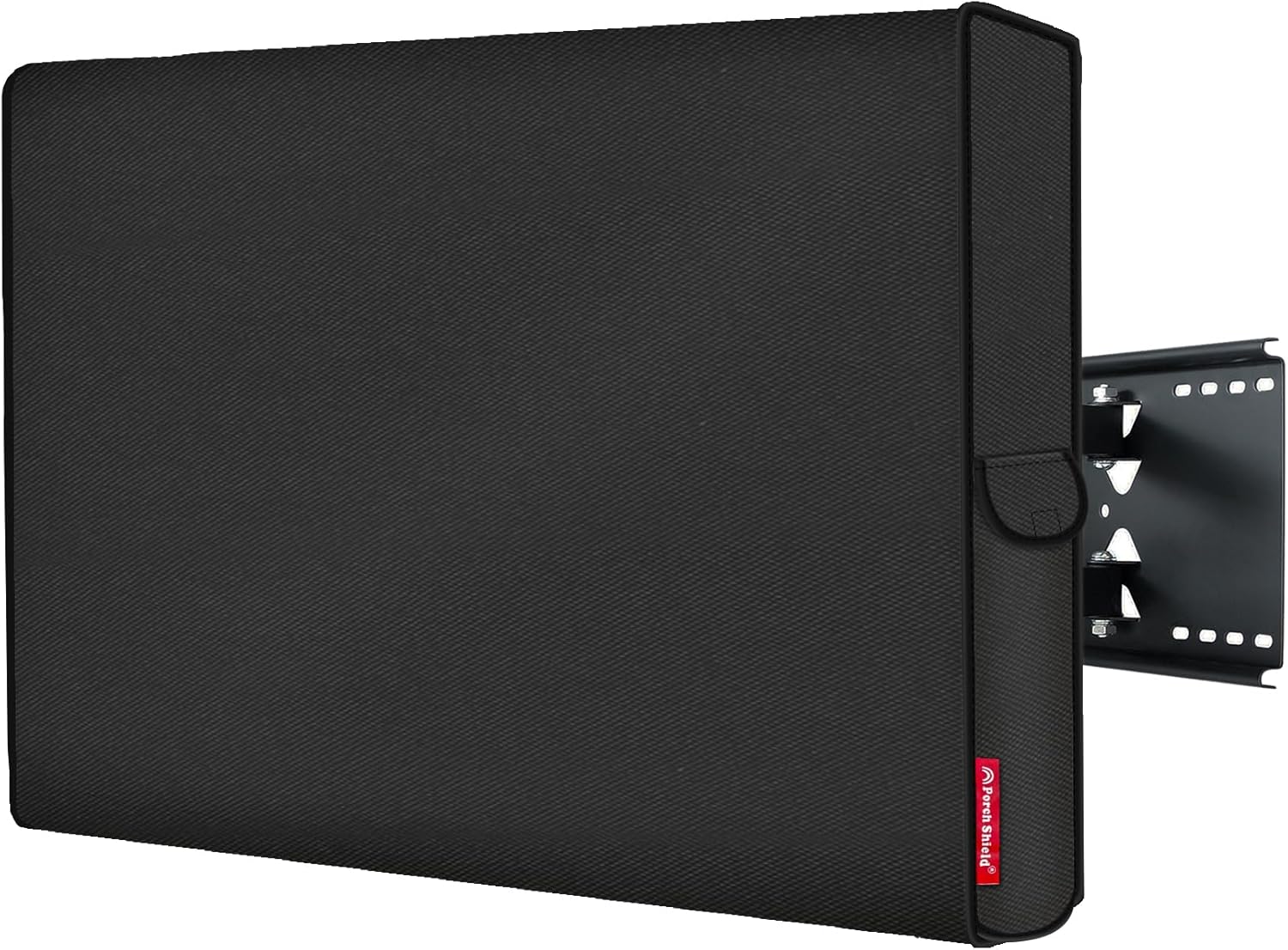
A: Choose a TV with a fully sealed, sloped design that allows snow to slide off. Install it under a covered area or awning, and use a weatherproof cover when not in use for extended periods. Avoid placing it where snow can accumulate on the screen or block ventilation.
Q: Will my outdoor TV work in -10°F (-23°C) weather?
A: Only if it’s specifically rated for that temperature. Check the operating range in the specifications. Most cold-weather outdoor TVs can handle -10°F, but some may require a brief warm-up period. Always allow the TV to pre-heat before expecting full performance.
Q: Do outdoor TVs consume more power in cold weather?
A: Yes, slightly. Models with internal heaters use additional energy during startup and in extreme cold. However, the increase is typically minimal—around 10–20 watts—and modern systems are designed to be energy-efficient. Look for ENERGY STAR-certified models if power consumption is a concern.
Q: Can I leave my outdoor TV on during a snowstorm?
A: It’s not recommended. While outdoor TVs are built to withstand snow, prolonged exposure to heavy snowfall can block vents, reduce visibility, and increase the risk of ice buildup. Turn off the TV during severe storms and use a protective cover.
Q: Are outdoor TVs compatible with soundbars and external speakers?
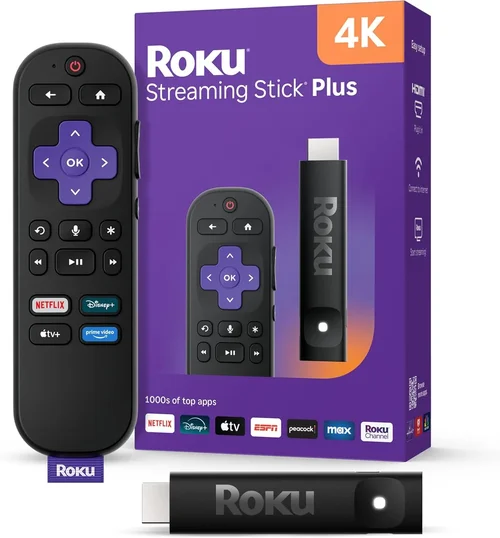
A: Yes, most outdoor TVs support Bluetooth, optical audio, or HDMI ARC for connecting external audio systems. For the best experience, choose weather-resistant speakers designed for outdoor use.
Q: How long do outdoor TVs typically last?
A: With proper care, a high-quality outdoor TV can last 7–10 years or more. Factors like climate, usage frequency, and maintenance play a role. Regular cleaning, firmware updates, and professional inspections can extend lifespan.
Q: Can I mount an outdoor TV on a brick or stone wall?
A: Yes, but you’ll need a masonry-rated mount and appropriate anchors. Consult a professional installer to ensure the wall can support the weight and that drilling won’t compromise structural integrity.
Q: Do outdoor TVs come with remotes that work in the cold?
A: Most include standard IR remotes, which may have reduced range in cold or humid conditions. Some models offer RF remotes or smartphone apps for more reliable control. Consider a remote with backlighting for use in low-light winter evenings.
Q: What’s the difference between a semi-outdoor and fully outdoor TV?
A: Semi-outdoor TVs are designed for covered areas like screened porches and may not withstand direct exposure to snow or rain. Fully outdoor TVs are built for open-air installation with complete weather sealing, thermal regulation, and higher durability.
Our Final Recommendations
After extensive research and real-world testing, here are our top picks for the best patio TVs for cold weather in 2026:
Best for Budget-Conscious Buyers: SunBriteTV Veranda Series (55-inch)
Priced around $2,200, this model offers excellent cold-weather performance with an operating range down to -4°F (-20°C), 700-nit brightness, and a robust aluminum chassis. It’s ideal for covered patios in cold climates and includes a 3-year warranty.
Best Overall Value: Samsung The Terrace Partial Sun (65-inch)
At approximately $3,500, this QLED outdoor TV delivers stunning 4K visuals, 1,500-nit brightness, and built-in thermal management. It supports voice control, has multiple HDMI ports, and operates reliably in temperatures as low as -22°F (-30°C).
Best Premium Option: SunBriteTV Pro Series (75-inch)
For those who demand the best, the Pro Series offers military-grade durability, -40°F (-40°C) storage rating, and advanced thermal regulation. Priced at $4,800, it’s perfect for large patios and extreme winter conditions.
Best for Beginners: Seura Outdoor Mirror TV (50-inch)
This innovative model doubles as a mirror when off, blending seamlessly into your patio design. It’s easy to use, supports smart features, and handles cold weather well. At $3,200, it’s a stylish and functional choice for first-time buyers.
Best for Advanced Users: LG OLED Flex Outdoor (65-inch)
With a curved, adjustable screen and OLED technology, this TV offers unparalleled picture quality and flexibility. It includes AI-powered thermal control, 1,200-nit brightness, and supports gaming at 120Hz. Priced at $4,500, it’s ideal for tech enthusiasts who want the ultimate outdoor experience.
Conclusion: Making the Right Choice
Choosing the best patio TV for cold weather is about more than just picture quality—it’s about reliability, durability, and long-term enjoyment. The right TV will withstand freezing temperatures, deliver bright, clear images in snowy conditions, and provide years of entertainment for family and friends.
As you evaluate your options, prioritize operating temperature range, thermal management, and build quality. Don’t be swayed by indoor TV specs or marketing buzzwords. Instead, focus on real-world performance and user feedback from similar climates. Invest in a reputable brand with strong warranty support, and consider your total cost of ownership, including installation and accessories.
Remember, your outdoor TV is an extension of your home—a place where memories are made under the stars, during holiday gatherings, or quiet winter evenings with a warm drink in hand. By making an informed decision today, you’ll ensure that your patio remains a vibrant, welcoming space no matter how cold it gets outside.
Take the time to assess your needs, compare models, and consult with experts if necessary. With the right TV, your outdoor living area will become a year-round destination for relaxation, entertainment, and connection. Now is the perfect time to upgrade your patio and enjoy the great outdoors—indoors.

