
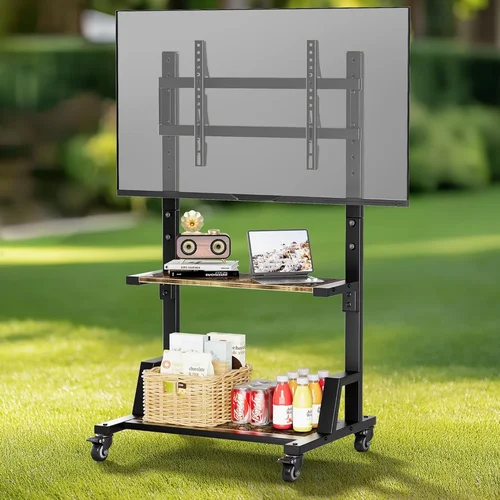
Choosing the right patio TV for family gatherings isn’t just about picking a screen that works outdoors—it’s about creating a shared experience that brings people together under the open sky. Whether you’re hosting summer barbecues, watching fireworks on the Fourth of July, or enjoying a cozy movie night under string lights, your outdoor TV becomes the centerpiece of connection. But unlike indoor televisions, patio TVs face unique challenges: harsh sunlight, temperature swings, humidity, dust, and even curious wildlife. A standard TV mounted outside will likely fail within months. That’s why investing in a purpose-built outdoor TV—or properly protecting a regular one—is essential for long-term enjoyment.
This comprehensive guide is designed to help you navigate the often-confusing world of outdoor televisions with confidence. You’ll learn how to evaluate critical factors like brightness, weather resistance, durability, and smart features, all tailored specifically for outdoor family use. We’ll compare different types of patio TVs, highlight common pitfalls to avoid, and provide expert-backed recommendations based on real-world performance and value. By the end, you’ll have a clear roadmap to choose a TV that not only survives the elements but enhances every backyard gathering for years to come. The market has evolved significantly in recent years, with more brands offering weatherproof models, better anti-glare technology, and integrated smart platforms—but not all are created equal. Let’s dive in and find the perfect fit for your space, lifestyle, and budget.

What to Look for When Buying Buying Guide
1. Brightness & Visibility in Sunlight
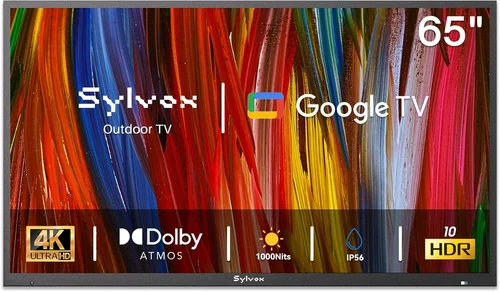
One of the most critical factors when selecting a patio TV is its ability to remain visible in bright daylight. Standard indoor TVs typically output between 300–500 nits of brightness—adequate for dim living rooms but nearly invisible under direct sun. For outdoor use, you need a minimum of 700 nits, with premium models reaching 1,500–2,000+ nits. This high luminance ensures that colors stay vibrant and details remain sharp even at midday.
Look for TVs labeled as “sunlight-readable” or “high-brightness outdoor displays.” These often feature advanced anti-reflective coatings and enhanced backlighting systems. Some models also include ambient light sensors that automatically adjust brightness based on surrounding conditions—a handy feature for transitioning from day to night viewing. If your patio has partial shade or is mostly used in the evening, you might get away with slightly lower brightness, but for full sun exposure, don’t compromise here.
2. Weather Resistance & IP Rating
Outdoor electronics must withstand rain, snow, dust, and temperature extremes. This is where the Ingress Protection (IP) rating becomes your best friend. An IP rating consists of two numbers: the first indicates protection against solid particles (like dust), and the second against liquids (like rain). For patio TVs, aim for at least IP55—this means protection from limited dust ingress and low-pressure water jets from any direction.
However, many dedicated outdoor TVs go further, offering IP65 or IP66 ratings, which provide complete dust protection and resistance to heavy rain or even temporary immersion. Brands like SunBriteTV and Seura build their units with sealed cabinets, corrosion-resistant materials, and internal heating/cooling systems to prevent condensation and overheating. Always verify the IP rating and ensure it covers the entire unit—not just the front panel.
3. Build Quality & Durability
A patio TV isn’t just exposed to weather—it’s also subject to physical wear from wind, vibrations, and accidental bumps. Look for robust construction using powder-coated aluminum or marine-grade stainless steel. These materials resist rust and fading far better than plastic or standard metal housings.
Internal components matter too. High-quality capacitors, reinforced circuit boards, and thermal management systems help the TV endure temperature swings from -22°F to 122°F (-30°C to 50°C), which is typical for outdoor environments. Check if the manufacturer specifies an operating temperature range—this is a strong indicator of true outdoor readiness. Avoid “weatherproof enclosures” that merely house a regular TV unless you’re prepared for frequent maintenance and shorter lifespans.
4. Size & Viewing Distance
Choosing the right screen size depends on your patio layout and typical seating arrangement. A common mistake is going too small—outdoor spaces often feel larger, and viewers may be seated farther away than indoors. Use this rule of thumb: for every 1 foot (30 cm) of viewing distance, opt for 2 inches (5 cm) of screen diagonal. So, if your seating is 10 feet away, a 50-inch TV is ideal.
Popular sizes for patios range from 43 inches to 75 inches. Larger screens (65″+) work well for open decks or pool areas where groups gather, while smaller models suit intimate courtyards or covered porches. Also consider bezel width—slim bezels create a more immersive experience and look cleaner in outdoor settings. Measure your mounting space carefully, including clearance for ventilation and cable access.
5. Smart Features & Connectivity
Modern family gatherings often involve streaming movies, playing music, or sharing photos from phones. A smart TV with built-in Wi-Fi, Bluetooth, and popular apps (Netflix, YouTube, Disney+, etc.) eliminates the need for external streaming devices. Look for platforms like webOS (LG), Tizen (Samsung), or Android TV, which offer intuitive interfaces and regular updates.
Connectivity is equally important. Ensure the TV has multiple HDMI ports (at least 3), USB inputs, and possibly optical audio output if you plan to connect a soundbar or outdoor speakers. Some premium models include weatherproof cable glands or pass-through ports to protect connections from moisture. Voice control via Alexa or Google Assistant is a nice bonus for hands-free operation during cookouts or games.
6. Audio Performance
While many outdoor TVs include built-in speakers, they’re often underpowered for open-air environments where sound dissipates quickly. Most patio TVs output 10–20 watts, which may suffice for casual listening but falls short for lively gatherings. Consider pairing your TV with weather-resistant outdoor speakers or a Bluetooth soundbar designed for exteriors.
If you prefer all-in-one convenience, some models—like those from Peerless-AV or SkyVue—feature enhanced audio systems with passive radiators or dedicated subwoofers. Alternatively, look for TVs with ARC (Audio Return Channel) or eARC support to easily route sound to an external amplifier. Remember: good audio transforms a simple viewing session into an immersive experience, especially during sports events or concerts.
7. Installation & Mounting Options
How you mount your TV affects both safety and viewing comfort. Wall mounts are most common, but ceiling, post, or articulating arm mounts offer flexibility depending on your patio design. Ensure the mounting hardware is rated for outdoor use and can support the TV’s weight—especially in windy areas.
For permanent installations, consider hiring a professional installer who understands local building codes and electrical requirements. If you’re DIY-ing, choose a mount with tilt and swivel functions to reduce glare and optimize viewing angles. Cable management is crucial: use conduit or raceways to protect wires from weather and pests. Some outdoor TVs come with pre-drilled mounting holes and included brackets, simplifying setup.
8. Brand Reputation & Warranty
Not all outdoor TV brands are equal. Established names like SunBriteTV, Seura, and LG have years of experience engineering for harsh conditions. They often provide detailed spec sheets, customer testimonials, and responsive support. Lesser-known brands may cut corners on materials or testing.
Warranty length and coverage are telling indicators of confidence in product durability. Premium outdoor TVs typically come with 2–3 year warranties, sometimes extendable. Read the fine print: does it cover labor? What about accidental damage or power surges? A strong warranty not only protects your investment but also reflects the manufacturer’s commitment to quality.
Different Types of Buying Guide

Common Buying Mistakes to Avoid
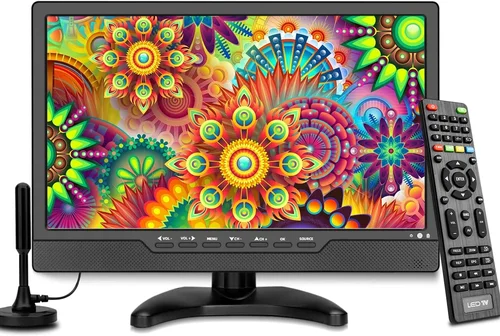
❌ Mistake: Using a Regular Indoor TV Outdoors
Why it’s bad: Indoor TVs lack weather sealing, corrosion-resistant components, and adequate brightness. Exposure to moisture, temperature swings, or UV rays can cause immediate failure or gradual degradation. Repair costs often exceed replacement value.
What to do instead: Invest in a purpose-built outdoor TV or use a certified weatherproof enclosure designed for your specific model. Never assume “it’ll be fine under the eaves”—condensation and indirect rain still pose risks.
❌ Mistake: Ignoring Viewing Angles and Glare
Why it’s bad: Even with high brightness, reflective surfaces or poor placement can render the screen unwatchable. Families end up squinting or repositioning furniture constantly, ruining the experience.
What to do instead: Mount the TV perpendicular to the sun’s path when possible. Use anti-glare screens or install a retractable awning. Test viewing angles from all common seating spots before finalizing placement.
❌ Mistake: Overlooking Audio Needs
Why it’s bad: Weak built-in speakers make dialogue hard to hear over wind, traffic, or laughter. Guests miss key moments during movies or games, leading to frustration.
What to do instead: Budget for outdoor-rated speakers or a wireless sound system. Place speakers strategically around the seating area for even coverage. Consider waterproof Bluetooth options for flexibility.
❌ Mistake: Choosing Based Solely on Price
Why it’s bad: The cheapest option often lacks essential features like proper IP rating or sufficient brightness. You may end up replacing it within a year, costing more long-term.
What to do instead: Prioritize value over price. A mid-range outdoor TV with solid specs will outperform a discounted indoor model in durability and performance. Think of it as a long-term investment in family enjoyment.
❌ Mistake: Skipping Professional Installation
Why it’s bad: Improper mounting can lead to instability, water intrusion, or electrical hazards. DIY errors may void warranties or create safety risks, especially in high-wind areas.
What to do instead: Hire a certified installer familiar with outdoor AV setups. They’ll ensure secure mounting, proper grounding, and concealed cabling—plus often include a service warranty.
❌ Mistake: Neglecting Future-Proofing
Why it’s bad: Buying a TV with outdated ports or no smart capabilities limits usability as technology evolves. You’ll need extra adapters or streaming sticks, cluttering your setup.
What to do instead: Choose a model with HDMI 2.1, Wi-Fi 6, and regular firmware updates. Ensure it supports current and emerging streaming standards to maximize longevity.
Budget Guidelines: How Much Should You Spend?
- Entry-Level ($600–$1,200): Ideal for covered patios with minimal sun exposure. Look for partial-shade outdoor TVs or indoor models in basic enclosures. Expect 500–700 nits brightness, limited smart features, and 1-year warranties. Best for occasional use or smaller groups.
- Mid-Range ($1,200–$2,500): The sweet spot for most families. These offer 700–1,200 nits brightness, IP55+ ratings, reliable smart platforms, and decent audio. Models from SunBriteTV Veranda series or LG’s outdoor-ready displays fit here. Great for year-round use in varied conditions.
- Premium ($2,500–$4,500): For enthusiasts who want top-tier performance. Features include 1,500+ nits brightness, full climate control, premium materials, and extended warranties. Perfect for large gatherings, pool parties, or homes in extreme climates.
- Luxury ($4,500+): Commercial-grade or custom solutions. Think ultra-thin designs, 8K resolution, integrated lighting, or motorized lift systems. Reserved for high-end homes, resorts, or those who view their patio as an extension of their living room.
Expert Tips for Getting the Best Deal
- Buy in Off-Season: Prices drop significantly in late fall and winter when demand is low. Retailers often clear inventory before spring launches. Sign up for alerts from specialty outdoor AV stores.
- Compare Total Cost of Ownership: Factor in energy efficiency, expected lifespan, and maintenance. A slightly pricier TV with lower power consumption and longer warranty may save money over time.
- Check Manufacturer Rebates: Brands like Seura and SunBriteTV occasionally offer seasonal promotions or trade-in programs. These can shave hundreds off the price.
- Read Real User Reviews: Skip the glossy marketing and search for reviews from actual patio owners. Sites like AVS Forum or Reddit’s r/outdoortv have honest feedback on longevity and performance.
- Test Before You Commit: If possible, visit a showroom or friend’s setup to see brightness and sound quality in person. Outdoor visibility is hard to judge from specs alone.
- Negotiate Installation Bundles: Many retailers offer discounted or free installation with purchase. Ask about package deals that include mounts, cables, and setup.
- Verify Return Policies: Outdoor TVs are often non-returnable due to their specialized nature. Ensure you have at least a 14-day window to test functionality in your environment.
- Consider Refurbished Models: Certified refurbished units from reputable sellers can offer 20–30% savings with full warranties. Just confirm they’re truly outdoor-rated, not just returned indoor TVs.

Frequently Asked Questions
Q: Can I use my regular TV outside if it’s under a roof?
A: Technically yes, but it’s risky. Even under cover, humidity, temperature swings, and indirect moisture can damage internal components. For reliable, long-term use, opt for an outdoor-rated model or a certified weatherproof enclosure.
Q: Do outdoor TVs consume more power?
A: Not necessarily. While high-brightness modes use more energy, many modern outdoor TVs are Energy Star certified and include power-saving features like auto-dimming. Compare wattage ratings—most are similar to indoor equivalents of the same size.
Q: How do I clean my outdoor TV?
A: Use a microfiber cloth and mild soap solution. Avoid ammonia-based cleaners or abrasive pads. Turn off and unplug the TV first. For stubborn grime, lightly dampen the cloth—never spray liquid directly on the screen.
Q: Will an outdoor TV work in freezing temperatures?
A: Yes, if it’s designed for it. Look for models with operating ranges down to -22°F (-30°C). Some include internal heaters to prevent condensation during cold starts.
Q: Can I connect gaming consoles or cable boxes?
A: Absolutely. Most outdoor TVs have full HDMI and USB support. Just ensure cables are rated for outdoor use or routed through protective conduit to prevent corrosion.
Q: Do I need a special antenna for over-the-air broadcasts?
A: A standard outdoor TV antenna works fine. Place it away from the TV to avoid interference. Some smart outdoor TVs also support streaming live TV via apps like YouTube TV or Hulu + Live TV.
Q: How long do outdoor TVs typically last?
A: With proper care, 7–10 years is common. Premium models with robust build quality often exceed a decade. Regular maintenance (cleaning vents, checking seals) extends lifespan significantly.
Q: Are outdoor TVs safe during thunderstorms?
A: Always unplug during severe weather. While the TV itself is weather-resistant, lightning surges can damage electronics. Use a surge protector if hardwired.
Q: Can I mount an outdoor TV on a brick or stucco wall?
A: Yes, but use appropriate anchors and consult a professional. Brick requires masonry screws; stucco needs toggle bolts. Ensure the wall can support the weight—especially for larger screens.
Q: Do outdoor TVs come with remotes that work in sunlight?
A: Most use standard IR remotes, which can struggle in bright light. Consider upgrading to a Bluetooth remote or using a smartphone app for control. Some brands offer sunlight-readable remote options.
Our Final Recommendations
- Best for Budget-Conscious Buyers: SunBriteTV Veranda Series (55″) – Offers excellent brightness (700 nits), IP55 rating, and reliable smart features under $1,500. Perfect for covered patios and casual viewing.
- Best Overall Value: LG 65″ Outdoor Smart TV (OLED EX) – Combines stunning picture quality, 1,200 nits brightness, webOS platform, and robust build for around $2,800. Ideal for mixed indoor/outdoor use.
- Best Premium Option: Seura 75″ Shadow Series – Ultra-thin design, 2,000 nits brightness, integrated heating/cooling, and luxury aesthetics. Priced near $4,200, it’s built for discerning homeowners.
- Best for Beginners: Peerless-AV 50″ Xtreme Outdoor TV – Simple setup, strong durability, and clear documentation. Great for first-time buyers wanting plug-and-play reliability.
- Best for Advanced Users: SkyVue Pro 86″ Commercial Display – Designed for 24/7 operation, 2,500 nits brightness, and modular components. Ideal for tech-savvy users managing large outdoor entertainment systems.
Conclusion: Making the Right Choice
Selecting the perfect patio TV for family gatherings is about more than specs—it’s about fostering connection, creating memories, and enhancing your outdoor lifestyle. Throughout this guide, we’ve emphasized the importance of brightness, weather resistance, durability, and smart functionality, all tailored to the unique demands of outdoor living. Remember, the best TV isn’t necessarily the biggest or most expensive—it’s the one that aligns with your space, usage patterns, and budget while delivering consistent performance season after season.
Take time to assess your patio’s conditions: Is it fully exposed or partially shaded? How many people typically gather? When do you use it most—day or night? These answers will steer you toward the right category and features. Don’t rush the decision; a well-chosen outdoor TV becomes a lasting centerpiece for birthdays, game nights, holiday celebrations, and quiet evenings under the stars.
Finally, prioritize quality over quick savings. A reliable outdoor TV may cost more upfront, but it pays dividends in longevity, performance, and peace of mind. Use our recommendations, avoid common pitfalls, and apply the expert tips to get the best possible deal. Your family deserves an outdoor entertainment experience that’s as resilient as it is enjoyable. Now go forth, gather your loved ones, and press play.

