
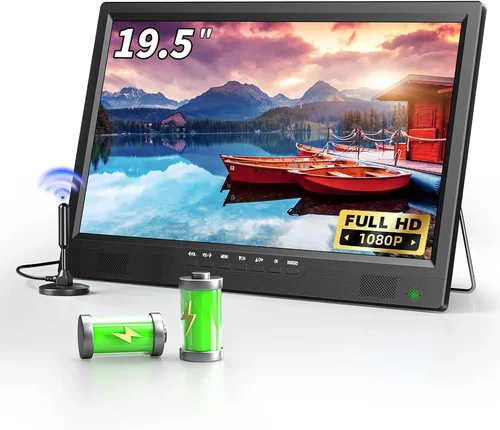
Outdoor living spaces have evolved far beyond simple patios with a few chairs and a grill. Today’s homeowners are transforming their small patios into fully functional outdoor entertainment zones—complete with weather-resistant furniture, ambient lighting, sound systems, and yes, even televisions. Whether you’re hosting a summer movie night under the stars, catching the big game while grilling, or simply unwinding with your favorite show after a long day, an outdoor TV can elevate your patio experience to something truly special.
But here’s the catch: not all TVs are built to withstand the elements. Standard indoor televisions may look great in your living room, but expose them to sunlight, humidity, rain, or temperature swings, and they’ll quickly fail—sometimes within weeks. That’s why choosing the right outdoor television is critical. This guide exists to help you navigate the often-confusing world of outdoor TVs, especially if you’re working with a compact space like a small patio. We’ll walk you through everything you need to know—from essential features and durability standards to budget considerations and top recommendations—so you can make a confident, informed decision.
By the end of this comprehensive buying guide, you’ll understand exactly what makes an outdoor TV different from its indoor counterpart, how to match a model to your specific needs, and where to find the best value without compromising on quality. Whether you’re a first-time buyer or upgrading from an older model, we’ve got you covered. The market for outdoor TVs has grown significantly in recent years, with more brands entering the space and technology improving rapidly. However, that also means more choices—and more potential for confusion. Our goal is to cut through the noise, highlight what truly matters, and give you the tools to pick the perfect outdoor television for your small patio setup.

What to Look for When Buying Buying Guide
1. Weather Resistance & IP Rating
When it comes to outdoor electronics, weather resistance isn’t optional—it’s non-negotiable. Unlike indoor TVs, outdoor models must endure rain, snow, dust, UV exposure, and extreme temperatures. The first thing to check is the TV’s Ingress Protection (IP) rating. This two-digit code tells you how well the device resists solids (like dust) and liquids (like water). For outdoor use, look for at least an IP55 rating—this means the TV is protected against dust ingress and low-pressure water jets from any direction. Higher ratings like IP65 or IP66 offer even greater protection, making them ideal for uncovered patios or areas with heavy rainfall.
Beyond the IP rating, consider the TV’s internal components. True outdoor TVs use sealed enclosures, corrosion-resistant materials, and specialized cooling systems that prevent overheating in direct sunlight. Some models also feature anti-reflective coatings to reduce glare—a major issue on sunny days. Don’t assume that placing a regular TV under a covered awning makes it “outdoor-ready.” Even partial exposure can lead to condensation buildup, circuit damage, or premature failure. Always choose a model specifically designed for outdoor use.
2. Brightness & Display Quality
One of the biggest challenges with outdoor viewing is screen visibility in bright conditions. Indoor TVs typically peak around 300–500 nits of brightness, which is fine for dimly lit rooms but nearly invisible in daylight. Outdoor TVs, by contrast, need significantly higher brightness levels—ideally 700 nits or more—to remain clear and vibrant under direct sunlight. Look for models that advertise “high-brightness” or “sunlight-readable” displays, often achieved through enhanced backlighting and optical bonding technology.
Resolution is another key factor. While 4K UHD is now standard even in outdoor models, pay attention to color accuracy and contrast ratio. OLED screens offer superior blacks and contrast but are less common in outdoor TVs due to cost and durability concerns. Most outdoor models use high-quality LED-LCD panels with local dimming for better dynamic range. Also consider the viewing angle: if your patio seating is spread out, opt for a TV with wide viewing angles (178 degrees or more) to ensure everyone gets a good picture.
3. Size & Viewing Distance
For a small patio, size matters—but not in the way you might think. You don’t need a massive 75-inch screen to enjoy great visuals. In fact, oversized TVs can overwhelm a compact space and create uncomfortable viewing angles. Instead, match the TV size to your typical seating distance. A good rule of thumb: for every 1 inch of screen diagonal, sit about 1.5 feet away. So, for a viewing distance of 6–8 feet (common on small patios), a 55-inch to 65-inch TV is ideal.
Also consider mounting options. Wall-mounted TVs save floor space and keep cords hidden, while freestanding models offer flexibility if you rearrange your patio often. Measure your available wall or stand space before buying—and remember to account for ventilation clearance. Most outdoor TVs require at least 2–3 inches of space around the sides and top for proper airflow.
4. Audio Performance
Outdoor environments are noisy—wind, traffic, birds, and distant conversations can drown out TV audio. Many outdoor TVs come with built-in speakers, but they’re often underpowered for open-air settings. Check the wattage (aim for at least 20W total) and whether the TV supports external audio outputs like optical or HDMI ARC. This lets you connect a soundbar, wireless speakers, or a full outdoor audio system for richer, louder sound.
Some premium models include weather-resistant speaker grilles and enhanced bass response, but don’t rely solely on built-in audio. If you plan to entertain frequently, investing in a separate outdoor speaker setup is wise. Look for TVs with Bluetooth connectivity so you can stream audio directly to wireless speakers without running cables across your patio.
5. Smart Features & Connectivity
Just like indoor TVs, modern outdoor models come packed with smart features. Built-in Wi-Fi, voice assistants (like Alexa or Google Assistant), and streaming apps (Netflix, YouTube, Disney+, etc.) let you cut the cord and enjoy content without extra devices. However, not all smart platforms are created equal. Roku TV, Android TV, and webOS offer the most app support and regular updates, while proprietary systems may lag behind.
Connectivity is equally important. Ensure the TV has enough HDMI ports (at least 3–4) for devices like streaming sticks, gaming consoles, or cable boxes. USB ports are useful for playing media files or powering accessories. Also check for Ethernet ports—wired internet connections are more reliable than Wi-Fi outdoors, where signals can weaken due to distance or interference from walls and foliage.
6. Build Quality & Durability
An outdoor TV isn’t just about surviving the weather—it’s about lasting for years. Look for robust construction: powder-coated aluminum frames, tempered glass screens, and sealed internal components. Avoid plastic-heavy designs, which can warp or crack in extreme heat or cold. The best outdoor TVs undergo rigorous testing for thermal cycling, salt fog resistance (for coastal areas), and UV stability.
Mounting hardware should also be heavy-duty and corrosion-resistant. Many manufacturers sell compatible outdoor mounts separately—make sure yours is rated for your TV’s weight and includes tilt/swivel options for optimal viewing angles. Some brands even offer theft-deterrent kits with locking brackets, which is smart if your patio is accessible to guests or neighbors.
7. Brand Reputation & Ecosystem
Not all outdoor TV brands are equal. Stick with manufacturers known for reliability and customer support, such as SunBriteTV, Samsung (The Terrace), LG (OLED Flex for semi-outdoor use), and Seura. These companies specialize in outdoor displays and understand the unique challenges of open-air environments. Avoid generic or no-name brands that may cut corners on materials or lack proper certifications.
Also consider ecosystem compatibility. If you already use smart home devices from a particular brand (like Samsung SmartThings or Google Home), choosing a TV that integrates seamlessly can simplify control and automation. Some outdoor TVs even support geofencing—automatically turning on when you approach your patio.
8. Warranty & Support
Outdoor TVs are a significant investment, so protect yourself with a strong warranty. Most reputable brands offer 2–3 years of coverage, including parts and labor. Pay attention to what’s covered: does it include weather-related damage? What about accidental drops or power surges? Some companies provide on-site service, while others require you to ship the unit back—factor in downtime and shipping costs.
Read the fine print. Many warranties become void if the TV is installed incorrectly or used in conditions beyond its rating (e.g., submerging an IP55 TV in a pool). Register your product promptly and keep all documentation. Also check if the brand offers extended warranty options or protection plans—especially valuable in harsh climates.
Different Types of Buying Guide
Common Buying Mistakes to Avoid
❌ Mistake: Using an Indoor TV Outdoors
Why it’s bad: Indoor TVs lack weatherproofing, proper ventilation, and UV protection. Exposure to moisture or temperature changes can cause immediate failure, void warranties, and even pose electrical hazards.
What to do instead: Always choose a TV specifically rated for outdoor use. If budget is tight, consider a semi-outdoor model for covered areas or invest in a quality outdoor enclosure.
❌ Mistake: Ignoring Sunlight and Glare
Why it’s bad: A dim screen turns your patio into a guessing game. Even on cloudy days, ambient light can wash out colors and make details hard to see.
What to do instead: Prioritize brightness (700+ nits) and anti-glare coatings. Test the TV during daytime hours before finalizing your purchase.
❌ Mistake: Overlooking Audio Needs
Why it’s bad: Built-in speakers often can’t compete with outdoor noise, leading to frustrating volume adjustments or muffled dialogue.
What to do instead: Plan for external audio from day one. Choose a TV with audio outputs and pair it with weather-resistant speakers or a soundbar.
❌ Mistake: Choosing the Wrong Size
Why it’s bad: A TV too large for your space creates neck strain and dominates the area. One too small forces squinting and reduces immersion.
What to do instead: Measure your seating distance and use the 1.5x rule. For small patios, 55″ to 65″ is usually the sweet spot.
❌ Mistake: Skimping on Mounting Hardware
Why it’s bad: Weak or incompatible mounts can lead to sagging, instability, or even the TV falling—especially in windy conditions.
What to do instead: Use manufacturer-recommended outdoor mounts with corrosion-resistant bolts and adequate weight capacity. Consider professional installation.
❌ Mistake: Not Checking Return Policies
Why it’s bad: Outdoor TVs are expensive, and once installed, returning them can be logistically difficult and costly.
What to do instead: Buy from retailers with generous return windows (30+ days) and clear policies on defective or incompatible units.
❌ Mistake: Forgetting About Power and Cables
Why it’s bad: Running extension cords across your patio creates tripping hazards and looks messy. Poor cable management can also expose wires to weather damage.
What to do instead: Plan your power source in advance. Use outdoor-rated extension cords or hire an electrician to install a dedicated outlet near the TV location.
Budget Guidelines: How Much Should You Spend?
Outdoor TVs represent a premium category, but prices vary widely based on features, size, and durability. Here’s a realistic breakdown to help you set expectations:
- Entry-Level ($800–$1,500): These are typically semi-outdoor models or indoor TVs paired with basic enclosures. They work well for covered patios with minimal exposure. Expect decent brightness (500–700 nits), standard smart features, and limited weather resistance (IP54). Ideal for casual viewers on a budget.
- Mid-Range ($1,500–$2,500): This is the sweet spot for most small patio owners. You’ll find fully weatherproof TVs (IP55 or higher) with 700+ nits brightness, robust build quality, and reliable smart platforms. Brands like SunBriteTV and Samsung offer excellent options here. Great balance of performance, durability, and value.
- Premium ($2,500–$4,000): For those who want the best—think commercial-grade durability, ultra-bright displays (1,000+ nits), advanced cooling systems, and seamless smart home integration. These TVs handle extreme conditions and often include extended warranties. Perfect for uncovered patios or frequent entertainers.
- Luxury ($4,000+): Top-tier models from brands like Seura or custom-install solutions. These feature OLED-like contrast, whisper-quiet operation, designer aesthetics, and sometimes even motorized lift mechanisms. Reserved for high-end homes or professional installations.
Expert Tips for Getting the Best Deal
- Buy During Off-Seasons: Outdoor TV sales peak in spring and summer. Shop in late fall or winter (October–February) for discounts of 15–30% as retailers clear inventory.
- Compare Retailers: Check specialty outdoor electronics stores (like Outdoor TV Direct), big-box retailers (Best Buy, Costco), and online marketplaces (Amazon, Crutchfield). Some offer bundle deals with mounts or extended warranties.
- Look for Certified Refurbished Units: Reputable brands often sell refurbished outdoor TVs at 20–40% off with full warranties. These are thoroughly tested and ideal for budget-conscious buyers.
- Negotiate Installation Packages: Many retailers offer free or discounted installation with purchase—especially during promotional periods. This saves you time and ensures proper setup.
- Check for Rebates or Tax Credits: Some energy-efficient models qualify for local utility rebates. While rare for TVs, it’s worth a quick search.
- Read Real User Reviews: Skip the marketing fluff. Focus on reviews from verified buyers who’ve used the TV outdoors for 6+ months. Look for comments on brightness, durability, and customer service.
- Test Before Committing: If possible, visit a showroom to see the TV in person. Pay attention to screen clarity in bright lighting and speaker quality.
- Prioritize Long-Term Value: A slightly more expensive TV with a better warranty and build quality will cost less over time than replacing a cheaper model every 2–3 years.

Frequently Asked Questions
Q: Can I use a regular TV outdoors if it’s under a roof?
A: Technically yes, but it’s risky. Even covered areas can experience humidity, temperature swings, and indirect moisture. For true peace of mind and longevity, invest in a purpose-built outdoor TV or a high-quality enclosure.
Q: Do outdoor TVs consume more power?
A: Not necessarily. Modern outdoor models use similar energy-efficient LED backlighting as indoor TVs. However, higher brightness settings may increase consumption slightly—look for ENERGY STAR certification to minimize impact.
Q: How do I clean my outdoor TV screen?
A: Use a microfiber cloth and mild, non-abrasive cleaner. Avoid ammonia-based products or paper towels, which can scratch the anti-reflective coating. Power off the TV before cleaning.
Q: Will an outdoor TV work in winter?
A: Yes—if it’s rated for your climate. Most outdoor TVs operate safely from -22°F to 122°F (-30°C to 50°C). Avoid turning it on immediately after extreme cold; let it acclimate for 1–2 hours.
Q: Can I mount an outdoor TV on a brick or concrete wall?
A: Absolutely. Use masonry anchors and a heavy-duty outdoor mount. Consider hiring a professional to ensure secure installation and avoid damaging your wall.
Q: Do outdoor TVs come with remotes?
A: Yes, but many also support smartphone apps or voice control. Some remotes are weather-resistant—check the specs if you plan to leave it outside.
Q: What’s the difference between “outdoor-ready” and “all-weather”?
A: “Outdoor-ready” usually means the TV can handle mild conditions (like a covered porch), while “all-weather” indicates full protection against rain, snow, and direct sun (IP55 or higher).
Q: Can I stream 4K content outdoors?
A: Yes, as long as your internet connection is strong enough. Use a wired Ethernet connection if Wi-Fi is unreliable. Most outdoor smart TVs support 4K streaming via Netflix, YouTube, and other platforms.
Q: How long do outdoor TVs last?
A: With proper care, a quality outdoor TV should last 7–10 years—similar to indoor models. Harsh environments may shorten lifespan, so regular maintenance helps.
Q: Are outdoor TVs worth the extra cost?
A: If you use your patio frequently for entertainment, absolutely. The durability, visibility, and reliability justify the investment compared to constantly replacing damaged indoor TVs.
Our Final Recommendations
- Best for Budget-Conscious Buyers: SunBriteTV Veranda Series (55″) – At around $1,600, this model offers full weatherproofing, 700-nit brightness, and Roku smart platform—all at a competitive price for its class.
- Best Overall Value: Samsung The Terrace (65″) – Priced around $2,200, it delivers exceptional brightness (1,500 nits), anti-reflective coating, and seamless SmartThings integration. Ideal for mixed indoor/outdoor use.
- Best Premium Option: Seura Shadow (65″) – With a sleek design, 1,000-nit display, and whisper-quiet operation, this $3,500+ TV is perfect for luxury patios where aesthetics and performance matter most.
- Best for Beginners: LG 55″ OLED Flex (with outdoor enclosure) – While not fully outdoor-rated, this innovative bendable OLED paired with a quality enclosure (like those from Peerless-AV) offers stunning picture quality for covered patios—great for tech-savvy newcomers.
- Best for Advanced Users: SunBriteTV Pro Series (75″) – Built for extreme conditions, this commercial-grade beast features 2,000-nit brightness, fanless cooling, and modular design. Ideal for tech enthusiasts who demand peak performance.
Conclusion: Making the Right Choice
Choosing the best outdoor television for your small patio isn’t just about picking the shiniest screen or the biggest brand name. It’s about understanding your environment, your usage habits, and your long-term goals. A well-chosen outdoor TV transforms your patio from a simple outdoor room into a true extension of your home—a place where memories are made, games are watched, and relaxation happens under open skies.
Throughout this guide, we’ve emphasized the importance of weather resistance, brightness, size appropriateness, audio quality, and smart features. We’ve warned against common pitfalls like using indoor TVs outdoors or ignoring mounting needs. We’ve broken down budgets, compared categories, and shared expert strategies to help you get the most value. Most importantly, we’ve reminded you that durability and reliability matter just as much as picture quality when you’re investing in an outdoor lifestyle.
Now it’s your turn. Take a moment to assess your patio: Is it covered or exposed? How far do you sit from the screen? Do you entertain often or watch solo? What’s your realistic budget? Answer these questions honestly, and the right TV will reveal itself. Don’t rush the decision—this is an investment that should serve you for years.
When you’re ready, shop with confidence. Compare models using our criteria, read real user reviews, and don’t hesitate to reach out to manufacturers with questions. And once you’ve made your choice, enjoy the countless evenings, mornings, and afternoons your new outdoor TV will bring to life. Your small patio deserves big entertainment—and now, you know exactly how to deliver it.

