
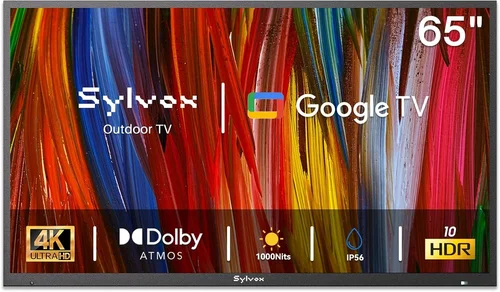
Outdoor gatherings are one of the best parts of summer—barbecues, pool parties, movie nights under the stars, and game-day watch parties all come alive when you bring entertainment outside. But trying to enjoy your favorite show or sports event on a regular indoor TV in direct sunlight is frustrating at best and impossible at worst. That’s where outdoor televisions come in. Designed specifically to withstand the elements and deliver a bright, clear picture even in harsh lighting, outdoor TVs transform your backyard into a true entertainment hub.
This comprehensive buying guide is here to help you navigate the often-confusing world of outdoor televisions. Whether you’re planning a small patio setup or outfitting a full outdoor kitchen and lounge area, choosing the right TV can make or break your summer experience. With so many options on the market—ranging from weatherproof enclosures for indoor TVs to fully integrated outdoor models—it’s easy to feel overwhelmed. Our goal is to cut through the noise and give you the expert-level knowledge you need to make a smart, confident purchase.
In this guide, you’ll learn everything from key performance specs and durability considerations to budget guidelines and common pitfalls to avoid. We’ll compare different types of outdoor TVs, break down what features actually matter for real-world use, and share insider tips to help you get the best value. By the end, you’ll know exactly what to look for based on your space, usage, and budget—so you can focus less on specs and more on enjoying your next backyard bash.
The outdoor TV market has evolved significantly in recent years. What once consisted mostly of bulky, expensive commercial-grade displays has now expanded to include sleek, consumer-friendly models that blend style with serious functionality. Brands like SunBriteTV, Samsung, LG, and Seura have pioneered innovations in brightness, anti-glare coatings, thermal management, and weather resistance. Meanwhile, DIY solutions—like mounting a standard indoor TV inside a weatherproof enclosure—have also gained popularity among budget-conscious buyers. With options spanning from under $500 to over $5,000, there’s truly something for every need and price point.

What to Look for When Buying an Outdoor Television
1. Brightness & Screen Visibility
One of the most critical factors in choosing an outdoor TV is screen brightness, measured in nits. Indoor TVs typically range from 250 to 500 nits, which is fine for dimly lit living rooms but completely inadequate for outdoor use—especially in direct sunlight. Outdoor TVs need significantly higher brightness levels to remain visible when the sun is shining. Look for models with at least 700 nits, but ideally 1,000 nits or more for full sun exposure. Some premium outdoor TVs boast up to 2,500 nits, ensuring crisp, vibrant images even at noon.
Beyond raw brightness, consider anti-reflective coatings and screen technology. Many outdoor TVs use optically bonded glass or specialized matte finishes that reduce glare from sunlight, water, or nearby lights. OLED screens, while stunning indoors, often struggle outdoors due to lower peak brightness compared to high-end LED/LCD models. For shaded patios or evening use, a 700–1,000 nit TV may suffice, but if your TV will face direct sun for part of the day, invest in a model with 1,500+ nits and robust anti-glare treatment.
2. Weather Resistance & IP Rating
Outdoor electronics must endure rain, snow, dust, humidity, and temperature swings—sometimes all in one season. That’s why weather resistance is non-negotiable. Most dedicated outdoor TVs come with an IP (Ingress Protection) rating, which indicates how well the unit resists solids and liquids. For outdoor use, look for at least IP55 (protects against dust and low-pressure water jets), but IP65 or higher is ideal for full four-season durability.
However, not all “weather-resistant” TVs are created equal. Some manufacturers claim outdoor compatibility but only offer partial protection—like front-facing seals without rear ventilation covers. True outdoor TVs feature fully sealed cabinets, rust-proof materials (like powder-coated aluminum), and internal heating/cooling systems to prevent condensation and overheating. Avoid using standard indoor TVs outdoors without a certified outdoor enclosure, as moisture ingress can cause irreversible damage and void warranties.
3. Thermal Management & Ventilation
Electronics generate heat, and in an outdoor environment—especially under direct sun—that heat can build up quickly. Poor thermal management leads to throttling (reduced performance), shortened lifespan, or outright failure. High-quality outdoor TVs include built-in cooling fans, passive heat sinks, or even active temperature control systems that adjust based on ambient conditions.
Look for models with rear ventilation ports covered by water-resistant baffles, which allow airflow while keeping moisture out. Some units also feature internal heaters for cold climates, preventing screen fogging and ensuring reliable startup in winter. If you live in an area with extreme temperatures (below 20°F or above 100°F), confirm the TV’s operating temperature range matches your climate. Most outdoor TVs operate between -22°F and 122°F, but always verify specs.
4. Build Quality & Durability
An outdoor TV isn’t just exposed to weather—it’s also vulnerable to accidental bumps, kids playing nearby, or even wildlife. That’s why build quality matters as much as specs. Premium outdoor TVs use reinforced frames, shatter-resistant screens, and tamper-proof mounting hardware. Many feature tempered glass fronts that can withstand impacts from small debris or stray soccer balls.
Check the chassis material: aluminum and stainless steel resist corrosion far better than plastic. Also, examine cable management—look for grommets or sealed input panels that keep connectors dry. A well-built outdoor TV should feel solid and heavy, not flimsy. Avoid ultra-thin designs unless they’re specifically engineered for outdoor rigidity. Remember: this TV might stay outside year-round, so invest in something that won’t crack, warp, or fade after one season.
5. Size & Viewing Distance
Choosing the right screen size depends on your seating arrangement and available space. For patios under 10 feet wide, a 43″ to 55″ TV is usually sufficient. For larger decks, pool areas, or outdoor theaters, consider 65″ or larger. Use the “1.5 to 2.5 times” rule: multiply your viewing distance (in inches) by 1.5 to 2.5 to find the ideal screen diagonal. For example, if viewers sit 120 inches (10 feet) away, a 60″ to 75″ TV works best.
But don’t forget ambient light. A larger screen in bright sunlight needs even higher brightness to maintain clarity. Also, consider bezel size—some outdoor TVs have thicker bezels for structural integrity, which can affect perceived screen real estate. Finally, ensure your mounting location allows for comfortable viewing angles; avoid placing the TV too high or too low relative to seated eye level.
6. Connectivity & Smart Features
Modern outdoor TVs often include smart platforms like Android TV, webOS, or Tizen, giving you access to streaming apps without extra devices. This is convenient, but verify that the OS remains responsive in outdoor conditions—some cheaper models lag when streaming 4K content or running multiple apps. Look for Wi-Fi 5 or Wi-Fi 6 support for stable connections, especially if your router is far from the TV.
HDMI ports are essential for connecting soundbars, gaming consoles, or cable boxes. Aim for at least two HDMI 2.0 (or 2.1 for future-proofing) ports. USB ports allow media playback or firmware updates. Some models include built-in speakers, but audio quality is often mediocre—plan to pair your TV with outdoor-rated speakers or a soundbar for immersive sound. Also, check for Bluetooth support if you want wireless audio.
7. Brand Reputation & Ecosystem Compatibility
Not all brands specialize in outdoor displays. Stick with manufacturers known for outdoor electronics, such as SunBriteTV (a leader since 2004), Seura (famous for mirror TVs and outdoor models), or Samsung’s Terrace series. These companies design their products from the ground up for outdoor use, unlike repurposed indoor TVs.
Consider ecosystem compatibility too. If you already use Samsung phones or LG smart home devices, sticking with the same brand may simplify integration. However, don’t let brand loyalty override performance—some lesser-known brands offer excellent value. Read professional reviews and user feedback to gauge reliability. Avoid no-name brands with vague specs or missing certifications.
8. Warranty & Support
Outdoor TVs are a significant investment, so robust warranty coverage is crucial. Most reputable brands offer 2–3 years of limited warranty, covering defects and weather-related failures. Some even provide on-site service or expedited replacement. Check what’s included: does the warranty cover accidental damage? Is labor covered? Are spare parts readily available?
Also, assess customer support responsiveness. Can you reach a human quickly? Are troubleshooting guides available? A strong support network can save you weeks of downtime if something goes wrong. Avoid brands with only email support or overseas call centers unless they have a proven track record.
Different Types of Outdoor Televisions

Common Buying Mistakes to Avoid
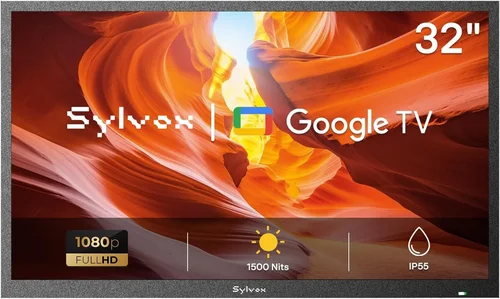
❌ Mistake: Using a Standard Indoor TV Outdoors Without Protection
Why it’s bad: Indoor TVs lack weather sealing, proper ventilation, and sufficient brightness. Even brief rain exposure or morning dew can cause internal corrosion, leading to dead pixels, audio failure, or complete shutdown. Most manufacturers void warranties if used outdoors.
What to do instead: Either buy a purpose-built outdoor TV or use a certified weatherproof enclosure designed for your specific TV model. Never assume “it’ll be fine under the eaves”—moisture finds a way.
❌ Mistake: Ignoring Brightness Requirements
Why it’s bad: A dim screen turns your outdoor movie night into a guessing game. If the TV can’t overcome ambient light, colors wash out, contrast disappears, and text becomes unreadable—ruining the experience for everyone.
What to do instead: Match brightness to your environment: 700–1,000 nits for shade, 1,000–1,500 nits for partial sun, and 1,500+ nits for full sun. When in doubt, go brighter.
❌ Mistake: Overlooking Mounting and Installation Challenges
Why it’s bad: Outdoor TVs are heavier and require specialized mounts rated for wind load and corrosion resistance. Improper installation can lead to sagging, vibration, or even the TV falling—posing safety risks.
What to do instead: Use marine-grade or outdoor-specific wall mounts with tilt/swivel options. Ensure your wall or ceiling can support the weight. Consider professional installation if wiring or structural reinforcement is needed.
❌ Mistake: Skimping on Audio
Why it’s bad: Built-in TV speakers are often muffled, low-volume, and lack bass—especially problematic outdoors where sound dissipates quickly. You’ll strain to hear dialogue over pool pumps or wind.
What to do instead: Invest in weather-resistant outdoor speakers or a soundbar. Look for models with at least 20W output and IPX4 rating or higher. Wireless options simplify setup.
❌ Mistake: Not Planning for Cable Management
Why it’s bad: Exposed cables invite water damage, rodent chewing, and tripping hazards. They also look messy and reduce the premium feel of your setup.
What to do instead: Use conduit, cable raceways, or in-wall wiring (if permitted). Choose TVs with rear cable channels or input panels that seal when closed. Label cables for easy troubleshooting.
❌ Mistake: Buying Based Solely on Price
Why it’s bad: The cheapest option often lacks critical features like adequate brightness, thermal management, or warranty support. You may end up replacing it within a year—costing more long-term.
What to do instead: Prioritize value over price. A mid-range outdoor TV with solid specs and a good warranty often outperforms a “bargain” model that fails prematurely.
❌ Mistake: Forgetting About Future-Proofing
Why it’s bad: Technology evolves quickly. A TV without 4K, HDR, or HDMI 2.1 may become obsolete in a few years, especially if you plan to game or stream high-bitrate content.
What to do instead: Choose a model with modern inputs, software updates, and compatibility with emerging standards. Even if you don’t need them today, they extend the TV’s usable life.
Budget Guidelines: How Much Should You Spend?
Entry-Level ($400 – $800): This tier includes portable outdoor TVs or basic weatherproof enclosures paired with a mid-range indoor TV. Ideal for shaded patios, covered porches, or occasional use. Expect 700–1,000 nits brightness, limited smart features, and shorter warranties (1–2 years). Great for casual viewers who prioritize affordability.
Mid-Range ($800 – $2,000): The sweet spot for most homeowners. These are often partial-sun outdoor TVs with 1,000–1,500 nits brightness, decent smart platforms, and solid build quality. Brands like SunBriteTV’s Veranda series or Samsung’s Terrace (smaller sizes) fall here. You’ll get reliable performance, good warranties (2–3 years), and features like HDR and multiple HDMI ports.
Premium ($2,000 – $4,000): Designed for full sun and year-round use. These fully integrated outdoor TVs offer 1,500–2,500 nits brightness, advanced thermal systems, premium materials, and robust smart functionality. Expect excellent color accuracy, anti-glare coatings, and comprehensive support. Perfect for pool decks, open patios, or luxury outdoor kitchens.
Luxury ($4,000+): Top-tier models from SunBriteTV, Seura, or commercial-grade displays. These include features like ultra-high brightness (2,500+ nits), 24/7 operation capability, custom finishes, and enterprise-level remote monitoring. Best for large properties, hospitality venues, or enthusiasts who demand perfection.
Expert Tips for Getting the Best Deal
- Buy in Late Winter or Early Spring: Retailers often discount outdoor TVs before peak summer demand hits. Look for Presidents’ Day, Memorial Day, or spring clearance sales.
- Check Manufacturer Refurbished Programs: SunBriteTV and others offer certified refurbished units at 20–30% off with full warranties. These are rigorously tested and nearly indistinguishable from new.
- Bundle with Accessories: Some retailers offer discounts when you buy a TV + mount + soundbar together. Compare bundled pricing vs. individual purchases.
- Read Real User Reviews: Professional reviews are helpful, but user feedback reveals long-term reliability, installation quirks, and real-world brightness performance.
- Verify Return Policies: Ensure you can return the TV if it doesn’t perform as expected outdoors. Some stores have strict restocking fees—know before you buy.
- Consider Local Climate: If you live in a mild climate with mostly shade, you can save money by opting for a lower-brightness model. Conversely, desert or tropical regions demand top-tier specs.
- Don’t Forget Tax and Shipping: Outdoor TVs are heavy and often incur high shipping fees. Factor these into your total cost. Some retailers offer free delivery for large items.
- Test Before Finalizing: If possible, view the TV in person under similar lighting conditions. Brightness and glare handling are hard to judge from specs alone.

Frequently Asked Questions
Q: Can I use my regular indoor TV outside if it’s under a covered patio?
A: Technically yes, but it’s not recommended long-term. Even covered areas experience humidity, temperature swings, and indirect moisture. Without proper ventilation and sealing, internal components can degrade. For occasional use, it might work—but for regular summer parties, invest in proper protection or an outdoor model.
Q: Do outdoor TVs consume more power than indoor ones?
A: Generally no. While they may have brighter backlights, modern outdoor TVs use efficient LED panels. Power consumption is comparable to similarly sized indoor models. Look for ENERGY STAR ratings if efficiency is a concern.
Q: How do I clean an outdoor TV screen?
A: Use a microfiber cloth and mild screen cleaner (or distilled water). Avoid ammonia-based cleaners or paper towels, which can scratch anti-glare coatings. Clean when the TV is off and cool to prevent streaking.
Q: Can outdoor TVs be wall-mounted like indoor ones?
A: Yes, but you must use an outdoor-rated mount that supports the TV’s weight and provides ventilation. Never use indoor mounts—they lack corrosion resistance and wind-load certification.
Q: Will an outdoor TV work in winter?
A: Most outdoor TVs operate down to -22°F and include internal heaters to prevent condensation. However, avoid turning them on immediately after extreme cold exposure; let them acclimate for 1–2 hours.
Q: Are outdoor TVs compatible with streaming devices like Roku or Fire Stick?
A: Absolutely. Most have HDMI ports and support external streaming devices. Just ensure the device is also protected from the elements—use a weatherproof HDMI extender or place the device in a sealed box.
Q: How long do outdoor TVs typically last?
A: With proper care, 7–10 years is common. Higher-end models with better thermal management and build quality often exceed a decade. Avoid leaving them on 24/7 unless designed for commercial use.
Q: Can I connect a gaming console to an outdoor TV?
A: Yes, as long as the TV has HDMI 2.0 or 2.1 and low input lag. Check gaming mode availability and response time (aim for under 20ms). Brightness won’t affect gameplay, but glare might—position accordingly.
Q: Do outdoor TVs come with built-in tuners for over-the-air TV?
A: Most do, but verify before buying. If you rely on antenna TV, ensure the model includes an ATSC 3.0 (NextGen TV) tuner for future compatibility.
Q: What’s the difference between “outdoor” and “all-weather” TVs?
A: The terms are often used interchangeably, but “all-weather” usually implies broader temperature tolerance and enhanced sealing. Always check IP rating and operating specs rather than relying on marketing labels.
Our Final Recommendations
Best for Budget-Conscious Buyers: SunBriteTV Veranda Series (55″) – At around $1,200, it offers 1,000 nits brightness, IP55 rating, and reliable performance for shaded or covered areas. A great entry point into dedicated outdoor viewing.
Best Overall Value: Samsung The Terrace (65″) – Priced around $2,500, it delivers 2,000 nits brightness, excellent color accuracy, and seamless integration with Samsung’s ecosystem. Ideal for partial to full sun.
Best Premium Option: SunBriteTV Pro Series (75″) – With 2,500 nits, military-grade durability, and advanced thermal control, this is the ultimate choice for open patios and luxury setups. Expect to pay $4,500+.
Best for Beginners: Seura Outdoor TV (50″) – User-friendly interface, sleek design, and strong customer support make this a great first outdoor TV. Around $1,800.
Best for Advanced Users: Peerless-AV Xtreme Outdoor Display (70″) – Built for 24/7 operation with remote monitoring, this commercial-grade unit suits tech-savvy users who want full control and scalability.
Conclusion: Making the Right Choice
Choosing the best outdoor television for your summer parties doesn’t have to be overwhelming. By focusing on brightness, weather resistance, build quality, and your specific使用环境, you can find a model that delivers stunning visuals season after season. Remember: this isn’t just a TV—it’s the centerpiece of your outdoor entertainment experience.
Prioritize your needs: Are you hosting nightly movie nights under the pergola, or throwing weekend football watch parties by the pool? Your answer will guide your budget, size, and feature requirements. Don’t sacrifice critical specs like brightness or durability for a lower price—those elements define whether your TV enhances or hinders your gatherings.
Take advantage of seasonal sales, read real user reviews, and consider professional installation if needed. And when in doubt, lean toward slightly higher brightness and better weather protection—you’ll thank yourself on that sunny July afternoon when everyone can actually see the screen.
Your backyard deserves the same entertainment quality as your living room. With the right outdoor TV, every summer moment—from sunrise yoga sessions to late-night stargazing with friends—becomes more vivid, more connected, and more memorable. Now go enjoy the sunshine.

