
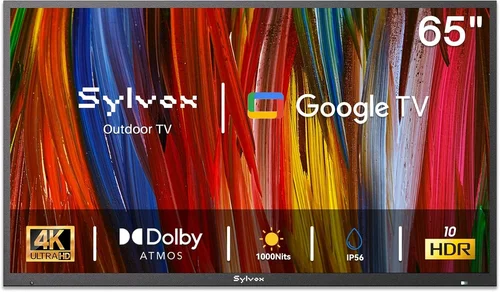
Outdoor living spaces have evolved dramatically over the past decade. What was once a simple porch with a few chairs has transformed into a fully functional extension of the home—complete with lighting, sound systems, and yes, even televisions. Among these upgrades, installing an outdoor TV on a screened porch has become one of the most popular ways to enjoy entertainment while staying protected from the elements. Whether you’re watching the big game with friends, streaming a movie under the stars, or catching up on your favorite show during a quiet evening, having a reliable outdoor television enhances comfort and convenience.
But not all TVs are created equal—especially when it comes to outdoor use. Standard indoor televisions simply aren’t built to withstand humidity, temperature swings, dust, or even indirect sunlight that can creep through screens. That’s why choosing the right outdoor TV for your screened porch requires careful consideration. This guide is designed to help you navigate the often-confusing landscape of outdoor televisions, so you can make a confident, informed decision that fits your space, lifestyle, and budget.
In this comprehensive buying guide, you’ll learn everything you need to know about selecting the best outdoor television for a screened porch. We’ll break down the key factors that matter most—from weather resistance and brightness to smart features and installation requirements. You’ll also discover the different types of outdoor TVs available, common pitfalls to avoid, and expert tips for getting the best value. By the end, you’ll have a clear roadmap to find a TV that delivers stunning picture quality, reliable performance, and long-term durability—all while enhancing your outdoor living experience.

What to Look for When Buying Buying Guide
1. Weather Resistance & IP Rating
One of the most critical factors when choosing an outdoor TV for a screened porch is its ability to resist environmental elements. Even though your porch is covered and screened, it’s still exposed to humidity, temperature fluctuations, dust, insects, and occasional moisture from rain or morning dew. Unlike indoor TVs, outdoor models are specifically engineered to handle these conditions.
Look for televisions with a high Ingress Protection (IP) rating. The IP rating system indicates how well a device is protected against solids (like dust) and liquids (like water). For outdoor use, an IP55 or higher rating is ideal. IP55 means the TV is protected against dust (limited ingress) and water jets from any direction—perfect for a screened porch where direct rain exposure is unlikely but humidity and splashes are still possible.
Some premium outdoor TVs even feature sealed internal components, anti-corrosion coatings, and weatherproof casings made from marine-grade aluminum or powder-coated steel. These materials resist rust and degradation over time, ensuring your investment lasts for years. Additionally, check if the TV is rated for specific temperature ranges. Most quality outdoor models operate safely between -30°F and 120°F (-34°C to 49°C), making them suitable for nearly all climates.
2. Screen Brightness & Anti-Glare Technology
Brightness is arguably the second most important factor after weather resistance. On a screened porch, ambient light—whether from the sun, sky, or nearby windows—can wash out the image on a standard TV screen. Even on cloudy days, indirect sunlight can reduce visibility and make colors appear dull.
For outdoor viewing, you need a TV with high brightness, measured in nits. While most indoor TVs range from 300 to 500 nits, outdoor models typically start at 700 nits and go as high as 2,500 nits. For a screened porch, a minimum of 1,000 nits is recommended to ensure a clear, vibrant picture during daytime hours.
Equally important is anti-glare or anti-reflective coating. This feature minimizes reflections from windows, screens, or nearby surfaces, allowing you to see the screen clearly without adjusting your seating or angle. Some outdoor TVs also use direct-lit LED or full-array local dimming (FALD) technology to enhance contrast and black levels, which is especially helpful in partially lit environments.
Look for models with high dynamic range (HDR) support, such as HDR10 or Dolby Vision, to take full advantage of the increased brightness. These technologies deliver richer colors, deeper blacks, and more detail in both bright and dark scenes—perfect for watching sports, movies, or nature documentaries outdoors.
3. Build Quality & Durability
Outdoor TVs are built to last, but not all are created equal. The build quality directly impacts how well the television withstands daily wear and tear, seasonal changes, and long-term exposure to the elements. A well-constructed outdoor TV should feel solid, with no loose panels, flimsy mounts, or weak joints.
Start by examining the materials used in the chassis and bezel. High-end models often use aluminum or stainless steel, which resist corrosion and provide excellent structural integrity. Avoid plastic-heavy designs, as they can warp, crack, or fade over time—especially when exposed to UV rays.
Internal components are equally important. Quality outdoor TVs use industrial-grade circuit boards, sealed connectors, and moisture-resistant insulation to protect sensitive electronics. Some manufacturers even include internal cooling systems or fans to prevent overheating during hot summer days, while others use passive cooling to reduce noise and maintenance.
Another aspect of durability is the mounting system. Most outdoor TVs come with VESA-compatible mounting patterns, but ensure the included or recommended wall mount is also weatherproof and rated for outdoor use. A sturdy, corrosion-resistant mount will keep your TV secure and level, even in windy conditions.
4. Performance Specifications
While outdoor-specific features are crucial, you still want a TV that delivers excellent picture and sound quality. After all, what’s the point of a weatherproof screen if the image is mediocre?
Start with resolution. 4K Ultra HD (3840 x 2160) is the standard for modern outdoor TVs and provides four times the detail of Full HD. It’s ideal for screens 55 inches and larger, which are common in outdoor setups. Some premium models even offer 8K resolution, though content is still limited and the benefits may not be noticeable at typical viewing distances.
Refresh rate is another key spec. A 60Hz refresh rate is standard, but for fast-moving content like sports or action movies, look for 120Hz or higher. This reduces motion blur and provides smoother playback, especially important when watching live events outdoors where lighting conditions can vary.
Input lag matters if you plan to use the TV for gaming. For casual streaming, 50ms or lower is acceptable, but serious gamers should aim for under 20ms. Many outdoor TVs now include a “Game Mode” that minimizes input lag by disabling unnecessary processing.
Audio performance is often overlooked but essential. Most outdoor TVs have built-in speakers, but they’re usually modest in power and clarity. Consider pairing your TV with a weatherproof soundbar or outdoor speaker system for richer, louder sound that fills your porch space. Alternatively, look for models with higher wattage (20W or more) and support for audio formats like Dolby Audio or DTS:X.
5. Smart Features & Connectivity
Modern outdoor TVs are more than just displays—they’re smart entertainment hubs. Look for models with built-in Wi-Fi, Bluetooth, and popular streaming platforms like Roku, Android TV, or webOS. This allows you to access Netflix, YouTube, Disney+, and other services directly without needing an external streaming device.
Voice control is another valuable feature. Integration with Google Assistant or Amazon Alexa lets you change channels, adjust volume, or search for content using simple voice commands—perfect when your hands are full with snacks or drinks.
Connectivity options are equally important. Ensure the TV has multiple HDMI ports (at least three), USB inputs, an Ethernet port for wired internet, and possibly an optical audio output. Some models also include legacy ports like component or composite video, which can be useful for older devices.
For added convenience, check if the TV supports screen mirroring or casting via Chromecast, AirPlay, or Miracast. This allows you to stream content from your smartphone, tablet, or laptop directly to the big screen—ideal for sharing vacation photos or playing mobile games with friends.
6. Size & Viewing Distance
Choosing the right screen size is a balance between visibility, space constraints, and budget. For a typical screened porch, screen sizes range from 43 inches to 75 inches, depending on the layout and seating arrangement.
A general rule of thumb is to sit at a distance of 1.5 to 2.5 times the screen’s diagonal measurement. For example, a 55-inch TV is best viewed from 6.5 to 11 feet away. If your porch is small or seating is close, a 43- or 50-inch model may be more appropriate. For larger porches with multiple seating areas, a 65- or 75-inch screen ensures everyone gets a good view.
Consider the TV’s depth and weight as well. Outdoor models are often thicker than indoor ones due to weatherproofing, so ensure there’s enough wall space and structural support. Also, factor in the viewing angle—some TVs have narrow viewing angles, meaning the picture degrades if you’re not sitting directly in front. Look for models with wide viewing angles (178 degrees or more) for flexible seating.
7. Brand Reputation & Reliability
Not all outdoor TV brands are created equal. Some specialize exclusively in outdoor electronics, while others adapt indoor models for outdoor use. Choosing a reputable brand ensures better build quality, customer support, and long-term reliability.
Brands like SunBriteTV, Seura, and Peerless are industry leaders in outdoor televisions, known for their rugged designs and excellent performance. They often offer extended warranties, detailed installation guides, and responsive customer service.
That said, some mainstream brands like Samsung, LG, and Sony have introduced outdoor-compatible models or partnerships with outdoor specialists. For example, Samsung’s “The Terrace” series is designed specifically for outdoor use and includes many of the features mentioned above.
When evaluating brands, read customer reviews, check third-party ratings, and look for certifications like UL Listed or ETL Listed, which indicate compliance with safety and performance standards.
8. Warranty & Support
Outdoor TVs are a significant investment, so protecting that investment with a solid warranty is essential. Most reputable brands offer at least a one-year limited warranty, but many provide two to three years of coverage, especially on outdoor-specific models.
Pay attention to what the warranty covers. Does it include labor and parts? Is shipping included if the TV needs repair? Are there exclusions for weather damage or improper installation? Some manufacturers also offer optional extended warranties or service plans.
Customer support is just as important. Look for brands with accessible support channels—phone, email, live chat—and clear documentation. A good support team can help troubleshoot issues, guide you through installation, or assist with warranty claims.
Additionally, check if the brand offers replacement parts or repair services. Outdoor TVs may require maintenance over time, such as cleaning vents, replacing seals, or updating firmware. A brand that supports long-term ownership will make this process easier.
Different Types of Buying Guide

Common Buying Mistakes to Avoid
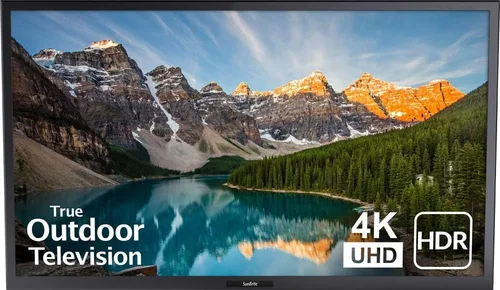
❌ Mistake: Buying an Indoor TV for Outdoor Use
Why it’s bad: Indoor TVs lack weatherproofing, have lower brightness, and are not designed to handle temperature extremes. Using one outdoors—even on a screened porch—can lead to overheating, moisture damage, screen glare, and premature failure. In worst cases, it could pose a fire or electrical hazard.
What to do instead: Always choose a TV specifically rated for outdoor or semi-outdoor use. Look for models with IP ratings, high nits, and weather-resistant construction. If budget is tight, consider an indoor TV in a certified outdoor enclosure, but never use a standard TV directly exposed to the elements.
❌ Mistake: Ignoring Brightness Requirements
Why it’s bad: A dim screen will look washed out in daylight, making it difficult to see details, colors, or text. This is especially problematic during afternoon viewing when ambient light is strongest.
What to do instead: Aim for a minimum of 1,000 nits for a screened porch. If your porch gets direct sunlight for part of the day, consider 1,500 nits or higher. Check reviews and specifications carefully—don’t rely solely on marketing claims.
❌ Mistake: Overlooking Installation Requirements
Why it’s bad: Outdoor TVs are heavier and require specialized mounting. Improper installation can lead to the TV falling, damaging the wall, or creating safety hazards. Additionally, running cables outdoors requires weatherproof conduits and proper grounding.
What to do instead: Hire a professional installer experienced with outdoor AV setups. Ensure the wall can support the TV’s weight and that all cables are routed safely and securely. Use outdoor-rated extension cords and surge protectors.
❌ Mistake: Skipping the Warranty Check
Why it’s bad: Outdoor TVs are expensive, and repairs can be costly. A limited or unclear warranty may leave you paying out of pocket for issues that should be covered.
What to do instead: Read the warranty terms thoroughly. Choose brands that offer at least a two-year warranty and cover both parts and labor. Consider extended protection plans if available.
❌ Mistake: Choosing the Wrong Size
Why it’s bad: A TV that’s too small will be hard to see from a distance, while one that’s too large can overwhelm the space and strain your eyes.
What to do instead: Measure your viewing distance and use the 1.5x to 2.5x rule to determine the ideal screen size. Sketch a layout of your porch to visualize how the TV will fit with furniture and decor.
❌ Mistake: Neglecting Audio Quality
Why it’s bad: Built-in speakers on outdoor TVs are often underpowered and lack depth. In an open space like a porch, sound can dissipate quickly, making dialogue hard to hear.
What to do instead: Invest in a weatherproof soundbar or outdoor speaker system. Look for models with Bluetooth or wired connectivity and sufficient power (50W or more) to fill the space.
❌ Mistake: Not Planning for Power and Connectivity
Why it’s bad: Running power and HDMI cables outdoors can be tricky. Without proper planning, you may end up with exposed wires, tripping hazards, or unreliable connections.
What to do instead: Plan your cable routes in advance. Use in-wall rated cables and weatherproof conduit. Consider wireless streaming options to reduce cable clutter. Ensure your Wi-Fi signal reaches the porch—use a mesh network or outdoor extender if needed.
Budget Guidelines: How Much Should You Spend?
When it comes to outdoor TVs, price varies widely based on features, size, and brand. Here’s a breakdown of what to expect at different budget levels:
Entry-Level ($800 – $1,500): These are typically indoor TVs housed in outdoor enclosures or basic outdoor models with limited weatherproofing. They may have lower brightness (500-700 nits) and fewer smart features. Best for covered, low-exposure areas and casual use.
Mid-Range ($1,500 – $3,000): This is the sweet spot for most screened porch owners. These TVs offer full weather resistance (IP55+), 1,000+ nits brightness, 4K resolution, and smart platforms. Brands like SunBriteTV and Seura offer excellent options in this range.
Premium ($3,000 – $5,000): For those who want top-tier performance, these models feature ultra-high brightness (1,500-2,500 nits), advanced cooling systems, premium materials, and enhanced audio. Ideal for larger porches or homes in extreme climates.
Luxury ($5,000+): These are commercial-grade or custom-built displays with 8K resolution, 24/7 operation capability, and professional installation services. Best for high-end homes, luxury resorts, or commercial applications.
Expert Tips for Getting the Best Deal
1. Shop During Off-Seasons: Outdoor TVs are in highest demand during spring and summer. Prices often drop in fall and winter, making it the best time to buy. Look for holiday sales around Black Friday or end-of-year clearance events.
2. Compare Retailers: Check prices at specialty outdoor electronics stores, big-box retailers, and online marketplaces. Some brands sell directly, offering exclusive deals or bundles.
3. Look for Bundles: Many manufacturers offer packages that include the TV, mount, cables, and even a soundbar. These can save you 10-20% compared to buying items separately.
4. Read Real User Reviews: Don’t rely solely on manufacturer specs. Look for reviews from actual users who’ve installed the TV on a screened porch. Pay attention to comments about brightness, durability, and customer service.
5. Check Return Policies: Ensure the retailer offers a generous return window (30 days or more) in case the TV doesn’t meet your expectations. Outdoor TVs are difficult to return, so choose a seller with a hassle-free process.
6. Consider Refurbished Models: Some brands sell certified refurbished outdoor TVs at significant discounts. These come with warranties and have been tested for performance.
7. Test Before You Buy (If Possible): Visit a local dealer or showroom to see the TV in person. Check the brightness, color accuracy, and build quality. If that’s not possible, watch video reviews that demonstrate real-world performance.
8. Plan for Future Upgrades: Choose a TV with modern connectivity and smart features that will remain relevant for years. Avoid models with outdated ports or limited software support.

Frequently Asked Questions
Q: Can I use a regular TV on my screened porch?
A: Technically, yes—but it’s not recommended. Indoor TVs lack weatherproofing and high brightness, making them prone to damage and poor visibility. For long-term reliability and performance, invest in a TV designed for outdoor use.
Q: Do outdoor TVs need to be covered or shaded?
A: While outdoor TVs are built to handle exposure, providing shade or using them under a covered area like a screened porch extends their lifespan. Direct, prolonged sunlight can still cause overheating over time.
Q: How do I clean my outdoor TV?
A: Use a soft, dry microfiber cloth to wipe the screen and casing. For tougher grime, lightly dampen the cloth with water—never spray liquid directly on the TV. Avoid harsh chemicals or abrasive materials.
Q: Can I leave my outdoor TV on all the time?
A: Most outdoor TVs are designed for continuous use, but it’s best to turn them off when not in use to conserve energy and reduce wear. Use a smart plug or timer for convenience.
Q: Do outdoor TVs come with remotes?
A: Yes, all outdoor TVs include a remote control. Some also support smartphone apps or voice assistants for added convenience.
Q: Can I mount an outdoor TV on a brick or stone wall?
A: Absolutely. Use a masonry drill and appropriate anchors. Ensure the mount is rated for the TV’s weight and that the wall can support the load.
Q: Are outdoor TVs energy efficient?
A: Many modern outdoor TVs are ENERGY STAR certified and use LED backlighting, which consumes less power than older technologies. Check the energy rating before purchasing.
Q: What’s the difference between a weatherproof TV and a waterproof TV?
A: “Weatherproof” means the TV can resist rain, dust, and temperature changes—ideal for screened porches. “Waterproof” implies submersion resistance, which is overkill for most residential uses and typically found in commercial or marine applications.
Q: Can I use my outdoor TV in the winter?
A: Yes, as long as the TV is rated for low temperatures (most are). Avoid turning it on immediately after it’s been in extreme cold—let it acclimate to room temperature first.
Q: Do I need a special antenna for outdoor TV?
A: Not necessarily. If you’re using streaming services, no antenna is needed. For over-the-air broadcasts, a standard outdoor antenna will work, but ensure it’s compatible with your TV’s tuner.
Our Final Recommendations
Best for Budget-Conscious Buyers: SunBriteTV Veranda Series 55-inch – Offers excellent weather resistance, 1,000 nits brightness, and 4K HDR at a competitive price. Ideal for screened porches with moderate exposure.
Best Overall Value: Seura Outdoor 65-inch 4K Smart TV – Combines premium build quality, 1,500 nits brightness, Android TV, and a sleek design. A top choice for most homeowners.
Best Premium Option: Peerless-AV Xtreme 75-inch – Built for extreme conditions with 2,000 nits, commercial-grade durability, and advanced cooling. Perfect for large porches or high-end installations.
Best for Beginners: Samsung The Terrace 55-inch – User-friendly interface, excellent picture quality, and strong brand support. Great for first-time outdoor TV buyers.
Best for Advanced Users: SunBriteTV Pro Series 65-inch – Features 2,500 nits, full-array local dimming, and customizable settings. Ideal for tech-savvy users who want maximum control and performance.
Conclusion: Making the Right Choice
Choosing the best outdoor television for your screened porch is about more than just picture quality—it’s about creating a durable, enjoyable, and long-lasting entertainment space. By focusing on weather resistance, brightness, build quality, and smart features, you can find a TV that not only survives the elements but enhances your outdoor lifestyle.
Remember to prioritize your specific needs: your budget, porch size, viewing habits, and climate all play a role in the decision. Avoid common pitfalls like using indoor TVs or ignoring installation requirements. And don’t forget to factor in audio, connectivity, and long-term support.
With the right TV, your screened porch can become the ultimate outdoor living room—perfect for movie nights, game days, or simply relaxing with a view. Take your time, do your research, and invest in a model that delivers both performance and peace of mind. Your future self—and your guests—will thank you.

