
When you live in a rainy climate—whether it’s the Pacific Northwest, the UK, Ireland, or parts of Southeast Asia—enjoying your outdoor living space can feel like a gamble. One minute you’re sipping coffee on the patio, and the next, a downpour sends you scrambling indoors. But what if you could keep the entertainment going, rain or shine? That’s where outdoor televisions designed for wet environments come in. These aren’t just regular TVs shoved into a waterproof box; they’re engineered from the ground up to withstand moisture, humidity, temperature swings, and even direct rainfall.
Choosing the right outdoor TV for a rainy climate isn’t as simple as picking the biggest screen or the lowest price. You need a display that’s built to perform reliably in conditions that would destroy a standard indoor television within days. This guide is here to help you navigate the complexities of outdoor TV selection with confidence. Whether you’re setting up a covered patio, an open-air deck, or a backyard entertainment zone, we’ll walk you through everything you need to know—from weatherproof ratings and brightness levels to mounting options and smart features—so you can make a smart, long-term investment.
The market for outdoor TVs has grown significantly in recent years, driven by increased demand for outdoor living and home entertainment solutions. Brands like Samsung, LG, SunBriteTV, Seura, and Peerless have stepped up with specialized models tailored for various climates and use cases. However, not all “outdoor” TVs are created equal—especially when it comes to handling constant moisture. Some are only suitable for covered areas, while others can brave the elements 24/7. By the end of this guide, you’ll understand exactly what separates a truly weather-resistant TV from a glorified indoor model in a plastic shell. You’ll also learn how to balance performance, durability, and budget to find the perfect fit for your rainy-region lifestyle.

What to Look for When Buying Buying Guide
1. Weather Resistance & IP Rating
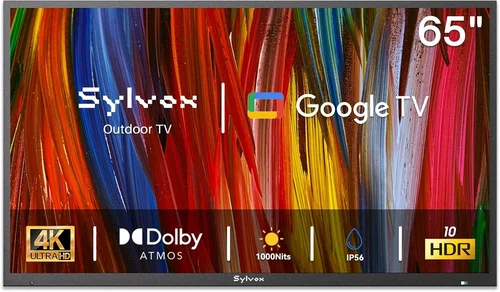
The single most critical factor when choosing an outdoor TV for a rainy climate is its ability to resist water and moisture. Look for models with a high Ingress Protection (IP) rating—specifically, an IP55 or higher. The first digit (5 in IP55) indicates protection against dust, while the second digit (5) means the TV can withstand low-pressure water jets from any direction. For full exposure to rain, aim for IP65 or IP66, which offer even greater protection against powerful water streams and temporary immersion.
But don’t stop at the IP rating. Check whether the TV is specifically rated for “direct rain exposure” by the manufacturer. Some brands advertise “weather-resistant” enclosures that still require a roof or awning. True all-weather TVs are sealed at the seams, use corrosion-resistant materials, and have internal ventilation systems that prevent condensation buildup. For example, SunBriteTV’s Veranda and Pro series are built with sealed back panels and anti-glare screens that hold up under constant rainfall.
2. Brightness & Anti-Glare Display
Rainy climates often come with overcast skies, but that doesn’t mean you’ll always have dim lighting. On partly cloudy days or during golden hour, glare from wet surfaces can wash out your screen. That’s why brightness matters—a lot. Indoor TVs typically range from 300 to 500 nits, but outdoor models should deliver at least 700 nits, with premium options hitting 2,500 nits or more.
Look for TVs with high-brightness LED or OLED panels and anti-reflective coatings. These features reduce glare and maintain color accuracy even in bright, wet conditions. For instance, Seura’s Shadow Series uses a proprietary anti-glare layer that minimizes reflections from raindrops and ambient light. If you plan to watch during midday showers or sunny breaks between storms, a high-nit display is non-negotiable.
3. Temperature Tolerance & Operating Range
Rain often brings fluctuating temperatures—cold mornings, warm afternoons, and sudden drops at night. Your outdoor TV must operate reliably across a wide thermal range. Most quality outdoor models are rated for temperatures between -22°F (-30°C) and 122°F (50°C). This ensures the screen won’t freeze in winter or overheat in summer, even when covered in rain or morning dew.
Internal components like the power supply, cooling fans, and display drivers are specially designed to handle these extremes. Some TVs include built-in heaters or thermal management systems to prevent fogging and maintain performance. For example, Peerless-AV’s Xtreme series features a sealed thermal chamber that stabilizes internal temperatures, making it ideal for humid, rainy regions with seasonal shifts.
4. Build Quality & Materials
Durability goes beyond water resistance. The chassis, bezel, and internal frame should be made from corrosion-resistant materials like powder-coated aluminum or marine-grade stainless steel. Avoid plastic enclosures unless they’re reinforced and UV-stabilized—otherwise, they’ll crack, fade, or warp over time.
Pay attention to hinge points, ventilation grilles, and input ports. These are common failure points if not properly sealed. High-end models often use rubber gaskets, silicone seals, and recessed connectors to keep moisture out. SunBriteTV, for instance, uses a fully sealed design with no external vents, ensuring rain can’t penetrate even during heavy storms. Also, check if the TV includes a protective cover or is compatible with one—this adds an extra layer of defense during extreme weather.
5. Smart Features & Connectivity
Just because it’s outdoors doesn’t mean you should sacrifice smart functionality. Modern outdoor TVs come with built-in Wi-Fi, Bluetooth, and streaming platforms like Android TV, webOS, or Roku. This lets you access Netflix, YouTube, or live sports without needing a separate streaming box.
However, connectivity in wet environments requires careful planning. Ensure all HDMI, USB, and antenna ports are either sealed or accessible via a weatherproof compartment. Some models, like LG’s Outdoor TV series, include a rear access panel with rubberized seals for cable management. Also, consider wireless options—Bluetooth audio or wireless HDMI transmitters can reduce the need for exposed cables that could corrode or short out.
6. Mounting & Installation Flexibility
How and where you mount your TV impacts both performance and longevity. In rainy climates, avoid wall mounts that trap moisture behind the screen. Instead, opt for tiltable or full-motion mounts that allow airflow and prevent water pooling. Many outdoor TVs are VESA-compatible, so you can use standard mounts, but verify weight and size compatibility.
For covered patios, a fixed mount may suffice. But if your TV is exposed to wind-driven rain, a swivel or articulating arm lets you angle the screen away from the elements. Some brands offer integrated mounting systems—like Seura’s Flush Mount, which sits nearly flush with the wall and includes a built-in rain shield. Professional installation is recommended, especially for ceiling or post mounts, to ensure stability and proper sealing.
7. Warranty & Support
Outdoor TVs are a significant investment, so robust warranty coverage is essential. Look for at least a 2-year manufacturer warranty, with some premium brands offering 3 to 5 years. More importantly, check if the warranty covers outdoor use—some indoor TVs void coverage if installed outside.
Customer support matters too. Can you get help if your TV fogs up after a storm? Are replacement parts available? Brands like SunBriteTV and Peerless-AV provide dedicated outdoor support lines and regional service centers. Avoid no-name brands with limited service networks—you don’t want to be stuck with a broken TV during monsoon season.
8. Size & Viewing Distance
Screen size should match your outdoor space and seating arrangement. For patios under 12 feet wide, a 55-inch TV is usually ideal. For larger decks or backyard theaters, consider 65-inch or 75-inch models. But remember: bigger isn’t always better in wet conditions. Larger screens may require more robust mounting and better ventilation to prevent overheating.
Also, factor in viewing angle. Rain can create reflective surfaces, so choose a TV with wide viewing angles (178 degrees or more) to maintain image quality from the side. OLED panels typically offer superior off-axis performance compared to standard LED/LCDs.
Different Types of Buying Guide
Common Buying Mistakes to Avoid
❌ Mistake: Buying an Indoor TV with a “Weatherproof” Cover
Why it’s bad: Most indoor TVs aren’t designed to handle moisture, even with a cover. Condensation can build up inside the cover, leading to mold, corrosion, and electrical failure. Additionally, covers often trap heat, causing the TV to overheat.
What to do instead: Invest in a TV specifically engineered for outdoor use. These models have sealed components, proper ventilation, and moisture-resistant circuitry. A cover can supplement protection but should never be the primary defense.
❌ Mistake: Ignoring the IP Rating
Why it’s bad: An IP44 rating might seem sufficient, but it only protects against splashing water—not direct rain or wind-driven showers. In a rainy climate, this leaves your TV vulnerable to failure within months.
What to do instead: Always verify the IP rating and confirm it’s rated for “direct rain exposure.” IP65 or higher is the minimum for reliable performance in wet conditions.
❌ Mistake: Overlooking Brightness Requirements
Why it’s bad: A dim screen will look washed out on overcast days or when reflected off wet surfaces. You’ll end up squinting or moving indoors, defeating the purpose of an outdoor TV.
What to do instead: Choose a model with at least 700 nits of brightness. For sunny breaks between rains, 1,500+ nits is ideal. Check real-world reviews for brightness performance in outdoor settings.
❌ Mistake: Skimping on Mounting Hardware
Why it’s bad: Standard indoor mounts aren’t built for outdoor stress. Wind, rain, and temperature changes can loosen bolts or cause rust, leading to dangerous falls.
What to do instead: Use marine-grade stainless steel mounts rated for outdoor use. Ensure the mount allows airflow and doesn’t trap moisture. Consider professional installation for peace of mind.
❌ Mistake: Neglecting Cable Management
Why it’s bad: Exposed cables are prone to water ingress, corrosion, and animal damage. Water can travel along cables into the TV or connected devices, causing shorts.
What to do instead: Use weatherproof conduit, sealed cable glands, or wireless alternatives. Route cables through walls or under decking when possible. Label and secure all connections.
❌ Mistake: Assuming All “Outdoor” TVs Are Equal
Why it’s bad: Some brands label TVs as “outdoor” but only mean “suitable for covered patios.” These won’t survive a downpour or constant humidity.
What to do instead: Research the model’s intended use case. Read the manual and look for terms like “all-weather,” “direct rain exposure,” or “IP65 certified.”
❌ Mistake: Forgetting About Audio
Why it’s bad: Rain noise can drown out built-in speakers. Many outdoor TVs have weak audio, forcing you to rely on external sound systems.
What to do instead: Pair your TV with weather-resistant outdoor speakers or a soundbar. Look for models with audio outputs or Bluetooth support for wireless audio.
Budget Guidelines: How Much Should You Spend?
Entry-Level ($1,200 – $2,500): These are typically covered patio models with basic weather sealing (IP55), 700–1,000 nits brightness, and standard smart features. Ideal for semi-protected areas like screened porches or awnings. Examples include the SunBriteTV Veranda series or LG’s Outdoor TV (covered use only). Expect 2–3 year lifespan with proper care.
Mid-Range ($2,500 – $4,500): This is the sweet spot for most rainy-climate buyers. These TVs offer IP65 or IP66 ratings, 1,500+ nits brightness, thermal management, and robust build quality. Models like the SunBriteTV Pro 2 or Seura Shadow Series deliver excellent performance in direct rain and high humidity. They include advanced smart platforms and come with 3-year warranties.
Premium ($4,500 – $7,500): Designed for enthusiasts and professionals, these TVs feature military-grade durability, 2,000+ nits brightness, integrated heaters, and commercial-grade components. Peerless-AV’s Xtreme series and Samsung’s The Terrace (outdoor edition) fall here. They’re built for 24/7 operation and extreme weather, with 5-year support plans.
Luxury ($7,500+): For those who want the best in performance and design, luxury outdoor TVs offer custom finishes, ultra-thin profiles, built-in sound systems, and smart home integration. Seura’s Luxury Line and custom-built displays from companies like SkyVue fall into this tier. These are often used in high-end resorts or luxury homes and come with white-glove installation and lifetime support.
Expert Tips for Getting the Best Deal
- Buy During Off-Season: Outdoor TVs see peak demand in spring and summer. Shop in late fall or winter (October–February) for discounts of 15–30%. Retailers often clear inventory before new models arrive.
- Check Manufacturer Rebates: Brands like SunBriteTV and Seura occasionally offer rebates or bundle deals (e.g., free mount with purchase). Sign up for newsletters to stay informed.
- Compare Online vs. In-Store: Online retailers (Amazon, Crutchfield, Abt) often have better prices and return policies. However, local AV specialists may offer free installation or extended warranties.
- Read Real User Reviews: Look for reviews from buyers in similar climates. Pay attention to comments about rain performance, fogging, and long-term reliability.
- Negotiate Installation Packages: Many dealers offer discounted rates when you bundle TV, mount, and installation. Ask about package deals—you could save $200 or more.
- Verify Return Policies: Ensure the seller allows returns if the TV doesn’t perform as expected outdoors. Some retailers only accept returns for defective units, not dissatisfaction.
- Consider Refurbished Models: Certified refurbished outdoor TVs from reputable sellers can save you 20–40%. These are typically tested, cleaned, and come with full warranties.
- Invest in Surge Protection: Rain often brings thunderstorms. Use a high-quality outdoor surge protector to safeguard your TV and connected devices.

Frequently Asked Questions
Q: Can I use a regular TV outdoors if it’s under a roof?
A: Technically, yes—but it’s not recommended. Even under cover, humidity, temperature swings, and occasional splashes can damage internal components. A true outdoor TV is built to handle these conditions safely and reliably.
Q: How do I prevent my outdoor TV from fogging up?
A: Choose a model with thermal management or a built-in heater. Proper ventilation and avoiding enclosed spaces also help. Never cover the TV with a non-breathable material.
Q: Do outdoor TVs need special power outlets?
A: They use standard 120V outlets, but you should install a GFCI (Ground Fault Circuit Interrupter) outlet for safety, especially in wet areas. This protects against electrical shocks.
Q: Can I leave my outdoor TV on during a storm?
A: It’s safer to turn it off during lightning storms. While the TV is weatherproof, power surges from lightning can damage electronics. Use a surge protector and unplug if possible.
Q: How long do outdoor TVs last?
A: With proper care, a quality outdoor TV can last 7–10 years. Cheaper models may fail in 3–5 years, especially in harsh climates.
Q: Are outdoor TVs energy efficient?
A: Yes, most modern outdoor TVs use LED backlighting and energy-saving modes. Look for ENERGY STAR certification to reduce power consumption.
Q: Can I use my outdoor TV in the winter?
A: Absolutely—if it’s rated for low temperatures. Most all-weather models operate down to -22°F (-30°C) and include features to prevent freezing.
Q: Do I need a special antenna for outdoor TV?
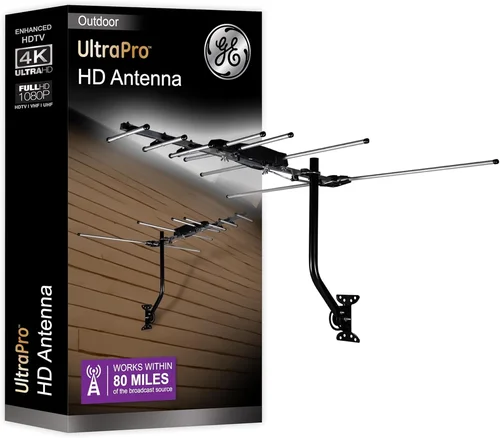
A: For over-the-air broadcasts, use an outdoor-rated antenna mounted high and away from metal structures. Indoor antennas won’t work well in wet conditions.
Q: Can I connect a gaming console to an outdoor TV?
A: Yes, as long as the console is stored indoors and connected via a weatherproof HDMI extender or wireless transmitter. Never leave consoles exposed to rain.
Q: What’s the difference between IP65 and IP66?
A: IP65 protects against low-pressure water jets, while IP66 handles powerful water jets and heavy seas. For most rainy climates, IP65 is sufficient, but IP66 offers extra peace of mind.
Our Final Recommendations
Best for Budget-Conscious Buyers: SunBriteTV Veranda 55-inch – At around $1,800, this model offers solid IP55 protection, 700 nits brightness, and reliable performance for covered patios. It’s a great entry point without sacrificing core outdoor features.
Best Overall Value: Seura Shadow Series 65-inch – Priced at $3,200, this TV delivers IP65 rating, 1,500 nits brightness, anti-glare coating, and a sleek design. It’s perfect for direct rain exposure and offers excellent color accuracy.
Best Premium Option: Peerless-AV Xtreme 75-inch – At $5,500, this commercial-grade display features IP66 rating, 2,000 nits brightness, thermal management, and 24/7 operation capability. Ideal for serious outdoor entertainment.
Best for Beginners: LG Outdoor TV (Covered Use) 55-inch – Around $1,500, this model is easy to set up, includes webOS smart features, and works well under a solid roof. Great for those new to outdoor TVs.
Best for Advanced Users: Samsung The Terrace 75-inch (Outdoor Edition) – At $6,000, this TV combines QLED technology, 2,500 nits brightness, IP65 rating, and seamless smart home integration. It’s built for tech-savvy users who want top-tier performance.
Conclusion: Making the Right Choice
Choosing the best outdoor television for a rainy climate is about more than just finding a waterproof screen—it’s about investing in a system that delivers reliable performance, durability, and enjoyment year-round. From understanding IP ratings and brightness levels to selecting the right mount and avoiding common pitfalls, every decision impacts your long-term satisfaction. Remember, the cheapest option often costs more in repairs and replacements, while a well-chosen outdoor TV can enhance your outdoor living for nearly a decade.
Prioritize your specific needs: Are you watching under a covered porch, or braving the open sky? Do you need smart features, or is simplicity more important? Use this guide as your roadmap, and don’t hesitate to consult with outdoor AV specialists who understand local weather challenges. With the right TV, you can turn every rainy day into an opportunity to relax, entertain, and connect—rain or shine.

