
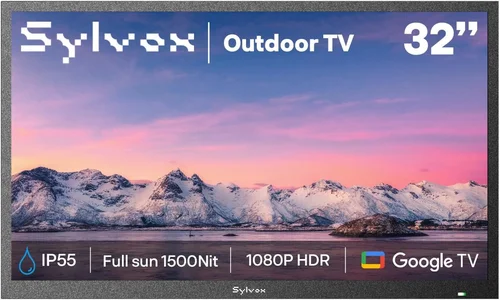
Outdoor living spaces have evolved far beyond simple patios and grills. Today’s homeowners are transforming their backyards into full-scale entertainment zones—complete with outdoor kitchens, fire pits, sound systems, and yes, televisions. And when it comes to creating a truly immersive poolside experience, nothing beats having a high-quality outdoor TV installed right by the water. Whether you’re hosting summer barbecues, watching the big game while floating on an inflatable lounger, or enjoying a quiet evening under the stars, an outdoor TV can elevate your pool area from functional to fantastic.
But here’s the catch: not all TVs are built for the great outdoors. Standard indoor televisions simply aren’t designed to withstand the humidity, temperature swings, UV exposure, and occasional splash that come with poolside environments. That’s why choosing the right outdoor television is critical—not just for performance, but for safety, longevity, and peace of mind. This guide exists to help you navigate the often-confusing world of outdoor TVs, cut through marketing hype, and make a smart, informed decision tailored to your specific needs and budget.
In this comprehensive buying guide, you’ll learn everything you need to know about selecting the best outdoor television for your pool area. We’ll break down the key factors to consider—from weather resistance and brightness to smart features and installation requirements. You’ll discover the different types of outdoor TVs available, understand common pitfalls to avoid, and get expert-backed tips on how to stretch your budget without sacrificing quality. By the end, you’ll be equipped with the knowledge to choose a TV that delivers stunning picture quality, stands up to the elements, and enhances your outdoor lifestyle for years to come.
The market for outdoor televisions has grown significantly in recent years, driven by advances in display technology and increasing demand for outdoor entertainment. Major brands like Samsung, LG, and Sony now offer specialized outdoor models, while niche manufacturers such as SunBriteTV, Seura, and Peerless have built entire businesses around weatherproof displays. These TVs aren’t just ruggedized versions of indoor sets—they’re engineered from the ground up for outdoor use, with features like anti-glare screens, sealed cooling systems, and corrosion-resistant materials. However, this specialization comes at a premium, and prices can range from under $1,000 to well over $5,000 depending on size, features, and build quality. With so many options and technical considerations, it’s easy to feel overwhelmed. That’s where this guide steps in—to simplify the process and help you find the perfect outdoor TV for your poolside paradise.

What to Look for When Buying Buying Guide
1. Weather Resistance & IP Rating
When it comes to outdoor TVs, weather resistance isn’t just a nice-to-have—it’s non-negotiable. Your TV will be exposed to rain, humidity, dust, salt air (if you’re near the coast), and even pool chemicals like chlorine. That’s why the Ingress Protection (IP) rating is one of the most critical specs to check. The IP rating consists of two numbers: the first indicates protection against solid particles (like dust), and the second against liquids (like water). For pool areas, look for a minimum rating of IP55 or higher—IP55 means the TV is dust-protected and can handle low-pressure water jets from any direction. Many premium outdoor TVs boast IP65 or IP66 ratings, offering even greater protection against dust and powerful water sprays.
But don’t stop at the IP rating. Also consider the TV’s overall build. High-quality outdoor TVs use powder-coated aluminum or stainless steel chassis that resist rust and corrosion. Internal components are often potted or sealed to prevent moisture ingress, and ventilation systems are designed to keep the TV cool without letting in water. Some models even include hydrophobic coatings on the screen to repel water droplets and reduce glare. If you live in a region with extreme weather—like heavy rain, snow, or intense sun—opt for a TV with a wider operating temperature range (typically -30°F to 140°F or better) and enhanced UV protection to prevent screen degradation over time.
2. Screen Brightness & Anti-Glare Technology
One of the biggest challenges with outdoor TVs is visibility in bright sunlight. Standard indoor TVs typically peak at around 300–500 nits of brightness, which is fine for a dimly lit living room but utterly inadequate for a sun-drenched pool deck. Outdoor TVs, on the other hand, are engineered for high ambient light conditions. Look for models with a minimum brightness of 700 nits, though 1,000 nits or more is ideal for direct sunlight. Some top-tier models even reach 2,500 nits—comparable to professional digital signage.
Brightness alone isn’t enough, though. Glare from the sun reflecting off the water or surrounding surfaces can wash out the image. That’s why anti-glare technology is essential. Most outdoor TVs use optically bonded glass, which reduces internal reflections and improves contrast in bright conditions. Others incorporate matte-finish screens or specialized polarizing filters. Additionally, consider the TV’s viewing angle. A wide viewing angle (178 degrees or more) ensures that everyone around the pool—not just those sitting directly in front—can enjoy a clear picture. For best results, position the TV under a covered area like a pergola or awning to minimize direct sun exposure, but even then, high brightness and anti-glare features are crucial.
3. Build Quality & Durability
An outdoor TV isn’t just a piece of electronics—it’s a long-term investment in your outdoor space. As such, build quality should be a top priority. Unlike indoor TVs, which are often housed in lightweight plastic enclosures, outdoor models use robust materials designed to endure harsh conditions. Look for TVs with fully sealed cabinets, no exposed vents, and reinforced mounting systems. The frame should be made from corrosion-resistant metals like aluminum or stainless steel, and all ports should be covered with rubber gaskets or flip-up doors to keep moisture out.
Durability also extends to internal components. Outdoor TVs often include enhanced cooling systems that use passive convection or sealed heat exchangers instead of traditional fans, which can suck in dust and water. This not only improves reliability but also reduces noise—important if you’re trying to enjoy a movie while lounging by the pool. Additionally, check whether the TV is designed for permanent outdoor installation or if it’s meant to be brought inside during off-seasons. Some models are built for year-round use, while others are seasonal and may require extra care in winter months. Always verify the manufacturer’s guidelines for installation and maintenance to ensure your TV lasts for many summers to come.
4. Smart Features & Connectivity
Just because your TV is outdoors doesn’t mean it should lack modern conveniences. Most outdoor TVs today come with built-in smart platforms like Android TV, webOS, or Roku, giving you access to streaming services like Netflix, Hulu, Disney+, and YouTube without needing an external device. This is especially useful if you want to watch your favorite shows or movies while relaxing by the pool. However, not all smart features are created equal. Some outdoor TVs use simplified or stripped-down versions of smart OSes to save power and reduce heat, so check the app selection and user interface before buying.
Connectivity is another key consideration. Ensure the TV has enough HDMI ports (at least two, preferably three) for devices like streaming sticks, gaming consoles, or soundbars. Look for USB ports for media playback, and if you plan to use wireless audio, confirm Bluetooth support. Wi-Fi connectivity is standard, but for larger properties or areas with weak signals, consider a TV with Ethernet support for a more stable connection. Some models also include built-in speakers, though for a truly immersive audio experience, you’ll likely want to pair the TV with outdoor-rated speakers or a soundbar. Keep in mind that outdoor acoustics are different—sound can get lost in open spaces, so investing in quality audio is just as important as the picture.
5. Size & Viewing Distance
Choosing the right screen size for your pool area depends on several factors, including viewing distance, seating arrangement, and ambient lighting. As a general rule, the optimal screen size increases with distance. For example, if your primary seating is 8–10 feet from the TV, a 55-inch screen is ideal. At 12–15 feet, consider a 65-inch model, and for distances over 15 feet, go with 75 inches or larger. However, don’t forget that outdoor environments often have more ambient light, which can reduce perceived image quality. A larger screen helps maintain clarity and immersion in bright conditions.
Also consider the physical space where the TV will be mounted. Measure the available wall or ceiling area to ensure the TV fits comfortably without obstructing walkways or views of the pool. If you’re mounting the TV under a pergola or overhang, make sure there’s enough clearance for ventilation and access to ports. Some outdoor TVs come with slim profiles and low-profile mounts designed specifically for tight spaces. Additionally, think about how the TV will integrate with your existing outdoor décor. A sleek, modern design can enhance the aesthetic of your pool area, while a bulky or outdated model might clash with your outdoor furniture and landscaping.
6. Brand Reputation & Reliability
Not all outdoor TV brands are created equal. While mainstream manufacturers like Samsung and LG offer some outdoor-capable models, they often lack the specialized engineering found in brands dedicated exclusively to outdoor displays. Companies like SunBriteTV, Seura, and Peerless have spent years refining their designs for real-world outdoor use, and their products consistently receive high marks for durability and performance. These brands conduct rigorous testing in extreme conditions—freezing temperatures, desert heat, salt spray, and heavy rain—to ensure their TVs can handle whatever nature throws at them.
That said, brand reputation should be balanced with real-world user feedback. Read reviews from customers who have installed the TV in similar environments (e.g., poolside, coastal areas, or regions with high humidity). Look for patterns in complaints—such as screen fogging, Wi-Fi dropouts, or premature failure—and see how the company responds to issues. A reputable brand will offer strong customer support, clear warranty terms, and readily available replacement parts. Avoid unknown or off-brand models that promise “outdoor-ready” performance at bargain prices—these often cut corners on materials and testing, leading to costly repairs or replacements down the line.
7. Warranty & Support
Given the premium price of outdoor TVs, a solid warranty is essential. Most reputable manufacturers offer warranties ranging from 1 to 3 years, covering defects in materials and workmanship. However, not all warranties are created equal. Some exclude damage from environmental factors like humidity or UV exposure, while others require professional installation to remain valid. Always read the fine print and understand what’s covered—and what’s not.
Customer support is equally important. If your TV develops a problem, you’ll want quick access to technical assistance, repair services, or replacement parts. Brands with dedicated outdoor TV divisions often provide better support than general electronics retailers. Look for companies that offer phone, email, and live chat support, as well as detailed installation guides and video tutorials. Some even provide on-site service for larger installations. Additionally, consider the availability of extended warranties or service plans, especially if you live in an area prone to extreme weather. A few extra dollars upfront can save you hundreds in repair costs later.
8. Installation & Mounting Requirements
Installing an outdoor TV isn’t as simple as hanging a picture frame. It requires careful planning, the right hardware, and often professional expertise. Most outdoor TVs are designed for permanent wall or ceiling mounting, and they typically include a compatible outdoor-rated mount. However, you’ll need to ensure your mounting surface is structurally sound—concrete, brick, or reinforced wood are ideal, while vinyl siding or drywall may require additional support.
Electrical considerations are also critical. Outdoor TVs must be connected to a GFCI (Ground Fault Circuit Interrupter) outlet for safety, especially near water sources like pools. If your current outlet isn’t GFCI-protected, you’ll need to have one installed by a licensed electrician. Additionally, consider cable management. Running HDMI and power cables through conduit or weatherproof raceways protects them from the elements and keeps your setup looking clean. For ceiling mounts, ensure there’s adequate clearance for ventilation and that the TV won’t interfere with pool activities. If you’re unsure about any aspect of installation, hire a professional with experience in outdoor AV setups—it’s worth the investment to avoid damage or safety hazards.
Different Types of Buying Guide

Common Buying Mistakes to Avoid
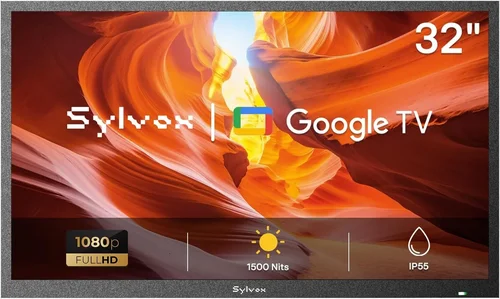
❌ Mistake: Buying a Standard Indoor TV for Outdoor Use
Why it’s bad: Indoor TVs are not designed to handle moisture, temperature extremes, or UV exposure. Even a small amount of humidity can cause internal corrosion, and direct sunlight can damage the screen and electronics. Using an indoor TV outdoors voids the warranty and poses a serious safety risk, especially near water.
What to do instead: Always choose a TV specifically engineered for outdoor use. Look for models with weatherproof ratings, sealed cabinets, and outdoor-certified components. If budget is a concern, consider a partial-shade model or an indoor TV in a certified outdoor enclosure—but never use a standard TV directly exposed to the elements.
❌ Mistake: Ignoring Brightness Requirements
Why it’s bad: A dim screen will be nearly impossible to see in daylight, especially near a reflective pool surface. You’ll end up squinting, adjusting angles, or only using the TV at night—defeating the purpose of having an outdoor display.
What to do instead: Prioritize brightness. Aim for at least 700 nits for shaded areas and 1,000+ nits for direct sunlight. Check reviews that mention real-world visibility in bright conditions, and consider the TV’s anti-glare technology. If possible, view the TV in person or watch demo videos taken outdoors.
❌ Mistake: Overlooking Installation Challenges
Why it’s bad: Poor installation can lead to water damage, electrical hazards, or even the TV falling. DIY attempts without proper knowledge can void warranties and create long-term problems.
What to do instead: Plan your installation carefully. Use outdoor-rated mounts, run cables through conduit, and ensure GFCI protection. If you’re not confident in your skills, hire a professional installer with experience in outdoor AV systems. It’s a small cost compared to the risks of doing it wrong.
❌ Mistake: Choosing the Wrong Size for the Space
Why it’s bad: A TV that’s too small will be hard to see from a distance, while one that’s too large can overwhelm the space and look out of place. Both scenarios reduce enjoyment and value.
What to do instead: Measure your viewing distance and use a screen size calculator. Consider the layout of your pool area—will people be seated, standing, or floating? Choose a size that provides a comfortable viewing experience for the majority of users without dominating the environment.
❌ Mistake: Skimping on Audio
Why it’s bad: Outdoor environments absorb sound, and built-in TV speakers are often weak and muffled. You’ll struggle to hear dialogue or enjoy immersive audio, especially with pool pumps or water features running.
What to do instead: Invest in outdoor-rated speakers or a weatherproof soundbar. Place them strategically around the pool area for even coverage. Wireless options like Bluetooth speakers can offer flexibility, but wired systems generally provide better sound quality and reliability.
❌ Mistake: Not Checking Warranty Terms
Why it’s bad: Many warranties don’t cover damage from environmental exposure, improper installation, or normal wear and tear. You could end up paying for repairs that should be covered.
What to do instead: Read the warranty thoroughly before buying. Ensure it covers outdoor use, and confirm what’s included (e.g., screen, electronics, labor). Ask the retailer or manufacturer about common failure points and how they’re handled under warranty.
❌ Mistake: Buying Based on Price Alone
Why it’s bad: The cheapest option often cuts corners on build quality, brightness, and durability. You may save money upfront but end up replacing the TV in a year or two.
What to do instead: Focus on value, not just price. Consider the total cost of ownership, including installation, accessories, and potential repairs. A mid-range outdoor TV with strong reviews and a solid warranty often offers better long-term value than a bargain model.
Budget Guidelines: How Much Should You Spend?
Outdoor TVs represent a significant investment, but understanding the price tiers can help you set realistic expectations and avoid overspending—or underspending.
Entry-Level ($800 – $1,500): This range typically includes partial-shade models or indoor TVs in basic outdoor enclosures. These are suitable for covered patios or areas with minimal direct sun exposure. Expect modest brightness (500–700 nits), limited smart features, and shorter warranties. While they can work for casual use, they may struggle in bright conditions or humid environments.
Mid-Range ($1,500 – $3,000): This is the sweet spot for most homeowners. TVs in this tier offer excellent brightness (700–1,500 nits), solid weather resistance (IP55 or higher), and reliable smart platforms. Brands like SunBriteTV and Seura have strong offerings here, with durable builds and good customer support. These models are ideal for pool areas with partial shade or light exposure.
Premium ($3,000 – $5,000): For those who want top-tier performance and year-round durability, premium outdoor TVs deliver. Expect brightness exceeding 1,500 nits, full weather sealing, advanced anti-glare technology, and robust smart features. These TVs are built to last decades and perform flawlessly in direct sunlight or extreme weather. Perfect for open pool decks or coastal homes.
Luxury ($5,000+): At this level, you’re investing in commercial-grade quality and cutting-edge technology. These TVs often feature ultra-high brightness (2,000+ nits), 24/7 operation capability, and custom installation options. They’re commonly used in luxury resorts, high-end homes, or large outdoor entertainment zones. While overkill for casual users, they offer unmatched reliability and performance.
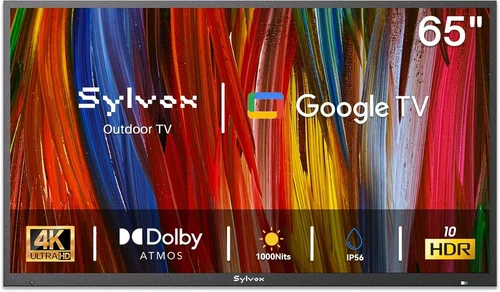
Expert Tips for Getting the Best Deal
- Shop during off-seasons: Outdoor TVs often go on sale in late fall and winter when demand is low. Retailers may offer discounts to clear inventory before the spring rush.
- Compare retailers: Prices can vary significantly between online stores, big-box retailers, and specialty AV dealers. Check sites like Amazon, Best Buy, and dedicated outdoor TV retailers for the best deals.
- Look for bundle deals: Some sellers offer packages that include the TV, mount, and cables at a discounted rate. These can save you money and simplify purchasing.
- Check for rebates or financing: Manufacturers occasionally offer rebates or 0% financing promotions. These can make a high-end model more affordable over time.
- Read return policies carefully: Outdoor TVs are often non-returnable once installed. Make sure you can return or exchange the TV if it doesn’t meet your expectations.
- Test before you buy: If possible, visit a showroom or dealer that has outdoor TVs on display. Seeing the brightness and picture quality in person can help you make a confident decision.
- Consider refurbished models: Some brands sell certified refurbished outdoor TVs at a discount. These often come with full warranties and are a great way to save money without sacrificing quality.
- Negotiate with installers: If you’re hiring a professional, ask if they offer package deals for TV and installation. Some may discount labor if you purchase the TV through them.

Frequently Asked Questions
Q: Can I use a regular TV outdoors if I cover it?
A: While you can place an indoor TV in a weatherproof enclosure, it’s not recommended for direct outdoor use—especially near a pool. Enclosures can trap heat, and most aren’t designed for the extreme conditions of outdoor environments. For safety and performance, choose a TV specifically built for outdoor use.
Q: Do outdoor TVs need special mounts?
A: Yes. Standard TV mounts aren’t rated for outdoor conditions and may rust or fail over time. Always use an outdoor-rated mount that’s compatible with your TV model and designed to withstand wind, rain, and temperature changes.
Q: How do I protect my outdoor TV from pool chemicals?
A: Choose a TV with a sealed cabinet and corrosion-resistant materials. Avoid placing it directly above the pool where splashes are common. Regularly wipe down the screen and frame with a soft, dry cloth to remove any chemical residue.
Q: Can I leave my outdoor TV on all the time?
A: Most outdoor TVs are designed for continuous use, but check the manufacturer’s guidelines. Some models have recommended usage limits to prevent overheating. For energy efficiency and longevity, turn it off when not in use.
Q: What’s the difference between partial-shade and all-weather TVs?
A: Partial-shade TVs are designed for covered areas like patios or under eaves and offer moderate weather protection. All-weather TVs are fully sealed and built for direct exposure to sun, rain, and snow, making them ideal for open pool decks.
Q: Do outdoor TVs come with built-in heaters or coolers?
A: Many all-weather models include internal temperature regulation systems—either passive cooling or sealed heat exchangers—to maintain optimal operating conditions. These help prevent overheating in summer and freezing in winter.
Q: Can I stream content to my outdoor TV?
A: Yes, most modern outdoor TVs come with built-in smart platforms that support popular streaming apps. Ensure your Wi-Fi signal reaches the TV, or use an Ethernet connection for better reliability.
Q: How long do outdoor TVs last?
A: With proper installation and maintenance, a high-quality outdoor TV can last 7–10 years or more. Cheaper models or those exposed to harsh conditions may need replacement sooner.
Q: Are outdoor TVs energy efficient?
A: Yes, many outdoor TVs use energy-efficient LED backlighting and low-power components. Look for ENERGY STAR certification or check the power consumption specs to compare efficiency.
Q: Can I mount an outdoor TV on a ceiling?
A: Yes, many models support ceiling mounts, which are ideal for pergolas or covered pool areas. Ensure the mount is rated for outdoor use and that there’s adequate clearance for ventilation and access.
Our Final Recommendations
Best for Budget-Conscious Buyers: SunBriteTV Veranda Series (55-inch) – Offers excellent value with 700-nit brightness, IP55 rating, and reliable smart features. Perfect for covered patios or light outdoor use.
Best Overall Value: Seura Shadow 65-inch – Combines high brightness (1,000 nits), sleek design, and strong weather resistance at a competitive price. Ideal for most pool areas with partial shade.
Best Premium Option: SunBriteTV Pro Series 75-inch – Built for extreme conditions with 2,500-nit brightness, full IP66 rating, and commercial-grade durability. The top choice for open pool decks or luxury homes.
Best for Beginners: Peerless-AV Outdoor TV (50-inch) – Easy to install, user-friendly interface, and solid performance. Great for first-time outdoor TV buyers.
Best for Advanced Users: LG Outdoor TV (65-inch, Commercial Grade) – Features ultra-high brightness, advanced smart platform, and 24/7 operation capability. Designed for tech-savvy users who want the best.
Conclusion: Making the Right Choice
Choosing the best outdoor television for your pool area is about more than just picture quality—it’s about creating a safe, durable, and enjoyable entertainment experience that enhances your outdoor lifestyle. From weather resistance and brightness to smart features and installation, every detail matters. By understanding the key factors, avoiding common mistakes, and setting a realistic budget, you can find a TV that delivers stunning performance season after season.
Remember, the right outdoor TV isn’t the cheapest or the most expensive—it’s the one that fits your specific needs, environment, and usage patterns. Whether you’re watching the sunset with a glass of wine or hosting a pool party with friends, your outdoor TV should be a reliable centerpiece that brings people together.
Take your time, do your research, and don’t hesitate to consult with professionals. With the insights from this guide, you’re now equipped to make a confident, informed decision. Your perfect poolside entertainment setup is within reach—enjoy the show!

