
Outdoor living spaces have evolved far beyond simple patios with a grill and a few chairs. Today’s large patios are fully functional entertainment zones—complete with outdoor kitchens, fire pits, lounge areas, and yes, high-quality televisions. Whether you’re hosting summer barbecues, watching the big game under string lights, or enjoying a movie night under the stars, an outdoor TV can transform your patio into a true extension of your home theater experience. But not all TVs are built for the elements. Standard indoor televisions simply won’t survive exposure to sun, rain, humidity, dust, or temperature extremes. That’s why choosing the right outdoor television is critical—not just for performance, but for safety, longevity, and overall enjoyment.
This comprehensive buying guide is designed to help you navigate the often-confusing world of outdoor televisions, especially if you’re outfitting a large patio where visibility, durability, and audio-visual quality are paramount. We’ll walk you through every essential factor—from screen brightness and weather resistance to smart features and installation considerations—so you can make a confident, informed decision. Whether you’re a tech enthusiast, a home entertainer, or simply someone who loves spending time outdoors, this guide will equip you with the knowledge to pick the perfect outdoor TV that fits your space, budget, and lifestyle.
The outdoor TV market has grown significantly in recent years, driven by advances in display technology and increasing demand for outdoor entertainment. Major brands like Samsung, LG, Sony, and specialized companies like SunBriteTV and Seura now offer models specifically engineered for outdoor use. These aren’t just indoor TVs slapped in a weatherproof box—they’re purpose-built with enhanced brightness, anti-glare coatings, robust enclosures, and thermal management systems. However, with so many options available, it’s easy to get overwhelmed. Some models prioritize brightness for sunny patios, while others focus on sleek design or smart integration. This guide cuts through the noise, offering expert insights, real-world comparisons, and actionable advice to help you find the best outdoor television for your large patio.

What to Look for When Buying Buying Guide
1. Brightness & Screen Visibility
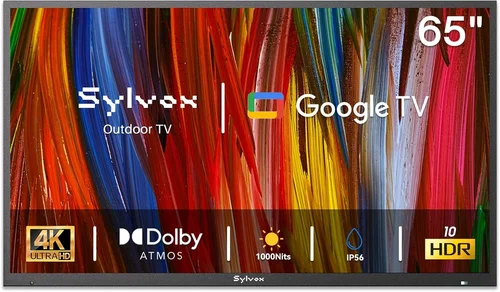
One of the most critical factors when selecting an outdoor TV is screen brightness, measured in nits. Unlike indoor TVs, which typically range from 300 to 600 nits, outdoor models need significantly higher brightness to combat glare from direct sunlight. For a large patio—especially one that gets full sun during the day—you’ll want a TV with at least 700 nits, but ideally 1,000 nits or more. This ensures the image remains clear and vibrant even at noon on a cloudless day.
Look for TVs with anti-reflective or anti-glare coatings, which reduce mirror-like reflections that can wash out the picture. Additionally, consider the viewing angle. On a large patio, guests may be seated at various angles relative to the screen. A TV with wide viewing angles (178 degrees or more) ensures consistent color and contrast no matter where someone is sitting. OLED panels generally offer superior viewing angles compared to standard LED/LCD models, but they’re less common in outdoor-specific designs due to cost and brightness limitations.
2. Weather Resistance & IP Rating
Outdoor TVs must withstand rain, snow, dust, humidity, and temperature fluctuations. That’s why they come with Ingress Protection (IP) ratings, which indicate how well the unit resists environmental elements. For outdoor use, look for a minimum IP55 rating—this means the TV is protected against low-pressure water jets from any direction and limited dust ingress. Higher-end models may offer IP65 or even IP66 ratings, providing full protection against dust and powerful water jets.
But don’t stop at the IP rating. Check whether the TV is designed for partial or full sun exposure. Some models are only suitable for covered patios (partial shade), while others can handle direct sunlight. Also, consider the operating temperature range. Most outdoor TVs function between -22°F and 122°F (-30°C to 50°C), but verify this spec based on your local climate. Extreme cold can affect screen responsiveness, while excessive heat may trigger automatic shutdowns if the internal temperature gets too high.
3. Build Quality & Durability
Outdoor TVs are built to last, but not all are created equal. The enclosure material plays a big role in longevity. Look for powder-coated aluminum or marine-grade stainless steel, which resist rust and corrosion. Avoid plastic housings, which can degrade over time when exposed to UV rays and moisture.
Pay attention to the internal components as well. Outdoor TVs often include sealed cooling systems, moisture-resistant circuit boards, and reinforced connectors. Some models even feature thermal sensors that adjust fan speed or brightness to prevent overheating. For large patios where the TV might be mounted high or in a hard-to-reach location, durability is especially important—you don’t want to be replacing or repairing it every few years.
4. Size & Viewing Distance
Choosing the right screen size is crucial for a large patio. Too small, and viewers at the far end won’t see details clearly. Too large, and it may overwhelm the space or require a higher mounting position that affects ergonomics. A general rule of thumb: for every 1.5 feet of viewing distance, you should have 1 inch of screen size. So, if your seating area is 12 feet from the TV, a 75-inch screen would be ideal.
However, outdoor viewing is different. Bright ambient light reduces perceived contrast, so you may want to go slightly larger than you would indoors. Also, consider the layout of your patio. If viewers are spread out across multiple zones (e.g., near a fire pit, at a dining table, or on a lounge sofa), a larger screen ensures everyone gets a good view. For very large patios (over 20 feet wide), consider a 85-inch or even 98-inch model, especially if you plan to host gatherings.
5. Audio Performance & External Speaker Options
Most outdoor TVs have built-in speakers, but they’re often underpowered for large, open spaces. Wind, ambient noise, and distance can make dialogue hard to hear, especially during daytime use. That’s why audio is a key consideration.
Look for models with at least 20W of total audio output, though 30W or more is preferable. Some outdoor TVs include enhanced audio features like virtual surround sound or bass enhancement. However, for the best experience on a large patio, we recommend pairing your TV with external outdoor speakers. Many models support Bluetooth, optical audio out, or HDMI ARC, making it easy to connect weather-resistant speakers or a soundbar.
Consider speaker placement carefully. Wall-mounted speakers on either side of the TV or discreet in-ground models can provide immersive sound without cluttering the space. For ultimate flexibility, a wireless multi-room audio system lets you sync sound across your patio, pool area, and outdoor kitchen.
6. Smart Features & Connectivity
Just like indoor TVs, outdoor models now come with smart platforms that let you stream content directly without needing a separate device. Look for models with built-in Wi-Fi and support for popular apps like Netflix, YouTube, Hulu, and Disney+. Android TV, webOS (LG), and Tizen (Samsung) are among the most user-friendly platforms.
Connectivity is equally important. Ensure the TV has multiple HDMI ports (at least three), USB inputs, and possibly an Ethernet port for a wired internet connection—especially useful if your patio is far from your router. Some models also include RF inputs for over-the-air antennas, which is great for live sports or local news.
For large patios where you might want to control the TV from different areas, look for models with voice control (via Alexa, Google Assistant, or built-in microphones) or mobile app support. This allows you to change channels, adjust volume, or search for content without needing to walk back to the TV.
7. Installation & Mounting Options
Proper installation is essential for both performance and safety. Outdoor TVs are typically mounted on walls, ceilings, or specialized outdoor TV stands. For large patios, wall mounting is usually the best option, as it keeps the screen at eye level and frees up floor space.
Ensure your mounting surface is sturdy—concrete, brick, or reinforced wood studs are ideal. Use a weatherproof outdoor TV mount rated for your TV’s size and weight. Tilt and full-motion mounts offer flexibility, allowing you to adjust the angle based on sun position or seating layout.
Cable management is another consideration. Look for models with hidden cable channels or built-in conduits to keep wires protected from the elements. If running cables through walls or under decking, use outdoor-rated HDMI and power cables with UV-resistant jackets.
8. Brand Reputation & Warranty
Not all outdoor TV brands are equal. Established names like Samsung, LG, and Sony offer reliable performance and strong customer support, but they may come at a premium. Specialized brands like SunBriteTV, Seura, and Peerless-AV focus exclusively on outdoor displays and often provide superior weatherproofing and durability.
Check the warranty terms carefully. Most outdoor TVs come with a 1- to 3-year limited warranty, but some premium models offer extended coverage or on-site service. A good warranty should cover both parts and labor, and ideally include protection against environmental damage. Avoid brands with vague or short warranties—this could be a red flag about long-term reliability.
Different Types of Buying Guide

Common Buying Mistakes to Avoid
❌ Mistake: Buying an Indoor TV for Outdoor Use
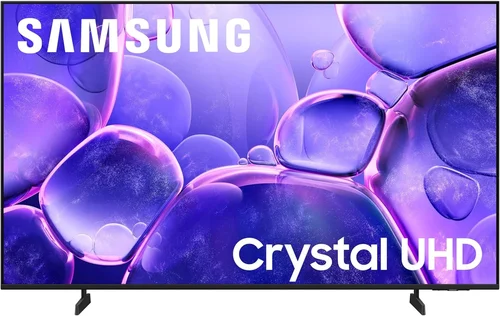
Why it’s bad: Indoor TVs lack the brightness, weather resistance, and thermal management needed for outdoor environments. They can overheat, suffer screen burn-in from sun exposure, or short-circuit during rain. In extreme cases, moisture ingress can cause electrical fires.
What to do instead: Always choose a TV specifically designed for outdoor use. Look for models with IP ratings, high brightness, and sealed enclosures. If budget is a concern, consider a partial-shade model or an indoor TV in a certified outdoor enclosure.
❌ Mistake: Ignoring Viewing Distance and Screen Size
Why it’s bad: A TV that’s too small for your patio will result in a poor viewing experience, especially for guests seated far away. Conversely, an oversized TV can be difficult to mount and may overwhelm the space.
What to do instead: Measure your seating distance and use the 1.5:1 rule (1 inch of screen per 1.5 feet of distance). For large patios, aim for 75 inches or larger. Test the size with a cardboard cutout before purchasing.
❌ Mistake: Overlooking Audio Needs
Why it’s bad: Built-in TV speakers are rarely powerful enough for outdoor spaces. Wind, ambient noise, and distance can make dialogue inaudible, ruining the experience.
What to do instead: Invest in a pair of weather-resistant outdoor speakers or a soundbar. Look for models with Bluetooth or wired connectivity. Consider speaker placement during installation to ensure even sound distribution.
❌ Mistake: Skimping on the Mount
Why it’s bad: A flimsy or indoor-rated mount can fail under the weight of an outdoor TV, especially in windy conditions. This poses a serious safety risk.
What to do instead: Use a heavy-duty, weatherproof outdoor TV mount rated for your TV’s size and weight. Ensure it’s securely anchored to a solid surface like concrete or studs.
❌ Mistake: Not Checking Wi-Fi Signal Strength
Why it’s bad: Weak Wi-Fi can cause buffering, slow app loading, and poor streaming quality—especially frustrating during live events.
What to do instead: Test your Wi-Fi signal at the TV location before buying. If it’s weak, consider a Wi-Fi extender, mesh network, or running an Ethernet cable. Some outdoor TVs support wired connections for more reliable performance.
❌ Mistake: Forgetting About Power and Cable Management
Why it’s bad: Exposed cables are unsightly, vulnerable to weather damage, and can become tripping hazards.
What to do instead: Plan your cable routing in advance. Use outdoor-rated cables and conduit to protect them. Choose a TV with built-in cable management or use a weatherproof junction box.
❌ Mistake: Choosing Based on Price Alone
Why it’s bad: The cheapest option may lack essential features like brightness, durability, or smart functionality, leading to dissatisfaction and early replacement.
What to do instead: Balance cost with long-term value. A mid-range outdoor TV with strong reviews and a good warranty often offers the best return on investment.
Budget Guidelines: How Much Should You Spend?
Entry-Level ($1,000 – $2,500): This tier includes partial-shade outdoor TVs and indoor models in outdoor enclosures. Expect brightness around 500–700 nits, basic smart features, and limited weather resistance (IP54 or lower). These are ideal for covered patios or mild climates. Brands like Seura and some Samsung models offer good value here.
Mid-Range ($2,500 – $4,500): This is the sweet spot for most buyers. You’ll find all-weather TVs with 1,000+ nits brightness, IP55 or higher ratings, robust build quality, and full smart functionality. Models from SunBriteTV, LG, and Sony fall into this category. These TVs perform well in direct sun and offer excellent longevity.
Premium ($4,500 – $7,000): For enthusiasts and those with large, sun-drenched patios, premium models deliver top-tier brightness (1,500+ nits), advanced thermal management, and superior audio. Expect features like anti-glare coatings, wide viewing angles, and extended warranties. These are built to last 10+ years with minimal maintenance.
Luxury ($7,000+): At this level, you’re investing in commercial-grade durability, ultra-high brightness, and cutting-edge design. These TVs are often used in luxury homes, resorts, or public venues. They may include custom finishes, 24/7 operation capability, and on-site service. Ideal for those who want the absolute best and are willing to pay for it.
Expert Tips for Getting the Best Deal
- Buy During Off-Season: Outdoor TVs are in highest demand during spring and summer. Shop in late fall or winter (October–February) for better deals and discounts.
- Check Manufacturer Rebates: Brands like Samsung and LG often offer seasonal rebates or bundle deals with mounts and speakers.
- Compare Online and In-Store: Online retailers like Amazon, Best Buy, and Crutchfield often have competitive pricing, but in-store visits let you see the TV in person and ask questions.
- Read Real User Reviews: Look beyond star ratings. Read detailed reviews on sites like Wirecutter, CNET, or Reddit to learn about long-term performance and common issues.
- Negotiate Installation Packages: Many retailers offer free or discounted installation with purchase. Bundle your TV, mount, and speakers to save money.
- Consider Refurbished Models: Certified refurbished outdoor TVs from reputable sellers can offer significant savings with full warranties.
- Test Before You Buy: If possible, visit a showroom or friend’s home with an outdoor TV to evaluate brightness, sound, and ease of use in real conditions.
- Review Return Policies: Ensure the retailer offers a generous return window (30 days or more) in case the TV doesn’t meet your expectations.

Frequently Asked Questions
Q: Can I use a regular TV outdoors if it’s under a covered patio?
A: Technically yes, but it’s not recommended. Even under cover, humidity, temperature swings, and occasional moisture can damage internal components. A partial-shade outdoor TV is a safer, longer-lasting investment.
Q: Do outdoor TVs need special power outlets?
A: Most outdoor TVs use standard 120V outlets, but they should be GFCI-protected for safety. Avoid using extension cords; instead, run a dedicated outdoor-rated power line.
Q: How do I clean an outdoor TV screen?
A: Use a microfiber cloth and a mild cleaning solution designed for electronics. Avoid ammonia-based cleaners or abrasive materials that can scratch the anti-glare coating.
Q: Can I leave my outdoor TV on all the time?
A: Most outdoor TVs are designed for intermittent use, not 24/7 operation. Continuous use can shorten the lifespan. Use a timer or smart plug to automate power cycles.
Q: Do outdoor TVs come with remotes?
A: Yes, all outdoor TVs include a remote. Some also support smartphone apps or voice control for added convenience.
Q: What’s the difference between partial-shade and all-weather TVs?
A: Partial-shade models are for covered areas with limited sun exposure. All-weather TVs are built for direct sunlight and full environmental exposure, with higher brightness and better cooling.
Q: Can I mount an outdoor TV on a pergola?
A: Yes, but ensure the pergola is structurally sound and can support the TV’s weight. Use a reinforced mount and consider wind load in your area.
Q: Do outdoor TVs support 4K and HDR?
A: Absolutely. Most modern outdoor TVs offer 4K resolution and HDR support (HDR10, Dolby Vision, or HLG) for stunning picture quality.
Q: How long do outdoor TVs typically last?
A: With proper care, a quality outdoor TV can last 8–12 years. Regular cleaning and avoiding extreme conditions will extend its life.
Q: Can I connect a gaming console to an outdoor TV?
A: Yes, as long as the TV has HDMI ports and low input lag. Look for models with a “Game Mode” for the best performance.
Our Final Recommendations
Best for Budget-Conscious Buyers: Seura 55″ Partial-Shade Outdoor TV – At around $2,200, this model offers excellent value with 700 nits brightness, IP54 rating, and built-in smart features. Ideal for covered patios.
Best Overall Value: SunBriteTV Veranda Series 65″ – Priced around $3,800, this all-weather TV delivers 1,000+ nits brightness, IP55 rating, and robust build quality. Perfect for large patios with mixed sun and shade.
Best Premium Option: SunBriteTV Pro Series 75″ – At $6,500, this is a top-tier choice for full sun exposure. With 1,500 nits brightness, advanced cooling, and commercial-grade durability, it’s built to last.
Best for Beginners: Samsung The Terrace 65″ – Around $4,200, this model combines Samsung’s smart platform with outdoor-specific features. Easy to set up and use, with strong app support.
Best for Advanced Users: Peerless-AV Xtreme 85″ – A high-end, modular outdoor display designed for extreme conditions. Supports custom configurations and professional installation.
Conclusion: Making the Right Choice
Choosing the best outdoor television for your large patio is about more than just picking a screen that looks good. It’s about finding a durable, high-performance display that enhances your outdoor lifestyle while standing up to the elements. From brightness and weather resistance to audio quality and smart features, every detail matters. By considering your specific needs—viewing distance, sun exposure, budget, and usage patterns—you can narrow down the options and find a TV that delivers years of enjoyment.
Don’t rush the decision. Take time to research, compare models, and read real user experiences. Invest in quality components like a sturdy mount and outdoor speakers to complete the setup. And remember: the best outdoor TV isn’t necessarily the most expensive—it’s the one that fits your space, your habits, and your vision for outdoor living.
Whether you’re watching a sunset movie marathon or cheering on your team during a backyard tailgate, the right outdoor television will make every moment more memorable. So go ahead—upgrade your patio, embrace the outdoors, and enjoy entertainment under the open sky.

