
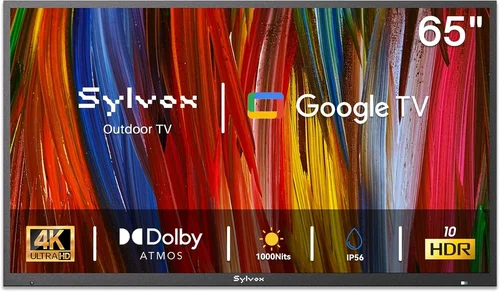
Outdoor living spaces have evolved far beyond simple patios and decks. Today’s backyards are fully integrated entertainment zones—complete with grills, fire pits, sound systems, and yes, high-definition televisions. But not just any TV will do when you’re battling relentless sun, scorching temperatures, humidity, and dust. Standard indoor TVs are not built to withstand these conditions and can overheat, suffer screen glare, or fail prematurely when exposed to the elements. That’s why investing in a purpose-built outdoor television is essential for anyone serious about enjoying their outdoor space year-round—especially in hot climates.
This comprehensive buying guide is designed to help you navigate the often-confusing world of outdoor TVs, with a specific focus on models engineered to thrive in high-temperature environments. Whether you’re setting up a backyard cinema under the stars, watching the big game poolside, or simply enjoying your favorite show from a shaded patio, we’ll walk you through everything you need to know to make a smart, informed decision. You’ll learn how to evaluate performance specs, understand build quality, compare different types of outdoor displays, avoid common pitfalls, and find the best value for your budget. By the end, you’ll be equipped with expert-level knowledge to choose a TV that delivers stunning picture quality, reliable durability, and long-term satisfaction—no matter how hot it gets outside.
The market for outdoor televisions has grown significantly in recent years, driven by advances in display technology and increasing demand for outdoor entertainment. Major brands like Samsung, LG, Sony, and specialized manufacturers such as SunBriteTV, Seura, and Peerless have stepped up with models specifically engineered for exterior use. These aren’t just indoor TVs shoved into weatherproof boxes—they’re purpose-built systems with enhanced cooling, anti-glare screens, ruggedized components, and thermal management designed to handle extreme heat. However, not all outdoor TVs are created equal, and many fall short when subjected to the intense, sustained temperatures common in desert regions, tropical zones, or southern U.S. states during summer months. This guide cuts through the marketing noise to deliver actionable insights based on real-world performance, expert testing, and user feedback.

What to Look for When Buying Buying Guide
1. Thermal Management & Heat Resistance
One of the most critical factors when selecting an outdoor TV for hot climates is its ability to manage internal heat. Unlike indoor TVs, which rely on passive airflow and ambient room temperatures, outdoor models must actively regulate their internal environment to prevent overheating. Look for TVs with integrated cooling systems—such as fans, heat sinks, or sealed thermal chambers—that keep components within safe operating ranges even when ambient temperatures exceed 100°F (38°C). Some premium models feature dual-zone cooling, where the display panel and electronics are cooled separately to maximize efficiency. Avoid TVs that rely solely on passive cooling or lack temperature monitoring; these are prone to shutdowns, reduced lifespan, or permanent damage in extreme heat.
2. Display Brightness & Anti-Glare Technology
In direct sunlight, even the brightest indoor TVs appear washed out and nearly unwatchable. Outdoor TVs must deliver significantly higher brightness levels—measured in nits—to maintain visibility. For shaded areas, a minimum of 700 nits is recommended, but for full sun exposure, you’ll want at least 1,000 to 2,500 nits. Top-tier models can reach 3,000 nits or more. Equally important is anti-glare coating or optical bonding, which reduces reflections and improves contrast in bright conditions. Look for TVs with direct-lit LED backlighting or full-array local dimming (FALD), as these technologies enhance brightness uniformity and black levels. Avoid edge-lit displays, which often suffer from hotspots and inconsistent illumination in high-light environments.
3. Weatherproofing & IP Rating
Outdoor TVs must be built to resist not only heat but also moisture, dust, insects, and UV radiation. The Ingress Protection (IP) rating system provides a standardized measure of this resilience. For outdoor use, especially in hot, humid, or dusty climates, look for a minimum IP55 rating—this means the TV is protected against low-pressure water jets and limited dust ingress. For coastal areas or regions with heavy rain, IP65 or higher is ideal. Additionally, check that all ports, connectors, and ventilation openings are sealed or shielded. Some manufacturers use conformal coating on internal circuitry to protect against corrosion from salt air or humidity. Never assume a TV labeled “outdoor” is fully weatherproof—always verify the IP rating and construction details.
4. Build Quality & Materials
The physical construction of an outdoor TV directly impacts its longevity and performance in harsh conditions. Look for enclosures made from powder-coated aluminum or stainless steel, which resist rust, fading, and warping under intense sun exposure. Avoid plastic housings, which can become brittle and crack over time. The screen should be made of tempered glass with anti-reflective properties, and the internal components should be rated for extended outdoor use. Pay attention to mounting hardware as well—ensure it’s included or compatible with marine-grade or corrosion-resistant brackets. A well-built outdoor TV should feel solid and substantial, not flimsy or lightweight like many indoor models.
5. Smart Features & Connectivity
Modern outdoor TVs often include smart platforms like Android TV, webOS, or Roku, allowing access to streaming services without external devices. While convenient, these features can add complexity and potential points of failure in extreme environments. Evaluate whether the smart OS is optimized for outdoor use—some systems may slow down or overheat under prolonged load. Ensure the TV has sufficient HDMI ports (preferably HDMI 2.0 or 2.1), USB inputs, and Wi-Fi/Bluetooth connectivity. For hot climates, consider models with wired Ethernet options, as wireless signals can degrade in high temperatures. Also, check for compatibility with voice assistants (Google Assistant, Alexa) and integration with home automation systems if desired.
6. Size & Viewing Distance
Choosing the right screen size depends on your viewing distance and installation location. For patios or decks within 6–8 feet, a 43″ to 55″ TV is typically sufficient. For larger spaces like pool areas or outdoor living rooms, consider 65″ or larger models. However, larger screens generate more heat and require more robust cooling systems—ensure the model you choose can handle the thermal load. Use the 1.5x rule as a guideline: multiply your viewing distance (in inches) by 1.5 to estimate the ideal screen diagonal. For example, at 10 feet (120 inches), a 65″ to 75″ TV offers an immersive experience. Avoid oversized TVs that overwhelm the space or require excessive brightness to be seen clearly.
7. Brand Reputation & Reliability
Not all outdoor TV brands are equal in terms of engineering, customer support, and long-term reliability. Established names like SunBriteTV (a leader in outdoor displays), Seura (known for weather-resistant designs), and Peerless (specializing in commercial-grade solutions) have proven track records in harsh environments. Mainstream brands like Samsung and LG offer outdoor-compatible models, but these are often adaptations of indoor TVs with added enclosures—less ideal for extreme heat. Research user reviews, professional testing, and warranty terms. Brands with dedicated outdoor divisions typically invest more in thermal design, component sourcing, and field testing. Avoid unknown or generic brands that lack transparency about specifications or support.
8. Warranty & Customer Support
Given the premium price of outdoor TVs and the challenging conditions they face, a strong warranty is non-negotiable. Look for at least a 2-year comprehensive warranty that covers both parts and labor, including damage from heat, moisture, or power surges. Some manufacturers offer extended warranties or service plans for an additional cost. Check whether the warranty is valid only if installed by a certified professional—this is common with high-end models. Also, evaluate the availability of customer support: can you reach a human quickly? Is technical assistance available for troubleshooting? Brands with local service centers or partnerships with installers provide better long-term peace of mind.
Different Types of Buying Guide

Common Buying Mistakes to Avoid
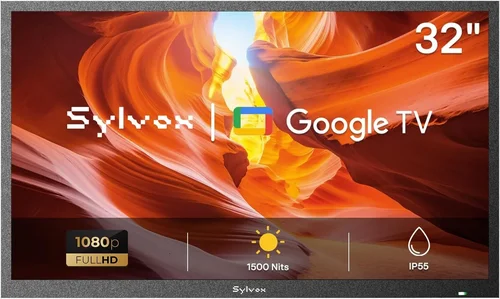
❌ Mistake: Buying an Indoor TV for Outdoor Use
Why it’s bad: Indoor TVs lack the thermal management, weatherproofing, and brightness required for outdoor environments. They can overheat within minutes in direct sun, suffer screen burn-in, or fail due to moisture ingress. Even in shaded areas, temperature swings and humidity can damage internal components over time.
What to do instead: Invest in a purpose-built outdoor TV or use a high-quality outdoor enclosure designed for your specific model. If budget is tight, consider a partial-shade outdoor TV or a portable option.
❌ Mistake: Ignoring the IP Rating
Why it’s bad: Without a proper IP rating, you have no guarantee the TV can withstand rain, dust, or humidity. A TV labeled “weather-resistant” may only offer minimal protection and fail prematurely in real-world conditions.
What to do instead: Always verify the IP rating (e.g., IP55, IP65) and match it to your climate. For hot, dusty, or coastal areas, aim for IP65 or higher.
❌ Mistake: Overlooking Brightness Requirements
Why it’s bad: A dim screen is unwatchable in sunlight, no matter how good the resolution. Many buyers are disappointed when their new outdoor TV looks “washed out” during daytime use.
What to do instead: Choose a TV with at least 1,000 nits for shaded areas and 2,000+ nits for full sun. Test brightness specs and look for anti-glare coatings.
❌ Mistake: Choosing the Wrong Size
Why it’s bad: A TV that’s too small forces viewers to squint, while one that’s too large can be overwhelming and require excessive brightness, increasing heat output.
What to do instead: Use the 1.5x viewing distance rule and consider your seating layout. Measure your space and simulate screen size with painter’s tape before buying.
❌ Mistake: Skimping on Mounting and Installation
Why it’s bad: Poor mounting can lead to vibration, misalignment, or even detachment in windy conditions. DIY installations may void warranties or compromise weatherproofing.
What to do instead: Use marine-grade or corrosion-resistant mounts and consider professional installation, especially for wall or ceiling mounts. Ensure cables are properly sealed and routed.
❌ Mistake: Not Checking Warranty Terms
Why it’s bad: Outdoor TVs are expensive, and repairs can be costly. A limited or voided warranty leaves you unprotected if the unit fails due to heat or moisture.
What to do instead: Read the fine print. Look for comprehensive coverage, professional installation requirements, and accessible customer support.
❌ Mistake: Assuming All “Outdoor” TVs Are Equal
Why it’s bad: Marketing terms like “outdoor-ready” or “weatherproof” can be misleading. Some models are only suitable for covered patios, not full exposure.
What to do instead: Research specific models, read expert reviews, and compare specs like brightness, IP rating, and thermal design.
Budget Guidelines: How Much Should You Spend?
Entry-Level ($800 – $1,500): This tier includes portable outdoor TVs, indoor TVs with basic enclosures, or partial-shade models with limited brightness (500–700 nits). Best for covered patios or occasional use. Expect basic weatherproofing and shorter lifespans in extreme heat.
Mid-Range ($1,500 – $3,500): The sweet spot for most homeowners. These TVs offer 700–1,500 nits brightness, IP55 or IP65 ratings, active cooling, and smart features. Ideal for shaded decks, pergolas, or areas with partial sun exposure. Brands like SunBriteTV Veranda and Seura offer reliable options here.
Premium ($3,500 – $6,000): Designed for full sun and extreme climates. Features include 2,000+ nits brightness, dual-zone cooling, full weather sealing, and commercial-grade components. Models like SunBriteTV Pro Series or Peerless Xtreme are built for 24/7 operation and long-term durability.
Luxury ($6,000+): Top-tier systems for resorts, luxury homes, or commercial venues. These include ultra-bright displays (3,000+ nits), advanced thermal management, remote monitoring, and custom installation support. Expect exceptional build quality, extended warranties, and integration with smart home ecosystems.
Expert Tips for Getting the Best Deal
1. Buy During Off-Season: Outdoor TV sales peak in spring and summer. Shop in late fall or winter for discounts of 15–30% as retailers clear inventory.
2. Compare Total Cost of Ownership: Factor in installation, mounts, cables, and potential repairs. A cheaper TV may cost more long-term if it fails prematurely.
3. Look for Bundle Deals: Some retailers offer packages with mounts, cables, or streaming devices at a reduced price.
4. Verify Return Policies: Ensure you can return or exchange the TV if it doesn’t perform as expected—especially important for online purchases.
5. Consider Refurbished Models: Certified refurbished outdoor TVs from reputable brands can save 20–40% and often include full warranties.
6. Test Before Committing: If possible, visit a showroom or ask for a demo. Check brightness, color accuracy, and menu responsiveness in simulated outdoor conditions.
7. Invest in Surge Protection: Outdoor electronics are vulnerable to power surges. Use a high-quality outdoor-rated surge protector to safeguard your investment.
8. Plan for Future Upgrades: Choose a TV with HDMI 2.1 and smart platform support to ensure compatibility with next-gen devices like 8K sources or gaming consoles.

Frequently Asked Questions
Q: Can I use a regular TV outdoors if it’s under a covered patio?
A: While possible, it’s not recommended for long-term use. Even under cover, temperature fluctuations, humidity, and dust can damage internal components. A partial-shade outdoor TV or indoor TV in a sealed enclosure is a safer, more reliable option.
Q: How do I know if an outdoor TV can handle my climate?
A: Check the operating temperature range, IP rating, and humidity tolerance in the specifications. For hot climates, ensure the upper limit is at least 110°F and the TV has active cooling.
Q: Do outdoor TVs consume more power?
A: Yes, due to higher brightness and cooling systems. Expect 20–50% higher energy use than indoor models. Look for Energy Star ratings or low-power modes to reduce consumption.
Q: Can I install an outdoor TV myself?
A: Basic wall mounts may be DIY-friendly, but professional installation is recommended for ceiling mounts, complex wiring, or to maintain warranty coverage.
Q: What’s the difference between optical bonding and anti-glare coating?
A: Optical bonding fuses the screen layers to reduce internal reflections, improving contrast and durability. Anti-glare coating is a surface treatment that scatters light. Optical bonding is superior for bright environments.
Q: How long do outdoor TVs last?
A: With proper care, 7–10 years is typical. Premium models with commercial-grade components can last 10–15 years in harsh conditions.
Q: Are outdoor TVs worth the cost?
A: If you use your outdoor space frequently and value reliability, picture quality, and longevity, yes. They’re a worthwhile investment for enhancing your lifestyle.
Q: Can I use streaming devices like Roku or Fire Stick with an outdoor TV?
A: Yes, but ensure the device is also protected from heat and moisture. Use outdoor-rated streaming boxes or keep them in a ventilated, shaded enclosure.
Q: What happens if my outdoor TV overheats?
A: Most models have thermal protection that reduces brightness or shuts down temporarily. Persistent overheating indicates a design flaw or installation issue.
Q: Do outdoor TVs come with remotes that work in the sun?
A: Standard IR remotes may struggle in bright light. Look for models with RF remotes or smartphone app control for better reliability.
Our Final Recommendations
Best for Budget-Conscious Buyers: SunBriteTV Veranda Series – Offers excellent value with 700-nit brightness, IP55 rating, and reliable performance for shaded areas. Priced around $1,800 for a 55″ model.
Best Overall Value: Seura Outdoor TV – Combines 1,000+ nits brightness, sleek design, and strong weatherproofing. Ideal for partial sun and covered patios. Around $2,500 for 55″.
Best Premium Option: SunBriteTV Pro Series – Built for full sun and extreme heat with 2,500-nit brightness, dual cooling, and IP65 rating. A top choice for desert or tropical climates. Starts at $4,500.
Best for Beginners: LG OLED Flex (with outdoor enclosure) – A flexible indoor OLED paired with a high-quality outdoor case. Great for those wanting premium picture quality in a controlled environment. Total cost ~$3,000.
Best for Advanced Users: Peerless Xtreme – Commercial-grade durability, 3,000+ nits, remote monitoring, and 24/7 operation. Perfect for tech-savvy users or commercial installations. Priced from $6,000.
Conclusion: Making the Right Choice
Choosing the best outdoor television for hot climates is about more than just picture quality—it’s about resilience, reliability, and long-term enjoyment. The right TV will withstand scorching sun, resist dust and moisture, deliver bright, clear images, and provide years of trouble-free service. By prioritizing thermal management, brightness, weatherproofing, and build quality, you can avoid costly mistakes and find a model that truly enhances your outdoor living experience.
Remember, not all outdoor TVs are created equal. Take the time to assess your specific needs: How much sun does your space get? What’s your typical viewing distance? How often will you use the TV? Use the guidelines in this guide to compare options, avoid common pitfalls, and invest wisely. Whether you’re watching a sunset movie night or catching the championship game poolside, the perfect outdoor TV is out there—ready to turn your backyard into a true entertainment destination. Don’t settle for less than a display built to thrive in the heat. Your comfort, your investment, and your enjoyment deserve nothing short of the best.

