
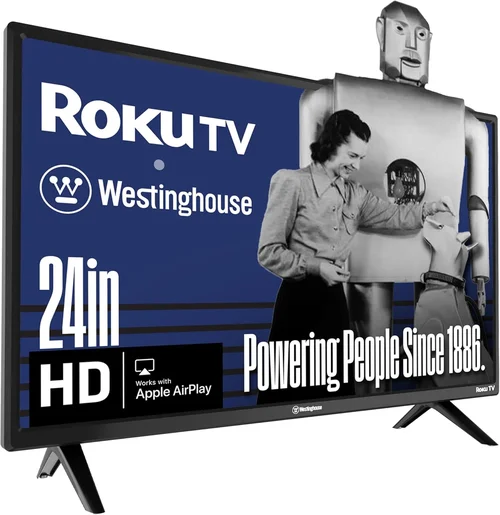
Outdoor kitchens have evolved from simple grilling stations into full-fledged entertainment hubs. Whether you’re hosting a summer barbecue, watching the big game under the stars, or enjoying a quiet evening with family, having a reliable outdoor television transforms your space into a true outdoor living room. But choosing the right TV for your outdoor kitchen isn’t as simple as grabbing the latest model from your local electronics store. Outdoor environments present unique challenges—direct sunlight, humidity, temperature swings, dust, and even rain—that can quickly damage a standard indoor television.
That’s where this comprehensive buying guide comes in. We’ve spent countless hours researching, testing, and comparing the best outdoor televisions on the market to help you make an informed decision. Whether you’re building a new outdoor kitchen or upgrading your current setup, this guide will walk you through everything you need to know—from understanding key performance specs to avoiding common pitfalls and finding the best value for your budget. By the end, you’ll have the confidence to choose a TV that delivers stunning picture quality, stands up to the elements, and enhances your outdoor lifestyle for years to come.
The outdoor TV market has grown significantly in recent years, driven by increased demand for outdoor living spaces and advancements in weather-resistant display technology. Today, you’ll find a range of options from fully weatherproof, all-season models designed for permanent installation to more affordable partial-weatherproof units suited for covered patios. Brands like Samsung, Sony, LG, and specialized outdoor manufacturers such as SunBriteTV, Seura, and Peerless-AV now offer purpose-built solutions that go far beyond simply slapping a regular TV under a roof. With features like anti-glare screens, enhanced brightness, ruggedized casings, and integrated cooling systems, these TVs are engineered to perform reliably in harsh conditions. This guide will help you navigate that growing landscape and find the perfect fit for your outdoor kitchen.

What to Look for When Buying Buying Guide
1. Weather Resistance & IP Rating
One of the most critical factors when selecting an outdoor television is its ability to withstand the elements. Unlike indoor TVs, outdoor models must resist moisture, dust, extreme temperatures, and UV exposure. The first thing to check is the TV’s Ingress Protection (IP) rating, which indicates how well the device is sealed against solids and liquids. For outdoor kitchens, look for a minimum IP55 rating—this means the TV is protected against low-pressure water jets from any direction and limited dust ingress. However, if your kitchen is fully exposed to rain or snow, aim for IP65 or higher, which offers complete protection against dust and powerful water jets.
Beyond the IP rating, consider the TV’s operating temperature range. Most outdoor TVs are rated to function between -22°F and 122°F (-30°C to 50°C), but this can vary by model. If you live in an area with harsh winters or scorching summers, ensure the TV you choose can handle those extremes. Additionally, check whether the TV includes built-in heating or cooling systems. Some premium models feature internal fans or heaters that activate automatically to prevent condensation or overheating, extending the lifespan of the display and internal components.
2. Brightness & Anti-Glare Technology
Sunlight is the enemy of screen visibility, especially in an outdoor kitchen where glare from windows, stainless steel appliances, or reflective surfaces can wash out the picture. Standard indoor TVs typically have a brightness of 300–500 nits, which is insufficient for outdoor use. For optimal viewing in daylight, you’ll need a TV with at least 700 nits, but ideally 1,000 nits or more. High-brightness displays ensure that colors remain vibrant and details stay sharp even under direct sunlight.
Equally important is anti-glare technology. Many outdoor TVs feature optically bonded screens with anti-reflective coatings that minimize glare and improve contrast. This technology bonds the LCD panel directly to the protective glass, eliminating the air gap that causes reflections. Some models also include ambient light sensors that automatically adjust brightness based on lighting conditions, enhancing both visibility and energy efficiency. When comparing models, look for terms like “direct sunlight readable,” “high-brightness LED,” or “optical bonding” in the specifications.
For example, the SunBriteTV Veranda Series offers 1,000 nits of brightness and full optical bonding, making it ideal for partially shaded outdoor kitchens. In contrast, the Seura Outdoor TV features a 700-nit display with a matte finish that reduces glare without sacrificing color accuracy. If your kitchen has large windows or is positioned to catch morning or afternoon sun, prioritize brightness and anti-glare features above all else.
3. Build Quality & Durability
Outdoor TVs are built to last, but not all are created equal. The enclosure material, sealing method, and internal component protection all contribute to long-term durability. Most high-quality outdoor TVs use powder-coated aluminum or stainless steel housings, which resist rust, corrosion, and UV degradation. Avoid plastic enclosures, as they can become brittle over time when exposed to sunlight and temperature changes.
Internally, look for conformal coating on circuit boards—a protective layer that shields electronics from moisture and dust. This is especially important in humid climates or near grills where smoke and grease can accumulate. Additionally, check the quality of the mounting system. A sturdy, weatherproof mount is essential for secure installation and vibration resistance, particularly if your outdoor kitchen is near a busy street or prone to wind.
Durability also extends to the remote control and input ports. Outdoor TVs should come with waterproof remotes and sealed HDMI/USB ports to prevent corrosion. Some models include protective covers for ports when not in use. For instance, the Peerless-AV Xtreme Outdoor TV features a fully sealed rear panel with silicone gaskets around all connections, ensuring long-term reliability even in harsh environments.
4. Display Technology & Picture Quality
While brightness and weather resistance are paramount, you still want a TV that delivers excellent picture quality. Most outdoor TVs use LED-backlit LCD panels, but the type of panel and processing technology can vary significantly. For outdoor kitchens, we recommend IPS (In-Plane Switching) panels, which offer wider viewing angles and better color consistency—ideal when guests are seated at various angles around the space.
Resolution is another key consideration. Full HD (1080p) is acceptable for smaller screens (under 50 inches), but for larger displays or closer viewing distances, 4K UHD is the way to go. 4K resolution provides four times the detail of 1080p, making it perfect for streaming high-definition sports, movies, and nature documentaries. Many outdoor TVs now support HDR (High Dynamic Range), which enhances contrast, color depth, and brightness for a more lifelike image.
However, be cautious of manufacturers that claim “HDR support” without specifying the type. Look for HDR10, HLG, or Dolby Vision compatibility for the best results. Also, consider refresh rate—60Hz is standard, but 120Hz models offer smoother motion, which is beneficial for fast-paced sports and action content. The Samsung The Terrace, for example, combines 4K HDR, 120Hz motion handling, and a 2,000-nit peak brightness, making it one of the top performers in the outdoor TV category.
5. Audio Performance & Sound Solutions
Outdoor environments are inherently noisy—grills sizzling, music playing, guests talking—so audio quality is just as important as picture quality. Unfortunately, most outdoor TVs have limited built-in speakers due to space and weatherproofing constraints. While some models include decent 10W or 20W stereo speakers, they often struggle to deliver clear, powerful sound in open spaces.
For the best audio experience, consider pairing your outdoor TV with a dedicated sound system. Options include weatherproof outdoor speakers, soundbars designed for outdoor use, or wireless Bluetooth speakers that can be placed strategically around the kitchen. Some outdoor TVs feature optical audio outputs or Bluetooth connectivity, making it easy to integrate external audio.
If you prefer an all-in-one solution, look for models with enhanced audio features. The LG Outdoor Smart TV, for instance, includes AI Sound Pro technology that upscales audio and optimizes it for outdoor listening. Alternatively, the Seura Outdoor TV offers optional wireless speaker kits that sync seamlessly with the display. Regardless of your choice, don’t rely solely on the TV’s built-in speakers—invest in a quality audio setup to complete your outdoor entertainment experience.
6. Smart Features & Connectivity
Modern outdoor TVs come equipped with smart platforms that allow you to stream content directly without needing an external device. Popular options include Roku TV, Android TV, webOS (LG), and Tizen (Samsung). These platforms provide access to Netflix, YouTube, Disney+, and thousands of other apps, making it easy to enjoy your favorite shows and movies outdoors.
When evaluating smart features, consider ease of use, app availability, and voice control compatibility. Models with built-in voice assistants like Google Assistant or Amazon Alexa allow you to change channels, adjust volume, or search for content using voice commands—convenient when your hands are busy cooking. Also, check for regular software updates, as these ensure security patches and new features over time.
Connectivity is equally important. Ensure the TV has multiple HDMI ports (at least two), USB ports for media playback, and Wi-Fi or Ethernet for internet access. Some models include HDMI-CEC, which lets you control connected devices (like a streaming stick or game console) with the TV remote. For example, the SunBriteTV Pro Series supports HDMI-CEC and includes a built-in Wi-Fi antenna for strong signal reception, even in areas with weak coverage.
7. Size & Viewing Distance
Choosing the right screen size depends on your outdoor kitchen layout and typical viewing distance. A TV that’s too small will be hard to see from a distance, while one that’s too large can overwhelm the space and strain your eyes. As a general rule, multiply your viewing distance (in inches) by 0.84 to determine the ideal screen size in inches. For example, if you’re sitting 8 feet (96 inches) away, a 80-inch TV would be appropriate.
However, outdoor kitchens often have multiple seating areas, so consider the farthest and closest viewing points. A 55-inch TV might be perfect for a small patio, but a larger space may require 65, 75, or even 85 inches. Also, think about mounting height—outdoor TVs should be installed at eye level when seated, typically 42 to 48 inches from the ground. Avoid placing the TV too high, as this can cause neck strain and reduce immersion.
Portability is another factor if you plan to move the TV between indoor and outdoor spaces. Some models, like the Peerless-AV Xtreme, are designed for permanent outdoor installation, while others, such as the Samsung The Terrace Portable, include wheels and a built-in stand for easy relocation. If you want flexibility, look for a TV that balances durability with mobility.
8. Brand Reputation & Warranty
Not all outdoor TV brands are created equal. Established manufacturers with a history of producing reliable outdoor electronics—such as SunBriteTV, Seura, Peerless-AV, and Samsung—tend to offer better build quality, customer support, and longer warranties. These companies specialize in outdoor displays and understand the unique challenges of outdoor environments.
Warranty coverage is especially important for outdoor TVs, as repairs can be costly and difficult to perform on-site. Most reputable brands offer at least a 2-year warranty, with some extending to 3 or even 5 years. Look for comprehensive coverage that includes both parts and labor, as well as protection against weather-related damage. For example, SunBriteTV provides a 3-year limited warranty that covers defects and environmental damage, while Seura offers a 2-year warranty with optional extended plans.
Additionally, check customer reviews and ratings on trusted platforms like Amazon, Best Buy, or specialty outdoor living forums. Pay attention to comments about long-term reliability, customer service responsiveness, and ease of installation. A brand with a strong reputation and positive user feedback is more likely to deliver a product that meets your expectations.
Different Types of Buying Guide

Common Buying Mistakes to Avoid
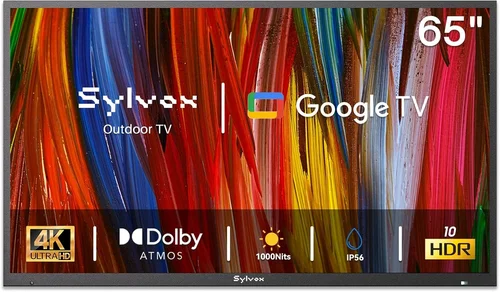
❌ Mistake: Buying a Standard Indoor TV for Outdoor Use
Why it’s bad: Indoor TVs are not designed to handle moisture, temperature extremes, or UV exposure. Even under a covered patio, humidity and condensation can damage internal components, leading to early failure. Additionally, indoor TVs lack the brightness and anti-glare features needed for outdoor visibility.
What to do instead: Always choose a purpose-built outdoor television with proper weatherproofing, high brightness, and durable construction. If budget is a concern, consider a partial weatherproof model or a DIY enclosure, but never use a standard TV directly outdoors.
❌ Mistake: Ignoring Viewing Distance and Screen Size
Why it’s bad: A TV that’s too small will be hard to see from a distance, while one that’s too large can cause eye strain and overwhelm the space. Poor sizing leads to a frustrating viewing experience and wasted investment.
What to do instead: Use the viewing distance formula (distance in inches × 0.84 = ideal screen size) and consider all seating areas. Test different sizes if possible, or consult with a professional installer to determine the best fit for your layout.
❌ Mistake: Overlooking Audio Needs
Why it’s bad: Most outdoor TVs have weak built-in speakers that can’t compete with ambient noise. Relying solely on the TV’s audio results in muffled dialogue and poor sound quality, especially during gatherings.
What to do instead: Invest in a weatherproof sound system, such as outdoor speakers, a soundbar, or wireless Bluetooth speakers. Pair them with your TV for clear, powerful audio that enhances the overall experience.
❌ Mistake: Skimping on the Mounting System
Why it’s bad: A flimsy or non-weatherproof mount can fail over time, especially in windy conditions. Improper installation can also lead to vibration, misalignment, or even the TV falling, posing a safety risk.
What to do instead: Choose a heavy-duty, corrosion-resistant mount designed for outdoor use. Ensure it’s securely anchored to a sturdy wall or ceiling structure, and consider professional installation for peace of mind.
❌ Mistake: Not Checking Warranty and Support
Why it’s bad: Outdoor TVs are a significant investment, and repairs can be expensive. A limited or unclear warranty may leave you paying out of pocket for damage caused by weather or manufacturing defects.
What to do instead: Prioritize brands with comprehensive warranties (2+ years) that cover weather-related damage. Read the fine print and confirm that customer support is responsive and knowledgeable about outdoor installations.
❌ Mistake: Forgetting About Power and Connectivity
Why it’s bad: Running power and HDMI cables outdoors requires proper planning. Exposed wires can be damaged by weather, pests, or foot traffic, leading to connectivity issues or safety hazards.
What to do instead: Use weatherproof conduits and cable management systems. Consider wireless streaming options (like Chromecast or Apple TV) to reduce cable clutter. Consult an electrician to ensure safe and code-compliant wiring.
Budget Guidelines: How Much Should You Spend?
Entry-Level ($1,200 – $2,000): These partial weatherproof TVs are ideal for covered patios with minimal exposure. They offer decent brightness (500–700 nits), basic smart features, and IP54 or IP55 ratings. Examples include the SunBriteTV Veranda Series and Seura Outdoor TV. While not suitable for full outdoor exposure, they provide good value for shaded outdoor kitchens.
Mid-Range ($2,000 – $3,500): This is the sweet spot for most buyers. These TVs offer 700–1,000 nits of brightness, full weatherproofing (IP65), 4K resolution, and robust smart platforms. Models like the Samsung The Terrace and Peerless-AV Xtreme deliver excellent picture quality and durability for year-round use in moderately exposed areas.
Premium ($3,500 – $5,000): Designed for enthusiasts and professionals, these all-season outdoor TVs feature 1,000+ nits brightness, advanced cooling systems, and premium materials. The SunBriteTV Pro Series and LG Outdoor Smart TV fall into this category, offering top-tier performance for fully exposed outdoor kitchens.
Luxury ($5,000+): These are the top-tier models with cutting-edge technology, such as 2,000-nit brightness, Dolby Vision HDR, 120Hz refresh rates, and integrated audio systems. They’re built for luxury outdoor living spaces and come with extended warranties and white-glove installation services. The Samsung The Terrace Premium is a prime example.
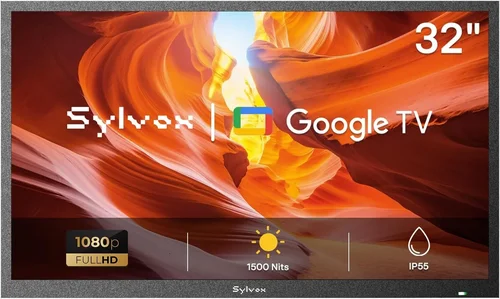
Expert Tips for Getting the Best Deal
- Buy During Off-Season: Outdoor TVs are in highest demand during spring and summer. Shop in late fall or winter for discounts and promotions.
- Compare Retailers: Check prices at specialty outdoor living stores, electronics retailers, and online marketplaces. Some offer bundle deals with mounts or sound systems.
- Look for Refurbished Models: Certified refurbished outdoor TVs from reputable brands can save you 20–30% while offering the same warranty as new units.
- Negotiate Installation: Many retailers offer free or discounted installation with purchase—don’t hesitate to ask.
- Check Return Policies: Ensure the seller allows returns within 30 days in case the TV doesn’t meet your expectations.
- Test Before Buying: If possible, visit a showroom to see the TV in person, especially under bright lighting conditions.
- Consider Extended Warranties: For high-end models, an extended warranty can provide peace of mind against costly repairs.

Frequently Asked Questions
Q: Can I use a regular TV in my outdoor kitchen if it’s covered?
A: While a covered patio offers some protection, standard indoor TVs are not designed for outdoor conditions. Humidity, temperature swings, and dust can still damage internal components over time. For reliable performance, always use a purpose-built outdoor TV or a weatherproof enclosure.
Q: How do I clean my outdoor TV?
A: Use a soft, dry microfiber cloth to wipe the screen and housing. For stubborn smudges, lightly dampen the cloth with water or a screen-safe cleaner. Avoid harsh chemicals or abrasive materials that can scratch the anti-glare coating.
Q: Do outdoor TVs consume more power?
A: Outdoor TVs with high brightness may use slightly more energy than indoor models, but many include energy-saving features like automatic brightness adjustment. Look for ENERGY STAR-certified models for better efficiency.
Q: Can I install an outdoor TV myself?
A: If you’re experienced with electrical work and mounting hardware, DIY installation is possible. However, for safety and optimal performance, we recommend hiring a professional, especially for permanent installations.
Q: What’s the difference between IP55 and IP65?
A: IP55 protects against low-pressure water jets and limited dust, while IP65 offers complete dust protection and resistance to powerful water jets. Choose IP65 for fully exposed areas.
Q: Do outdoor TVs come with remotes?
A: Yes, most include weatherproof remotes. Some models also support smartphone apps or voice control for added convenience.
Q: How long do outdoor TVs last?
A: With proper care, a high-quality outdoor TV can last 7–10 years or more. Regular maintenance and avoiding extreme conditions will extend its lifespan.
Q: Can I use streaming devices with an outdoor TV?
A: Absolutely. Most outdoor TVs have HDMI ports for devices like Roku, Apple TV, or Fire Stick. Some even include built-in streaming platforms.
Our Final Recommendations
Best for Budget-Conscious Buyers: SunBriteTV Veranda Series – Offers excellent value with 700-nit brightness, IP55 rating, and reliable performance for covered outdoor kitchens.
Best Overall Value: Samsung The Terrace – Combines 4K HDR, 1,000+ nits brightness, smart features, and robust weatherproofing at a competitive price.
Best Premium Option: SunBriteTV Pro Series – Built for all-season use with 1,500-nit brightness, advanced cooling, and military-grade durability.
Best for Beginners: Seura Outdoor TV – User-friendly smart platform, easy installation, and strong customer support make it ideal for first-time buyers.
Best for Advanced Users: LG Outdoor Smart TV with AI ThinQ – Features AI-powered picture and sound optimization, Dolby Vision, and seamless smart home integration.
Conclusion: Making the Right Choice
Choosing the best outdoor television for your outdoor kitchen is about balancing performance, durability, and budget. By prioritizing weather resistance, brightness, and build quality, you can enjoy stunning visuals and reliable operation for years to come. Avoid common pitfalls like using indoor TVs or ignoring audio needs, and always consider your specific environment and usage patterns.
Whether you’re hosting game nights, movie evenings, or casual cookouts, the right outdoor TV transforms your space into a true entertainment destination. Take the time to research, compare models, and invest in a solution that matches your lifestyle. With the insights from this guide, you’re well-equipped to make a confident, informed decision. Happy viewing!

