
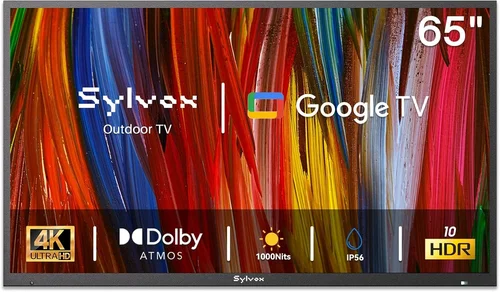
Transforming your gazebo into a year-round entertainment hub is no longer a luxury—it’s a practical reality, thanks to advancements in outdoor television technology. Whether you’re hosting summer barbecues, catching the big game under the stars, or unwinding with a movie night surrounded by nature, an outdoor TV can elevate your outdoor living experience like never before. But unlike indoor TVs, choosing the right one for your gazebo requires careful consideration of environmental challenges, durability, visibility, and performance under real-world conditions.
This comprehensive buying guide is designed to help you navigate the complex world of outdoor televisions with confidence. We’ll walk you through every critical factor—from weather resistance and screen brightness to smart features and installation logistics—so you can make an informed decision that fits your lifestyle, space, and budget. Whether you’re a first-time buyer or upgrading from an older model, this guide equips you with expert insights, real-world comparisons, and actionable tips to ensure you invest in a TV that delivers exceptional performance, longevity, and value.
The outdoor TV market has evolved rapidly over the past decade. Once dominated by bulky, expensive commercial-grade displays, it now offers a range of options tailored to residential use—including sleek, consumer-friendly models that blend style with rugged functionality. From fully sealed, all-weather units to weatherproof enclosures for standard TVs, the choices are vast and often confusing. This guide cuts through the noise, focusing specifically on what matters most when installing a TV in a gazebo: protection from the elements, visibility in daylight, ease of use, and long-term reliability. By the end, you’ll know exactly what to look for, what to avoid, and how to get the best possible deal.

What to Look for When Buying Buying Guide
1. Weather Resistance & IP Rating
When it comes to outdoor TVs, weather resistance isn’t just a feature—it’s a necessity. Unlike indoor models, outdoor televisions must withstand rain, snow, dust, humidity, and extreme temperatures without compromising performance or safety. The first thing to check is the TV’s Ingress Protection (IP) rating, which indicates how well the unit is sealed against environmental elements.
Look for a minimum IP55 rating, which means the TV is protected against low-pressure water jets from any direction and limited dust ingress. For gazebos in areas with heavy rain or snow, an IP65 or higher rating is ideal. This ensures full protection against water jets and complete dust resistance. Some premium models even offer IP66 or IP67 ratings, making them suitable for fully exposed environments.
Beyond the IP rating, consider the internal components. Outdoor TVs should have conformal coating on circuit boards to prevent corrosion from moisture and humidity. They should also feature sealed ports, weatherproof cable glands, and corrosion-resistant materials like aluminum or powder-coated steel in the housing. Avoid models that rely solely on external covers or enclosures unless they’re specifically designed for long-term outdoor use.
2. Screen Brightness & Anti-Glare Technology
One of the biggest challenges with outdoor viewing is screen visibility in daylight. Standard indoor TVs typically have brightness levels around 300–500 nits, which is fine for dimly lit rooms but nearly invisible under direct sunlight. For gazebos—especially those with open sides or large windows—you need a display that can compete with natural light.
Look for outdoor TVs with a minimum brightness of 700 nits, though 1000 nits or higher is ideal for full sun exposure. Some models go as high as 2500 nits, offering exceptional clarity even at noon. This high luminance is achieved through advanced backlighting systems, often using LED or OLED technology with enhanced luminance output.
Equally important is anti-glare and anti-reflective coating. These coatings reduce reflections from the sun, windows, or nearby surfaces, ensuring a clear, vibrant image from multiple viewing angles. Some premium models also feature optically bonded glass, which eliminates the air gap between the screen and the outer glass layer, further reducing glare and improving contrast.
Consider the viewing angle as well. Wide-angle panels (178 degrees or more) allow multiple people to enjoy the screen comfortably from different positions around the gazebo. This is especially useful during social gatherings or family movie nights.
3. Build Quality & Durability
Outdoor TVs are subjected to more stress than their indoor counterparts. Temperature fluctuations, UV exposure, vibration from wind, and accidental impacts all take a toll over time. That’s why build quality is a make-or-break factor.
Start with the chassis. Look for TVs constructed from durable, corrosion-resistant materials such as marine-grade aluminum or powder-coated steel. These materials resist rust and degradation, even in coastal or humid climates. Avoid plastic-heavy designs, which can become brittle under UV exposure.
Internal components should also be designed for longevity. High-quality capacitors, heat-resistant wiring, and robust cooling systems help prevent overheating during summer months. Some models include built-in temperature sensors and automatic cooling fans that activate when internal temps rise, protecting the display and electronics.
Vibration resistance is another often-overlooked factor. Gazebos can sway in the wind, and mounting hardware may loosen over time. A well-built outdoor TV should include reinforced mounting points and shock-absorbing features to maintain stability and prevent internal damage.
Finally, consider the finish. Matte or textured finishes resist fingerprints and smudges better than glossy surfaces, making maintenance easier. They also blend more naturally with outdoor décor.
4. Smart Features & Connectivity
Modern outdoor TVs aren’t just about durability—they’re also packed with smart features that enhance usability and entertainment options. Whether you’re streaming Netflix, connecting a soundbar, or controlling the TV with your voice, connectivity is key.
Look for models with built-in Wi-Fi and support for popular streaming platforms like YouTube, Hulu, Disney+, and Amazon Prime Video. Many outdoor TVs now run on Android TV, webOS, or Roku OS, giving you access to thousands of apps and voice control via Google Assistant or Alexa.
HDMI ports are essential for connecting external devices such as gaming consoles, Blu-ray players, or cable boxes. Aim for at least two HDMI 2.0 or HDMI 2.1 ports to future-proof your setup. USB ports allow for media playback from flash drives or external hard drives, while Ethernet ports provide a stable wired internet connection—ideal for areas with weak Wi-Fi signals.
Bluetooth support is another valuable feature, enabling wireless audio streaming to headphones or outdoor speakers. Some models even include built-in speakers with enhanced audio output, though most users prefer pairing the TV with a dedicated outdoor sound system for better sound quality.
5. Size & Viewing Distance
Choosing the right screen size is crucial for both comfort and visual impact. Too small, and you’ll strain to see details; too large, and it may overwhelm the space or require excessive brightness.
A general rule of thumb is to sit at a distance of 1.5 to 2.5 times the diagonal screen size. For example, a 55-inch TV is best viewed from 6.5 to 11 feet away. In a typical gazebo measuring 10×10 feet, a 50- to 65-inch screen is usually ideal, depending on seating arrangement.
Consider the viewing angle as well. If your gazebo has seating on multiple sides, opt for a wider viewing angle (178 degrees) to maintain image quality from the sides. Curved screens are generally not recommended for outdoor use due to increased glare and limited viewing angles.
Also, think about mounting options. Will the TV be wall-mounted, ceiling-mounted, or placed on a stand? Ensure the chosen size fits comfortably within the available space and doesn’t obstruct movement or sightlines. Some models come with slim bezels for a more modern, immersive look.
6. Power Consumption & Energy Efficiency
Outdoor TVs often run for extended periods—during parties, game days, or evening relaxation—so energy efficiency matters. High brightness and constant operation can lead to significant electricity usage, especially if the TV is left on for hours.
Look for models with Energy Star certification or low power consumption ratings. Many outdoor TVs now feature adaptive brightness sensors that adjust screen luminance based on ambient light, reducing power usage during overcast or nighttime viewing.
OLED and QLED technologies are generally more energy-efficient than traditional LCDs, especially at lower brightness levels. LED backlighting with local dimming also helps reduce power draw by turning off unused sections of the backlight.
Consider the total cost of ownership. A slightly more expensive TV with lower energy consumption may save you money over time, especially if used frequently. Check the manufacturer’s power specifications (usually listed in watts) and compare annual energy costs.
7. Installation & Mounting Requirements
Proper installation is critical for both performance and safety. Outdoor TVs must be securely mounted to withstand wind, vibration, and accidental bumps. Most models are VESA-compatible, meaning they can be mounted using standard wall or ceiling brackets.
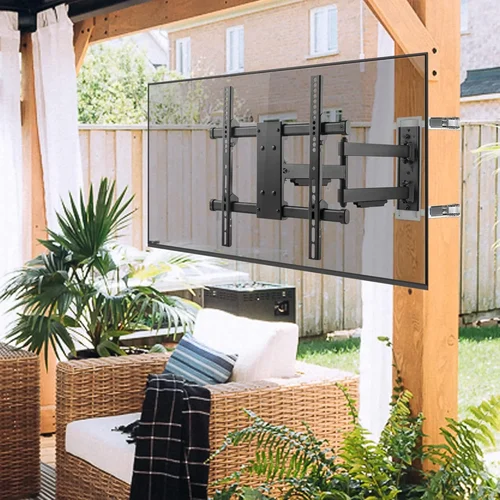
However, outdoor mounting requires additional considerations. Use stainless steel or galvanized hardware to prevent rust. Ensure the mounting surface—whether wood, metal, or concrete—is strong enough to support the TV’s weight. For gazebos with wooden beams, reinforce the area with backing plates or cross-bracing.
Cable management is another challenge. Exposed wires are not only unsightly but also vulnerable to weather damage. Look for TVs with built-in cable channels or consider using weatherproof conduit to protect HDMI, power, and Ethernet cables.
Some manufacturers offer all-in-one mounting kits designed specifically for outdoor use, including tilt and swivel features for optimal viewing angles. These kits often include leveling tools and alignment guides to simplify installation.
8. Warranty & Customer Support
Outdoor TVs are a significant investment, so protecting that investment with a strong warranty is essential. Most reputable brands offer at least a 1- to 2-year limited warranty, but some extend coverage to 3 or even 5 years.
Check what the warranty covers: Does it include parts, labor, and on-site service? Are accidental damages or weather-related failures included? Some manufacturers offer extended warranties for an additional fee, which may be worth considering for high-end models.
Customer support is equally important. Look for brands with responsive service teams, online troubleshooting guides, and local repair centers. Read user reviews to see how quickly issues are resolved and whether replacement parts are readily available.
Avoid brands with vague warranty terms or limited support networks. A TV that breaks down after two years with no service options is a costly disappointment.
Different Types of Buying Guide

Common Buying Mistakes to Avoid
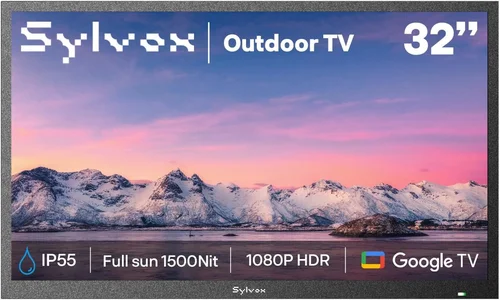
❌ Mistake: Buying an Indoor TV for Outdoor Use
Why it’s bad: Indoor TVs are not designed to handle moisture, temperature swings, or UV exposure. Even in a covered gazebo, condensation, humidity, and wind-driven rain can seep into the electronics, causing corrosion, short circuits, and permanent damage. Additionally, indoor screens are too dim for daylight viewing, resulting in a washed-out, unusable image.
What to do instead: Always choose a TV specifically rated for outdoor use. Look for models with IP55 or higher ratings, weatherproof housings, and high brightness. If budget is a concern, consider a weatherproof enclosure for an indoor TV—but never expose a standard TV directly to the elements.
❌ Mistake: Ignoring Viewing Distance and Screen Size
Why it’s bad: A TV that’s too small forces viewers to squint, while one that’s too large can cause eye strain and dominate the space. Incorrect sizing leads to poor viewing experiences and wasted investment.
What to do instead: Use the 1.5x to 2.5x rule: multiply the screen size (in inches) by 1.5 and 2.5 to determine the ideal viewing distance range. Measure your gazebo’s seating layout and choose a size that fits comfortably within that range. For example, a 60-inch TV is best viewed from 7.5 to 12.5 feet away.
❌ Mistake: Overlooking Power and Connectivity Needs
Why it’s bad: Running long extension cords across the yard is unsafe and unsightly. Poor Wi-Fi signal can cause buffering, and insufficient ports limit device connectivity.
What to do instead: Plan your power source in advance. Consider installing an outdoor-rated GFCI outlet near the TV. Use a Wi-Fi extender or mesh network to boost signal strength. Choose a TV with multiple HDMI, USB, and Ethernet ports to accommodate all your devices.
❌ Mistake: Choosing Based on Price Alone
Why it’s bad: The cheapest option often sacrifices durability, brightness, and features. A low-cost TV may fail within a year, requiring replacement and additional installation costs.
What to do instead: Focus on value, not just price. Consider the total cost of ownership, including energy use, warranty, and expected lifespan. A mid-range outdoor TV with strong build quality and smart features often offers better long-term value than a budget model.
❌ Mistake: Skipping Professional Installation
Why it’s bad: Improper mounting can lead to TV falls, electrical hazards, or water damage. DIY installations may void warranties if not done according to manufacturer guidelines.
What to do instead: Hire a certified installer experienced in outdoor AV setups. They can ensure secure mounting, proper cable management, and compliance with local electrical codes. Many retailers offer installation services or can recommend trusted professionals.
❌ Mistake: Not Testing Before Buying
Why it’s bad: Online specs don’t always reflect real-world performance. A TV may look great in photos but have poor color accuracy, slow response time, or weak audio.
What to do instead: If possible, view the TV in person at a retailer with outdoor display areas. Test brightness, color, and smart features under similar lighting conditions. Read user reviews focusing on real-world performance, not just marketing claims.
❌ Mistake: Forgetting About Audio
Why it’s bad: Most outdoor TVs have underpowered built-in speakers that struggle to overcome ambient noise like wind, birds, or traffic.
What to do instead: Invest in a dedicated outdoor sound system. Weatherproof speakers, soundbars, or wireless Bluetooth speakers can dramatically improve audio quality. Look for systems with wide sound dispersion and weather resistance.
Budget Guidelines: How Much Should You Spend?
Entry-Level ($800 – $1,500): This tier includes basic outdoor TVs and weatherproof enclosures for indoor models. Expect lower brightness (500–700 nits), limited smart features, and shorter warranties. Best for covered gazebos with minimal sun exposure and occasional use. Examples include SunBriteTV’s Veranda series or generic enclosures with mid-range indoor TVs.
Mid-Range ($1,500 – $3,000): The sweet spot for most buyers. These TVs offer 700–1500 nits brightness, full weatherproofing, smart platforms, and solid build quality. Ideal for regular use in partially covered gazebos. Brands like Samsung, LG, and Seura offer reliable options in this range.
Premium ($3,000 – $5,000): For enthusiasts and those seeking top-tier performance. Expect 1500+ nits brightness, OLED or QLED panels, advanced cooling, and extended warranties. These models are built for full sun exposure and year-round use. Perfect for large gazebos or luxury outdoor living spaces.
Luxury ($5,000+): Top-tier commercial-grade displays with 24/7 operation capability, extreme durability, and professional installation support. These are overkill for most residential gazebos but ideal for high-end properties, resorts, or commercial patios.
Expert Tips for Getting the Best Deal
– Buy during off-season: Prices drop significantly in fall and winter when demand is low. Look for end-of-summer sales from August to October.
– Check manufacturer rebates: Brands like Samsung and LG often offer seasonal rebates or bundle deals with sound systems.
– Compare online and in-store: Online retailers may have lower prices, but in-store purchases allow you to see the TV in person and negotiate.
– Read return policies: Ensure the retailer offers at least a 30-day return window in case the TV doesn’t meet expectations.
– Bundle with installation: Some retailers offer discounts when you purchase TV and installation together.
– Consider refurbished models: Certified refurbished outdoor TVs from reputable sellers can save 20–30% with full warranties.
– Join loyalty programs: Retailers like Best Buy or Costco offer member discounts and early access to sales.
– Negotiate: Don’t hesitate to ask for a better price, especially for higher-end models or bundled packages.

Frequently Asked Questions
Q: Can I use a regular TV in my gazebo if it’s covered?
A: Technically, yes—but it’s not recommended. Even covered gazebos can experience high humidity, condensation, and wind-driven rain. Over time, these factors can damage internal components. For long-term reliability, use a TV designed for outdoor use or a weatherproof enclosure.
Q: How do I protect my outdoor TV from theft?
A: Use anti-theft mounting brackets, install security cameras, and consider a TV with a built-in lock slot. Some models also offer remote disabling features via mobile apps.
Q: Do outdoor TVs need special cleaning?
A: Yes. Use a soft, lint-free cloth and mild soap solution. Avoid ammonia-based cleaners, which can damage anti-glare coatings. Clean gently to prevent scratching.
Q: Can I leave my outdoor TV on all the time?
A: Most outdoor TVs are designed for extended use, but continuous operation can reduce lifespan. Use sleep timers or smart plugs to automate power cycles.
Q: What’s the difference between IP55 and IP65?
A: IP55 protects against low-pressure water jets and dust. IP65 offers the same water protection but with complete dust resistance. IP65 is better for dusty or sandy environments.
Q: Do I need a separate sound system?
A: Highly recommended. Built-in speakers are often weak and lack bass. Outdoor soundbars or weatherproof speakers provide richer, louder audio.
Q: Can I mount an outdoor TV on a wooden beam?
A: Yes, but reinforce the area with a backing plate or cross-bracing to distribute weight. Use lag bolts rated for outdoor use.
Q: How long do outdoor TVs last?
A: With proper care, 7–10 years is typical. Higher-end models with better cooling and materials may last even longer.
Q: Are outdoor TVs energy efficient?
A: Many are, especially models with adaptive brightness and Energy Star ratings. OLED and QLED technologies are more efficient than standard LCDs.
Q: Can I use a projector instead of a TV?
A: Projectors can work but require a clear wall or screen, controlled lighting, and are less durable in outdoor conditions. TVs offer better reliability and brightness.
Our Final Recommendations
Best for Budget-Conscious Buyers: SunBriteTV Veranda Series – Offers solid weather resistance, 700 nits brightness, and smart features at a reasonable price. Ideal for covered gazebos.
Best Overall Value: Samsung The Terrace – Combines 1500 nits brightness, QLED color, and robust build quality. Excellent for mixed lighting conditions and regular use.
Best Premium Option: LG Outdoor OLED – Features stunning picture quality, 2000+ nits brightness, and ultra-thin design. Perfect for luxury gazebos with full sun exposure.
Best for Beginners: Seura Shade – Easy to install, reliable performance, and strong customer support. Great for first-time outdoor TV buyers.
Best for Advanced Users: Peerless-AV Xtreme – Commercial-grade durability, 24/7 operation, and customizable mounting. Ideal for tech-savvy users with complex setups.
Conclusion: Making the Right Choice
Choosing the best outdoor television for your gazebo is about more than just picture quality—it’s about creating a reliable, enjoyable, and long-lasting entertainment experience. By prioritizing weather resistance, screen brightness, build quality, and smart features, you can find a TV that stands up to the elements while delivering stunning visuals and seamless connectivity.
Remember to assess your specific needs: How much sun does your gazebo get? How often will you use the TV? What’s your budget? Use this guide to weigh your options, avoid common pitfalls, and make a confident decision. Whether you’re streaming movies under the stars or watching the game with friends, the right outdoor TV will transform your gazebo into the heart of your outdoor living space.
Take your time, do your research, and invest wisely. Your perfect outdoor viewing experience is just a purchase away.

