
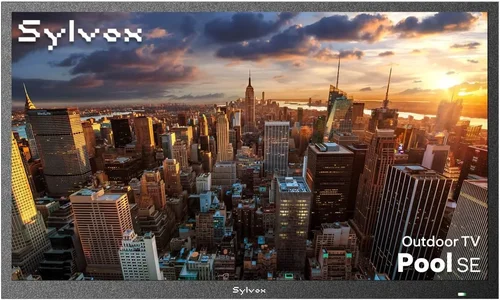
Outdoor sports viewing has evolved dramatically over the past decade. What once meant huddling around a small, weather-beaten TV under a makeshift canopy has transformed into a full-fledged entertainment experience. Whether you’re hosting a tailgate party, watching the big game from your backyard deck, or catching a marathon from your patio, having the right outdoor TV can make all the difference. But not all TVs are built to handle the elements—bright sunlight, humidity, temperature swings, and dust can quickly ruin a standard indoor television. That’s why choosing the best deck TV for outdoor sports watching isn’t just about picture quality; it’s about durability, visibility, and performance in real-world conditions.
This comprehensive buying guide is designed to help you navigate the often-confusing world of outdoor televisions. We’ll walk you through the essential factors to consider, compare different types of outdoor TVs, highlight common pitfalls, and offer expert-backed recommendations tailored to your needs and budget. Whether you’re a casual fan who watches the occasional game or a die-hard sports enthusiast who hosts weekly viewing parties, this guide will equip you with the knowledge to make a smart, informed decision. You’ll learn how to balance cost, performance, and longevity—so your investment lasts season after season.
The market for outdoor TVs has expanded significantly, with options ranging from weather-resistant indoor TVs with protective enclosures to fully sealed, purpose-built outdoor models. Brands like SunBriteTV, Samsung, LG, and Seura have entered the space, offering everything from basic 4K displays to premium models with anti-glare screens and built-in heaters. With so many choices, it’s easy to feel overwhelmed. But by focusing on the right criteria—such as brightness, weatherproofing, and smart features—you can find a TV that delivers crystal-clear action, even under direct sunlight. Let’s dive in and explore what makes an outdoor TV truly great for sports.

What to Look for When Buying Buying Guide
1. Brightness & Screen Visibility
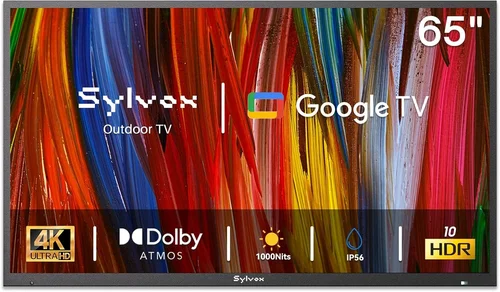
One of the most critical factors when selecting an outdoor TV is screen brightness, measured in nits. Indoor TVs typically range from 300 to 500 nits, which is fine for dimly lit living rooms but completely inadequate for outdoor use. On a sunny deck, glare and ambient light can wash out even the best indoor display. For outdoor sports viewing, you’ll want a TV with a minimum brightness of 700 nits, but ideally 1,000 nits or higher. This ensures that colors remain vibrant and details stay sharp, even during daytime games.
Look for TVs with anti-reflective or anti-glare coatings. These coatings reduce the impact of sunlight reflecting off the screen, improving visibility from various angles. Some premium models also feature optical bonding—a process where the glass is fused directly to the LCD panel—which minimizes air gaps and enhances clarity in bright conditions. For example, SunBriteTV’s Veranda series uses optical bonding and delivers up to 1,000 nits of brightness, making it ideal for decks with partial shade. If your viewing area is fully exposed to sun, consider models with 1,500+ nits, such as the Samsung Terrace, which is specifically engineered for full sun environments.
2. Weather Resistance & IP Rating
Outdoor TVs must withstand rain, snow, dust, and extreme temperatures. Unlike indoor models, they are built with sealed enclosures and weatherproof components. The key metric here is the IP (Ingress Protection) rating, which indicates how well the TV resists dust and water. For outdoor use, look for a minimum IP55 rating—this means the TV is protected against dust and water jets from any direction. Higher-end models may offer IP65 or IP66 ratings, providing even greater protection.
But IP ratings only tell part of the story. You also need to consider the operating temperature range. Most outdoor TVs function between -22°F and 122°F (-30°C to 50°C), which covers most climates. However, if you live in an area with harsh winters or scorching summers, verify the manufacturer’s specifications. Some models include built-in heaters or cooling systems to maintain optimal performance. For instance, the Seura Outdoor TV features a thermal management system that prevents overheating in direct sunlight, ensuring consistent performance during long summer games.
3. Build Quality & Durability
Durability is non-negotiable for outdoor electronics. A deck TV isn’t just exposed to weather—it’s also subject to vibrations from nearby activity, accidental bumps, and even wildlife. Look for TVs with robust metal housings, reinforced mounting systems, and shatter-resistant screens. Aluminum or powder-coated steel frames resist rust and corrosion, especially important in coastal or humid regions.
Pay attention to the quality of internal components. Outdoor TVs often use industrial-grade capacitors and cooling fans designed for continuous operation. Cheaper models may cut corners here, leading to premature failure. For example, the LG Outdoor TV uses a fanless design with passive cooling, reducing the risk of dust buildup and mechanical wear. This not only extends the TV’s lifespan but also keeps noise levels down—important if you’re watching a quiet moment in a game.
4. Picture Quality & Resolution
While brightness and durability are paramount, picture quality still matters—especially for fast-paced sports. Look for 4K UHD resolution (3840 x 2160 pixels), which delivers four times the detail of Full HD. This is essential for seeing player movements, ball trajectories, and facial expressions clearly, even from a distance. HDR (High Dynamic Range) support further enhances contrast and color depth, making highlights pop and shadows more detailed.
Refresh rate is another key spec. A higher refresh rate (120Hz or 240Hz) reduces motion blur during rapid action, such as a quarterback scramble or a soccer sprint. Many outdoor TVs now support HDMI 2.1, enabling 4K at 120Hz—perfect for live sports broadcasts. Additionally, consider local dimming and quantum dot technology (like Samsung’s QLED), which improve color accuracy and brightness uniformity. For example, the Samsung QN90B Neo QLED TV, when used with an outdoor enclosure, offers exceptional color volume and deep blacks, even in daylight.
5. Smart Features & Connectivity
Modern outdoor TVs come with built-in smart platforms, allowing you to stream games directly without external devices. Look for models with Wi-Fi 6, Bluetooth 5.0, and multiple HDMI ports (at least three, preferably with HDMI 2.1). This ensures compatibility with streaming sticks, gaming consoles, soundbars, and cable boxes.
Popular smart platforms include Google TV (found on Sony and TCL models), webOS (LG), and Tizen (Samsung). These platforms offer access to apps like ESPN, YouTube TV, Hulu, and NFL Game Pass—essential for live sports streaming. Voice control via Google Assistant or Alexa is also a plus, letting you change channels or search for games hands-free. Some models even support multi-room audio, so you can sync sound across outdoor speakers.
6. Size & Viewing Distance
Choosing the right screen size depends on your deck layout and typical viewing distance. A general rule of thumb: for every 1 foot of viewing distance, you should have 1 inch of screen size. So, if you’re sitting 8 feet away, a 65-inch TV is ideal. However, outdoor environments often require larger screens due to ambient light and potential glare.
For deck use, 55-inch to 75-inch models are most common. A 55-inch TV works well for smaller patios or covered decks, while a 75-inch model is better for larger spaces or group viewing. Avoid going too small—sports lose their impact on screens under 50 inches. Also, consider the TV’s bezel size; slim bezels provide a more immersive experience and take up less wall space.
7. Mounting & Installation
Proper mounting is crucial for both safety and performance. Outdoor TVs should be installed on sturdy, weather-resistant mounts that can handle wind loads and vibrations. Look for full-motion or tilt mounts that allow you to adjust the angle for optimal viewing, especially if your deck has changing sun patterns throughout the day.
Many outdoor TVs are VESA-compatible, meaning they work with standard wall mounts. However, some brands offer proprietary mounting systems designed specifically for their models. For example, SunBriteTV includes a custom tilt mount with their Veranda series, ensuring a secure fit and easy alignment. Always consult a professional installer if you’re unsure—improper mounting can lead to damage or injury.
8. Warranty & Support
Outdoor electronics are a significant investment, so robust warranty coverage is essential. Most reputable brands offer 2- to 3-year limited warranties that cover defects and weather-related damage. Some, like Seura, provide up to 5 years of coverage. Check whether the warranty includes on-site service or requires you to ship the unit back.
Customer support is equally important. Look for brands with responsive service teams and detailed installation guides. Online resources, such as video tutorials and FAQs, can help troubleshoot common issues. Avoid no-name brands with limited support—repairing an outdoor TV can be costly and time-consuming if parts aren’t readily available.
Different Types of Buying Guide

Common Buying Mistakes to Avoid
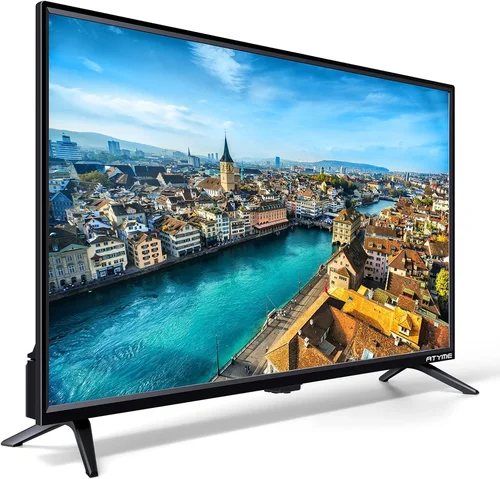
❌ Mistake: Buying a Standard Indoor TV for Outdoor Use
Why it’s bad: Indoor TVs are not designed to handle moisture, temperature extremes, or UV exposure. Even with a cover, they can overheat, suffer screen damage, or short-circuit during rain. The result is frequent repairs or total failure within a year.
What to do instead: Invest in a purpose-built outdoor TV or use a high-quality outdoor enclosure rated for your climate. These solutions are engineered for long-term outdoor performance and come with warranties that cover weather damage.
❌ Mistake: Ignoring Brightness Requirements
Why it’s bad: A dim screen turns exciting sports action into a washed-out blur. If your TV can’t overcome ambient light, you’ll miss crucial plays and struggle to see the ball.
What to do instead: Prioritize brightness—aim for at least 700 nits for shaded areas and 1,000+ nits for full sun. Check real-world reviews to see how the TV performs in daylight conditions.
❌ Mistake: Overlooking Mounting and Ventilation
Why it’s bad: Improper mounting can lead to instability, especially in windy conditions. Poor ventilation causes overheating, which reduces lifespan and performance.
What to do instead: Use a certified outdoor mount and ensure there’s adequate airflow around the TV. Avoid enclosing the unit in tight cabinets unless they’re specifically designed for outdoor use.
❌ Mistake: Choosing the Wrong Size for Your Space
Why it’s bad: A TV that’s too small feels underwhelming, while one that’s too large can overwhelm your deck and create glare issues.
What to do instead: Measure your viewing distance and use the 1:1 rule (1 inch of screen per 1 foot of distance). Consider the deck’s layout and seating arrangement before deciding.
❌ Mistake: Skipping Smart Features
Why it’s bad: Without built-in apps, you’ll need external devices like streaming sticks or cable boxes, which add clutter and potential failure points.
What to do instead: Choose a TV with a reliable smart platform and regular software updates. This ensures access to live sports apps and future-proofs your investment.
❌ Mistake: Neglecting Audio Quality
Why it’s bad: Most outdoor TVs have weak built-in speakers. Without good sound, you’ll miss commentary, crowd noise, and game-day atmosphere.
What to do instead: Pair your TV with weather-resistant outdoor speakers or a soundbar. Look for models with optical audio output or Bluetooth for easy connectivity.
❌ Mistake: Not Checking Warranty Terms
Why it’s bad: Some warranties exclude weather damage or require you to pay for shipping. You could end up footing the bill for repairs.
What to do instead: Read the fine print. Choose brands that offer comprehensive coverage, including on-site service if possible.
Budget Guidelines: How Much Should You Spend?
Entry-Level ($800 – $1,500): This tier includes weather-resistant indoor TVs paired with outdoor enclosures or basic all-weather models. Expect 4K resolution, 500-700 nits brightness, and limited smart features. Ideal for covered decks or occasional use. Example: TCL 5-Series with a Peerless outdoor enclosure.
Mid-Range ($1,500 – $3,000): The sweet spot for most buyers. These TVs offer 700-1,000 nits brightness, IP55 rating, and full smart functionality. They’re built for partial sun and come with better warranties. Example: SunBriteTV Veranda 65-inch.
Premium ($3,000 – $5,000): Designed for full sun and heavy use. Features include 1,500+ nits brightness, optical bonding, thermal management, and premium audio. Perfect for entertaining and long viewing sessions. Example: Samsung Terrace 75-inch.
Luxury ($5,000+): Top-tier models with cutting-edge tech, custom designs, and extended warranties. Often include integrated sound systems, 8K support, and professional installation. Example: Seura Outdoor TV with 5-year warranty.
Expert Tips for Getting the Best Deal
- Buy during off-season: Prices drop significantly in late fall and winter when demand is low. Look for Black Friday or end-of-year sales.
- Compare retailers: Check Amazon, Best Buy, and specialty outdoor electronics stores. Some offer price matching or free installation.
- Bundle with accessories: Some retailers offer discounts when you buy a TV, mount, and soundbar together.
- Check for rebates: Energy-efficient models may qualify for local utility rebates.
- Read user reviews: Look for feedback on brightness, durability, and customer service. Avoid models with consistent complaints.
- Test before you buy: If possible, visit a showroom to see the TV in person. Pay attention to glare and color accuracy.
- Negotiate installation: Many stores offer free or discounted installation with purchase—don’t hesitate to ask.

Frequently Asked Questions
Q: Can I use a regular TV outside if I cover it?
A: While possible, it’s not recommended. Standard TVs lack proper sealing and cooling for outdoor conditions. Even with a cover, moisture and heat can cause damage. A purpose-built outdoor TV or enclosure is a safer, longer-lasting solution.
Q: Do outdoor TVs need special power outlets?
A: Most outdoor TVs use standard 120V outlets, but they should be GFCI-protected for safety. Avoid extension cords; run a dedicated outdoor-rated circuit if needed.
Q: How do I clean an outdoor TV screen?
A: Use a microfiber cloth and a mild cleaner designed for electronics. Avoid ammonia-based products or abrasive materials that can scratch the anti-glare coating.
Q: Can I leave my outdoor TV on all the time?
A: Yes, most outdoor TVs are designed for continuous operation. However, turning it off during storms or extreme weather can extend its life.
Q: Are outdoor TVs worth the extra cost?
A: Absolutely, if you use your deck regularly for entertainment. The durability, brightness, and reliability justify the investment over time.
Q: Do outdoor TVs work in the rain?
A: Yes, models with IP55 or higher ratings are fully protected against rain. Just ensure the mounting area is secure and cables are sealed.
Q: Can I mount an outdoor TV on a pole or post?
A: Yes, but use a heavy-duty, wind-resistant mount. Consult a professional to ensure stability, especially in high-wind areas.
Q: What’s the difference between partial sun and full sun models?
A: Partial sun models (700-1,000 nits) are for shaded or covered areas. Full sun models (1,500+ nits) are for direct sunlight and often include thermal management.
Q: Do outdoor TVs support gaming?
A: Many do, especially those with HDMI 2.1 and high refresh rates. Check specs for low input lag and VRR support if you plan to game outdoors.
Q: How long do outdoor TVs last?
A: With proper care, 7-10 years is typical. Higher-end models with better components may last even longer.
Our Final Recommendations
Best for Budget-Conscious Buyers: TCL 55-inch 5-Series with Peerless outdoor enclosure. Offers 4K, 600 nits brightness, and Roku TV for under $1,200. Great for covered decks.
Best Overall Value: SunBriteTV Veranda 65-inch. Combines 1,000 nits brightness, IP55 rating, and excellent color accuracy. Ideal for most outdoor setups.
Best Premium Option: Samsung Terrace 75-inch. Full sun performance, 1,500 nits, and stunning QLED picture. Perfect for large gatherings.
Best for Beginners: LG 55-inch Outdoor TV. Easy setup, fanless design, and reliable webOS platform. Great first outdoor TV.
Best for Advanced Users: Seura Outdoor TV with thermal management and 5-year warranty. Built for extreme conditions and long-term use.
Conclusion: Making the Right Choice
Choosing the best deck TV for outdoor sports watching is about more than just picking the shiniest screen. It’s about understanding your environment, prioritizing durability and visibility, and investing in a product that will deliver years of reliable performance. From brightness and weather resistance to smart features and mounting options, every detail matters when you’re watching the game under the open sky.
Remember, the right TV enhances the experience—it doesn’t just display it. Whether you’re cheering for your favorite team or hosting a neighborhood watch party, your outdoor TV should be a source of joy, not frustration. Use this guide to compare options, avoid common pitfalls, and find a model that fits your space, budget, and lifestyle.
Don’t rush the decision. Take time to research, read reviews, and consult experts if needed. And when you do make your purchase, enjoy the freedom of watching sports anywhere, anytime—rain or shine. Your deck deserves a TV as bold and enduring as your passion for the game.

