
Outdoor living spaces have evolved far beyond simple patios and grills—today’s decks and pergolas are fully functional extensions of the home, complete with outdoor kitchens, fire pits, sound systems, and yes, even televisions. As more homeowners invest in creating comfortable, weather-resistant entertainment zones, the demand for reliable outdoor TVs has surged. But not all TVs are built to withstand the elements. A standard indoor television left under a pergola may survive a light drizzle, but it won’t endure prolonged exposure to humidity, UV rays, temperature swings, or dust. That’s where a purpose-built outdoor TV comes in.
This guide is designed to help you navigate the specialized world of outdoor deck TVs—specifically those suited for semi-covered spaces like pergolas. Whether you’re watching the big game on a summer evening or catching up on your favorite show during a backyard barbecue, choosing the right TV can make all the difference between a seamless experience and constant frustration. We’ll walk you through every critical factor—from weather resistance and brightness to connectivity and installation—so you can make an informed decision that fits your space, budget, and lifestyle.
The market for outdoor TVs has grown significantly in recent years, with brands like SunBriteTV, Samsung (with its Terrace line), LG, and Seura leading the charge. These aren’t just indoor TVs shoved into weatherproof boxes—they’re engineered from the ground up for outdoor use. However, with prices ranging from under $1,000 to well over $5,000, and features varying widely, it’s easy to overspend or end up with a model that doesn’t meet your needs. By the end of this guide, you’ll understand exactly what to look for, how to avoid common pitfalls, and which models offer the best value for pergola installations.

What to Look for When Buying Buying Guide
1. Weather Resistance & IP Rating
When mounting a TV under a pergola, you’re not dealing with full exposure to rain or snow, but you are still facing significant environmental challenges. Humidity, morning dew, occasional splashes from nearby water features, and even dust can damage internal components over time. That’s why weather resistance is the single most important factor when selecting an outdoor TV.
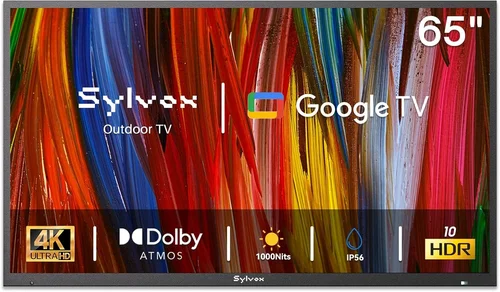
Look for TVs with an official Ingress Protection (IP) rating. The IP code consists of two numbers: the first indicates protection against solid objects (like dust), and the second against liquids. For pergola use, an IP55 rating is the minimum you should consider—this means the TV is protected from limited dust ingress and low-pressure water jets from any direction. Many premium outdoor TVs go further, offering IP56 or even IP65 ratings, which provide better protection against dust and stronger water jets.
But don’t stop at the IP rating. Check whether the TV is specifically designed for outdoor use. These models often feature sealed ports, corrosion-resistant screws, and specialized gaskets that prevent moisture from seeping into the chassis. Some also include built-in heaters or fans to regulate internal temperature, preventing condensation buildup during cold or humid nights.
2. Brightness & Anti-Glare Performance
One of the biggest challenges with outdoor viewing is ambient light. Even under a pergola, sunlight reflecting off nearby surfaces—decks, pools, or light-colored walls—can wash out the screen, making it difficult to see details, especially during daytime viewing. This is why brightness, measured in nits, is crucial.
Indoor TVs typically range from 300 to 600 nits, which is fine for dimly lit living rooms but inadequate outdoors. For pergola installations, aim for a minimum of 700 nits, with 1,000 nits or higher being ideal. Many top-tier outdoor TVs now offer 1,500 to 2,000 nits, ensuring clear visibility even in bright daylight.
Equally important is anti-glare technology. Look for TVs with matte or anti-reflective coatings that diffuse light rather than reflecting it directly into your eyes. Some models also feature optical bonding—a process where the LCD panel is directly bonded to the outer glass, reducing internal reflections and improving contrast in bright conditions.
Additionally, consider the viewing angle. Pergolas often have open sides, meaning viewers may be watching from various angles. TVs with wide viewing angles (178 degrees or more) ensure consistent color and brightness whether you’re seated directly in front or off to the side.
3. Build Quality & Durability
An outdoor TV isn’t just about surviving the weather—it’s about lasting for years without degradation. The build quality of an outdoor TV directly impacts its longevity, especially in environments where temperature swings, UV exposure, and mechanical stress are common.
Start with the materials. High-quality outdoor TVs use powder-coated aluminum or stainless steel enclosures that resist rust and corrosion. Avoid plastic housings, which can become brittle under UV exposure and may crack over time. The mounting hardware should also be stainless steel or similarly corrosion-resistant.
Internal components matter too. Outdoor TVs often include reinforced circuit boards, sealed capacitors, and enhanced cooling systems to handle temperature extremes. Some models even feature passive cooling (no fans) to reduce dust intake and mechanical failure points.
Another durability factor is the screen itself. Tempered glass is standard on most outdoor models, offering protection against scratches and impacts. Some premium TVs go further with Gorilla Glass or similar toughened materials. If your pergola is near a play area or high-traffic zone, this added protection can prevent costly damage.
Finally, consider the overall design. A well-built outdoor TV should feel solid and heavy, not flimsy. Check customer reviews for mentions of long-term reliability—brands that stand behind their products often have fewer reports of premature failure.
4. Size & Viewing Distance
Choosing the right screen size for your pergola setup is about more than just personal preference—it’s about optimizing the viewing experience based on distance, seating arrangement, and available space.
As a general rule, the ideal screen size depends on how far viewers will be seated from the TV. For outdoor spaces, a good starting point is the “1.5 to 2.5 times” rule: multiply your viewing distance (in inches) by 1.5 to 2.5 to get the recommended screen diagonal. For example, if your primary seating is 8 feet (96 inches) away, a 55- to 65-inch TV would be appropriate.
However, pergolas often have multiple seating zones—some closer, some farther. In such cases, consider a larger screen to ensure everyone has a clear view. A 75-inch TV can comfortably serve viewers from 10 to 15 feet away, making it ideal for larger decks or open pergolas.
Don’t forget about mounting space. Measure the area where you plan to install the TV, including clearance for ventilation, cable routing, and remote sensor access. Some outdoor TVs are deeper than indoor models due to weatherproofing, so ensure there’s enough room behind the screen.
Also, consider the aspect ratio and resolution. Most outdoor TVs are 16:9, matching standard HD and 4K content. If you’re investing in a larger screen, prioritize 4K resolution for sharper detail, especially at closer distances. While 8K is available, it’s overkill for most outdoor setups and comes at a steep price premium.
5. Connectivity & Smart Features
Modern outdoor TVs are more than just displays—they’re full-fledged entertainment hubs. Connectivity options determine how easily you can stream content, connect gaming consoles, or integrate with smart home systems.
Start with HDMI ports. At least two HDMI 2.0 or 2.1 inputs are recommended, especially if you plan to connect a streaming device, soundbar, or gaming console. Look for HDMI ARC (Audio Return Channel) support if you’re using an external audio system, as it simplifies wiring by sending audio from the TV to the soundbar over a single cable.
USB ports are useful for playing media files or powering streaming sticks like Roku or Amazon Fire TV. Ethernet ports provide a stable wired internet connection, which is more reliable than Wi-Fi in outdoor environments where signal strength can vary.
For smart functionality, most outdoor TVs run on popular platforms like Android TV, webOS (LG), or Tizen (Samsung). These allow access to Netflix, YouTube, Disney+, and other streaming services directly from the TV. Ensure the interface is responsive and regularly updated—outdated software can lead to compatibility issues and security vulnerabilities.
Voice control is another valuable feature. Integration with Alexa, Google Assistant, or Siri lets you change channels, adjust volume, or search for content hands-free—perfect for outdoor entertaining when your hands might be full.
Finally, consider future-proofing. If you plan to upgrade your home theater or add smart lighting and speakers, choose a TV with HDMI-CEC and compatible smart home protocols to ensure seamless integration.
6. Audio Quality & External Sound Options
While picture quality often takes center stage, audio is just as important for an immersive outdoor experience. Unfortunately, most outdoor TVs have limited built-in speakers due to space and weatherproofing constraints. The sound can be tinny, quiet, or lack bass—especially when competing with ambient noise like wind, traffic, or conversation.
That said, some models do offer surprisingly good audio. Look for TVs with at least 20W of total power output and features like Dolby Audio or DTS:X for richer sound. However, for the best experience, plan to use external speakers or a soundbar.
Outdoor soundbars are specifically designed to project sound over larger areas and resist moisture. Brands like Sonos, Bose, and Polk Audio offer weather-resistant models that pair well with outdoor TVs. Alternatively, you can install in-ceiling or in-wall speakers around your pergola for a clean, distributed audio setup.
When connecting external audio, ensure your TV supports optical audio output, HDMI ARC, or Bluetooth. Bluetooth is convenient for wireless streaming but may introduce latency, which can cause audio-video sync issues during live sports or movies. Wired connections are more reliable for critical viewing.
If you’re building a full outdoor entertainment system, consider a receiver or amplifier that can power multiple speakers and integrate with your TV via HDMI. This gives you greater control over volume, EQ, and source selection.
7. Installation & Mounting Requirements
Even the best outdoor TV won’t perform well if it’s poorly installed. Proper mounting ensures stability, optimal viewing angle, and protection from the elements. For pergola installations, this often means choosing between wall mounts, ceiling mounts, or articulated arms.
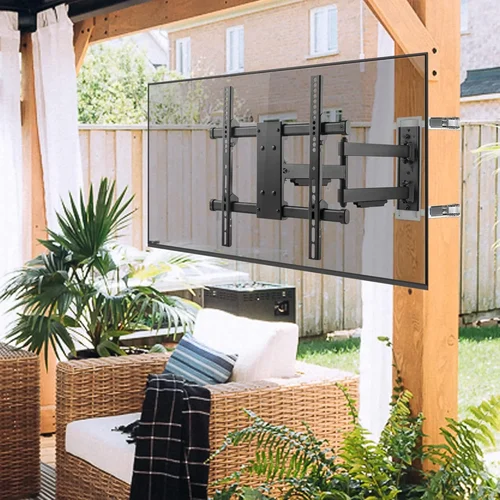
Wall mounts are the most common and cost-effective option. They attach directly to the pergola’s support beam or adjacent wall. Ensure the mounting surface is sturdy enough to support the TV’s weight—typically 30 to 80 pounds for a 55- to 75-inch model. Use a full-motion mount if you want to adjust the tilt or swivel angle for different seating positions.
Ceiling mounts are ideal for pergolas with overhead beams. They allow the TV to hang down at eye level and can be rotated for better viewing. However, they require careful planning to avoid obstructing light or airflow.
Articulated or extendable mounts offer the most flexibility, letting you pull the TV closer or angle it away from glare. These are great for multi-use spaces but come at a higher cost and may require professional installation.
Don’t overlook cable management. Outdoor TVs need power, HDMI, and possibly Ethernet cables routed safely from the TV to indoor outlets. Use weatherproof conduit or raceways to protect wires from moisture and UV damage. Some mounts include built-in cable channels for a cleaner look.
Finally, consider professional installation. While DIY is possible, improper mounting can lead to instability, water intrusion, or even structural damage. Many retailers offer installation services, and it’s often worth the investment for peace of mind.
8. Brand Reputation & Warranty
When investing in an outdoor TV, you’re not just buying a product—you’re trusting a brand to deliver reliability, support, and longevity. Choosing a reputable manufacturer can save you from headaches down the line.
Look for brands with a proven track record in outdoor electronics. SunBriteTV, for example, has been specializing in outdoor displays for over a decade and is widely regarded as the gold standard. Samsung’s Terrace line brings smart TV innovation to outdoor spaces, while Seura offers stylish, mirror-finish TVs that double as decor.
Check customer reviews on trusted sites like Amazon, Best Buy, or Home Depot. Pay attention to long-term feedback—how the TV performs after 6 months or a year. Look for patterns in complaints, such as screen fogging, remote failure, or connectivity issues.
Warranty is another critical factor. Most outdoor TVs come with a 2- to 3-year warranty, which is longer than standard indoor models. Some brands offer extended coverage for commercial use or harsh environments. Read the fine print: does the warranty cover labor, parts, and shipping? Is it voided by improper installation?
Customer support matters too. Can you easily reach a technician? Are replacement parts available? Brands with strong support networks often resolve issues faster and provide better troubleshooting guidance.
Finally, consider resale value. High-end outdoor TVs from reputable brands tend to hold their value better, which can be useful if you upgrade in the future.
Different Types of Buying Guide

Common Buying Mistakes to Avoid
❌ Mistake: Using an Indoor TV Outdoors
Why it’s bad: Indoor TVs lack weatherproofing, corrosion-resistant materials, and proper ventilation for outdoor conditions. Even under a pergola, they can suffer from moisture damage, screen fogging, or component failure within months.
What to do instead: Always choose a TV specifically designed for outdoor use. If budget is tight, consider a weatherproof enclosure, but understand the limitations in brightness and longevity.
❌ Mistake: Ignoring Brightness Requirements
Why it’s bad: A dim screen will be unwatchable in daylight, forcing you to use the TV only at night. This defeats the purpose of an outdoor entertainment space.
What to do instead: Aim for at least 700 nits, with 1,000+ nits preferred. Test the TV in similar lighting conditions if possible, or rely on verified reviews.
❌ Mistake: Overlooking Audio Needs
Why it’s bad: Built-in speakers on outdoor TVs are often weak and lack bass, making dialogue hard to hear over ambient noise.
What to do instead: Plan for external audio from the start. Invest in a weather-resistant soundbar or outdoor speaker system to enhance the experience.
❌ Mistake: Choosing the Wrong Size
Why it’s bad: A TV that’s too small will strain viewers’ eyes, while one that’s too large can overwhelm the space and create glare.
What to do instead: Use the viewing distance formula and measure your space. Consider a 65-inch TV for most pergola setups with 8-10 foot viewing distances.
❌ Mistake: Skimping on Mounting Hardware
Why it’s bad: Cheap mounts may not support the TV’s weight or allow proper ventilation, leading to instability or overheating.
What to do instead: Use a VESA-compatible, weather-resistant mount rated for your TV’s size and weight. Consider professional installation for peace of mind.
❌ Mistake: Not Checking Warranty Coverage
Why it’s bad: Outdoor TVs are expensive, and repairs can be costly. A limited or voided warranty leaves you unprotected.
What to do instead: Read the warranty terms carefully. Choose brands with at least a 2-year warranty and strong customer support.
❌ Mistake: Forgetting About Cable Management
Why it’s bad: Exposed cables can degrade from UV exposure, get damaged by pests, or create tripping hazards.
What to do instead: Use weatherproof conduit or raceways to protect all cables. Route them through the pergola structure when possible.
Budget Guidelines: How Much Should You Spend?
- Entry-Level ($800 – $1,500): These are typically indoor TVs in basic weatherproof enclosures or lower-end semi-outdoor models. Expect limited brightness (500-700 nits), basic smart features, and shorter warranties. Best for light use under solid pergolas with minimal exposure.
- Mid-Range ($1,500 – $3,000): This is the sweet spot for most homeowners. You’ll find purpose-built outdoor TVs with 700-1,200 nits brightness, IP55 ratings, decent smart platforms, and 2-3 year warranties. Models like the SunBriteTV Veranda series or Samsung Terrace offer excellent value.
- Premium ($3,000 – $5,000): For enthusiasts and those with larger pergolas, premium models deliver 1,500+ nits, advanced anti-glare coatings, superior audio, and robust build quality. These are ideal for daytime viewing and multi-zone entertainment.
- Luxury ($5,000+): Top-tier options include commercial-grade displays, ultra-bright screens (2,000+ nits), and custom finishes. These are overkill for most residential pergolas but may suit high-end homes or commercial properties.
Expert Tips for Getting the Best Deal
- Buy during off-season: Outdoor TVs often go on sale in late fall or winter when demand is low. Look for Black Friday, Cyber Monday, or end-of-year clearance events.
- Compare retailers: Prices can vary significantly between Best Buy, Home Depot, Amazon, and specialty outdoor electronics stores. Check for bundle deals that include mounts or installation.
- Consider refurbished models: Many brands offer certified refurbished outdoor TVs with full warranties at 20-30% off. These are often as good as new.
- Read the fine print on warranties: Ensure coverage includes outdoor use and isn’t voided by professional installation.
- Test before you buy: If possible, visit a showroom to see the TV in bright lighting. Check for glare, color accuracy, and remote responsiveness.
- Negotiate installation: Some retailers offer free or discounted installation with purchase. It’s worth asking.
- Check return policies: Ensure you can return the TV if it doesn’t meet expectations, especially for online purchases.

Frequently Asked Questions
Q: Can I use a regular TV under a pergola?
A: Technically yes, but it’s not recommended. Without proper weatherproofing, even light moisture can damage internal components. A purpose-built outdoor TV or a weatherproof enclosure is a safer, longer-lasting solution.
Q: Do outdoor TVs need special power outlets?
A: No, they use standard 120V outlets. However, ensure the outlet is GFCI-protected and located within safe reach of the TV with proper cable management.
Q: How do I clean an outdoor TV screen?
A: Use a microfiber cloth and a mild cleaner designed for electronics. Avoid ammonia-based cleaners or abrasive materials that can scratch the anti-glare coating.
Q: Can I leave my outdoor TV on all the time?
A: Most outdoor TVs are designed for continuous use, but it’s best to turn them off when not in use to extend lifespan and save energy.
Q: Do outdoor TVs come with remotes?
A: Yes, but some remotes are not weather-resistant. Consider using a universal remote or smartphone app for convenience.
Q: What’s the difference between IP55 and IP65?
A: IP55 protects against low-pressure water jets and limited dust. IP65 offers complete dust protection and stronger water resistance, making it better for harsher environments.
Q: Can I mount an outdoor TV on a wooden pergola beam?
A: Yes, as long as the beam is structurally sound and can support the TV’s weight. Use lag bolts rated for outdoor use and consider reinforcing if necessary.
Q: Do outdoor TVs support 4K and HDR?
A: Most modern outdoor TVs support 4K resolution and HDR10 or Dolby Vision, providing excellent picture quality for movies and sports.
Q: How long do outdoor TVs last?
A: With proper care, a quality outdoor TV can last 7-10 years or more. Regular maintenance and avoiding extreme conditions will extend its life.
Q: Can I use a soundbar with an outdoor TV?
A: Absolutely. Many outdoor soundbars are designed to pair with outdoor TVs and provide much better audio than built-in speakers.
Our Final Recommendations
- Best for Budget-Conscious Buyers: SunBriteTV Veranda Series (55-inch) – Offers solid outdoor performance, 700 nits brightness, and a 2-year warranty at a competitive price.
- Best Overall Value: Samsung The Terrace (65-inch) – Combines smart features, 1,500 nits brightness, and sleek design with reliable weather resistance.
- Best Premium Option: SunBriteTV Pro Series (75-inch) – Built for extreme conditions with 2,000 nits, IP65 rating, and commercial-grade durability.
- Best for Beginners: Seura Shade Series (55-inch) – Easy to set up, stylish design, and excellent customer support make it ideal for first-time buyers.
- Best for Advanced Users: LG Outdoor OLED (65-inch) – Features perfect blacks, wide viewing angles, and advanced smart features for tech-savvy homeowners.
Conclusion: Making the Right Choice
Choosing the best deck TV for your pergola is about balancing performance, durability, and budget. While it’s tempting to cut corners, investing in a purpose-built outdoor TV ensures you’ll enjoy crisp, bright visuals and reliable performance for years to come. Remember to prioritize weather resistance, brightness, and proper installation—these factors will make or break your outdoor entertainment experience.
Take the time to assess your space, viewing habits, and long-term needs. Don’t rush the decision. With the insights from this guide, you’re equipped to find a TV that not only survives the elements but enhances your outdoor lifestyle. Whether you’re hosting game nights or enjoying quiet evenings under the stars, the right outdoor TV can transform your pergola into a true outdoor living room.
Now that you know what to look for, it’s time to make your choice. Browse trusted retailers, compare models, and don’t hesitate to reach out to manufacturers with questions. Your perfect outdoor TV is out there—ready to bring your deck to life.

