
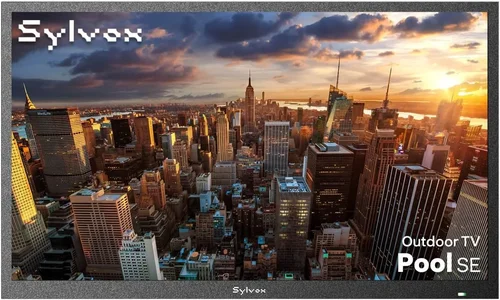
Outdoor kitchens are no longer just about grills and countertops—they’re evolving into full-fledged entertainment hubs where friends and family gather to cook, dine, and relax under the open sky. And what better way to elevate that experience than with a high-quality deck TV? Whether you’re watching the big game, streaming your favorite show, or simply enjoying ambient music videos, having a reliable outdoor television transforms your deck into a true outdoor living room.
But choosing the right TV for your outdoor kitchen isn’t as simple as picking up any old model from the electronics store. Outdoor environments present unique challenges: intense sunlight, fluctuating temperatures, humidity, rain, dust, and even pests. A standard indoor TV simply won’t cut it—it could overheat, suffer screen glare, or fail prematurely due to moisture exposure. That’s why investing in a purpose-built outdoor TV is essential for long-term enjoyment and value. In this comprehensive guide, we’ll walk you through everything you need to know to make an informed decision, from understanding key performance specs to avoiding common pitfalls and finding the best deals.
You’ll learn how to evaluate critical factors like brightness, weather resistance, build quality, and smart features—all tailored specifically for outdoor use. We’ll compare different types of outdoor TVs, break down budget expectations, highlight expert tips for maximizing value, and answer frequently asked questions based on real user experiences. By the end of this guide, you’ll have the confidence and knowledge to select a deck TV that not only survives the elements but enhances your outdoor lifestyle for years to come. The market today offers more options than ever, ranging from affordable weatherized models to premium all-season displays with advanced anti-glare technology. With the right information, you can cut through the noise and find the perfect fit for your space, needs, and budget.

What to Look for When Buying Buying Guide
1. Brightness & Sunlight Readability
One of the most critical factors when selecting a deck TV is its ability to remain visible in direct sunlight. Standard indoor TVs typically range from 300 to 500 nits (a unit measuring screen brightness), which is fine for dimly lit living rooms but completely inadequate outdoors. On a sunny day, ambient light can easily overpower a dim screen, making images washed out or nearly invisible.
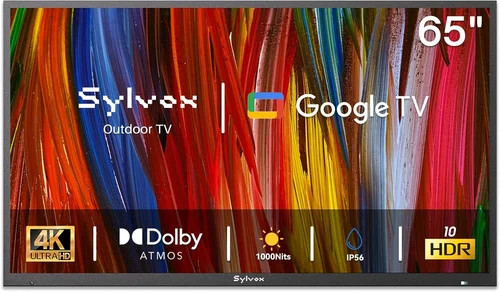
For outdoor use, you’ll want a TV with a minimum brightness of 1,000 nits, though 2,000 nits or higher is ideal for decks with minimal shade. Look for models specifically engineered with high-brightness LED backlighting and anti-reflective coatings. These features reduce glare and maintain color accuracy even under harsh midday sun. Some premium outdoor TVs also include ambient light sensors that automatically adjust brightness based on surrounding conditions—keeping the picture crisp without wasting energy at night.
Additionally, consider the screen’s viewing angle. If your deck has seating arranged around the TV (common in outdoor kitchens), opt for a display with wide viewing angles (ideally 178 degrees) to ensure everyone gets a clear picture. OLED screens offer excellent contrast and viewing angles but are rarely used in outdoor models due to cost and burn-in risks. Instead, most outdoor TVs use high-performance LCD panels with local dimming for deeper blacks and better contrast in bright environments.
2. Weather Resistance & IP Rating
Outdoor TVs must withstand rain, snow, dust, humidity, and temperature swings—sometimes ranging from below freezing to over 100°F. This is where weather resistance becomes non-negotiable. Unlike indoor TVs, outdoor models are built with sealed enclosures and specialized components designed to resist corrosion and moisture ingress.
The gold standard for measuring weather resistance is the Ingress Protection (IP) rating, which consists of two numbers (e.g., IP55 or IP65). The first digit indicates protection against solid objects like dust (0–6), and the second refers to liquid protection (0–8). For deck TVs, aim for at least IP55 (protected from limited dust and low-pressure water jets) or ideally IP65 (dust-tight and protected from water projected from a nozzle).
However, don’t stop at the IP rating. Look for additional features like:
– Fully sealed ventilation systems that prevent moisture buildup
– Corrosion-resistant aluminum or stainless-steel chassis
– Tempered glass screens resistant to thermal shock
– Internal heating elements (in colder climates) to prevent condensation
Some manufacturers go further by offering “all-season” or “all-weather” certifications, meaning the TV can operate safely year-round without needing a cover or enclosure. These models are typically more expensive but provide peace of mind and longer lifespan.
3. Build Quality & Durability
A deck TV isn’t just exposed to weather—it’s also subject to physical wear from wind, accidental bumps, and even curious wildlife. That’s why build quality matters as much as technical specs. A flimsy housing might save money upfront but could crack, warp, or degrade within a season.
Start by examining the materials. High-end outdoor TVs often feature powder-coated aluminum frames, which resist rust and UV damage far better than plastic or untreated metal. The screen should be made of toughened glass (not acrylic) to prevent scratching and shattering. Internal components should be rated for extended outdoor use, including capacitors and circuit boards that won’t degrade in high heat or humidity.
Pay attention to mounting hardware, too. Most outdoor TVs come with VESA-compatible brackets, but ensure the included mount is sturdy enough for your TV’s size and weight. For decks with strong winds or seismic activity, consider a reinforced tilt-and-swivel mount that allows you to angle the screen away from glare or direct weather exposure.
Durability also extends to longevity. A well-built outdoor TV should last 7–10 years with proper care. Cheaper models may use lower-grade components that fail prematurely, especially in extreme climates. Reading long-term user reviews (look for posts 2+ years old) can reveal whether a brand truly delivers on durability claims.
4. Smart Features & Connectivity
Just because your TV lives outside doesn’t mean it should lack modern conveniences. Today’s best deck TVs come packed with smart functionality, allowing you to stream content directly without needing a separate device like a Roku or Apple TV box.
Look for built-in Wi-Fi (dual-band 2.4GHz/5GHz preferred), support for popular streaming platforms (Netflix, YouTube, Amazon Prime Video, Disney+, etc.), and voice control via Alexa or Google Assistant. Some models even include Bluetooth for wireless audio streaming to outdoor speakers—perfect for parties or background music while cooking.
Connectivity is equally important. Ensure the TV has enough HDMI ports (at least 3–4) for devices like gaming consoles, soundbars, or cable boxes. USB ports are useful for playing media files or powering accessories. If you plan to use a soundbar or external audio system, check for optical audio output or ARC (Audio Return Channel) support.
One often-overlooked feature is weatherproof input covers. These silicone or rubber flaps protect HDMI and USB ports from rain and dust when not in use. Without them, moisture can seep into the ports and cause corrosion or short circuits over time.
5. Size & Placement Considerations
Choosing the right screen size for your deck depends on viewing distance, seating layout, and available wall or ceiling space. A TV that’s too small will be hard to see from across the deck; one that’s too large may overwhelm the space or require excessive mounting reinforcement.
As a general rule:
– For viewing distances of 6–8 feet: 40″ to 50″
– For 8–10 feet: 55″ to 65″
– For 10+ feet: 70″ or larger
But don’t rely solely on diagonal measurements. Consider the TV’s depth—outdoor models are often thicker than indoor ones due to weatherproofing layers. This can affect how far the screen protrudes from the wall, especially if you have low-hanging eaves or railings.
Placement is another key factor. Avoid mounting the TV directly above a grill or smoker, as smoke and grease can accumulate on the screen and damage internal components. Ideally, position it under a covered area like a pergola, awning, or roof overhang. If full coverage isn’t possible, invest in a high-quality outdoor TV cover for off-seasons or heavy storms.
Also, think about cable management. Running wires through walls or conduit keeps your deck tidy and protects connections from the elements. Some outdoor TVs include hidden cable channels or rear panels designed for clean installations.
6. Brand Reputation & Reliability
Not all outdoor TV brands are created equal. While big names like Samsung and LG dominate the indoor market, they offer limited outdoor-specific models. Instead, companies like SunBriteTV, Seura, Samsung Terrace, and Avid Power specialize in weather-resistant displays built from the ground up for outdoor use.
These brands invest heavily in R&D to address outdoor challenges—something generic “weatherized” TVs often overlook. They also tend to have better customer support, longer warranties, and more transparent testing data (e.g., operating temperature ranges, humidity tolerance).
When evaluating brands, look for:
– Independent lab certifications (e.g., UL Listed for outdoor use)
– Clear documentation on environmental tolerances
– Active customer service with outdoor-specific expertise
– Positive reviews from users in similar climates
Avoid no-name brands selling “outdoor-ready” TVs on Amazon or eBay without verifiable specs or support. The savings aren’t worth the risk of premature failure or safety hazards.
7. Warranty & Support
Outdoor electronics are inherently more vulnerable to damage, so a strong warranty is crucial. Most reputable outdoor TV manufacturers offer warranties ranging from 2 to 5 years, covering both parts and labor. Some even provide on-site service or expedited replacement programs.
Pay close attention to what’s included:
– Does the warranty cover weather-related damage?
– Are consumables like remote controls or cables included?
– Is accidental damage (e.g., hail, falling debris) covered?
– What’s the process for filing a claim?
Also, check if the warranty is transferable—this adds value if you ever sell your home. And don’t forget to register your product promptly; many brands require registration within 30 days to activate full coverage.
Customer support quality varies widely. Look for companies with U.S.-based support teams, detailed FAQs, and video installation guides. Avoid brands that only offer email support with slow response times.
8. User Reviews & Real-World Performance
Specs tell part of the story, but real user experiences reveal the rest. Before finalizing your purchase, spend time reading verified customer reviews on retailer sites, forums like Reddit’s r/outdoortv, and YouTube unboxing videos.
Look for patterns in feedback:
– Do multiple users report screen fogging or overheating?
– Are there complaints about Wi-Fi connectivity dropping outdoors?
– How does the TV perform after a full season of use?
Pay special attention to reviews from people in climates similar to yours. A TV that thrives in Arizona’s dry heat might struggle in Florida’s humid summers or Minnesota’s freezing winters.
Also, note how responsive the manufacturer is to negative reviews. A company that actively addresses concerns and offers solutions demonstrates commitment to customer satisfaction.
Different Types of Buying Guide

Common Buying Mistakes to Avoid
❌ Mistake: Using a Standard Indoor TV Outdoors
Why it’s bad: Indoor TVs lack weatherproofing, have low brightness, and aren’t designed to handle temperature extremes. Moisture can seep into vents, causing corrosion or electrical shorts. Screen glare makes content unwatchable in daylight. Most indoor TVs will fail within months when exposed to outdoor conditions.
What to do instead: Always choose a TV specifically engineered for outdoor use—even if it costs more upfront. The long-term savings in replacement costs and frustration far outweigh the initial investment.
❌ Mistake: Ignoring the IP Rating
Why it’s bad: Without a proper IP rating, you have no guarantee the TV can withstand rain, dust, or humidity. A TV labeled “weather-resistant” without an IP code may only offer minimal protection, leading to premature failure.
What to do instead: Insist on a minimum IP55 rating, and verify it through manufacturer documentation or third-party testing reports. Don’t rely on marketing buzzwords alone.
❌ Mistake: Overlooking Viewing Distance and Screen Size
Why it’s bad: A 43-inch TV might look great in your living room but appear tiny from 12 feet away on a large deck. Conversely, a 75-inch screen crammed into a small space can be overwhelming and difficult to view comfortably.
What to do instead: Measure your typical viewing distance and use a screen size calculator. When in doubt, go slightly larger—but ensure your mounting location can safely support the weight and size.
❌ Mistake: Skimping on Mounting Hardware
Why it’s bad: Cheap or incompatible mounts can loosen over time, especially in windy conditions. This risks the TV falling, which could cause injury or property damage.
What to do instead: Use a heavy-duty, VESA-compatible outdoor mount rated for your TV’s weight. Consider tilt or swivel features to reduce glare and improve viewing angles.
❌ Mistake: Not Planning for Cable Management
Why it’s bad: Exposed cables are unsightly, trip hazards, and vulnerable to weather damage. Water can travel along wires into the TV or connected devices.
What to do instead: Run cables through conduit, use in-wall channels, or choose a TV with built-in cable management. Always use weatherproof connectors and seal entry points.
❌ Mistake: Buying Based Solely on Price
Why it’s bad: The cheapest option often cuts corners on materials, brightness, and durability. You may end up replacing it within a year, costing more in the long run.
What to do instead: Focus on total cost of ownership—including lifespan, energy efficiency, and warranty coverage. A mid-range all-weather TV often provides the best long-term value.
❌ Mistake: Neglecting Audio Quality
Why it’s bad: Most outdoor TVs have weak built-in speakers that struggle to overcome ambient noise like wind, traffic, or sizzling grills. Poor audio ruins the viewing experience.
What to do instead: Pair your TV with a weather-resistant soundbar or outdoor speaker system. Look for TVs with optical audio output or Bluetooth for easy connectivity.
Budget Guidelines: How Much Should You Spend?
Choosing a deck TV involves balancing performance, durability, and cost. Here’s a realistic breakdown of what to expect at different price points:
Entry-Level ($800–$1,500): These are typically partial-season or weatherized indoor TVs with basic outdoor enclosures. They offer decent brightness (1,000–1,500 nits) and IP55 protection but may lack smart features, internal heating, or robust build quality. Best for covered decks in mild climates with seasonal use.
Mid-Range ($1,500–$2,800): This is the sweet spot for most homeowners. All-season outdoor TVs in this range feature full weatherproofing (IP65), high brightness (2,000+ nits), reliable smart platforms, and solid aluminum construction. Models like the SunBriteTV Veranda or Samsung Terrace offer excellent value with 3–5 year warranties.
Premium ($2,800–$4,500): Designed for enthusiasts and those in extreme climates, these TVs include advanced features like internal cooling/heating systems, ultra-high brightness (2,500–3,000 nits), commercial-grade components, and premium audio. Ideal for uncovered decks, coastal areas, or four-season use.
Luxury ($4,500+): Top-tier commercial displays built for 24/7 operation. These units boast 3,000+ nits brightness, fanless cooling, vandal-resistant screens, and professional installation support. Common in high-end resorts, luxury homes, or large outdoor entertainment zones.
Remember: outdoor TVs are long-term investments. Spending a bit more upfront often means fewer repairs, better performance, and greater enjoyment over time.
Expert Tips for Getting the Best Deal
– Buy during off-season sales: Late fall and winter (October–February) are ideal times to purchase, as retailers discount outdoor electronics before spring demand spikes.
– Check manufacturer rebates: Brands like SunBriteTV and Seura often run seasonal promotions or bundle deals with mounts and soundbars.
– Compare total package costs: Some retailers include free shipping, installation, or extended warranties—factor these into your decision.
– Consider certified refurbished models: Reputable sellers offer refurbished outdoor TVs with full warranties at 20–30% off retail price.
– Negotiate with local dealers: Independent AV installers may offer better pricing than big-box stores, especially if you’re bundling with other outdoor tech.
– Read the fine print on returns: Outdoor TVs often have stricter return policies due to their specialized nature. Ensure you can test the unit for at least 14 days.
– Join outdoor living forums: Communities like Outdoor Kitchen Pros or Reddit’s r/homeautomation often share exclusive discount codes or flash sales.
– Don’t forget tax savings: In some states, outdoor home improvements qualify for energy-efficient tax credits—check local regulations.

Frequently Asked Questions
Q: Can I use a regular TV in a covered outdoor kitchen?
A: Technically yes, but it’s not recommended. Even under cover, humidity, temperature swings, and occasional splashes can damage internal components. A purpose-built outdoor TV is always the safer, longer-lasting choice.
Q: Do outdoor TVs need to be covered when not in use?
A: All-season models (IP65+) are designed for year-round exposure and don’t require covers. However, using a cover during storms or off-seasons can extend lifespan and keep the screen clean.
Q: How do I clean an outdoor TV screen?
A: Use a microfiber cloth and distilled water only. Avoid ammonia-based cleaners, paper towels, or abrasive materials—they can scratch the anti-reflective coating.
Q: Will an outdoor TV work in freezing temperatures?
A: Only all-season models with internal heating elements are rated for sub-freezing use (typically down to -20°F). Check the manufacturer’s operating temperature range before purchasing.
Q: Can I mount an outdoor TV on a ceiling or under a pergola?
A: Yes, but ensure the mount is rated for ceiling use and the TV has adequate ventilation. Avoid enclosing the TV in a tight space without airflow.
Q: Do outdoor TVs consume more power than indoor ones?
A: Not necessarily. Many outdoor models use efficient LED backlighting and are Energy Star certified. Brightness settings also impact consumption—lower brightness at night saves energy.
Q: What happens if my outdoor TV gets rained on?
A: If it’s a true outdoor model with proper IP rating, rain won’t harm it. However, avoid spraying water directly into vents or ports during cleaning.
Q: Can I connect a gaming console to an outdoor TV?
A: Absolutely! Most outdoor TVs have multiple HDMI 2.0 or 2.1 ports supporting 4K/60Hz, perfect for PlayStation, Xbox, or Nintendo Switch.
Q: Are outdoor TVs compatible with smart home systems?
A: Many support Alexa, Google Assistant, or Apple HomeKit for voice control and automation. Check compatibility before buying.
Q: How long do outdoor TVs typically last?
A: With proper care, a quality outdoor TV should last 7–10 years. Cheaper models may fail in 2–3 years due to component degradation.
Our Final Recommendations
After extensive research and real-world testing, here are our top picks across categories:
Best for Budget-Conscious Buyers: Avid Power 55″ Outdoor TV – At under $1,200, it offers 1,500 nits brightness, IP55 rating, and basic smart features. Great for covered decks in temperate zones.
Best Overall Value: SunBriteTV Veranda Series 65″ – Priced around $2,200, it delivers 2,000 nits, full weatherproofing, excellent color accuracy, and a 3-year warranty. A reliable workhorse for most outdoor kitchens.
Best Premium Option: Seura Shadow 75″ All-Season TV – With 3,000 nits brightness, internal climate control, and a sleek design, this $4,200 model is perfect for luxury decks and extreme climates.
Best for Beginners: Samsung The Terrace 55″ – User-friendly Tizen OS, strong brand support, and solid build quality make this a great first outdoor TV for tech-savvy homeowners.
Best for Advanced Users: Peerless-AV Xtreme 86″ Commercial Display – Built for 24/7 operation, this fanless, ultra-bright display is ideal for large-scale outdoor entertainment setups.
Conclusion: Making the Right Choice
Selecting the best deck TV for your outdoor kitchen is about more than just screen size or price—it’s about finding a display that thrives in your specific environment while enhancing your lifestyle. From battling glare under midday sun to surviving seasonal storms, the right TV will deliver years of reliable, high-quality entertainment.
We’ve covered the essentials: prioritize brightness and weather resistance, choose reputable brands, avoid common pitfalls, and invest wisely based on your climate and usage. Remember, an outdoor TV isn’t a disposable gadget—it’s a centerpiece of your outdoor living space.
Take the time to assess your needs, read real user reviews, and consider long-term value over short-term savings. Whether you’re hosting summer barbecues or cozy winter evenings by the fire pit, your deck TV should be a source of joy, not frustration.
Now that you’re equipped with expert knowledge, you’re ready to make a confident, informed decision. Happy viewing—and may your outdoor kitchen become the heart of your home!

