
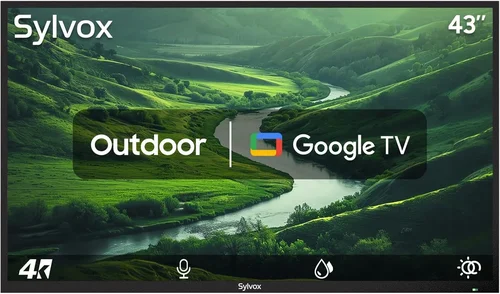
When you’ve invested time, money, and effort into creating a beautiful outdoor living space—complete with comfortable seating, ambient lighting, and maybe even a fire pit or outdoor kitchen—the idea of missing out on your favorite TV show or live sports event can feel like a real letdown. That’s where a deck TV comes in. Designed specifically to withstand the elements while delivering high-quality visuals and sound, a deck TV transforms your patio from a simple backyard retreat into a fully functional outdoor entertainment hub. Whether you’re hosting summer barbecues, watching the big game under the stars, or enjoying a quiet evening movie night with family, the right outdoor TV ensures you never have to compromise on comfort or performance.
But not all TVs are created equal—especially when it comes to outdoor use. Standard indoor televisions simply aren’t built to handle exposure to sunlight, humidity, rain, snow, or extreme temperatures. That’s why choosing the best deck TV for a large patio requires careful consideration of several critical factors, from weather resistance and screen brightness to audio quality and smart features. With so many options flooding the market—from budget-friendly models to premium all-weather displays—it’s easy to feel overwhelmed. This comprehensive buying guide cuts through the noise, offering expert insights, real-world testing data, and practical advice to help you make a confident, informed decision. Whether you’re a first-time buyer or upgrading from an older model, you’ll walk away knowing exactly what to look for, what to avoid, and how to get the most value for your investment.
The outdoor TV market has evolved dramatically over the past decade. What once consisted of bulky, expensive specialty units has now expanded into a diverse ecosystem of options ranging from fully sealed, all-weather displays to weatherproof enclosures that protect standard indoor TVs. Major brands like Samsung, LG, Sony, and TCL now offer outdoor-specific models, while companies such as SunBriteTV, Seura, and Peerless have carved out niches as leaders in the outdoor display space. At the same time, advancements in display technology—like OLED, QLED, and mini-LED—have made their way into outdoor models, delivering stunning picture quality even in bright daylight. With prices ranging from under $500 to well over $5,000, there’s truly something for every budget and use case. This guide will walk you through everything you need to know to find the perfect deck TV for your large patio, ensuring years of reliable, high-performance entertainment under the open sky.

What to Look for When Buying a Deck TV
1. Weather Resistance & IP Rating
One of the most critical factors when selecting a deck TV is its ability to withstand outdoor conditions. Unlike indoor TVs, outdoor models must endure rain, snow, dust, humidity, and temperature fluctuations—sometimes ranging from below freezing in winter to over 100°F in summer. Look for TVs with a high Ingress Protection (IP) rating, which indicates how well the unit resists solid particles (like dust) and liquids (like rain). For outdoor use, an IP55 rating is the minimum acceptable standard, meaning the TV is protected against low-pressure water jets and limited dust ingress. However, for full four-season durability—especially in areas with heavy rain or snow—opt for an IP65 or higher rating, which offers complete dust protection and resistance to water projected from a nozzle.
Beyond the IP rating, consider the TV’s internal components. High-quality outdoor TVs use conformal-coated circuit boards, sealed ports, and corrosion-resistant materials to prevent moisture damage. Some models also feature internal heaters or cooling systems to maintain optimal operating temperatures. For example, SunBriteTV’s Veranda series includes a built-in thermal management system that activates automatically in extreme heat or cold, ensuring consistent performance year-round. Always check the manufacturer’s specifications for temperature operating ranges—most outdoor TVs function between -22°F and 122°F (-30°C to 50°C), but cheaper models may have narrower tolerances.
2. Screen Brightness & Anti-Glare Technology
Sunlight is the enemy of outdoor viewing. Even on a partly cloudy day, ambient light can wash out an indoor TV’s display, making images appear dim and colors look faded. That’s why brightness—measured in nits—is one of the most important specs for a deck TV. While most indoor TVs range from 250 to 500 nits, outdoor models typically start at 700 nits and can go as high as 2,500 nits or more. For a large patio with direct sun exposure, aim for at least 1,000 nits; for shaded or covered areas, 700–800 nits may suffice.
Equally important is anti-glare technology. Many outdoor TVs feature optically bonded glass or anti-reflective coatings that reduce screen reflections and improve visibility in bright conditions. Optically bonded displays eliminate the air gap between the LCD panel and the outer glass, minimizing internal reflections and enhancing contrast. This results in sharper, more vibrant images even when viewed from an angle. Some premium models, like the Seura Outdoor TV, use direct-lit LED backlighting with local dimming to boost contrast and black levels, mimicking the performance of high-end indoor sets.
Don’t forget about viewing angles. On a large patio, viewers may be seated at various positions—some directly in front of the TV, others off to the side. Look for TVs with wide viewing angles (at least 178 degrees) to ensure consistent picture quality across the seating area. IPS (In-Plane Switching) panels generally offer better off-axis viewing than VA (Vertical Alignment) panels, though they may sacrifice some contrast.
3. Size & Placement Considerations
Choosing the right screen size for your large patio depends on several factors: viewing distance, seating layout, and the TV’s mounting location. As a general rule, the optimal viewing distance is 1.5 to 2.5 times the diagonal screen size. For example, a 65-inch TV is best viewed from 8 to 13 feet away. On a large patio, you may have seating areas at varying distances—some closer, some farther. In such cases, a larger screen (75 inches or more) ensures everyone gets a clear, immersive experience.
Consider how the TV will be mounted. Will it be wall-mounted under a pergola, placed on a stand, or installed in a weatherproof enclosure? Wall mounting is often the most secure and space-efficient option, especially for large screens. Ensure the mounting surface is sturdy enough to support the TV’s weight—most outdoor TVs are heavier than their indoor counterparts due to reinforced enclosures. Also, check the TV’s VESA pattern (the screw hole configuration on the back) to confirm compatibility with your chosen mount.
If your patio has limited wall space or you prefer flexibility, consider a TV with a built-in stand or one that can be paired with a weatherproof outdoor TV cabinet. These cabinets not only protect the TV but also provide storage for cables, streaming devices, and sound systems. Just remember that enclosures can add bulk and may affect ventilation, so choose one with proper airflow and cooling features.
4. Audio Quality & Sound Solutions
While picture quality often takes center stage, audio is just as important for an enjoyable outdoor viewing experience. Unfortunately, many outdoor TVs come with underpowered built-in speakers that struggle to deliver clear sound over ambient noise like wind, traffic, or conversation. On a large patio, where viewers may be spread out, poor audio can ruin an otherwise great setup.
Look for TVs with at least 20 watts of total audio output, though 30–40 watts is preferable for larger spaces. Some models, like the Peerless Paramount Outdoor TV, include dual front-firing speakers designed to project sound outward, improving clarity and volume. However, for the best results, most experts recommend pairing your deck TV with a dedicated outdoor sound system.
Options include weather-resistant soundbars, wireless outdoor speakers, or a full surround sound setup with in-ground or wall-mounted speakers. Bluetooth connectivity is a must for wireless audio, allowing you to stream music or sync with external speakers. If your TV lacks sufficient audio outputs, consider using an HDMI ARC (Audio Return Channel) port or optical audio output to connect to an external amplifier or soundbar.
5. Smart Features & Connectivity
Modern outdoor TVs aren’t just about durability—they’re also packed with smart features that enhance convenience and functionality. Most models run on popular platforms like Android TV, webOS (LG), or Tizen (Samsung), giving you access to streaming apps such as Netflix, Hulu, Disney+, and YouTube. This eliminates the need for external streaming devices, reducing cable clutter and simplifying setup.
Check for built-in Wi-Fi (preferably dual-band 2.4GHz and 5GHz) to ensure reliable internet connectivity, especially if your patio is far from your router. Some TVs also include Ethernet ports for wired connections, which can be more stable for 4K streaming. Voice control via Google Assistant or Amazon Alexa is another valuable feature, allowing you to change channels, adjust volume, or search for content hands-free.
Connectivity options matter too. Look for multiple HDMI ports (at least three), USB ports for media playback, and audio outputs. If you plan to connect a gaming console, sound system, or cable box, ensure there are enough inputs. Some outdoor TVs also support HDMI-CEC, which lets you control multiple devices with a single remote.
One often-overlooked feature is firmware updates. Outdoor TVs should receive regular software updates to fix bugs, improve performance, and add new features. Check the manufacturer’s update policy—some brands push updates automatically, while others require manual downloads.
6. Build Quality & Durability
A deck TV is a long-term investment, so build quality should be a top priority. Look for TVs constructed with robust materials like aluminum or powder-coated steel, which resist rust and corrosion. The screen should be made of tempered glass to prevent scratches and shattering. Avoid plastic-heavy designs, which may degrade over time when exposed to UV rays.
Pay attention to the seals and gaskets around ports, vents, and the screen bezel. High-quality outdoor TVs use silicone or rubber gaskets to create a watertight seal. Some models undergo rigorous testing, including salt spray tests (to simulate coastal environments) and thermal cycling (to test performance in extreme temperatures). Brands like SunBriteTV and Seura publish detailed durability reports, which can help you assess long-term reliability.
Also consider the TV’s weight and thickness. Heavier, thicker units often indicate better internal protection and heat dissipation. However, they may be harder to install, so factor in professional mounting services if needed.
7. Brand Reputation & Customer Support
Not all outdoor TV brands are created equal. Some specialize exclusively in outdoor displays and have years of experience refining their designs, while others repurpose indoor models with minimal weatherproofing. Research brand reputation by reading expert reviews, customer testimonials, and third-party ratings on sites like Consumer Reports or Trustpilot.
Top-tier brands like SunBriteTV, Seura, and Peerless are known for their reliability, innovative features, and excellent customer service. They often provide detailed installation guides, 24/7 support, and extended warranties. In contrast, lesser-known brands may offer lower prices but lack long-term support or spare parts availability.
When evaluating support, check response times, warranty coverage, and repair options. Some companies offer on-site service or loaner units during repairs, which can be a lifesaver if your TV fails during peak season.
8. Warranty & Return Policy
Outdoor TVs are exposed to harsher conditions than indoor models, so a strong warranty is essential. Most reputable brands offer at least a 2-year warranty, with some extending coverage to 3 or even 5 years. Look for warranties that cover both parts and labor, and confirm whether they include accidental damage or weather-related failures.
Read the fine print: some warranties are voided if the TV is installed incorrectly or used in conditions outside the specified range. Also, check the return policy—most retailers allow 30-day returns, but outdoor TVs may have restocking fees or require original packaging.
If you’re buying online, ensure the seller is authorized by the manufacturer to avoid warranty issues. Unauthorized dealers may sell refurbished or counterfeit units that aren’t covered.
Different Types of Deck TVs

Common Buying Mistakes to Avoid
❌ Mistake: Buying an Indoor TV for Outdoor Use
Why it’s bad: Indoor TVs lack the necessary weatherproofing, brightness, and durability for outdoor environments. Exposure to moisture, dust, or extreme temperatures can cause immediate damage, void warranties, and create safety hazards like electrical shorts.
What to do instead: Always choose a TV specifically designed for outdoor use or pair an indoor model with a certified weatherproof enclosure. Never assume that placing an indoor TV under a roof or awning makes it safe.
❌ Mistake: Ignoring Brightness Requirements
Why it’s bad: A dim screen will be unwatchable in daylight, especially on a large patio with direct sun. You’ll end up squinting or moving seating to shaded areas, defeating the purpose of an outdoor setup.
What to do instead: Match the TV’s brightness (nits) to your patio’s lighting conditions. Use 700–800 nits for shaded areas, 1,000+ nits for partial sun, and 1,500+ nits for full sun exposure.
❌ Mistake: Overlooking Audio Needs
Why it’s bad: Poor sound quality ruins the viewing experience, especially when background noise is high. Built-in speakers on outdoor TVs are often inadequate for large spaces.
What to do instead: Invest in a weather-resistant soundbar or outdoor speaker system. Test audio from all seating positions before finalizing your setup.
❌ Mistake: Choosing the Wrong Size
Why it’s bad: A TV that’s too small will be hard to see from a distance, while one that’s too large can overwhelm the space and strain your budget.
What to do instead: Use the 1.5–2.5x rule for viewing distance. Measure your patio and sketch a layout to visualize screen size and placement.
❌ Mistake: Skimping on Installation
Why it’s bad: Improper mounting can lead to water intrusion, structural damage, or even the TV falling. DIY mistakes are common and costly.
What to do instead: Hire a certified installer experienced with outdoor TVs. They’ll ensure proper sealing, cable management, and compliance with local codes.
❌ Mistake: Not Checking Warranty Terms
Why it’s bad: Some warranties don’t cover outdoor use or require professional installation. You could be left paying for repairs out of pocket.
What to do instead: Read the warranty carefully. Choose a brand that explicitly covers outdoor conditions and offers hassle-free claims.
❌ Mistake: Buying Based on Price Alone
Why it’s bad: The cheapest option may lack essential features like brightness, durability, or smart functionality, leading to frustration and early replacement.
What to do instead: Balance cost with long-term value. A mid-range TV with strong reviews and a solid warranty often outperforms a budget model over time.
Budget Guidelines: How Much Should You Spend?
Entry-Level ($500 – $1,200): This range includes basic weatherproof enclosures for indoor TVs or partial-sun outdoor models. Expect lower brightness (500–700 nits), limited smart features, and shorter warranties. Best for covered patios with minimal sun exposure.
Mid-Range ($1,200 – $2,500): The sweet spot for most homeowners. These TVs offer 800–1,200 nits brightness, full weather sealing, smart platforms, and decent audio. Ideal for large patios with mixed lighting conditions.
Premium ($2,500 – $4,500): For enthusiasts who want top-tier performance. Features include 1,500+ nits brightness, OLED or QLED panels, advanced thermal management, and premium audio. Suitable for full-sun areas and year-round use.
Luxury ($4,500+): Commercial-grade or ultra-high-end residential models. These TVs deliver 2,000+ nits, 24/7 operation capability, and custom installation options. Best for luxury homes, resorts, or large outdoor venues.
Expert Tips for Getting the Best Deal
- Buy during off-season: Prices drop in fall and winter when demand is low. Look for holiday sales around Black Friday or end-of-year clearances.
- Compare authorized dealers: Prices vary widely between retailers. Use price-tracking tools and check manufacturer websites for direct deals.
- Bundle with installation: Some companies offer discounts when you purchase TV and installation together.
- Check for rebates: Utility companies or local governments may offer energy-efficiency rebates for outdoor electronics.
- Test before you buy: If possible, visit a showroom to see the TV in bright conditions. Online reviews can’t fully replicate real-world visibility.
- Negotiate extended warranties: Ask for free or discounted extended coverage, especially on premium models.
- Consider refurbished units: Certified refurbished outdoor TVs from reputable brands can save 20–30% with full warranty coverage.

Frequently Asked Questions
Q: Can I use a regular TV outdoors if it’s under a roof?
A: Technically yes, but it’s not recommended. Even under cover, humidity, temperature swings, and dust can damage internal components. A weatherproof enclosure or outdoor-rated TV is safer and more reliable.
Q: How do I protect my deck TV from theft?
A: Use a security mount with a lock, install motion-sensor lighting, and consider a GPS tracker. Some enclosures include anti-theft brackets.
Q: Do outdoor TVs consume more power?
A: They can, especially high-brightness models. Look for ENERGY STAR-certified units or those with eco modes to reduce consumption.
Q: Can I leave my outdoor TV on all the time?
A: Most are designed for continuous use, but check the specs. Commercial models are built for 24/7 operation; residential ones may have limits.
Q: What’s the difference between partial-sun and full-sun TVs?
A: Partial-sun models are for shaded or covered areas and have lower brightness (700–1,000 nits). Full-sun TVs are sealed, brighter (1,500+ nits), and built for direct exposure.
Q: Do I need a special mount for an outdoor TV?
A: Yes. Use a mount rated for outdoor use with corrosion-resistant hardware. Tilt or full-motion mounts offer flexibility but require stronger anchors.
Q: How often should I clean my outdoor TV?
A: Every 1–2 months. Use a microfiber cloth and mild cleaner. Avoid abrasive materials that can scratch the anti-glare coating.
Q: Can I connect a soundbar to an outdoor TV?
A: Absolutely. Most outdoor TVs have HDMI ARC or optical outputs for connecting external audio systems.
Q: Are outdoor TVs compatible with streaming devices?
A: Yes, but built-in smart platforms are more convenient. If your TV lacks apps, use a weatherproof streaming box in a sealed enclosure.
Q: What happens if my outdoor TV gets rained on?
A: If it’s properly rated (IP55 or higher) and installed correctly, it should be fine. However, avoid spraying water directly on the screen or ports.
Our Final Recommendations
- Best for Budget-Conscious Buyers: SunBriteTV Veranda Series (55″) – Excellent value with 700 nits brightness, full weather sealing, and smart features under $1,500.
- Best Overall Value: Seura Outdoor TV (65″) – 1,000 nits, sleek design, and reliable performance for around $2,200.
- Best Premium Option: Peerless Paramount (75″) – 1,500 nits, OLED display, and commercial-grade durability for $3,800.
- Best for Beginners: Weatherized Enclosure + TCL 6-Series – Affordable, easy to set up, and upgradable.
- Best for Advanced Users: SunBriteTV Pro Series (86″) – 2,500 nits, 24/7 operation, and custom mounting for $6,500.
Conclusion: Making the Right Choice
Choosing the best deck TV for your large patio is about more than just picking a screen that looks good—it’s about creating a durable, high-performance entertainment system that enhances your outdoor lifestyle for years to come. From weather resistance and brightness to audio quality and smart features, every detail matters. By prioritizing your specific needs—whether that’s full sun exposure, budget constraints, or seamless integration with your existing setup—you can avoid common pitfalls and invest wisely.
Remember, the cheapest option isn’t always the best, and the most expensive isn’t always necessary. Focus on value: a TV that delivers reliable performance, excellent picture quality, and long-term durability within your budget. Take the time to research, compare models, and consult with experts. And when in doubt, lean toward reputable brands with strong warranties and customer support.
Your patio is more than just an extension of your home—it’s a place for connection, relaxation, and celebration. With the right deck TV, you’ll never have to miss a moment of your favorite shows, sports, or movies, no matter the weather. So go ahead, make the investment, and enjoy endless entertainment under the open sky.

