
If you’ve ever tried watching a movie or your favorite sports team under the stars during a crisp autumn evening or a snowy winter night, you know how magical the experience can be—until your TV starts glitching, freezing, or worse, shutting down entirely because it wasn’t built for cold weather. That’s where a cold-weather backyard TV comes in. These aren’t your average living room TVs slapped on a patio mount. They’re purpose-built for outdoor use, engineered to withstand temperature extremes, moisture, UV rays, and even snow and ice. Whether you’re setting up a cozy fire pit lounge, a full outdoor entertainment zone, or just want to enjoy the game while grilling in January, choosing the right TV for cold climates is essential.
This comprehensive buying guide is designed to help you navigate the often-confusing world of outdoor TVs, especially those built to perform reliably in freezing temperatures. You’ll learn what features matter most, how to avoid common pitfalls, and how to get the best value for your investment. We’ll break down the key factors—from temperature tolerance and build quality to smart features and warranty coverage—so you can make an informed decision. The market has evolved significantly in recent years, with more brands offering all-season outdoor models, but not all are created equal. Some claim to be “weatherproof” but fail below 40°F (4°C), while others are truly built for sub-zero performance. By the end of this guide, you’ll know exactly what to look for and which models deliver real cold-weather reliability.

What to Look for When Buying a Cold Weather Backyard TV
1. Temperature Operating Range
The single most important factor when choosing a backyard TV for cold weather is its operating temperature range. Most indoor TVs are only rated to function between 50°F and 95°F (10°C to 35°C). Drop below that, and you risk screen lag, color distortion, or complete failure. Cold-weather outdoor TVs, on the other hand, are specifically engineered to operate in much harsher conditions—some as low as -22°F (-30°C). Look for models that clearly state their operating temperature range in the specifications. Avoid vague claims like “weather-resistant” or “all-season” unless backed by concrete data. For example, a TV rated for -4°F to 122°F (-20°C to 50°C) will handle most North American winters with ease, while one only rated down to 32°F (0°C) may struggle during cold snaps.
2. Build Quality & Durability
Outdoor TVs face more than just cold—they’re exposed to rain, snow, wind, dust, and UV radiation. That’s why build quality is non-negotiable. Look for TVs with fully sealed, powder-coated aluminum or stainless-steel enclosures that prevent moisture and corrosion. The screen should be protected by tempered glass or anti-reflective coatings to resist scratches and glare. Internal components must be shielded from condensation, which can form when temperatures fluctuate rapidly. High-quality outdoor TVs often use conformal coating on circuit boards to protect against humidity and temperature swings. Additionally, check for IP ratings—IP55 or higher is ideal, indicating protection against dust and water jets. A rugged chassis also ensures longevity, especially if your TV will be mounted in an exposed area without a full enclosure.
3. Screen Technology & Visibility
Not all screens perform equally in cold weather or under direct sunlight. LED/LCD panels are common, but for outdoor use, look for high-brightness models (at least 700 nits, preferably 1000+ nits) to combat glare from snow or winter sun. Some cold-weather TVs use quantum dot or OLED technology for better color accuracy and contrast, but OLEDs can be more sensitive to extreme cold and may suffer from temporary image retention in low temperatures. Anti-reflective coatings are crucial—without them, your screen will act like a mirror on sunny winter days. Also consider viewing angles; if your seating is spread out, an IPS panel offers wider angles than VA. Finally, ensure the TV has a fast response time (under 8ms) to avoid motion blur during fast-paced sports or action scenes.
4. Heating & Cooling Systems
One of the defining features of true cold-weather outdoor TVs is an integrated thermal management system. These systems include internal heaters that gently warm the internal components when temperatures drop below a certain threshold—typically around 40°F (4°C). This prevents the liquid crystals in the display from freezing and ensures quick startup even after a long cold night. Some models also include cooling fans or passive heat sinks to prevent overheating during summer months. Look for TVs with automatic thermal regulation—this means the system turns on and off based on ambient temperature, so you don’t have to manually intervene. Avoid models that require external heaters or enclosures unless you’re prepared for added cost and complexity.
5. Smart Features & Connectivity
Just because your TV is outdoors doesn’t mean it should lack modern conveniences. Most cold-weather backyard TVs now come with built-in smart platforms like Android TV, webOS, or Roku, allowing you to stream Netflix, YouTube, or live sports without needing a separate device. Ensure the TV has Wi-Fi 5 or Wi-Fi 6 for reliable connectivity, especially if your outdoor space is far from your router. Multiple HDMI ports (at least 3) are essential for connecting gaming consoles, soundbars, or streaming sticks. USB ports allow for media playback or firmware updates. Some premium models even include Bluetooth for wireless audio. However, be cautious: not all smart features are optimized for outdoor use. Voice assistants may struggle with wind noise, and touch remotes can be slippery in winter gloves. Opt for models with backlit or weather-resistant remotes.
6. Mounting & Installation Flexibility
How and where you mount your TV affects both performance and longevity. Cold-weather outdoor TVs should be compatible with full-motion or tilt mounts that allow you to angle the screen away from snow accumulation or direct sunlight. Look for VESA-compatible mounting patterns (e.g., 200×200, 400×400) to ensure compatibility with most outdoor mounts. Consider whether you want a fixed wall mount, a ceiling mount under a pergola, or a portable stand for flexibility. If you live in an area with heavy snowfall, a downward tilt can help prevent snow buildup on the screen. Also, ensure the TV’s power cord is long enough or that you can easily route wiring through weatherproof conduits. Some models come with pre-drilled holes for cable management, which helps keep connections dry and secure.
7. Brand Reputation & Reliability
Not all outdoor TV brands are equal. Stick with manufacturers known for quality and innovation in the outdoor display space. Brands like SunBriteTV, Samsung (with their Terrace line), and Seura have established track records for building durable, high-performance outdoor TVs. Research customer reviews on trusted sites like Amazon, Best Buy, or specialty outdoor electronics retailers. Pay attention to comments about cold-weather performance—real users often reveal issues that specs sheets don’t. Avoid no-name brands that offer “outdoor-ready” TVs at suspiciously low prices. These often use indoor panels in weatherproof casings, which may survive rain but fail in freezing temps. A reputable brand also means better customer service and easier access to replacement parts.
8. Warranty & Support
Outdoor TVs are a significant investment, so warranty coverage is critical. Most quality cold-weather models come with at least a 2-year warranty, with some offering up to 3 or 4 years. Check what’s covered: does it include labor, parts, and on-site service? Is the warranty valid only if installed by a certified technician? Some brands require professional installation to maintain warranty coverage—this is common with high-end models. Also, consider extended warranty options, especially if you live in an extreme climate. Customer support responsiveness matters too. Can you reach a human quickly? Do they offer troubleshooting guides for cold-weather issues? A strong warranty and support network can save you hundreds in repair costs and downtime.
Different Types of Cold Weather Backyard TVs
Common Buying Mistakes to Avoid
❌ Mistake: Assuming All “Outdoor” TVs Work in Cold Weather
Why it’s bad: Many TVs marketed as “outdoor” are only designed for mild climates and lack the internal heating systems needed for sub-freezing temperatures. Using one in cold weather can lead to screen damage, slow response times, or permanent failure.
What to do instead: Always verify the operating temperature range. Look for models explicitly rated for cold weather, and avoid those that only mention “weather resistance” without temperature specs.
❌ Mistake: Skimping on Mounting and Enclosure Quality
Why it’s bad: A cheap mount or inadequate enclosure can lead to vibration, misalignment, or water intrusion—especially in windy or snowy conditions. This compromises both performance and safety.
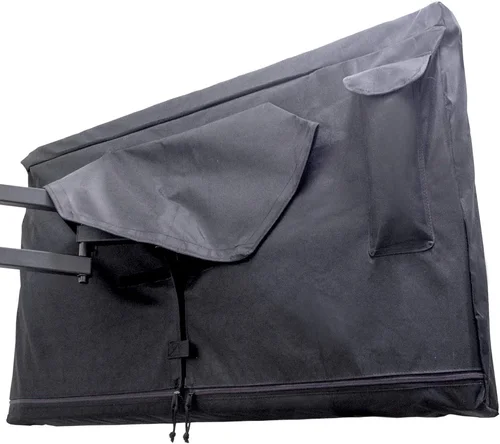
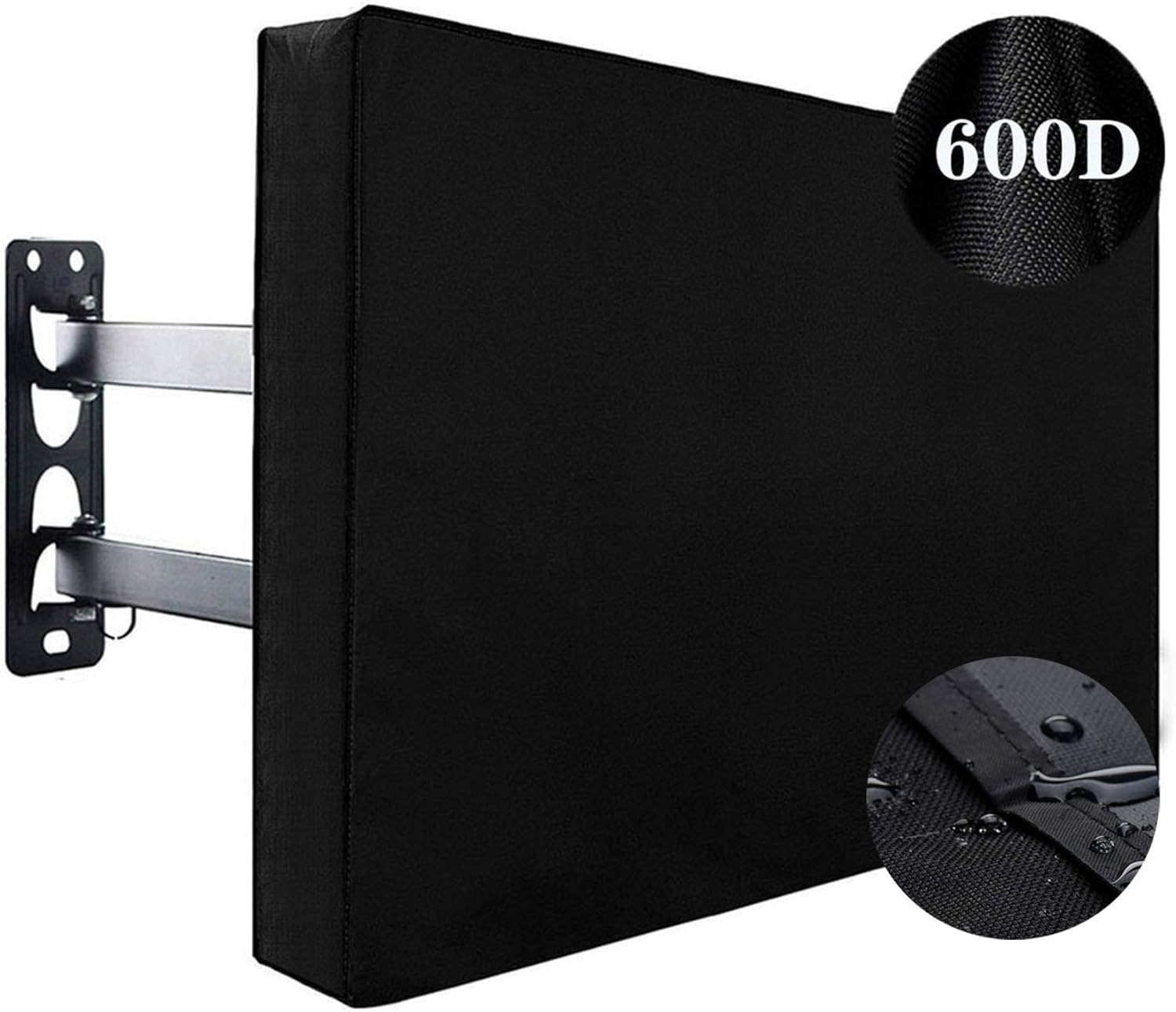
What to do instead: Invest in a heavy-duty, corrosion-resistant mount rated for outdoor use. If using an enclosure, ensure it’s ventilated and has a heater option for cold climates.
❌ Mistake: Ignoring Power and Connectivity Needs
Why it’s bad: Running long, exposed cables increases the risk of damage and electrical hazards. Poor Wi-Fi signal can ruin streaming experiences, especially in large yards.
What to do instead: Use weatherproof conduits for wiring and consider a Wi-Fi extender or mesh network to boost signal. Choose a TV with strong built-in Wi-Fi and multiple HDMI ports to minimize external devices.
❌ Mistake: Overlooking Brightness and Glare
Why it’s bad: A dim screen will be unwatchable on sunny winter days or when snow reflects light. Low brightness also strains the eyes and reduces enjoyment.
What to do instead: Choose a TV with at least 700 nits of brightness and an anti-reflective coating. Consider the TV’s placement—avoid direct sunlight if possible, or use a shaded mount.
❌ Mistake: Buying Based Solely on Price
Why it’s bad: The cheapest option often lacks critical features like thermal management or durable construction, leading to higher long-term costs due to repairs or replacement.
What to do instead: Focus on value, not just price. A mid-range TV with proven cold-weather performance will outlast and outperform a budget model that fails after one winter.
❌ Mistake: Not Checking Warranty Terms
Why it’s bad: Some warranties are voided if the TV is installed by the homeowner or used in temperatures outside the specified range. You could be stuck with a broken TV and no coverage.
What to do instead: Read the fine print. Choose brands that offer comprehensive, transparent warranties and consider professional installation if required.
Budget Guidelines: How Much Should You Spend?
Entry-Level ($800 – $1,500): At this price point, you’ll typically find indoor TVs in basic weatherproof enclosures or lower-end portable models. These may work in mild winters but often lack internal heating and high brightness. Best for covered patios or three-season use. Expect shorter lifespans and limited smart features.
Mid-Range ($1,500 – $3,000): This is the sweet spot for most buyers. You’ll find true all-season outdoor TVs with built-in thermal management, high brightness (700–1000 nits), and solid smart platforms. Brands like SunBriteTV and Seura offer reliable models in this range. These TVs can handle freezing temperatures and offer 3–5 years of dependable service.
Premium ($3,000 – $5,000): For enthusiasts and those in extreme climates, premium models deliver top-tier performance. Expect OLED or quantum dot displays, 1000+ nits brightness, advanced thermal systems, and commercial-grade durability. These are ideal for uncovered decks, mountain homes, or areas with heavy snowfall.
Luxury ($5,000+): At this level, you’re investing in commercial-grade displays designed for 24/7 operation. These are overkill for most homeowners but perfect for luxury resorts, high-end outdoor kitchens, or permanent installations in harsh environments. Features include redundant cooling systems, reinforced frames, and extended warranties.
Expert Tips for Getting the Best Deal
– Buy in Spring or Early Summer: Retailers often discount last year’s models to make room for new inventory. You can save 15–25% by purchasing between March and June.
– Shop Specialty Outdoor Retailers: Stores like Outdoor TV Direct, Abt Electronics, or Crutchfield offer expert advice, bundle deals (TV + mount + installation), and better return policies than big-box stores.
– Look for Bundled Packages: Many brands offer TV + mount + soundbar combos at a discount. These can save you $200–$500 compared to buying separately.
– Check for Rebates and Tax Incentives: Some states offer energy efficiency rebates for outdoor electronics. While rare, it’s worth a quick search.
– Negotiate Installation: If buying from a local AV installer, ask if they’ll waive or reduce installation fees with a TV purchase. Many will to secure the job.
– Test Before Committing: If possible, visit a showroom to see the TV in person. Check brightness, color accuracy, and remote functionality.
– Read Return Policies Carefully: Outdoor TVs often have restocking fees or short return windows. Ensure you can return it if it doesn’t perform as expected in cold weather.
– Consider Refurbished Models: Certified refurbished units from reputable brands can offer significant savings with full warranties.

Frequently Asked Questions
Q: Can I use a regular TV outdoors in cold weather?
A: Technically, yes—but not safely or reliably. Indoor TVs lack thermal management, weatherproofing, and UV protection. In cold weather, they may fail to turn on, suffer screen damage, or develop condensation inside the panel. For anything below 40°F, a purpose-built outdoor TV is strongly recommended.
Q: How cold is too cold for an outdoor TV?
A: It depends on the model. Most quality cold-weather TVs operate down to -4°F (-20°C), with some going as low as -22°F (-30°C). Always check the manufacturer’s specs. If temperatures in your area regularly drop below the TV’s rated range, consider a heated enclosure or commercial-grade display.
Q: Do outdoor TVs need to be covered or sheltered?
A: While many are designed for full exposure, providing some shelter—like a pergola, awning, or TV cabinet—can extend lifespan and improve performance. It reduces UV exposure, snow buildup, and wind damage. However, true all-season models don’t require full enclosures.
Q: Will an outdoor TV work in the rain?
A: Yes, if it’s rated IP55 or higher. These TVs are sealed against water jets and can handle rain, snow, and sleet. However, avoid direct hose spray or submersion.
Q: Can I leave my outdoor TV on all winter?
A: Most cold-weather models are designed for continuous use, but it’s not necessary. Turning it off when not in use saves energy and reduces wear. If you do leave it on, ensure the thermal system is functioning properly.
Q: Do outdoor TVs use more power?
A: Slightly, due to internal heaters and brighter backlights. However, modern models are energy-efficient. Look for ENERGY STAR ratings or low-wattage specs to minimize impact on your electric bill.
Q: Can I connect a soundbar to an outdoor TV?
A: Yes, via HDMI ARC, optical audio, or Bluetooth. For best results, use a weather-resistant soundbar or place a regular one in a sheltered area near the TV.
Q: How long do outdoor TVs last?
A: With proper care, 5–10 years is typical. Premium models with commercial-grade components can last even longer. Regular cleaning and avoiding extreme temperature swings help maximize lifespan.
Our Final Recommendations
Best for Budget-Conscious Buyers: SunBriteTV Veranda Series (55″) – At around $1,800, this model offers excellent cold-weather performance, 700-nit brightness, and a 2-year warranty. It’s a reliable entry into true outdoor viewing without breaking the bank.
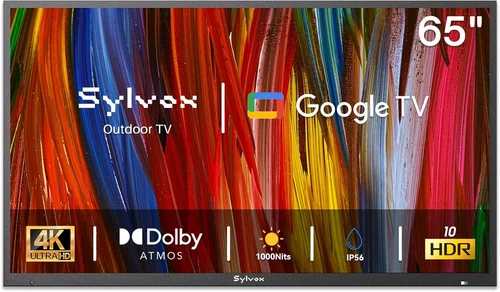
Best Overall Value: Seura Shadow 4K Ultra Bright (65″) – Priced around $2,700, this TV delivers 1000+ nits brightness, built-in heating, and a sleek design. It’s perfect for year-round use and handles snow, rain, and cold with ease.
Best Premium Option: Samsung The Terrace Full Sun (75″) – At $4,500, this is a top-tier choice with quantum dot technology, 2,000 nits brightness, and advanced thermal management. Ideal for large outdoor spaces and extreme climates.
Best for Beginners: SunBriteTV Pro Series (50″) – With simple setup, intuitive controls, and excellent customer support, this model is great for first-time outdoor TV owners. It’s durable, bright, and cold-weather ready.
Best for Advanced Users: Peerless-AV Xtreme Outdoor Display (65″) – A commercial-grade option with modular design, 24/7 operation capability, and customizable mounting. Best for tech-savvy users who want maximum control and longevity.
Conclusion: Making the Right Choice
Choosing the best cold weather backyard TV isn’t just about finding a screen that works outside—it’s about investing in a reliable, durable, and high-performing centerpiece for your outdoor living space. From temperature tolerance and build quality to smart features and warranty coverage, every detail matters when the mercury drops. By prioritizing your specific needs—whether that’s budget, climate, or usage patterns—you can find a TV that delivers stunning visuals season after season.
Don’t let the allure of a low price or flashy marketing fool you. The right cold-weather TV will pay for itself in longevity, performance, and peace of mind. Take the time to research, compare, and consult experts. And when you finally hit play on that winter movie night or championship game under the stars, you’ll be glad you made the smart choice. Your backyard deserves the best—make it unforgettable.

