
Outdoor living spaces have evolved dramatically over the past decade. What once was a simple patio with a few chairs has transformed into fully equipped outdoor entertainment zones—complete with grills, sound systems, fire pits, and yes, outdoor TVs. Whether you’re relaxing on a balcony in the city or hosting friends on a sprawling backyard patio, having a reliable outdoor television can elevate your experience from casual to cinematic. But not all TVs are built to withstand the elements. Standard indoor TVs may short-circuit in humidity, fade under direct sunlight, or fail after a single rainstorm. That’s why choosing the right outdoor TV isn’t just about picture quality—it’s about durability, performance, and long-term value.
This comprehensive buying guide is designed to help you navigate the often-confusing world of outdoor televisions. We’ll walk you through everything you need to know before making a purchase: from understanding key technical specifications to comparing different types of outdoor TVs, avoiding common pitfalls, and finding the best model for your budget and lifestyle. Whether you’re a first-time buyer or upgrading from an older model, this guide will equip you with expert-level knowledge to make a confident, informed decision. You’ll learn how to evaluate weather resistance, brightness levels, smart features, installation requirements, and more—all tailored specifically for balcony and patio use.
The outdoor TV market has grown significantly, with manufacturers now offering a range of options from budget-friendly weatherproof enclosures to fully integrated, all-weather displays. Brands like SunBriteTV, Samsung, LG, and Seura have pioneered innovations that bring high-definition viewing to open-air environments. However, with so many choices—and so many misleading claims—it’s easy to overspend on features you don’t need or end up with a TV that can’t handle your local climate. Our goal is to cut through the noise and give you a clear, actionable roadmap to finding the best backyard TV for your space.

What to Look for When Buying Buying Guide
1. Weather Resistance & IP Rating
One of the most critical factors when selecting an outdoor TV is its ability to withstand environmental conditions. Unlike indoor TVs, outdoor models must endure rain, snow, dust, extreme temperatures, and UV exposure. The first thing to check is the TV’s Ingress Protection (IP) rating, which indicates how well the device resists solids and liquids. For outdoor use, look for a minimum IP55 rating—this means the TV is protected against dust and water jets from any direction. Higher ratings like IP65 or IP66 offer even greater protection, making them ideal for areas with heavy rainfall or coastal climates.
Beyond the IP rating, consider the TV’s overall build. Outdoor TVs typically feature sealed casings, corrosion-resistant materials, and internal climate control systems (like fans or heaters) to prevent overheating in summer or freezing in winter. For example, SunBriteTV’s Veranda series includes a built-in heater that activates below 40°F, ensuring the screen remains functional in cold weather. If you live in a region with harsh winters or intense summer heat, this feature can be a game-changer.
Also, pay attention to the mounting hardware. Even the most weather-resistant TV can fail if the wall mount isn’t designed for outdoor use. Look for powder-coated, rust-proof brackets and ensure they’re rated for the TV’s weight and your wall type (concrete, wood, etc.).
2. Brightness & Display Quality
Brightness is arguably the most important performance metric for outdoor TVs. Indoor TVs typically range from 300 to 500 nits, but outdoor models need to be significantly brighter to combat glare from sunlight. For shaded patios or balconies, a minimum of 700 nits is recommended. For areas with direct sun exposure, aim for 1,000 nits or higher. Some premium models, like the Samsung Terrace, boast up to 2,000 nits—making them visible even at noon on a cloudless day.
Display technology also plays a role. Most outdoor TVs use LED or QLED panels, which offer excellent color accuracy and brightness. OLEDs, while stunning indoors, are generally not recommended for outdoor use due to their susceptibility to burn-in and lower peak brightness. Additionally, look for anti-reflective coatings and optically bonded screens, which reduce glare and improve viewing angles. These features ensure that colors remain vibrant and details sharp, even when viewed from the side.
Resolution is another consideration. While 4K UHD is standard on most new models, ensure the TV supports HDR (High Dynamic Range) for better contrast and color depth. HDR10 and Dolby Vision are the most common formats and significantly enhance the viewing experience, especially for movies and sports.
3. Size & Viewing Distance
Choosing the right screen size depends on your available space and typical viewing distance. For a small balcony, a 43-inch to 55-inch TV is usually sufficient. If you’re setting up a larger patio with seating 8 to 12 feet away, consider a 65-inch or 75-inch model. A good rule of thumb is to sit at a distance equal to 1.5 to 2.5 times the screen’s diagonal measurement. For example, a 65-inch TV should be viewed from 8 to 13 feet away for optimal immersion.
However, size isn’t just about immersion—it’s also about visibility. A larger screen can compensate for lower brightness in shaded areas, but in direct sunlight, even a 75-inch TV may struggle if it doesn’t have sufficient nits. Measure your space carefully and consider how much of the screen will be visible from different seating positions. Also, factor in mounting height: the center of the screen should be at or slightly below eye level when seated.
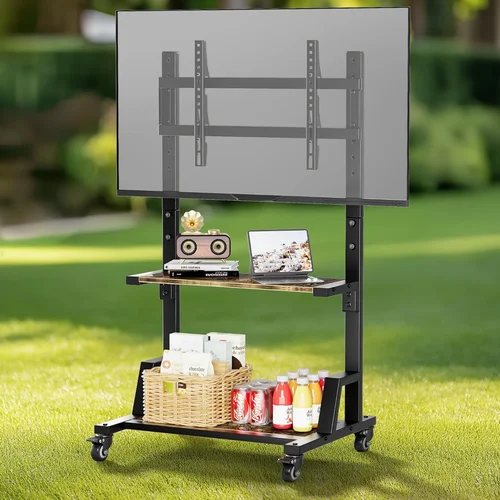
Portability is another factor if you plan to move the TV between locations (e.g., from a balcony to a garage). Some models come with optional stands or are lightweight enough to relocate, but most outdoor TVs are designed to be permanently mounted.
4. Smart Features & Connectivity
Modern outdoor TVs come equipped with smart platforms that allow streaming from Netflix, YouTube, Disney+, and other services. Look for models with built-in Wi-Fi, Bluetooth, and support for popular voice assistants like Amazon Alexa or Google Assistant. Samsung’s Tizen OS and LG’s webOS are among the most user-friendly platforms, offering intuitive navigation and regular software updates.
Connectivity options are equally important. Ensure the TV has multiple HDMI ports (at least three), USB inputs, and an Ethernet port for wired internet if Wi-Fi is unreliable outdoors. Some models also include composite and component inputs for older devices like DVD players or gaming consoles. If you plan to connect a soundbar or external speakers, check for optical audio output or ARC (Audio Return Channel) support.
For added convenience, consider TVs with mobile apps that let you control the screen from your phone or tablet. This is especially useful for adjusting volume or switching inputs without needing to walk back inside.
5. Audio Quality
While picture quality often takes center stage, audio is just as important for an immersive outdoor experience. Most outdoor TVs have built-in speakers, but they’re typically limited in power and clarity due to space and weatherproofing constraints. For casual viewing, 10- to 20-watt speakers may suffice, but for parties or movie nights, you’ll likely want to supplement with external audio.
Consider pairing your TV with weather-resistant outdoor speakers or a soundbar. Many outdoor TVs support Bluetooth pairing, allowing you to connect wireless speakers easily. Alternatively, use wired connections via optical or RCA cables for better sound quality. Some premium models, like the Seura Outdoor TV, include enhanced audio systems with dual woofers and tweeters, delivering surprisingly rich sound for their size.
If audio is a top priority, look for TVs with audio passthrough capabilities or those that support multi-room audio systems like Sonos. This allows you to sync sound across multiple zones—perfect for large patios or multi-level decks.
6. Installation & Mounting Requirements
Proper installation is crucial for both performance and safety. Outdoor TVs must be mounted securely to withstand wind, vibrations, and potential tampering. Most models are VESA-compatible, meaning they can be attached to standard wall mounts, but you’ll need an outdoor-rated mount that’s rust-proof and capable of supporting the TV’s weight.
Consider the location carefully. Avoid placing the TV in areas prone to standing water or where it might be hit by sprinklers. If mounting on a balcony, ensure the wall can support the weight and that there’s enough clearance for ventilation. Some TVs require rear airflow, so don’t mount them flush against a wall without proper spacing.
For renters or those who can’t drill into walls, consider a freestanding outdoor TV enclosure. These units house a standard indoor TV in a weatherproof shell and can be placed on a table or stand. While less elegant than a flush-mounted display, they offer flexibility and are often more affordable.
7. Brand Reputation & Reliability
Not all outdoor TV brands are created equal. Established names like SunBriteTV, Samsung, and LG have a proven track record of durability and customer support. SunBriteTV, for instance, specializes exclusively in outdoor displays and offers models tested in extreme conditions. Samsung’s Terrace series combines smart features with rugged design, while LG’s outdoor models emphasize energy efficiency and sleek aesthetics.
Research customer reviews and look for brands that offer comprehensive warranties—typically 2 to 3 years for outdoor use. Avoid lesser-known brands that promise high specs at low prices but lack real-world testing or reliable service networks. A reputable brand may cost more upfront, but it often saves money in the long run by reducing repair and replacement needs.
8. Warranty & Support
A strong warranty is a sign of a manufacturer’s confidence in their product. For outdoor TVs, look for at least a 2-year warranty that covers both parts and labor. Some brands, like SunBriteTV, offer extended warranties and dedicated customer support lines for outdoor products. Check whether the warranty covers weather-related damage—some indoor TVs sold in outdoor enclosures may void the warranty if used outside.
Also, consider the availability of service centers in your area. If something goes wrong, you don’t want to wait weeks for a repair. Brands with national service networks or local dealers provide faster, more reliable support.

