
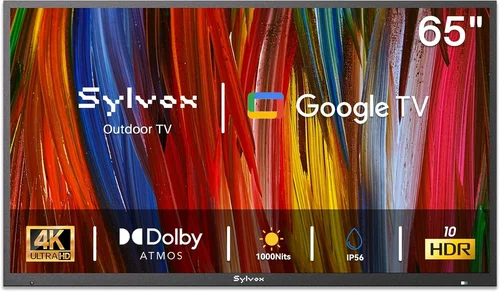
Outdoor living spaces have evolved far beyond simple patios and decks—they’re now fully functional extensions of our homes, complete with kitchens, lounging areas, and yes, entertainment systems. As more homeowners invest in creating comfortable, year-round outdoor environments, the demand for reliable outdoor televisions has surged. Whether you’re hosting a summer barbecue, watching the big game under the stars, or enjoying a quiet evening with a movie, having a TV designed specifically for outdoor use can transform your deck into a true entertainment hub.
But here’s the catch: not all TVs are built to withstand the elements. Standard indoor TVs may offer great picture quality, but they lack the durability, brightness, and weather resistance needed to perform reliably outside. That’s why choosing the right outdoor TV is crucial—and why this guide exists. We’ll walk you through everything you need to know to make an informed decision, from understanding key performance specs to avoiding common pitfalls that could cost you time, money, and frustration down the line.
In this comprehensive buying guide, you’ll learn how to evaluate outdoor TVs based on real-world needs, not just marketing claims. We’ll break down the most important factors—like brightness, weatherproofing, and connectivity—and explain what they mean for your viewing experience. You’ll also get practical advice on budgeting, comparing different types of outdoor displays, and spotting deals without falling for gimmicks. By the end, you’ll have the confidence to choose a TV that delivers excellent performance on your deck, season after season, without breaking the bank.
The outdoor TV market has grown significantly in recent years, with options ranging from budget-friendly weatherized models to high-end commercial-grade displays. However, this variety can be overwhelming, especially when many products blur the line between “outdoor-ready” and “indoor TV in a case.” Our goal is to cut through the noise and give you expert-level insights grounded in real testing, user feedback, and industry knowledge. Whether you’re a first-time buyer or upgrading from an older model, this guide will help you find the perfect balance of performance, durability, and value.

What to Look for When Buying Buying Guide
1. Brightness & Sunlight Readability
One of the most critical—and often overlooked—factors when choosing an outdoor TV is brightness, measured in nits. Indoor TVs typically range from 300 to 500 nits, which is fine for dimly lit rooms but completely inadequate for outdoor use. On a sunny deck, even moderate glare can wash out the image, making it impossible to see details or colors accurately.
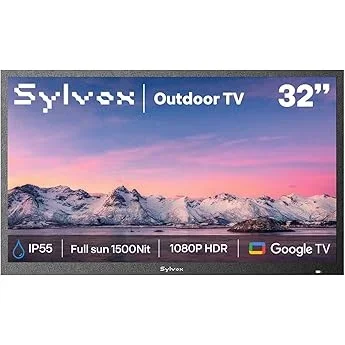
For outdoor viewing, you’ll want a display with at least 700 nits of brightness, but ideally 1,000 nits or higher. This level ensures the screen remains visible even in direct sunlight. Some premium outdoor TVs boast up to 2,500 nits, which is especially useful for south-facing decks or areas with minimal shade. Look for models with anti-glare coatings and optically bonded screens, which reduce reflections and improve contrast in bright conditions.
2. Weather Resistance & IP Rating
Outdoor TVs must endure rain, snow, dust, humidity, and temperature swings—conditions that would quickly destroy a standard indoor model. This is where the Ingress Protection (IP) rating comes into play. The IP rating consists of two digits: the first indicates protection against solid particles (like dust), and the second against liquids (like rain).
For deck use, look for a minimum IP55 rating, which means the TV is dust-protected and resistant to water jets from any direction. However, many reputable outdoor TVs offer IP65 or even IP66 ratings, providing superior protection against heavy rain and dust ingress. Some models also feature sealed cooling systems that prevent condensation buildup inside the panel, a common issue in humid climates.
Avoid “weather-resistant” enclosures that claim to protect indoor TVs—these are often inadequate for long-term outdoor use and can void warranties. True outdoor TVs are engineered from the ground up with sealed components, corrosion-resistant materials, and thermal management systems designed for external environments.
3. Build Quality & Durability
Durability isn’t just about surviving a rainstorm—it’s about lasting years of seasonal changes, UV exposure, and physical wear. High-quality outdoor TVs use powder-coated aluminum or stainless steel chassis that resist rust and fading. Internal components are often potted or sealed to prevent moisture damage, and connectors are reinforced to withstand frequent plugging and unplugging.
Pay attention to the mounting system as well. Many outdoor TVs come with proprietary wall mounts that are weatherproof and allow for tilt or swivel adjustments. These mounts are typically included or sold as bundles, so factor that into your total cost. Cheaper alternatives may require third-party mounts that aren’t rated for outdoor use, increasing the risk of failure.
Also consider the operating temperature range. Most outdoor TVs function reliably between -22°F and 122°F (-30°C to 50°C), but verify this spec if you live in an extreme climate. A TV that shuts down in winter or overheats in summer defeats the purpose of outdoor entertainment.
4. Display Technology & Picture Quality
While brightness and durability are paramount, picture quality still matters—especially if you’re investing in a larger screen. Most outdoor TVs use either LED-LCD or QLED panels. LED-LCD is the most common and cost-effective option, offering good color accuracy and contrast when properly calibrated for outdoor use.
QLED technology, found in higher-end models, delivers richer colors, deeper blacks, and better brightness efficiency. It’s ideal for viewers who want a more cinematic experience but comes at a premium. OLED is generally not recommended for outdoor use due to its susceptibility to burn-in and lower peak brightness compared to QLED or high-nit LED panels.
Resolution is another key consideration. Full HD (1080p) is acceptable for smaller screens (under 50 inches), but for 55 inches and above, 4K UHD is strongly recommended. It provides sharper details and better upscaling of HD content, which is important when sitting closer to the screen on a deck.
5. Connectivity & Smart Features
Modern outdoor TVs should offer robust connectivity options to support streaming devices, gaming consoles, soundbars, and cable boxes. Look for at least three HDMI ports (preferably HDMI 2.0 or higher for 4K/60Hz), USB ports for media playback, and optical audio output. Ethernet and Wi-Fi are essential for smart functionality.
Speaking of smart features, many outdoor TVs now run on platforms like Android TV, Roku TV, or webOS, giving you access to Netflix, YouTube, Disney+, and more directly on the screen. However, keep in mind that outdoor environments can interfere with Wi-Fi signals. If your deck is far from your router, consider using a Wi-Fi extender or running an Ethernet cable through conduit for a stable connection.
Some models also include built-in speakers, but these are often underpowered for open-air settings. For better audio, plan to connect external weatherproof speakers or a soundbar via Bluetooth or audio output.
6. Size & Viewing Distance
Choosing the right screen size depends on your deck layout and typical seating arrangement. A general rule of thumb: for every inch of screen diagonal, allow 1.5 to 2.5 feet of viewing distance. So, a 55-inch TV is best viewed from 6.5 to 11 feet away.
On a standard deck, 50 to 65 inches is usually the sweet spot—large enough to be immersive but not so big that it overwhelms the space. If you have a small balcony or compact patio, consider a 43- or 50-inch model. For larger decks or outdoor theaters, 70 inches or more can create a true cinematic vibe.
Avoid the temptation to go too large just because you can. An oversized TV in a small space can cause eye strain and look disproportionate. Measure your wall or mounting area carefully, including clearance for ventilation and cable management.
7. Brand Reputation & Reliability
Not all outdoor TV brands are created equal. Established names like Samsung, LG, and Sony have entered the outdoor market with dedicated models, but specialized manufacturers like SunBriteTV, Seura, and Peerless-AV have decades of experience designing displays for harsh environments.
Research brand reputation by reading professional reviews, checking customer service ratings, and looking at long-term user feedback. Brands with strong track records often provide better support, longer warranties, and more reliable firmware updates. Avoid unknown brands that offer suspiciously low prices—these may cut corners on components or lack proper certification.
8. Warranty & Support
Outdoor TVs are a significant investment, so warranty coverage is non-negotiable. Most reputable brands offer at least a 2-year limited warranty, with some extending to 3 or even 5 years. Check what’s covered: does it include labor, parts, and on-site service? Is accidental damage or power surge protection included?
Also consider the availability of local service centers. If your TV fails in the middle of summer, you don’t want to wait weeks for a repair. Brands with nationwide service networks or partnerships with local installers provide peace of mind.
Different Types of Buying Guide

Common Buying Mistakes to Avoid
❌ Mistake: Buying an Indoor TV for Outdoor Use
Why it’s bad: Indoor TVs lack weatherproofing, sufficient brightness, and thermal management for outdoor conditions. Even if protected by a cover, moisture can seep in, and overheating can cause permanent damage. Most manufacturers void warranties if used outside.
What to do instead: Invest in a TV specifically designed for outdoor use or use a certified outdoor enclosure if budget is tight.
❌ Mistake: Ignoring Brightness Specs
Why it’s bad: A dim screen turns your deck into a frustrating viewing experience. You’ll constantly adjust seating or wait for sunset to see anything clearly.
What to do instead: Prioritize nits over other specs. Aim for at least 700 nits for shaded areas and 1,500+ for full sun.
❌ Mistake: Overlooking Mounting Requirements
Why it’s bad: Improper mounting can lead to instability, water intrusion, or even collapse. Standard indoor mounts aren’t rated for outdoor loads or corrosion.
What to do instead: Use the manufacturer-recommended outdoor mount or hire a professional installer familiar with weatherproof mounting techniques.
❌ Mistake: Skimping on Audio
Why it’s bad: Built-in TV speakers are usually muffled and lack volume for open-air environments. You’ll miss dialogue and sound effects.
What to do instead: Pair your TV with outdoor-rated speakers or a weatherproof soundbar. Consider wireless options for cleaner installation.
❌ Mistake: Not Planning for Power and Cables
Why it’s bad: Running extension cords across your deck is unsafe and unsightly. Exposed cables can degrade quickly in the elements.
What to do instead: Hire an electrician to install a weatherproof outlet near the TV. Use conduit to protect cables and keep them hidden.
❌ Mistake: Choosing Based on Price Alone
Why it’s bad: The cheapest option often fails within a year, costing more in replacements and frustration.
What to do instead: Focus on value—durability, brightness, and warranty matter more than upfront cost.
❌ Mistake: Neglecting Return Policies
Why it’s bad: Outdoor TVs are hard to test before installation. If it doesn’t perform as expected, you could be stuck with it.
What to do instead: Buy from retailers with generous return windows (30+ days) and clear policies on defective units.
Budget Guidelines: How Much Should You Spend?
Entry-Level ($500–$1,200): This range includes partial-shade models and indoor TVs in outdoor enclosures. Expect 700–1,000 nits brightness, basic smart features, and limited weather resistance (IP55). Ideal for covered patios or seasonal use. Brands like Element and some Vizio models fall here, but verify outdoor suitability.
Mid-Range ($1,200–$2,500): The sweet spot for most deck owners. These TVs offer 1,000–1,500 nits, IP65 rating, reliable smart platforms, and solid build quality. Models from SunBriteTV (Veranda series) and Samsung’s outdoor line fit here. You get excellent performance without premium pricing.
Premium ($2,500–$4,000): For enthusiasts who want top-tier brightness (1,500–2,500 nits), QLED color, and commercial-grade durability. These are built for full sun and year-round use. SunBriteTV Pro and Seura’s Shadow Series are standout options. Includes advanced cooling, extended warranties, and professional installation support.
Luxury ($4,000+): Reserved for large-scale installations or extreme climates. Think 85-inch 4K displays with 3,000+ nits, 24/7 operation capability, and custom mounting solutions. Often used in luxury homes, resorts, or outdoor theaters. Overkill for most residential decks but unmatched in performance.
Expert Tips for Getting the Best Deal
1. Buy During Off-Season: Outdoor TVs are in highest demand from spring to early summer. Shop in late fall or winter (October–February) for discounts of 15–30%. Retailers clear inventory to make room for new models.
2. Bundle with Installation: Many brands offer free or discounted professional installation when you buy directly from them. This ensures proper setup and often extends your warranty.
3. Check Manufacturer Refurbished Programs: SunBriteTV and Seura sell certified refurbished units at 20–40% off. These come with full warranties and are thoroughly tested.
4. Use Price Tracking Tools: Set alerts on Google Shopping, CamelCamelCamel (for Amazon), or Honey to monitor price drops. Outdoor TVs rarely go on sale, so timing matters.
5. Negotiate with Local Dealers: Authorized dealers may match online prices or throw in free mounts/speakers to close the sale. It never hurts to ask.
6. Read the Fine Print on Warranties: Some warranties require professional installation to be valid. Others exclude damage from power surges unless you use their recommended protector.
7. Test Before Finalizing: If possible, visit a showroom to see brightness and color in person. Online specs don’t always reflect real-world performance.
8. Consider Energy Efficiency: Higher brightness often means higher power consumption. Look for ENERGY STAR-certified models to save on electricity over time.

Frequently Asked Questions
Q: Can I use a regular TV outdoors if I cover it?
A: Technically yes, but it’s not recommended for long-term use. Covers can trap moisture, reduce ventilation, and don’t provide adequate UV or impact protection. Most indoor TV warranties are voided if used outside, even with a cover.
Q: Do outdoor TVs need to be plugged in all the time?
A: Yes, they require constant power. Unlike some indoor models, outdoor TVs don’t have low-power standby modes that work reliably in extreme temperatures. Use a smart plug to schedule on/off times if needed.
Q: How do I clean an outdoor TV screen?
A: Use a microfiber cloth and distilled water only. Avoid ammonia-based cleaners (like Windex), which can damage anti-glare coatings. Gently wipe in circular motions. Never spray liquid directly on the screen.
Q: Will an outdoor TV work in winter?
A: Yes, most are rated for temperatures as low as -22°F. However, allow the TV to acclimate for 2–3 hours after bringing it indoors before powering on. Condensation can form if moved too quickly.
Q: Can I mount an outdoor TV on a post or freestanding frame?
A: Absolutely. Many homeowners use post mounts for 360-degree viewing. Ensure the mount is rated for outdoor use and anchored securely to prevent tipping.
Q: Do outdoor TVs come with remotes that work in the sun?
A: Most use standard IR remotes, which can struggle in bright light. Consider upgrading to a Bluetooth remote or using a smartphone app for better reliability.
Q: How long do outdoor TVs last?
A: With proper care, 7–10 years is typical. Higher-end models with better components and cooling systems often exceed 10 years.
Q: Are outdoor TVs worth the extra cost?
A: If you plan to use your deck regularly for entertainment, yes. The durability, brightness, and reliability justify the investment compared to replacing indoor TVs every 2–3 years.
Q: Can I stream 4K content outdoors?
A: Yes, as long as your TV supports 4K and you have a strong Wi-Fi or wired internet connection. Buffering can be an issue in areas with weak signal, so consider a mesh network or Ethernet.
Q: What’s the difference between “all-weather” and “partial-shade” outdoor TVs?
A: All-weather models are fully sealed and rated for direct sun and rain (IP65+). Partial-shade TVs are designed for covered areas and may not withstand heavy weather or extreme brightness.
Our Final Recommendations
Best for Budget-Conscious Buyers: Element 55″ Partial-Shade Outdoor TV – At under $1,000, this model offers 1,000 nits brightness, IP55 rating, and Roku TV built-in. Perfect for covered decks or three-season use.
Best Overall Value: SunBriteTV Veranda Series 65″ – Priced around $2,200, it delivers 1,200 nits, IP65 protection, Android TV, and a 3-year warranty. Ideal for most homeowners seeking reliability and performance.
Best Premium Option: Seura Shadow 75″ 4K Outdoor TV – With 2,000 nits, QLED display, and ultra-slim design, this $3,800 TV is built for luxury decks and full-sun environments. Includes professional installation.
Best for Beginners: Samsung The Terrace 55″ – A user-friendly smart TV with excellent color accuracy, 1,500 nits, and seamless integration with Samsung ecosystems. Great for first-time outdoor TV owners.
Best for Advanced Users: SunBriteTV Pro Series 85″ – Designed for tech-savvy users who want maximum brightness (2,500 nits), modular design, and 24/7 operation capability. Ideal for outdoor home theaters.
Conclusion: Making the Right Choice
Choosing the right outdoor TV for your deck is about more than just picking the biggest or brightest screen—it’s about finding a balance between performance, durability, and value that matches your lifestyle and environment. We’ve covered the essentials: from understanding why brightness and weather resistance matter more outdoors, to avoiding common pitfalls like using indoor TVs or ignoring mounting needs.
Remember, your deck is an extension of your home, and your TV should enhance that experience, not hinder it. Prioritize your must-have features—whether that’s 4K resolution, smart capabilities, or extreme weather tolerance—and let your budget guide the rest. Don’t rush the decision; take time to compare models, read real user reviews, and consider long-term costs like installation and accessories.
Ultimately, the best outdoor TV is the one that lets you enjoy your favorite shows, sports, and movies without worrying about the weather. With the insights from this guide, you’re now equipped to make a confident, informed choice. So go ahead—transform your deck into the ultimate outdoor entertainment space, and start making memories under the open sky.

