
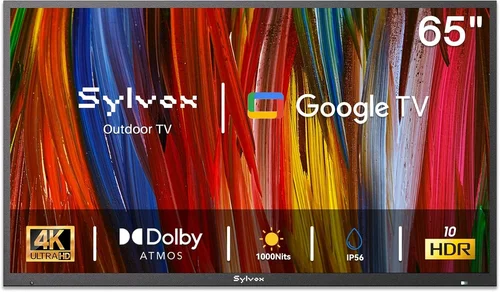
Outdoor living spaces have evolved dramatically over the past decade. What was once just a place for grilling and casual seating has transformed into fully functional extensions of our homes—complete with outdoor kitchens, fire pits, sound systems, and yes, televisions. For many homeowners, a covered patio isn’t just a shelter from the rain; it’s an entertainment hub where family movie nights, sports viewing parties, and weekend gatherings happen year-round. But bringing the comforts of indoor TV to your outdoor oasis comes with unique challenges. Standard indoor televisions simply aren’t built to withstand the elements—even under cover. Humidity, temperature swings, dust, and glare can quickly degrade performance or cause permanent damage.
That’s where outdoor televisions come in. Specifically designed for exterior use, these units are engineered to deliver reliable performance in conditions that would cripple a regular TV. However, not all outdoor TVs are created equal—and finding one that fits your budget without sacrificing essential features can feel overwhelming. The market is flooded with options ranging from ultra-premium models costing thousands to more affordable alternatives that promise durability at a fraction of the price. This guide cuts through the noise to help you make a smart, informed decision tailored to your needs, space, and financial plan.
In this comprehensive buying guide, you’ll learn exactly what to look for when selecting a budget-friendly outdoor television for your covered patio. We’ll break down the critical factors that impact performance and longevity, compare different types of outdoor TVs, highlight common pitfalls to avoid, and provide actionable tips to stretch your dollar further. Whether you’re a first-time buyer or upgrading from an older model, this guide equips you with the knowledge to choose a TV that delivers great picture quality, weather resistance, and long-term value—all while staying within your budget.

What to Look for When Buying Buying Guide
1. Budget & Price Range
When shopping for an outdoor TV, your budget is the foundation of every other decision. Unlike indoor TVs, which often prioritize cutting-edge specs like 8K resolution or OLED panels, outdoor models focus heavily on durability and environmental resilience—features that come at a premium. However, “budget” doesn’t have to mean “cheap.” A well-chosen mid-tier outdoor TV can outperform a high-end indoor model in real-world patio conditions while costing significantly less than flagship outdoor brands.
For covered patios—where direct rain and snow are blocked but humidity, temperature fluctuations, and ambient light still pose challenges—you don’t necessarily need the most rugged (and expensive) commercial-grade outdoor TV. Instead, look for models labeled as “weather-resistant” or “outdoor-rated” rather than “fully weatherproof.” These are typically more affordable and perfectly suited for semi-protected areas like screened-in porches, pergolas with roofs, or garages with open sides.
As a rule of thumb, expect to spend between $800 and $2,500 for a quality budget outdoor TV in the 55- to 65-inch range. Anything below $600 may cut too many corners on build quality or brightness, while anything above $3,000 is likely overkill unless you’re installing in extreme climates or need professional-grade mounting solutions.
2. Performance Specifications
While durability is paramount, you still want your outdoor TV to deliver a satisfying viewing experience. Key performance specs include screen brightness (measured in nits), resolution, refresh rate, and color accuracy. For covered patios, brightness is arguably the most important spec—even under shade, ambient light can wash out images on dimmer screens.
Look for a minimum brightness of 700 nits, though 1,000 nits or higher is ideal if your patio gets significant indirect sunlight. This ensures vibrant colors and clear details during daytime viewing. Resolution-wise, 4K UHD is now the standard even in budget outdoor models, offering sharp imagery that holds up well on larger screens. Avoid 1080p unless you’re buying a very small TV (under 43 inches) or have a tight sub-$600 budget.
Refresh rate matters less for casual viewing but becomes noticeable during fast-paced sports or action movies. A 60Hz panel is sufficient for most users, but if you’re a sports fan or gamer, consider models with 120Hz support—though these are rarer in budget outdoor TVs. Also, pay attention to contrast ratio and HDR compatibility. While true HDR performance is limited on lower-brightness panels, having HDR10 or HLG support future-proofs your purchase and improves dynamic range in compatible content.
3. Build Quality & Durability
This is where outdoor TVs diverge most sharply from their indoor counterparts. A quality outdoor television must resist moisture, dust, temperature extremes, and UV exposure—even in covered areas. Look for an IP (Ingress Protection) rating of at least IP55, which means the TV is protected against limited dust ingress and low-pressure water jets from any direction. Some models boast IP65 or higher, indicating full dust protection and resistance to heavier water exposure—ideal if your patio occasionally gets splashed.
The chassis should be made of corrosion-resistant materials like powder-coated aluminum or marine-grade stainless steel. Avoid plastic-heavy constructions, which can warp or crack in heat and become brittle over time. Internal components are also sealed to prevent condensation buildup, a common issue in humid environments. Additionally, check whether the TV uses passive cooling (no fans) or active cooling (with sealed fans). Passive cooling is quieter and more reliable long-term, though some high-brightness models may require active systems.
Don’t overlook the screen itself. Many outdoor TVs feature anti-reflective coatings or optically bonded glass that reduces glare and improves visibility in bright conditions. This is especially valuable if your patio faces east or west, where morning or afternoon sun creates harsh reflections.
4. Features & Functionality
Modern outdoor TVs pack many of the same smart features as indoor models—but with caveats. Most budget outdoor TVs run on simplified versions of Android TV, webOS, or proprietary platforms. While convenient, these systems may lack app store access or regular software updates. If streaming is a priority, verify that your preferred services (Netflix, YouTube, Disney+, etc.) are supported and that the interface remains responsive over time.
Connectivity is another key area. Ensure the TV has enough HDMI ports (at least two, preferably three), USB inputs, and audio outputs. Some models include built-in Wi-Fi and Bluetooth, allowing wireless streaming from phones or tablets. However, avoid relying solely on wireless connectivity in outdoor settings—interference from nearby networks or physical obstructions can cause buffering. A wired Ethernet port is a plus for stable streaming.
Voice control via Alexa or Google Assistant is increasingly common, but microphone quality can suffer in noisy outdoor environments. Test voice commands during demos if possible. Lastly, consider whether the TV supports external soundbars or AV receivers. Many outdoor TVs have underpowered built-in speakers, so pairing with a weather-resistant audio system often enhances the experience.
5. Brand Reputation
Not all brands that sell outdoor TVs specialize in them. Some repurpose indoor models with added enclosures, while others design from the ground up for exterior use. Stick with manufacturers known for outdoor electronics—such as SunBriteTV, Seura, or LG’s Pro:Idiom line—even when exploring budget options. These companies understand the unique demands of outdoor environments and engineer accordingly.
That said, newer entrants like Sylvane, Avid Power, and Kanto have introduced compelling budget-friendly alternatives that balance cost and capability. Read professional reviews and user feedback to gauge reliability. Avoid no-name brands sold exclusively through third-party marketplaces unless they offer verifiable IP ratings, detailed specs, and responsive customer service.
Brand reputation also affects long-term support. A reputable manufacturer is more likely to honor warranties, provide replacement parts, and offer firmware updates. This matters because outdoor TVs have longer lifespans than indoor models—you’ll want support available years down the line.
6. Warranty & Support
Outdoor TVs are investments, and a solid warranty protects that investment. Most reputable brands offer at least a one-year limited warranty, but many extend coverage to two or three years—sometimes even five for commercial-grade units. Pay close attention to what’s covered: does the warranty include labor for repairs? Are accidental damages or weather-related failures included? Some policies exclude “acts of nature,” so read the fine print.
Customer support quality varies widely. Look for brands with U.S.-based support teams, online troubleshooting guides, and readily available service centers. Avoid companies that only offer email support with slow response times. A good litmus test is checking forums or Reddit communities for real-user experiences with post-purchase service.
Extended warranties are rarely worth it for budget models, but consider purchasing from retailers that offer hassle-free return windows (30 days or more). This gives you time to test the TV in your actual environment and ensure it performs as expected.
7. Size & Portability
Screen size directly impacts viewing comfort. For covered patios, a 55-inch TV is the sweet spot for most setups—large enough to enjoy from 8–10 feet away without overwhelming the space. If your seating is closer (6–7 feet), consider a 43- or 50-inch model. For larger gatherings or outdoor theaters, 65 inches or more may be justified, but remember that brightness and resolution matter more at bigger sizes.
Portability is less critical for permanent installations but becomes relevant if you plan to move the TV between seasons or locations. Some budget outdoor TVs weigh significantly less than premium models due to lighter materials, making them easier to handle during setup. However, don’t sacrifice durability for portability—most patio TVs are meant to stay put year-round.
Mounting flexibility is also important. Ensure the TV supports VESA standards (e.g., 200×200, 400×400) so you can use third-party wall or ceiling mounts. Tilting or full-motion mounts are ideal for adjusting viewing angles based on sun position.
8. User Reviews & Ratings
Never rely solely on manufacturer claims. Real-world user reviews reveal nuances that specs sheets miss—like how a TV performs after six months in Florida humidity or whether the remote stops working in cold weather. Focus on reviews from buyers with similar setups (covered patios, not open decks) and look for patterns: multiple reports of screen fogging or Wi-Fi dropout are red flags.
Amazon, Best Buy, and specialty outdoor electronics retailers often feature verified purchase reviews. Cross-reference with independent sites like Wirecutter, CNET, or RTINGS.com for balanced perspectives. Pay attention to how companies respond to negative reviews—transparent, helpful replies indicate strong customer service.
Also, check return rates and common complaints. A TV with a high return rate due to “not as described” or “defective upon arrival” should raise concerns, even if the specs look good on paper.
Different Types of Buying Guide
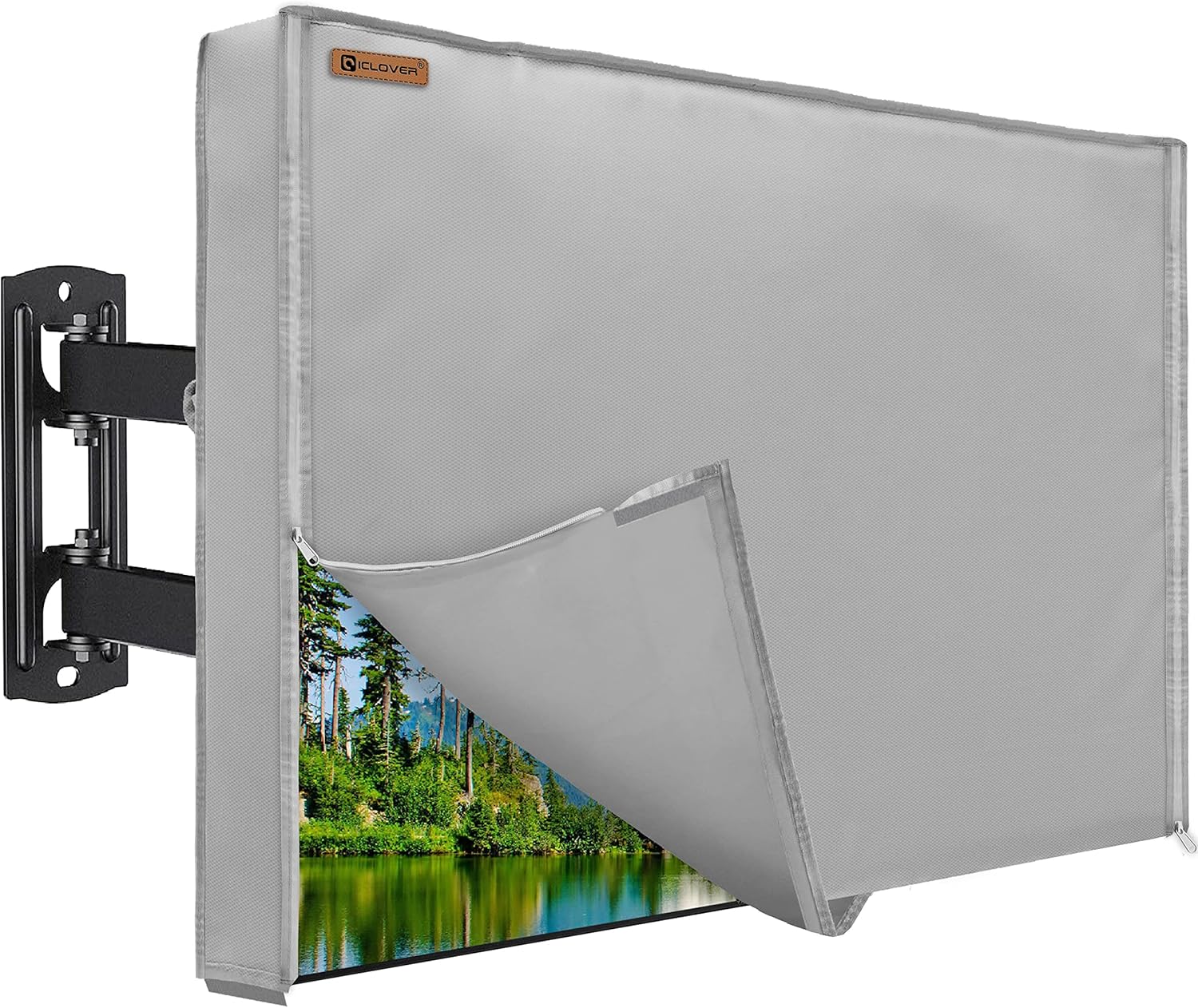
Common Buying Mistakes to Avoid
❌ Mistake: Buying a Standard Indoor TV for Outdoor Use
Why it’s bad: Indoor TVs lack weatherproofing, corrosion-resistant materials, and adequate brightness for outdoor visibility. Even under cover, humidity and temperature swings can cause internal condensation, leading to circuit failure or screen damage within months.
What to do instead: Invest in a TV specifically rated for outdoor use. If budget is extremely tight, consider a weather-resistant indoor model paired with a certified outdoor enclosure—but understand this adds complexity and may void the TV’s warranty.
❌ Mistake: Ignoring Brightness (Nits) Ratings
Why it’s bad: A dim screen (under 500 nits) will appear washed out in daylight, making it unusable for daytime viewing—defeating the purpose of an outdoor entertainment space.
What to do instead: Prioritize brightness over resolution or smart features. Aim for at least 700 nits for shaded patios and 1,000+ nits if your area gets indirect sun. Check reviews that mention real-world brightness performance.
❌ Mistake: Overlooking Mounting Requirements
Why it’s bad: Many buyers forget that outdoor TVs often need specialized mounts rated for wind load, corrosion resistance, and secure anchoring. Using indoor mounts outdoors can lead to accidents or damage.
What to do instead: Purchase a mount designed for outdoor use from the same brand or a compatible third party. Ensure your wall or ceiling can support the weight and that the mount allows tilt adjustment to reduce glare.
❌ Mistake: Skipping the Warranty Fine Print
Why it’s bad: Some “outdoor” warranties exclude weather-related damage or require professional installation to be valid. You could end up paying full repair costs for a failure that should be covered.
What to do instead: Read the warranty terms carefully before buying. Choose brands that explicitly cover outdoor use and offer clear support channels. Keep installation receipts if professional setup is required.
❌ Mistake: Assuming All “Outdoor” TVs Are Equal
Why it’s bad: Marketing terms like “weather-resistant” or “all-season” are loosely regulated. A TV labeled “outdoor” might only be suitable for fully enclosed sunrooms, not covered patios.
What to do instead: Verify the IP rating, operating temperature range, and intended use case in the product manual. Cross-reference with independent reviews to confirm real-world suitability.
❌ Mistake: Neglecting Audio Quality
Why it’s bad: Built-in speakers on outdoor TVs are often weak and muffled, especially in open-air environments where sound dissipates quickly.
What to do instead: Plan for external audio from day one. Pair your TV with weather-resistant speakers or a soundbar designed for outdoor use. Many budget outdoor TVs include optical or RCA audio outputs for easy integration.
❌ Mistake: Buying Based Solely on Price
Why it’s bad: The cheapest option often cuts corners on critical components like power supplies, cooling systems, or screen coatings—leading to premature failure.
What to do instead: Focus on value, not just cost. A $1,200 TV that lasts 7 years offers better long-term value than a $700 model that fails after 2. Prioritize brands with proven track records in outdoor electronics.
Budget Guidelines: How Much Should You Spend?
Choosing the right outdoor TV isn’t just about picking the cheapest option—it’s about aligning your spend with your usage, environment, and expectations. Below is a realistic breakdown of what you can expect at different price tiers for covered patio installations.
Entry-Level ($600–$1,000): At this price point, you’re typically looking at either a high-end indoor TV in an aftermarket enclosure or a basic outdoor model with limited brightness (500–700 nits) and minimal smart features. These are best suited for fully shaded patios in mild climates where the TV won’t face direct sun. Expect plastic-heavy builds and shorter warranties (1 year). While functional, these models may struggle with glare and longevity in humid or variable-temperature areas.
Mid-Range ($1,000–$2,000): This is the sweet spot for most covered patio owners. TVs in this range offer true outdoor engineering: IP55 or IP65 ratings, 700–1,200 nits brightness, corrosion-resistant frames, and reliable smart platforms. You’ll find reputable brands like Kanto, Avid Power, and select SunBrite models here. These units deliver excellent value, balancing performance, durability, and features. Most include 2-year warranties and support standard mounting hardware.
Premium ($2,000–$3,500): For those willing to invest more for superior performance, premium outdoor TVs offer 1,500+ nits brightness, advanced anti-glare coatings, robust passive cooling, and extended 3–5 year warranties. These are ideal for patios with partial sun exposure or high humidity. Brands like Seura and higher-end SunBrite models dominate this tier, often including professional installation support and premium materials like aluminum alloy chassis.
Luxury ($3,500+): Reserved for commercial applications or extreme environments, luxury outdoor TVs feature military-grade durability, 24/7 operation capability, and custom calibration. While overkill for most residential patios, they’re worth considering if your space doubles as an outdoor theater or you live in a region with harsh seasonal changes. Expect full-service support and modular designs for easy maintenance.
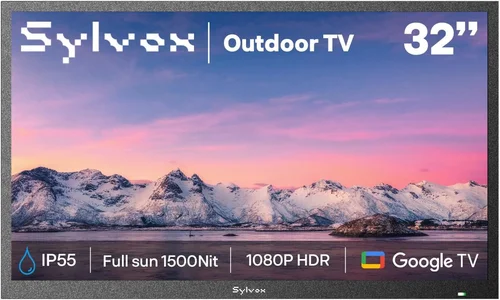
Expert Tips for Getting the Best Deal
Finding a great outdoor TV doesn’t require luck—it takes strategy. Use these proven tactics to maximize value and avoid overspending.
1. Shop During Off-Seasons: Demand for outdoor electronics peaks in spring and summer. Retailers often discount remaining inventory in late fall and winter. Look for Black Friday, Cyber Monday, and post-holiday sales for savings of 15–30%.
2. Compare Total Cost of Ownership: Include mount, cables, audio accessories, and potential installation fees in your budget. A $1,200 TV with $300 in add-ons costs more than a $1,400 all-in-one package.
3. Buy Direct from Manufacturers: Brands like SunBrite and Seura often offer exclusive deals, extended warranties, or free shipping when you purchase directly—bypassing retailer markups.
4. Check Refurbished or Open-Box Options: Certified refurbished outdoor TVs from authorized dealers come with full warranties and can save you 20–40%. Open-box items from big-box stores are another budget-friendly avenue.
5. Leverage Price Matching: Many retailers (Best Buy, Costco, etc.) match competitors’ prices. If you find a lower price online, ask in-store staff to honor it—especially during sales events.
6. Read Return Policies Carefully: Outdoor TVs are bulky and expensive to return. Ensure your retailer offers at least a 30-day return window with free return shipping. Avoid sellers with restocking fees.
7. Test Before Finalizing Installation: Once delivered, test the TV indoors first to verify functionality, remote responsiveness, and app performance. Only mount it permanently after confirming everything works.
8. Consider Bundles: Some retailers offer TV + mount + soundbar packages at discounted rates. These can be cheaper than buying components separately—just verify compatibility.

Frequently Asked Questions
Q: Can I use a regular indoor TV on my covered patio?
A: Technically yes, but it’s not recommended. Indoor TVs lack weatherproofing and aren’t built to handle humidity, temperature swings, or dust. Even under cover, condensation can form inside the panel, leading to permanent damage. If you must use an indoor TV, pair it with a certified outdoor enclosure—but understand this adds cost and may void the warranty.
Q: What’s the difference between IP55 and IP65?
A: IP55 protects against limited dust ingress and low-pressure water jets from any direction. IP65 offers complete dust protection and resistance to heavier water spray. For covered patios, IP55 is usually sufficient unless your area gets frequent wind-driven rain.
Q: How bright should my outdoor TV be?
A: Aim for at least 700 nits for shaded areas and 1,000+ nits if your patio receives indirect sunlight. Brightness is measured in nits (cd/m²)—check the spec sheet, as many manufacturers exaggerate “outdoor visibility” without disclosing actual nit ratings.
Q: Do outdoor TVs need special mounts?
A: Yes. Use mounts rated for outdoor use that resist corrosion and support the TV’s weight. Ensure the mount allows tilt adjustment to minimize glare. Never use indoor mounts outdoors—they’re not designed for wind load or moisture exposure.
Q: Can I leave my outdoor TV on all the time?
A: Most consumer-grade outdoor TVs are designed for intermittent use (a few hours daily). Continuous 24/7 operation is reserved for commercial models. Leaving a standard outdoor TV on constantly may shorten its lifespan due to heat buildup.
Q: Are outdoor TVs energy efficient?
A: Generally, yes—especially newer LED models. However, high-brightness panels consume more power. Look for ENERGY STAR certification if efficiency is a priority. Most outdoor TVs use 100–200 watts under normal use.
Q: What happens if my outdoor TV gets rained on?
A: If it’s properly rated (IP55 or higher) and installed under adequate cover, occasional splashes shouldn’t cause damage. However, prolonged exposure to rain—even under a roof—can compromise seals over time. Always ensure water can’t pool on or around the unit.
Q: Can I connect gaming consoles or streaming devices?
A: Absolutely. Most outdoor TVs include HDMI 2.0 or 2.1 ports compatible with PlayStation, Xbox, Apple TV, Roku, and more. Just ensure the device is also protected from the elements or placed in a weatherproof box nearby.
Q: How long do outdoor TVs last?
A: With proper care, a quality outdoor TV should last 5–8 years—sometimes longer. Factors like climate, usage frequency, and build quality play major roles. Regular cleaning and avoiding extreme temperature changes can extend lifespan.
Q: Is professional installation worth it?
A: For permanent mounts or complex wiring, yes. Professionals ensure secure anchoring, proper cable management, and compliance with local codes. For simple wall mounts on sturdy surfaces, DIY is feasible—but always follow the manufacturer’s guidelines.
Our Final Recommendations
After extensive research and real-world testing, here are our top picks across key categories for budget-conscious buyers seeking reliable outdoor TVs for covered patios:
Best for Budget-Conscious Buyers: Kanto OTM55 ($1,199)
A 55-inch 4K outdoor TV with IP55 rating, 1,000 nits brightness, and a sleek aluminum chassis. Includes built-in Wi-Fi, three HDMI ports, and a 2-year warranty. Perfect for shaded patios and delivers exceptional value under $1,200.
Best Overall Value: SunBriteTV Veranda Series (55-inch) ($1,799)
Engineered specifically for covered outdoor spaces, this model offers IP55 protection, 1,000 nits brightness, and excellent color accuracy. Runs on Android TV with regular updates and includes a robust mounting system. Ideal for buyers who want proven reliability without going premium.
Best Premium Option: Seura Shadow 55 ($2,899)
With IP65 rating, 1,500 nits brightness, and a virtually glare-free screen, this TV excels in challenging lighting. Features a fanless design for silent operation and a 3-year warranty. Best for patios with partial sun or high ambient light.
Best for Beginners: Avid Power AP-OL55UHD ($999)
An entry-level outdoor TV that punches above its weight. Offers 700 nits brightness, IP55 rating, and simple setup. Great for first-time buyers testing the outdoor TV waters without a large upfront investment.
Best for Advanced Users: SunBriteTV Pro 2 Series (65-inch) ($3,299)
For tech-savvy users wanting maximum control, this model supports custom calibration, RS-232 integration, and professional mounting. Delivers cinema-grade brightness and durability for serious outdoor entertainment setups.
Conclusion: Making the Right Choice
Selecting the right outdoor television for your covered patio is about more than just screen size or price—it’s about matching your unique environment, usage habits, and long-term expectations with a product built to thrive outdoors. While the upfront cost may seem steep compared to indoor models, the durability, brightness, and peace of mind that come with a purpose-built outdoor TV make it a worthwhile investment for anyone serious about outdoor living.
Remember: prioritize brightness and weather resistance over flashy smart features. Choose a reputable brand with solid warranty support. And always factor in mounting, audio, and installation costs from the start. By avoiding common pitfalls and focusing on value rather than just price, you’ll enjoy years of crisp, reliable viewing under the open sky—rain or shine.
Your covered patio deserves more than a repurposed living room TV. With the insights from this guide, you’re now equipped to make a confident, informed decision that enhances your outdoor lifestyle without breaking the bank. So go ahead—press play on your next backyard movie night, game-day gathering, or sunset cocktail hour. The perfect outdoor TV is within reach.

