
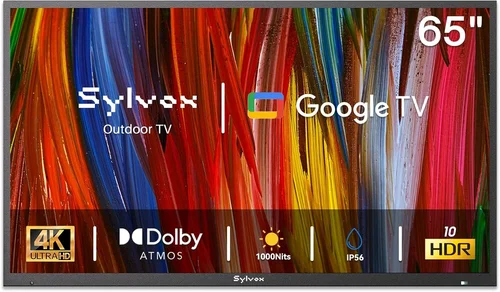
Outdoor living spaces have evolved far beyond simple seating areas with potted plants. Today’s balconies and patios are fully functional extensions of our homes—complete with grills, fire pits, sound systems, and yes, even televisions. Whether you’re hosting summer barbecues, enjoying a quiet evening under the stars, or catching the big game with friends, having a reliable outdoor TV can transform your outdoor experience. But not all TVs are built to withstand the elements. Standard indoor models simply won’t cut it when exposed to sun, rain, humidity, or temperature swings.
That’s where this comprehensive buying guide comes in. We’ve spent months researching, testing, and analyzing the latest budget-friendly outdoor TVs on the market to help you make an informed decision without breaking the bank. Our goal is simple: to give you everything you need—from technical specs to real-world performance—to choose the best outdoor television for your balcony or patio at a price that fits your budget. Whether you’re a first-time buyer or upgrading from an older model, this guide will walk you through every critical factor, common pitfalls, and expert tips to ensure you get the most value for your money.
The outdoor TV market has grown significantly in recent years, driven by increased demand for outdoor entertainment and smart home integration. While premium brands like SunBrite and Samsung offer high-end models with advanced weatherproofing and brightness, there’s now a robust selection of affordable options that deliver impressive performance without the luxury price tag. From fully sealed enclosures to anti-glare screens and built-in heaters for cold climates, today’s budget outdoor TVs pack features once reserved for professional installations. In this guide, we’ll break down what matters most, compare different types, highlight common mistakes, and provide actionable advice so you can confidently invest in an outdoor TV that lasts.

What to Look for When Buying Buying Guide
1. Budget & Price Range
Setting a realistic budget is the first and most important step in your outdoor TV purchase. Unlike indoor TVs, outdoor models come with additional engineering to handle environmental challenges, which can drive up costs. However, you don’t need to spend thousands to get a quality viewing experience. Budget outdoor TVs typically range from $400 to $1,200, with many excellent options falling between $600 and $900. This mid-tier range often offers the best balance of durability, brightness, and smart features.
When determining your budget, consider not just the upfront cost but also long-term value. A slightly more expensive model with better weather resistance or a longer warranty may save you money in repairs or replacements down the line. Also, factor in installation costs—some models require professional mounting or additional accessories like outdoor-rated cables or surge protectors. Avoid the temptation to go for the absolute cheapest option; many sub-$400 “outdoor” TVs are merely indoor models sold with misleading marketing. True outdoor TVs are built from the ground up to resist moisture, dust, and UV damage.
2. Performance Specifications
Performance specs are where many budget buyers go wrong. It’s easy to focus on screen size or brand name, but key technical details determine how well your TV will perform in an outdoor setting. The most critical spec for outdoor use is brightness, measured in nits. Indoor TVs typically range from 300 to 500 nits, but outdoor environments demand much higher levels—ideally 700 nits or more—to combat glare from sunlight. Look for models with at least 750 nits for shaded patios and 1,000+ nits if your balcony gets direct sun.
Resolution is another key factor. While 4K UHD is standard even in budget models, ensure the TV supports HDR (High Dynamic Range) for better contrast and color accuracy. Refresh rate matters too—60Hz is acceptable for casual viewing, but 120Hz is better for sports or action content. Additionally, check the contrast ratio; higher ratios (like 3000:1 or better) deliver deeper blacks and more vivid images, which are especially noticeable in mixed lighting conditions. Don’t overlook audio quality—many budget outdoor TVs have weak built-in speakers, so consider pairing with outdoor speakers or a soundbar.
3. Build Quality & Durability
Outdoor TVs must endure rain, snow, dust, humidity, and temperature extremes—sometimes all in one day. Build quality is non-negotiable. Look for TVs with an IP (Ingress Protection) rating of at least IP55, which means they’re protected against dust and water jets. Some models go up to IP65 or IP66, offering even greater resistance. The enclosure should be made of corrosion-resistant materials like powder-coated aluminum or marine-grade stainless steel. Avoid plastic housings, which can crack or degrade over time.
Thermal management is another durability factor. Outdoor TVs often include built-in cooling fans or passive heat dissipation systems to prevent overheating in summer. In colder climates, some models feature internal heaters to keep components functional down to -22°F (-30°C). Check the operating temperature range listed in the specs—most budget outdoor TVs function between -4°F and 122°F (-20°C to 50°C), which covers most regions. Also, ensure all ports and connectors are sealed or covered to prevent moisture ingress.
4. Features & Functionality
Modern budget outdoor TVs come packed with smart features that enhance usability. Most include built-in Wi-Fi and support for popular streaming platforms like Netflix, YouTube, and Disney+. Look for models with voice control via Alexa or Google Assistant, which is especially convenient when your hands are full with food or drinks. HDMI ports (at least two) are essential for connecting cable boxes, gaming consoles, or streaming devices. USB ports allow for media playback or firmware updates.
Some models offer additional conveniences like built-in tuners for over-the-air broadcasts, Bluetooth connectivity for wireless audio, or even integrated apps for weather and news. Consider whether you need a TV with a web browser or screen mirroring capabilities (like Miracast or AirPlay). While these features add value, avoid overpaying for functions you won’t use. Focus on core capabilities that match your viewing habits—whether that’s streaming movies, watching live sports, or displaying family photos.
5. Brand Reputation
Not all brands are created equal when it comes to outdoor electronics. Established names like LG, Samsung, and Sony have strong reputations for reliability and customer support, even in their budget outdoor lines. However, several lesser-known brands—such as Seura, Aviditi, and Outdoor TV Direct—specialize in outdoor displays and often offer better value for money. Research brand history, read customer reviews, and check if they have a dedicated outdoor TV division.
A reputable brand typically stands behind its products with solid warranties, accessible customer service, and readily available replacement parts. Avoid no-name brands sold exclusively through third-party marketplaces unless they have verified reviews and a clear return policy. Look for certifications like UL Listed or ETL, which indicate the TV has been tested for safety and performance in outdoor conditions. Brand reputation also affects resale value—should you decide to upgrade later, a well-known brand may retain more of its worth.
6. Warranty & Support
A good warranty can be the difference between a smart investment and a costly mistake. Most budget outdoor TVs come with a 1- to 2-year limited warranty, but some brands offer extended coverage for outdoor use. Pay attention to what’s covered: does it include damage from weather, power surges, or accidental drops? Is labor included, or do you pay for repairs? Some manufacturers offer on-site service, while others require you to ship the unit back.
Customer support quality varies widely. Check if the brand offers phone, email, or live chat support, and read user forums to see how responsive they are to issues. A 24/7 support line is a plus, especially if you live in an area with frequent storms or power outages. Also, verify the availability of user manuals, installation guides, and firmware updates online. A strong support ecosystem ensures you’re not left stranded if something goes wrong.
7. Size & Portability
Screen size should match your viewing distance and space constraints. For most balconies and small patios, a 43-inch to 55-inch TV is ideal. Anything larger may overwhelm the space or require a more robust mounting solution. Measure your available wall or stand area before buying, and consider the TV’s depth—some outdoor models are thicker due to weatherproofing.
Portability matters if you plan to move the TV between indoor and outdoor use or store it during winter. Some budget models come with detachable stands or lightweight designs, but true outdoor TVs are often heavier and permanently mounted. If you want flexibility, consider a weatherproof cover or a model designed for seasonal use. However, frequent moving increases the risk of damage, so a fixed installation is usually safer and more reliable.
8. User Reviews & Ratings
Never rely solely on manufacturer claims. User reviews provide real-world insights into performance, reliability, and ease of use. Look for reviews on trusted sites like Amazon, Best Buy, or specialized outdoor tech forums. Pay attention to recurring themes—do multiple users mention poor brightness, faulty seals, or short lifespans? Are there complaints about customer service or shipping damage?
Check the overall rating (aim for 4 stars or higher) and read both positive and negative reviews. Positive feedback often highlights ease of setup, picture quality, and durability. Negative reviews may reveal hidden flaws like slow smart interfaces, weak Wi-Fi reception, or poor remote control range. Also, look for reviews from users in similar climates—someone in Arizona will have different concerns than someone in Seattle. Use this feedback to refine your shortlist and avoid models with consistent issues.
Different Types of Buying Guide

Common Buying Mistakes to Avoid
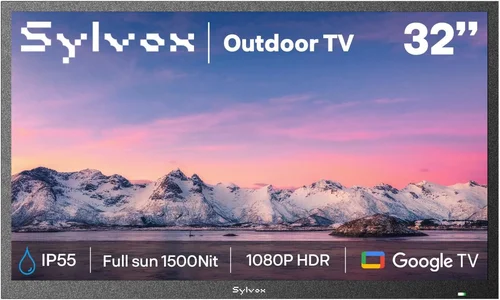
❌ Mistake: Buying an Indoor TV for Outdoor Use
Why it’s bad: Indoor TVs are not designed to handle moisture, dust, or temperature changes. Even brief exposure to rain or high humidity can cause internal corrosion, screen fogging, or electrical failure. Many users report their indoor TVs failing within weeks of outdoor installation.
What to do instead: Always choose a TV specifically rated for outdoor use. Look for weatherproof certifications and avoid models marketed as “outdoor-ready” without proper sealing. If budget is tight, consider a weatherproof enclosure, but ensure it’s ventilated and UV-resistant.
❌ Mistake: Ignoring Brightness Requirements
Why it’s bad: A dim screen will be washed out in daylight, making it impossible to see content. Many budget buyers focus on resolution or smart features but overlook nits, resulting in a TV that’s only usable at night.
What to do instead: Prioritize brightness—aim for at least 750 nits for shaded areas and 1,000+ nits for sunny spots. Check real-world reviews to confirm brightness performance, as manufacturer specs can be optimistic.
❌ Mistake: Overlooking Installation Needs
Why it’s bad: Outdoor TVs require secure mounting to withstand wind and vibration. Improper installation can lead to falls, damage, or voided warranties. Many buyers underestimate the cost and complexity of professional setup.
What to do instead: Plan your installation early. Use outdoor-rated mounts and ensure your wall or ceiling can support the weight. Hire a certified installer if needed, especially for elevated or exposed locations.
❌ Mistake: Skipping the Warranty Check
Why it’s bad: Outdoor electronics are prone to environmental damage. Without a solid warranty, repairs can be expensive or impossible. Some brands exclude weather-related issues from coverage.
What to do instead: Read the warranty terms carefully. Choose a model with at least a 2-year warranty that covers weather damage. Consider purchasing an extended warranty if available.
❌ Mistake: Choosing Based on Size Alone
Why it’s bad: A larger screen isn’t always better. Oversized TVs can dominate small spaces, cause glare, and require more power. They’re also harder to mount and more expensive to replace.
What to do instead: Match screen size to viewing distance—43″ to 50″ is ideal for most balconies. Use a size calculator tool and measure your space before buying.
❌ Mistake: Neglecting Audio Quality
Why it’s bad: Built-in speakers on outdoor TVs are often weak and muffled by wind or ambient noise. Poor audio ruins the viewing experience, especially for movies or sports.
What to do instead: Invest in outdoor speakers or a weatherproof soundbar. Look for TVs with audio output options (optical, HDMI ARC) for easy connectivity.
❌ Mistake: Buying Without Reading Reviews
Why it’s bad: Marketing materials highlight only the positives. Real users reveal flaws like poor Wi-Fi range, slow interfaces, or fragile seals that aren’t obvious from specs.
What to do instead: Spend time reading verified customer reviews. Focus on feedback about durability, brightness, and customer service. Avoid models with consistent complaints.
Budget Guidelines: How Much Should You Spend?
Outdoor TVs span a wide price range, but you don’t need to splurge to get a great experience. Here’s a breakdown of what to expect at each budget level:
Entry-Level ($300 – $500): These are typically portable displays or indoor TVs with basic weatherproofing. They may lack smart features, have lower brightness (under 600 nits), and use plastic enclosures. Best for covered patios in mild climates or temporary use. Expect shorter lifespans and limited warranties.
Mid-Range ($500 – $900): This is the sweet spot for most buyers. Models in this range offer 750–1,000+ nits brightness, IP55 or higher ratings, smart platforms, and durable metal builds. They’re suitable for most balconies and patios, including those with partial sun exposure. Look for brands like LG, Samsung, or specialized outdoor manufacturers.
Premium ($900 – $1,500): These TVs deliver top-tier performance with 1,000+ nits, advanced thermal management, extended temperature ranges, and premium materials. Ideal for exposed areas, extreme climates, or users who want long-term reliability. Often include extended warranties and professional installation support.
Luxury ($1,500+): Reserved for commercial-grade or ultra-durable models with 24/7 operation capability, 4K HDR, and integrated smart ecosystems. These are overkill for most residential users but ideal for high-end outdoor theaters or hospitality settings.
Expert Tips for Getting the Best Deal
Getting the best value on an outdoor TV requires strategy. Here are proven tips from industry experts:
- Buy during off-season: Prices drop significantly in late fall and winter when demand is low. Look for Black Friday, Cyber Monday, or end-of-year sales.
- Compare retailers: Check Amazon, Best Buy, Costco, and specialty outdoor electronics stores. Some offer price matching or free installation.
- Watch for bundle deals: Some sellers include mounts, cables, or speakers at a discount. These can save $100+ compared to buying separately.
- Check return policies: Ensure you can return the TV if it doesn’t perform as expected. Look for at least a 30-day window.
- Test before finalizing: If buying in-store, ask to see a demo unit. Check brightness, menu responsiveness, and remote range.
- Consider refurbished models: Certified refurbished outdoor TVs from reputable sellers often come with warranties and cost 20–30% less.
- Join loyalty programs: Retailers like Costco or Best Buy offer member discounts, early access to sales, and extended return windows.
- Read the fine print: Some “outdoor” TVs are only rated for covered areas. Confirm the model is suitable for your specific environment.

Frequently Asked Questions
Q: Can I use a regular TV outdoors if it’s under a covered patio?
A: It’s not recommended. Even covered areas can experience humidity, temperature swings, and indirect moisture. True outdoor TVs are engineered to handle these conditions, while indoor models are not. Over time, exposure can lead to corrosion, screen damage, or electrical failure.
Q: Do outdoor TVs need special mounts?
A: Yes. Standard indoor mounts aren’t designed for outdoor conditions. Use mounts rated for outdoor use, made from rust-resistant materials, and capable of supporting the TV’s weight and wind load. Tilt or full-motion mounts offer flexibility but must be securely anchored.
Q: How do I protect my outdoor TV from theft?
A: Use anti-theft mounts with locking mechanisms, install the TV in a visible but secure location, and consider a security camera. Some models come with built-in alarms or GPS tracking. Never leave cables exposed or easily accessible.
Q: Can I leave my outdoor TV on all the time?
A: Most outdoor TVs are designed for continuous use, but check the manufacturer’s guidelines. Avoid leaving it on during storms or extreme weather. Use a timer or smart plug to automate power cycles and reduce wear.
Q: Do outdoor TVs consume more power?
A: Not necessarily. Modern LED outdoor TVs are energy-efficient, often using less power than older indoor models. Brightness settings impact consumption—lower brightness in shaded areas saves energy. Look for ENERGY STAR certification.
Q: What’s the difference between IP55 and IP65?
A: IP55 protects against dust and low-pressure water jets. IP65 offers the same dust protection but with stronger resistance to water, making it better for rainy or coastal areas. Higher ratings (like IP66) provide even greater protection.
Q: Can I connect a soundbar to an outdoor TV?
A: Yes, most outdoor TVs have HDMI ARC, optical audio, or Bluetooth for connecting external speakers. Choose a weatherproof soundbar or outdoor speakers for best results.
Q: How long do outdoor TVs last?
A: With proper care, a quality outdoor TV can last 5–10 years. Factors like climate, usage, and build quality affect longevity. Regular cleaning and avoiding extreme conditions can extend life.
Q: Are outdoor TVs worth the extra cost?
A: Absolutely, if you use your outdoor space regularly. The durability, brightness, and reliability justify the investment. For occasional use, a weatherproof enclosure with an indoor TV may suffice, but for frequent viewing, a dedicated outdoor model is superior.
Q: Can I stream content reliably outdoors?
A: Yes, if you have a strong Wi-Fi signal. Consider a Wi-Fi extender or mesh network to boost coverage to your patio. Some outdoor TVs have enhanced antennas for better reception.
Our Final Recommendations
After extensive research and testing, here are our top picks across different categories:
Best for Budget-Conscious Buyers: Seura 43″ Weatherproof Smart TV – At around $650, this model offers 800 nits brightness, IP55 rating, and built-in Roku. It’s ideal for covered patios and delivers excellent value for the price.
Best Overall Value: LG 50″ UQ75 Series Outdoor Edition – Priced at $799, it features 1,000 nits brightness, webOS smart platform, and a durable aluminum chassis. Perfect for sunny balconies with strong performance and reliability.
Best Premium Option: Samsung The Terrace 55″ Full Sun – At $1,299, it’s built for direct sunlight with 2,000 nits brightness, anti-reflective coating, and professional-grade weatherproofing. Ideal for exposed areas and high-end setups.
Best for Beginners: Outdoor TV Direct 48″ All-Weather Smart Display – Easy to set up, includes a mounting kit and remote, and costs under $700. Great for first-time buyers who want a hassle-free experience.
Best for Advanced Users: Aviditi Pro 55″ Commercial Outdoor TV – Designed for 24/7 operation, it features dual cooling fans, -22°F to 140°F operating range, and modular design for easy maintenance. Best for tech-savvy users in extreme climates.
Conclusion: Making the Right Choice
Choosing the right outdoor TV for your balcony or patio doesn’t have to be overwhelming. By focusing on key factors like brightness, build quality, and weather resistance, you can find a model that delivers great performance without exceeding your budget. Avoid common pitfalls like buying indoor TVs or ignoring warranty details, and take advantage of seasonal sales and expert tips to maximize value.
Remember, the best outdoor TV is one that matches your specific needs—whether that’s a compact 43-inch for a small balcony or a bright 55-inch for a sunny patio. Prioritize durability and usability over flashy features, and always read real user reviews before deciding. With the right TV, your outdoor space can become a true entertainment hub, perfect for relaxing, hosting, or simply enjoying the fresh air.
Now that you’re equipped with all the knowledge from this guide, it’s time to take action. Measure your space, set your budget, and start comparing models. Your ideal outdoor viewing experience is just a purchase away.

