
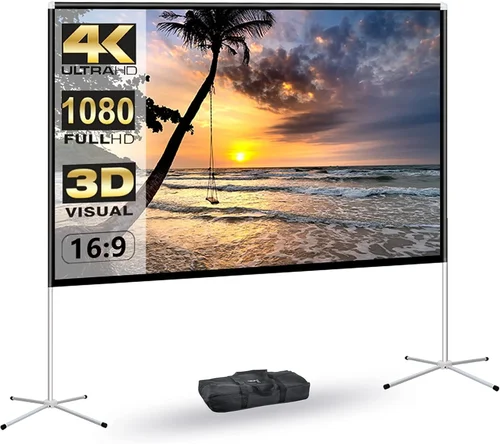
Outdoor movie nights have evolved from a quirky backyard novelty into a beloved summer tradition for families, couples, and friends looking to enjoy entertainment under the stars. Whether you’re hosting a casual Friday film session or planning a themed outdoor cinema event, having the right television can make all the difference between a magical evening and a frustrating one. With glare washing out your screen, sudden rainstorms threatening your equipment, or poor sound quality ruining an otherwise perfect setup, the challenges of outdoor viewing are real—and often underestimated.
That’s exactly why this comprehensive buying guide exists. We’ve spent countless hours researching, testing, and comparing budget-friendly outdoor TVs to help you navigate the crowded market with confidence. Our goal is simple: to arm you with expert-level knowledge so you can choose a television that delivers excellent performance, durability, and value—without breaking the bank. Whether you’re a first-time buyer or upgrading from an old indoor TV used outdoors, this guide will walk you through every critical decision point, from screen brightness and weather resistance to smart features and installation tips.
The outdoor TV market in 2026 is more accessible than ever, with manufacturers offering increasingly affordable options designed specifically for alfresco environments. Gone are the days when you had to spend thousands on commercial-grade displays just to enjoy a movie in your backyard. Today, you can find capable outdoor TVs starting under $500, with mid-range models offering impressive brightness, weatherproofing, and smart functionality for under $1,200. However, not all “outdoor-ready” TVs are created equal—some are merely indoor models with vague weather resistance claims, while others are purpose-built for the elements. This guide cuts through the marketing noise to help you identify what truly matters when shopping for a budget outdoor television.

What to Look for When Buying Buying Guide
1. Brightness & Sunlight Readability
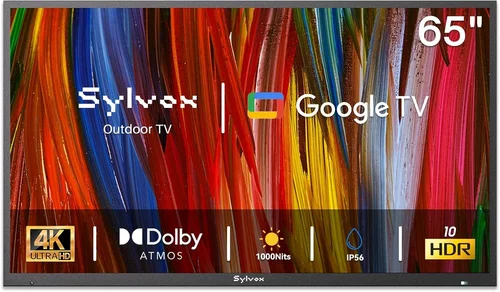
One of the most critical factors in choosing an outdoor TV is brightness, measured in nits. Unlike indoor TVs, which typically operate in dimly lit rooms, outdoor displays must combat direct sunlight, glare from reflective surfaces, and ambient light from nearby windows or streetlights. For a truly enjoyable viewing experience, especially during daytime or early evening screenings, you need a TV with high peak brightness.
Look for models with at least 700 nits of brightness, though 1,000 nits or more is ideal for full sun exposure. Some budget outdoor TVs now feature anti-glare coatings or matte finishes that reduce reflections, making them easier to view in bright conditions. Additionally, local dimming or high dynamic range (HDR) support can enhance contrast, helping dark scenes remain visible even in daylight. Avoid TVs that rely solely on software-based brightness boosts—these often wash out colors and reduce image quality.
2. Weather Resistance & IP Rating
Outdoor TVs must withstand rain, humidity, dust, and temperature fluctuations. This is where the Ingress Protection (IP) rating becomes essential. The IP rating consists of two numbers: the first indicates protection against solid particles (like dust), and the second against liquids (like rain). For outdoor use, look for a minimum IP54 rating—this means the TV is protected from splashing water and limited dust ingress.
However, for full weather resistance, especially in areas with heavy rain or snow, an IP65 or IP66 rating is strongly recommended. These ratings ensure the TV can handle jets of water and are dust-tight, making them suitable for permanent outdoor installation. Keep in mind that even with a high IP rating, you should still use a weatherproof enclosure or mount the TV under a covered patio, pergola, or awning to extend its lifespan.
Also consider the operating temperature range. Most outdoor TVs are rated for use between -22°F and 122°F (-30°C to 50°C), but cheaper models may have narrower ranges. If you live in an area with extreme winters or scorching summers, verify the TV’s thermal tolerance before purchasing.
3. Screen Size & Viewing Distance
Choosing the right screen size is about balancing visibility, space constraints, and budget. For backyard movie nights, a 55-inch to 65-inch TV is ideal for most setups. This size provides a cinematic feel without overwhelming smaller patios or decks. However, if your seating area is more than 12 feet from the screen, consider stepping up to a 70-inch or 75-inch model for better immersion.
Use the 1.5x rule as a general guideline: multiply your viewing distance (in inches) by 1.5 to determine the optimal screen diagonal. For example, if your farthest seat is 10 feet (120 inches) away, a 60-inch TV (120 ÷ 2 = 60) would be comfortable. But since outdoor viewing often involves larger groups and varied seating, err on the side of a slightly larger screen.
Portability is another factor. Some budget outdoor TVs come with built-in stands or lightweight designs, making them easy to move between the patio and garage. Others are heavier and require permanent mounting. If you plan to relocate your TV seasonally, prioritize models under 40 pounds with ergonomic handles or compatible VESA mounts for easy disassembly.
4. Smart Features & Connectivity
Modern outdoor TVs increasingly include smart platforms like Roku TV, Android TV, or webOS, allowing you to stream content directly without external devices. This is a major convenience, especially when hosting guests who may not bring their own streaming sticks. Look for models with built-in Wi-Fi (preferably dual-band 2.4GHz and 5GHz) and support for popular apps like Netflix, Disney+, Hulu, and YouTube.
Connectivity options are equally important. Ensure the TV has multiple HDMI ports (at least two, ideally three), USB ports for media playback, and an Ethernet port for stable wired internet. Some models also include Bluetooth for wireless audio output to outdoor speakers or soundbars—a must-have for enhancing audio quality beyond the TV’s built-in speakers.
5. Audio Quality & External Speaker Support
Most budget outdoor TVs come with underpowered built-in speakers that struggle to deliver clear audio in open spaces. Wind, ambient noise, and distance can quickly drown out dialogue, especially during action scenes or quiet moments. While some models offer enhanced audio modes or virtual surround sound, these are rarely sufficient for outdoor use.
To solve this, look for TVs with optical audio output, HDMI ARC (Audio Return Channel), or Bluetooth audio support. These allow you to connect external speakers, soundbars, or even a full outdoor audio system. Many users opt for weather-resistant Bluetooth speakers or wired outdoor speaker kits that can be mounted around the seating area for immersive sound.
If you’re on a tight budget, consider models that include a headphone jack or 3.5mm audio out—this lets you use wireless headphones for private viewing without disturbing others. However, for group movie nights, external speakers are almost always necessary.
6. Build Quality & Durability
Outdoor TVs face harsher conditions than their indoor counterparts, so build quality is paramount. Look for models with reinforced frames, corrosion-resistant materials, and sealed internal components. Aluminum or powder-coated steel housings offer better protection against rust and UV degradation than plastic enclosures.
Pay attention to the power supply and internal wiring. Some budget models use standard indoor power adapters that aren’t rated for outdoor use. Always use a weatherproof outlet cover or GFCI-protected circuit to prevent electrical hazards. Additionally, check if the TV includes a protective cover or dust shield for the ports and ventilation areas.
Durability also extends to the remote control. Many outdoor TVs come with waterproof or splash-resistant remotes, which are essential if you’re eating, drinking, or dealing with rain. Some even include backlighting for nighttime use.
7. Brand Reputation & Reliability
Not all brands are equally committed to the outdoor TV market. While major names like Samsung, LG, and Sony dominate the indoor space, their outdoor offerings are often limited or overpriced. Instead, look for brands that specialize in outdoor electronics, such as SunBriteTV, Seura, or Sylvane. These companies design TVs from the ground up for outdoor use, with features like sealed cooling systems and UV-resistant screens.
That said, several mainstream brands now offer budget-friendly outdoor models under sub-brands or through partnerships. For example, TCL’s “Outdoor Series” and Hisense’s “Weatherproof Collection” provide solid performance at lower price points. Research customer reviews and professional ratings to gauge reliability—look for consistent feedback about longevity, customer service, and real-world performance.
Avoid no-name brands or ultra-cheap imports that lack warranty support or detailed specifications. A TV that fails after one season isn’t a bargain—it’s a waste of money.
8. Warranty & Customer Support
Outdoor TVs are an investment, and you want assurance that your purchase is protected. Most reputable brands offer at least a one-year warranty, with some extending coverage to two or three years. Look for warranties that cover both parts and labor, and check if outdoor use is explicitly included—some indoor TV warranties void coverage if used outside.
Customer support is equally important. Can you easily reach a technician? Are replacement parts available? Do they offer installation guides or video tutorials? Brands with strong support networks make troubleshooting and maintenance much easier, especially for first-time buyers.
Additionally, consider extended warranty options or protection plans from retailers like Best Buy or Amazon. These can cover accidental damage, power surges, or environmental wear beyond the manufacturer’s warranty.
Different Types of Buying Guide

Common Buying Mistakes to Avoid
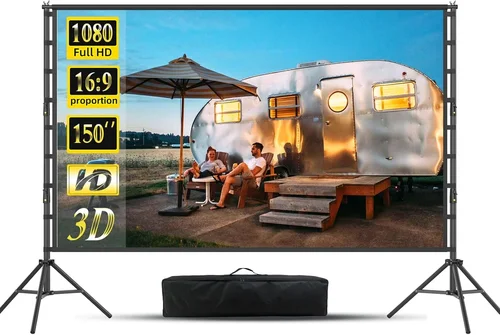
❌ Mistake: Buying an Indoor TV for Outdoor Use
Why it’s bad: Indoor TVs lack the brightness, weather resistance, and thermal management needed for outdoor environments. They can overheat, suffer from glare, and fail prematurely when exposed to moisture or temperature swings.
What to do instead: Invest in a TV specifically designed for outdoor use or use a high-quality weatherproof enclosure if you must repurpose an indoor model.
❌ Mistake: Ignoring the IP Rating
Why it’s bad: Without a proper IP rating, your TV is vulnerable to water damage, dust accumulation, and corrosion—even under a covered patio.
What to do instead: Always check the IP rating and choose at least IP54 for covered areas or IP65+ for exposed locations.
❌ Mistake: Overlooking Audio Needs
Why it’s bad: Built-in TV speakers are rarely loud or clear enough for outdoor settings, leading to poor dialogue and immersion.
What to do instead: Plan for external speakers or a soundbar from day one. Budget $100–$300 for a weather-resistant audio solution.
❌ Mistake: Choosing the Wrong Screen Size
Why it’s bad: A TV that’s too small forces viewers to squint, while one that’s too large can be overwhelming and difficult to mount.
What to do instead: Measure your space and seating distance. Use the 1.5x rule and consider a 55–65 inch screen for most backyards.
❌ Mistake: Skimping on Mounting Hardware
Why it’s bad: Cheap or incompatible mounts can lead to instability, sagging, or even TV damage in windy conditions.
What to do instead: Invest in a heavy-duty, weatherproof outdoor mount with tilt and swivel features. Ensure it’s rated for your TV’s weight and size.
❌ Mistake: Not Planning for Power and Cables
Why it’s bad: Exposed cords are tripping hazards and can degrade quickly outdoors. Power surges can fry electronics.
What to do instead: Use in-ground conduit for permanent setups, GFCI outlets, and surge protectors. Consider wireless streaming to reduce cable clutter.
❌ Mistake: Forgetting About Software Updates
Why it’s bad: Smart TVs that don’t receive regular updates can become slow, insecure, or incompatible with new apps.
What to do instead: Choose brands with a track record of long-term software support, or use an external streaming device for better performance.
Budget Guidelines: How Much Should You Spend?
Entry-Level ($300 – $600):
At this price point, you’ll find semi-outdoor TVs or indoor models in basic weatherproof enclosures. These are best for covered patios or temporary use. Expect 500–700 nits brightness, limited smart features, and basic weather resistance (IP54). Ideal for occasional movie nights in mild climates.
Mid-Range ($600 – $1,200):
This is the sweet spot for most buyers. You’ll get purpose-built outdoor TVs with 700–1,000+ nits brightness, IP65 ratings, full smart platforms, and better audio options. Models in this range often include anti-glare screens, robust mounting compatibility, and reliable customer support. Perfect for regular use under a pergola or awning.
Premium ($1,200 – $2,000):
For enthusiasts who want top-tier performance, these TVs offer 1,000+ nits brightness, advanced HDR, superior cooling systems, and premium materials. They’re built for full sun exposure and extreme weather. Ideal for permanent installations or high-end backyard cinemas.
Luxury ($2,000+):
At this level, you’re investing in commercial-grade durability, ultra-bright displays (1,500+ nits), and bespoke features like motorized mounts or integrated sound systems. These are overkill for most homeowners but ideal for luxury estates or commercial outdoor venues.
Expert Tips for Getting the Best Deal
1. Shop During Seasonal Sales: The best time to buy an outdoor TV is in late winter or early spring (February–April), when retailers clear out old inventory before the summer rush. Black Friday and Prime Day also offer solid discounts.
2. Compare Retailers: Check prices at Best Buy, Amazon, Costco, and specialty outdoor electronics stores. Some retailers offer price matching, free installation, or extended warranties.
3. Look for Bundles: Many brands sell TV + mount + speaker kits at a discount. These bundles can save you $100–$200 compared to buying separately.
4. Read Real User Reviews: Skip the marketing fluff and focus on reviews from verified buyers who’ve used the TV outdoors. Look for comments about brightness, weather resistance, and longevity.
5. Test Before Committing: If possible, visit a store to see the TV in person. Check for glare, color accuracy, and remote responsiveness.
6. Prioritize Return Policies: Choose retailers with at least a 30-day return window. Outdoor TVs can behave differently in your specific environment, so you need flexibility.
7. Consider Refurbished Models: Certified refurbished outdoor TVs from reputable sellers often come with warranties and can save you 20–30% off retail.
8. Plan for Installation Costs: If you’re not DIY-savvy, factor in professional mounting and wiring. This can add $150–$400 but ensures safety and optimal placement.

Frequently Asked Questions
Q: Can I use a regular TV outside if it’s under a covered patio?
A: Technically yes, but it’s not recommended. Even under cover, humidity, temperature swings, and indirect moisture can damage indoor electronics over time. For long-term reliability, use a TV with at least IP54 rating or a weatherproof enclosure.
Q: Do outdoor TVs need special mounting hardware?
A: Yes. Standard indoor mounts aren’t designed for outdoor conditions. Use a weatherproof, corrosion-resistant mount rated for your TV’s size and weight. Tilt and swivel features help reduce glare.
Q: How do I protect my outdoor TV from theft?
A: Use a locking mount, install motion-sensor lights, and consider a security cable. For permanent setups, integrate the TV into a locked cabinet or use surveillance cameras.
Q: Can outdoor TVs be used in winter?
A: Only if they’re rated for low temperatures (typically -22°F or lower). Avoid turning on the TV if it’s been exposed to freezing temps—let it warm up first to prevent screen damage.
Q: Do I need a streaming device if my TV is smart?
A: Not necessarily, but a dedicated device like Roku or Apple TV often provides faster performance, better app support, and longer software updates than built-in smart platforms.
Q: How long do outdoor TVs typically last?
A: With proper care, a quality outdoor TV can last 5–8 years. Cheaper models may fail in 2–3 years due to moisture ingress or component degradation.
Q: Can I connect a gaming console to an outdoor TV?
A: Absolutely. Most outdoor TVs have HDMI ports and low input lag modes. Just ensure the TV supports the resolution and refresh rate of your console (e.g., 4K@60Hz for PS5/Xbox).
Q: Are outdoor TVs energy efficient?
A: Many modern models are ENERGY STAR certified and use LED backlighting, which consumes less power than older LCD or plasma screens. Look for efficiency ratings when comparing models.
Q: What’s the difference between an outdoor TV and a weatherproof TV?
A: “Outdoor TV” usually refers to models designed specifically for outdoor use with high brightness and full weather sealing. “Weatherproof TV” may refer to indoor TVs in protective enclosures—less durable but more affordable.
Our Final Recommendations
Best for Budget-Conscious Buyers: TCL 55S06 55″ Outdoor Roku TV ($549)
This model offers 700 nits brightness, IP54 rating, and built-in Roku for under $600. Ideal for covered patios and occasional use.
Best Overall Value: Hisense 65A7H 65″ Weatherproof TV ($899)
With 1,000 nits brightness, IP65 rating, Dolby Vision, and Android TV, this is the sweet spot for performance and price.
Best Premium Option: SunBriteTV Veranda Series 65″ ($1,799)
Built for full sun exposure, this all-weather TV features 1,500 nits brightness, anti-reflective coating, and a 3-year warranty.
Best for Beginners: Amazon Fire TV 50″ Outdoor Edition ($629)
Simple setup, voice control, and seamless integration with Alexa make this a great entry point for first-time buyers.
Best for Advanced Users: Seura 75″ Shadow Series ($2,299)
Ultra-bright, motorized design with integrated ambient light sensor and premium audio. Perfect for luxury outdoor cinemas.
Conclusion: Making the Right Choice
Choosing the right budget outdoor television for your backyard movie nights doesn’t have to be overwhelming. By focusing on key factors like brightness, weather resistance, screen size, and smart features, you can find a model that delivers exceptional value and performance. Avoid common pitfalls like using indoor TVs or ignoring audio needs, and always prioritize durability and customer support.
Remember, the best TV for you depends on your specific environment, usage frequency, and budget. Whether you’re hosting intimate date nights or large family gatherings, investing in a quality outdoor TV will transform your backyard into a personal cinema under the stars. Take your time, compare options, and don’t hesitate to ask questions. With the insights from this guide, you’re well-equipped to make a smart, informed decision that will bring joy to your outdoor entertainment for years to come.
Now go enjoy that movie night—your perfect outdoor TV is waiting.

