
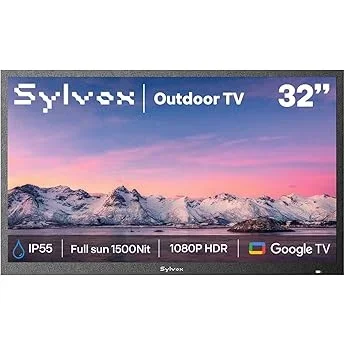
Outdoor living spaces have become extensions of our homes—especially for apartment dwellers who rely on balconies, patios, or shared rooftop areas as their primary outdoor retreats. Whether you’re sipping morning coffee under the sun or hosting a casual movie night under the stars, having a reliable television that can withstand the elements makes all the difference. But here’s the catch: not every TV is built for life outside. Standard indoor TVs can warp, fog up, or fail entirely when exposed to humidity, temperature swings, rain, or direct sunlight. That’s why choosing the right outdoor TV is critical—and why this guide exists.
This comprehensive buyer’s guide is designed specifically for apartment residents looking to invest in a budget-friendly outdoor television without sacrificing performance or durability. We’ll walk you through everything you need to know—from understanding key technical specs to avoiding common pitfalls—so you can make a smart, informed decision. Whether you’re working with a tight budget or just want maximum value for your money, we’ve got you covered. By the end of this guide, you’ll know exactly what to look for, which features matter most, and how to stretch your dollars further without compromising on quality.
The market for outdoor TVs has evolved significantly in recent years. What was once a niche category dominated by ultra-expensive, commercial-grade models now includes a growing number of affordable options tailored for residential use—especially in urban settings like apartments. Brands like SunBrite, Sylvane, and even mainstream manufacturers like Samsung and LG have introduced outdoor-ready displays with weather-resistant coatings, anti-glare screens, and ruggedized casings. At the same time, third-party enclosures and DIY solutions have made it possible to convert standard TVs into outdoor-friendly setups at a fraction of the cost. With so many choices available, it’s easier than ever to enjoy high-quality entertainment outdoors—even on a modest budget.

What to Look for When Buying Buying Guide
1. Budget & Price Range
Setting a realistic budget is the first and most important step in your outdoor TV journey. Unlike indoor TVs, which can start as low as $150 for basic models, outdoor televisions come with added costs due to specialized engineering and protective features. For apartment dwellers, the sweet spot typically falls between $400 and $1,200. This range offers a balance of durability, brightness, and smart functionality without breaking the bank.
At the lower end ($300–$500), you’ll find compact outdoor TVs or indoor TVs paired with weatherproof enclosures. These are ideal for covered balconies or screened-in patios where full exposure to rain or snow is unlikely. Mid-range options ($500–$900) often include built-in weather resistance, higher brightness levels (measured in nits), and better contrast ratios for daytime viewing. Premium budget models ($900–$1,200) may offer full IP55 or IP65 weatherproof ratings, integrated smart platforms, and enhanced audio systems.
It’s tempting to go for the cheapest option, but remember: outdoor TVs are long-term investments. A $350 model that fails after one season due to moisture damage will cost you more in the long run than a $600 unit that lasts five years. Always factor in longevity, warranty coverage, and potential replacement costs when evaluating price.
2. Performance Specifications
Performance matters just as much outdoors as it does indoors—but with some key differences. Brightness is paramount. Indoor TVs typically range from 250 to 500 nits, but outdoor environments demand much higher luminance to combat glare from sunlight. Aim for a minimum of 700 nits, though 1,000+ nits is ideal for partially shaded or sunlit areas. Without sufficient brightness, images appear washed out, colors lose vibrancy, and details vanish—even during overcast days.
Resolution should also be a priority. While 1080p (Full HD) is acceptable for smaller screens (under 43 inches), 4K UHD is strongly recommended for anything larger. Modern streaming services like Netflix, Disney+, and YouTube deliver most content in 4K, and you’ll notice a significant difference in clarity—especially when sitting close to the screen on a small balcony.
Refresh rate and response time are less critical for casual viewing but worth noting if you plan to watch sports or play video games. A 60Hz refresh rate is standard and sufficient for most users, but 120Hz models offer smoother motion and are better suited for fast-paced content. Input lag under 20ms is ideal for gaming, though this is rarely a concern for typical outdoor entertainment.
Color accuracy and contrast ratio also play roles in outdoor visibility. Look for TVs with high dynamic range (HDR10 or Dolby Vision) support, as these enhance shadow detail and color depth—making scenes pop even in bright conditions. However, avoid overly aggressive local dimming on budget models, as it can cause blooming or halos around bright objects.
3. Build Quality & Durability
An outdoor TV must endure temperature fluctuations, humidity, dust, and occasional splashes—especially in apartment settings where space is limited and exposure is unpredictable. The build quality directly impacts how well your TV resists these challenges. Start by checking the ingress protection (IP) rating. IP55 means the TV is protected against dust and low-pressure water jets from any direction—ideal for most covered outdoor spaces. IP65 offers even greater protection, including resistance to heavy rain and snow.
The chassis material matters too. Aluminum or powder-coated steel frames resist rust and corrosion far better than plastic. Internal components should be sealed or coated to prevent moisture ingress, and vents (if present) should include filters to block dust and insects. Some manufacturers use conformal coating—a protective layer applied to circuit boards—to guard against condensation.
Thermal management is another often-overlooked aspect. Outdoor TVs generate heat, and without proper ventilation or passive cooling, internal temperatures can rise dangerously—leading to premature failure. Look for models with passive cooling systems (no fans) to reduce noise and maintenance needs. Active cooling (with fans) is louder and more prone to mechanical failure but may be necessary for hotter climates.
Finally, consider the screen itself. Anti-reflective or anti-glare coatings are essential for reducing mirror-like reflections from windows, railings, or nearby buildings. Tempered glass fronts add scratch resistance and improve safety, especially in high-traffic areas like shared apartment terraces.
4. Features & Functionality
Modern outdoor TVs pack impressive features that rival their indoor counterparts—but not all are created equal. Smart TV platforms like Roku TV, Android TV, or webOS allow direct access to streaming apps without needing an external device. This is a huge convenience for apartment users who want a streamlined setup. However, ensure the OS receives regular updates; outdated software can lead to security vulnerabilities and app incompatibilities.
Connectivity is crucial. Look for multiple HDMI ports (at least two), USB inputs for media playback, and Wi-Fi 5 or Wi-Fi 6 support for stable streaming. Bluetooth capability lets you pair wireless speakers or headphones—perfect for late-night viewing without disturbing neighbors. Some models even include built-in voice assistants like Alexa or Google Assistant for hands-free control.
Audio performance often gets overlooked, but sound quality suffers outdoors due to open spaces and ambient noise. Built-in speakers on budget outdoor TVs are usually underpowered. Consider models with enhanced audio output (20W or higher) or plan to connect external weatherproof speakers. Optical audio outputs or HDMI ARC support make this easy.
Mounting flexibility is another functional consideration. Most outdoor TVs support VESA mounting patterns (e.g., 200×200, 400×400), but verify compatibility with your chosen wall or ceiling mount. Tilt and swivel mounts are helpful for adjusting viewing angles, especially on uneven surfaces. If you’re renting, check your lease agreement—some landlords prohibit permanent installations.
5. Brand Reputation
Not all brands are equally reliable when it comes to outdoor electronics. Established names like SunBrite (a leader in outdoor displays), Sylvane, and Peerless have years of experience designing TVs specifically for exterior use. Their products undergo rigorous testing for UV resistance, thermal cycling, and moisture exposure. While they tend to be pricier, their reputation for durability justifies the cost for many buyers.
Mainstream brands like Samsung, LG, and TCL now offer “outdoor-compatible” models or partner with enclosure manufacturers. These can be excellent budget alternatives, especially if you’re using a weatherproof case. However, verify that the TV itself isn’t voided of warranty when used outdoors—some manufacturers explicitly prohibit this.
Avoid unknown or generic brands selling “outdoor TVs” on online marketplaces without certifications or customer support. These often cut corners on materials and lack proper testing. Read verified buyer reviews carefully, paying attention to comments about long-term reliability, customer service responsiveness, and real-world performance in various climates.
Brand reputation also affects resale value and trade-in options. A well-known brand holds its value better and may qualify for upgrade programs or extended service plans.
6. Warranty & Support
A solid warranty is your safety net against manufacturing defects and premature failures. Most reputable outdoor TV manufacturers offer at least a 1-year limited warranty, but premium brands may provide 2–3 years. Pay close attention to what’s covered: does it include labor, parts, and on-site service? Is accidental damage or weather-related failure included?
Some companies offer extended warranties or protection plans for an additional fee. These can be worthwhile if you live in a harsh climate (e.g., coastal areas with salt air or regions with extreme temperature swings). However, read the fine print—many exclude “acts of nature” or require professional installation to remain valid.
Customer support quality varies widely. Look for brands with responsive phone, email, or chat support, preferably with technical experts familiar with outdoor installations. Online resources like installation guides, FAQs, and video tutorials are also valuable. Avoid brands that only offer automated responses or outsourced support with long wait times.
If you’re buying through a third-party seller (e.g., Amazon, Best Buy), check whether the warranty is honored directly by the manufacturer or requires the retailer’s involvement. Direct manufacturer warranties are usually more reliable.
7. Size & Portability
Space constraints are a reality for apartment dwellers. A 65-inch TV might look great in theory, but it could overwhelm a small balcony or require structural reinforcement for mounting. Measure your available wall or stand space carefully, including clearance for ventilation and cable routing. Most outdoor TVs range from 32 to 65 inches, with 43 and 50 inches being the most popular for compact outdoor areas.
Portability is another factor if you move frequently or share outdoor spaces. Some outdoor TVs are designed to be lightweight and easy to relocate, while others are heavy and permanently installed. If you rent, consider a freestanding model with a sturdy base or a portable outdoor TV enclosure that lets you use your existing indoor TV safely outside.
Weight also affects mounting requirements. Heavier TVs need stronger brackets and may require professional installation—especially on drywall or thin concrete walls. Always consult a structural engineer or building manager before drilling into shared walls.
Finally, think about viewing distance. For a 43-inch TV, the optimal seating distance is 5–7 feet; for a 55-inch model, aim for 6–9 feet. Sitting too close causes pixelation; too far reduces immersion. Use online viewing distance calculators to find your ideal size.
8. User Reviews & Ratings
Never rely solely on manufacturer claims. Real-world user reviews provide invaluable insights into long-term performance, ease of setup, and hidden flaws. Focus on reviews from buyers in similar environments—apartment dwellers in humid climates, for example, will highlight issues like fogging or corrosion that suburban users might miss.
Look for patterns in feedback. If multiple reviewers mention poor brightness on sunny days or faulty Wi-Fi connectivity, those are red flags. Conversely, consistent praise for durability, picture quality, or customer service signals a trustworthy product.
Use trusted platforms like Amazon, Best Buy, or specialized forums (e.g., AVS Forum) where users post detailed experiences, photos, and even failure reports. Be wary of overly positive reviews that lack specifics—they may be incentivized or fake.
Also check return rates and complaint trends on sites like the Better Business Bureau or Consumer Affairs. A high volume of unresolved issues is a strong indicator of poor quality or support.
Different Types of Buying Guide

Common Buying Mistakes to Avoid
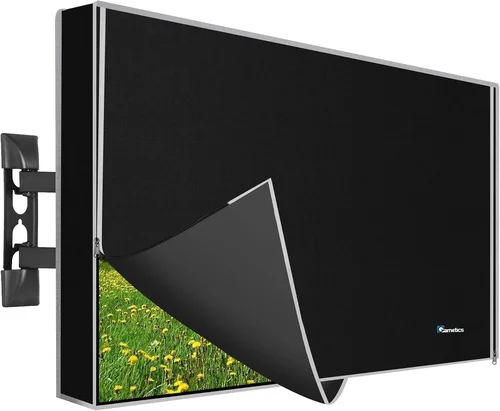
❌ Mistake: Buying a Standard Indoor TV for Outdoor Use
Why it’s bad: Indoor TVs lack weatherproofing, UV protection, and thermal management. Even brief exposure to rain or humidity can cause internal corrosion, screen fogging, or complete failure. Most manufacturers void warranties if used outdoors.
What to do instead: Either purchase a certified outdoor TV or use a high-quality weatherproof enclosure designed for your specific model. Never assume “it’ll be fine under the awning.”
❌ Mistake: Ignoring Brightness Requirements
Why it’s bad: A dim screen turns your outdoor oasis into a frustrating experience. Sunlight washes out images, making it impossible to see details or enjoy vibrant colors—even on cloudy days.
What to do instead: Prioritize TVs with at least 700 nits of brightness. Test the screen in daylight conditions before finalizing your purchase, if possible.
❌ Mistake: Overlooking Mounting and Installation Challenges
Why it’s bad: Improper mounting can lead to structural damage, TV falls, or electrical hazards—especially in apartment buildings with shared walls or strict landlord rules.
What to do instead: Consult your building management before drilling. Use certified outdoor mounts rated for your TV’s weight and wind load. Consider professional installation for peace of mind.
❌ Mistake: Choosing the Wrong Size for Your Space
Why it’s bad: A TV that’s too large overwhelms a small balcony; one that’s too small gets lost and reduces immersion. Both scenarios waste money and space.
What to do instead: Measure your viewing area and use a viewing distance calculator. For most apartment balconies, 43–50 inches is ideal.
❌ Mistake: Skipping the Warranty Check
Why it’s bad: Outdoor TVs are prone to environmental stress. Without a solid warranty, a single failure could cost you hundreds in repairs or replacements.
What to do instead: Always verify warranty terms, coverage duration, and support channels. Opt for extended protection if you live in a harsh climate.
❌ Mistake: Neglecting Audio Needs
Why it’s bad: Built-in speakers on outdoor TVs are often weak and muffled by wind or ambient noise. You’ll end up straining to hear dialogue.
What to do instead: Plan for external weatherproof speakers or a soundbar. Ensure your TV has audio outputs (optical, HDMI ARC, or Bluetooth) for easy connectivity.
❌ Mistake: Falling for “Too Good to Be True” Deals
Why it’s bad: Extremely low-priced “outdoor TVs” often use substandard components, fake certifications, or misleading marketing. They rarely last more than a season.
What to do instead: Stick to reputable brands and retailers. If a deal seems suspiciously cheap, research the seller and read unbiased reviews.
Budget Guidelines: How Much Should You Spend?
Entry-Level ($300–$500): This tier is best for covered or semi-protected areas like screened patios or balconies with overhead coverage. Expect basic weather resistance (often via an enclosure), 1080p or entry-level 4K resolution, and modest brightness (500–700 nits). Smart features may be limited or absent. Ideal for casual viewers who prioritize affordability over premium performance.
Mid-Range ($500–$900): The sweet spot for most apartment dwellers. These TVs offer true outdoor readiness with IP55 ratings, 700–1,000+ nits brightness, full 4K HDR support, and reliable smart platforms. Build quality is solid, with aluminum frames and anti-glare screens. Many include enhanced audio and multiple connectivity options. This range delivers excellent value and longevity.
Premium ($900–$1,500): Designed for enthusiasts and those in challenging environments. Expect IP65 ratings, ultra-bright displays (1,200+ nits), advanced thermal management, and premium materials. Smart features are robust, often with voice control and app ecosystems. Audio systems are more powerful, and warranties typically extend to 2–3 years. Perfect for partially exposed areas or high-end apartment amenities.
Luxury ($1,500+): Top-tier models built for commercial or extreme residential use. These feature military-grade durability, 24/7 operation capability, vandal-resistant designs, and professional installation support. While overkill for most apartment users, they’re worth considering for large shared spaces or luxury buildings with dedicated outdoor entertainment zones.
Expert Tips for Getting the Best Deal
- Time your purchase: Outdoor TVs see peak discounts during spring (March–May) as retailers prepare for summer demand. Black Friday and Cyber Monday also offer solid deals, but selection may be limited.
- Shop at specialty retailers: Stores like Sylvane, Abt Electronics, or Crutchfield specialize in outdoor electronics and often provide better advice, bundled mounts, and extended return windows.
- Compare enclosure bundles: Some sellers offer indoor TV + weatherproof case packages at lower prices than standalone outdoor models. Ensure the enclosure is UL-listed and compatible with your climate.
- Check for open-box or refurbished units: Certified refurbished outdoor TVs from reputable sellers can save 20–30% while retaining full functionality and warranty coverage.
- Negotiate installation: Many retailers include free or discounted mounting services with purchase—especially for mid-to-high-end models. Don’t hesitate to ask.
- Read return policies carefully: Outdoor TVs are often large and expensive to return. Ensure you have at least 30 days to test the unit in real conditions.
- Test before committing: If buying in-store, request a demo in bright lighting. Online? Watch unboxing and review videos that show daytime performance.
- Join loyalty programs: Retailers like Best Buy or Amazon offer member-exclusive discounts, early access to sales, and reward points redeemable toward future purchases.

Frequently Asked Questions
Q: Can I use a regular TV outside if it’s under a roof?
A: Technically yes—but it’s risky. Even under cover, humidity, temperature swings, and indirect moisture can damage internal components. Most indoor TV warranties are voided by outdoor use. For true peace of mind, use a certified outdoor model or a high-quality weatherproof enclosure.
Q: Do outdoor TVs need special mounts?
A: Yes. Standard indoor mounts aren’t designed for outdoor conditions like wind, rust, or thermal expansion. Use mounts specifically rated for outdoor use, with corrosion-resistant hardware and sufficient weight capacity.
Q: How do I clean an outdoor TV screen?
A: Use a microfiber cloth and distilled water only. Avoid ammonia-based cleaners, paper towels, or abrasive materials. For stubborn grime, lightly dampen the cloth—never spray liquid directly on the screen.
Q: Will an outdoor TV work in winter?
A: Most outdoor TVs operate safely between -22°F and 122°F (-30°C to 50°C). However, extreme cold can temporarily reduce brightness or cause lag. Allow the TV to acclimate before turning it on in freezing conditions.
Q: Can I connect a soundbar to an outdoor TV?
A: Absolutely. Most outdoor TVs support HDMI ARC, optical audio, or Bluetooth. Just ensure the soundbar is also weather-resistant or placed in a protected area.
Q: Are outdoor TVs energy efficient?
A: Modern outdoor models are surprisingly efficient, especially LED-backlit 4K TVs. Look for ENERGY STAR certification to minimize power consumption—important if running the TV frequently.
Q: What’s the difference between IP55 and IP65?
A: IP55 protects against dust and low-pressure water jets. IP65 adds protection against powerful water jets and is better suited for areas with heavy rain or snow. Both are suitable for most apartment balconies.
Q: Can I stream Netflix on an outdoor TV?
A: Yes, if it has a smart platform (Roku, Android TV, etc.) and a stable Wi-Fi connection. Ensure your internet plan supports HD/4K streaming, as outdoor areas may have weaker signals.
Q: How long do outdoor TVs last?
A: With proper care, a quality outdoor TV can last 5–8 years—sometimes longer. Factors like climate, usage frequency, and maintenance play big roles.
Q: Do I need a permit to install an outdoor TV in my apartment?
A: Possibly. Many landlords or homeowners’ associations (HOAs) require approval for exterior modifications. Always check your lease or building rules before drilling or mounting.
Our Final Recommendations
Best for Budget-Conscious Buyers: TCL 43S5400 43″ Outdoor-Ready Smart TV with Sylvane Weatherproof Enclosure – Combines a reliable 4K Roku TV with a tested IP55 enclosure for under $600. Perfect for covered balconies.
Best Overall Value: SunBrite Veranda Series 50″ 4K UHD Outdoor TV – Fully sealed, 1,000-nit brightness, IP55 rating, and built-in smart features. Priced around $1,100, it’s durable, bright, and user-friendly.
Best Premium Option: Sylvane Pro 55″ All-Weather Outdoor TV – IP65-rated, 1,500-nit display, commercial-grade build, and 3-year warranty. Ideal for exposed rooftops or luxury apartments.
Best for Beginners: LG 43LM6300 43″ Indoor TV + Peerless Outdoor Enclosure Kit – Easy setup, familiar interface, and flexible mounting. Great for renters testing the outdoor TV waters.
Best for Advanced Users: Samsung The Terrace 55″ Full Sun Outdoor TV – Ultra-bright (2,000 nits), anti-reflective coating, and seamless integration with Samsung ecosystems. Built for serious outdoor entertainment.
Conclusion: Making the Right Choice
Choosing the right outdoor TV for your apartment doesn’t have to be overwhelming—or expensive. By focusing on key factors like brightness, weather resistance, size, and warranty, you can find a model that fits both your budget and your lifestyle. Remember, the goal isn’t to buy the most feature-packed TV on the market, but the one that delivers reliable performance in your specific environment.
Prioritize your needs: Are you watching mostly at night? Do you have full sun exposure? Will you move frequently? Answering these questions will guide you toward the perfect balance of cost, quality, and functionality. And don’t forget to factor in long-term value—spending a little more upfront often saves money and frustration down the road.
Whether you’re enjoying a quiet evening under string lights or hosting friends for a game night under the open sky, the right outdoor TV transforms your small space into a true extension of your home. Use this guide as your roadmap, shop wisely, and soon you’ll be relaxing with your favorite shows—rain or shine.

