
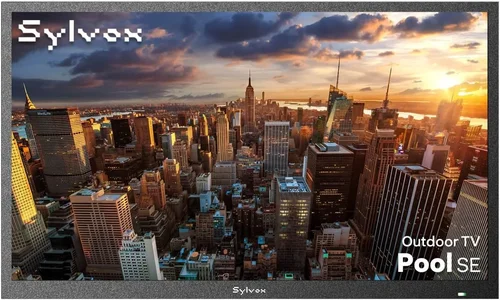
Outdoor sports watching has evolved dramatically over the past decade. What once meant huddling around a small, weather-beaten TV or relying on a smartphone screen has transformed into a full-fledged backyard entertainment experience. Whether you’re hosting a Super Bowl party, cheering on your local soccer team during a summer tournament, or catching the Olympics with friends under the stars, having a reliable outdoor TV on your deck makes all the difference. But here’s the catch: not every TV is built to withstand the elements, and premium outdoor models can easily cost thousands of dollars. That’s why understanding how to choose a budget deck TV in 2026 is more important than ever.
This guide is designed for anyone who wants to enjoy high-quality sports viewing outdoors without breaking the bank. Whether you’re a casual fan or a die-hard sports enthusiast, we’ll walk you through everything you need to know to make a smart, informed decision. You’ll learn what features truly matter for outdoor use, how to balance performance and price, and where to find the best deals in today’s market. We’ll also help you avoid common pitfalls that lead to buyer’s remorse—like buying a TV that looks great indoors but fails miserably in direct sunlight or light rain.
The market for outdoor TVs has expanded significantly, with more manufacturers offering affordable options that don’t sacrifice essential functionality. From weather-resistant displays to anti-glare screens and built-in streaming capabilities, today’s budget deck TVs are surprisingly capable. However, not all “outdoor-ready” TVs are created equal. Some are simply indoor models marketed for outdoor use, while others are purpose-built for durability and visibility in challenging conditions. Our goal is to cut through the marketing noise and give you the expert-level insight you need to choose a TV that delivers great picture quality, reliable performance, and long-term value—all within your budget.

What to Look for When Buying Buying Guide
1. Budget & Price Range
Setting a realistic budget is the first and most crucial step in choosing a deck TV. In 2026, budget-friendly outdoor TVs typically range from $300 to $800, with some entry-level models dipping below $250 and premium budget options reaching up to $1,000. The key is to understand what you’re getting at each price point. At the lower end, you’ll find basic models with limited brightness and minimal weather protection—suitable for covered patios or mild climates. Mid-range options ($500–$700) often include better brightness, improved durability, and smart features like built-in Wi-Fi and streaming apps. Higher-end budget models may offer full weatherproofing, enhanced anti-glare coatings, and even voice control.
When setting your budget, consider not just the upfront cost but also long-term value. A $400 TV that lasts three years may end up costing more per year than a $600 model that lasts five. Also, factor in potential add-ons like mounting hardware, weatherproof enclosures, or extended warranties. Don’t forget to account for installation costs if you’re not DIY-savvy. A slightly higher initial investment in a more durable, feature-rich model can save you money and frustration down the line.
2. Performance Specifications
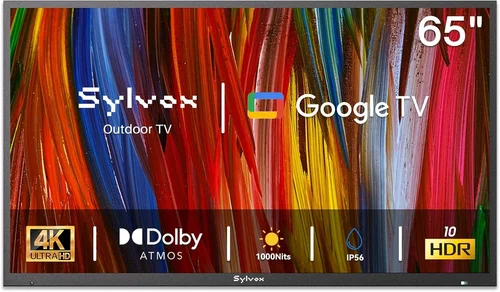
Performance specs are where many budget buyers go wrong. It’s easy to get distracted by flashy features like “4K Ultra HD” or “smart TV,” but for outdoor use, certain specs matter more than others. The most critical performance factor is brightness, measured in nits. Indoor TVs typically range from 250 to 400 nits, but for outdoor viewing—especially in daylight—you need at least 700 nits, with 1,000+ nits being ideal. Without sufficient brightness, the screen will appear washed out in direct sunlight, making it nearly impossible to follow fast-paced sports action.
Resolution is important, but 1080p (Full HD) is often sufficient for screens under 50 inches, especially if viewers will be seated 6–10 feet away. For larger screens or closer viewing, 4K resolution provides sharper detail, which is beneficial for spotting player numbers or reading scoreboards. Refresh rate is another key spec: look for at least 60Hz, but 120Hz is better for smooth motion during high-speed sports like football or racing. Avoid TVs with low refresh rates, as they can cause motion blur that distracts from the action.
Color accuracy and contrast ratio also play a role. While OLED TVs offer superior contrast, they’re rarely found in budget outdoor models due to cost and burn-in risks. Instead, look for LED-LCD TVs with local dimming or high dynamic range (HDR) support, which can enhance depth and vibrancy. However, keep in mind that HDR performance varies widely—even among budget models—so read reviews to see how well the TV handles real-world content.
3. Build Quality & Durability
Outdoor TVs face unique environmental challenges: UV exposure, temperature swings, humidity, dust, and even light rain or snow. A TV that looks great in a showroom can fail quickly when mounted on a deck. That’s why build quality and durability are non-negotiable. Start by checking the TV’s IP (Ingress Protection) rating. For outdoor use, an IP54 rating is the minimum—this means the TV is protected against dust and water splashes from any direction. For areas with heavy rain or coastal climates, aim for IP55 or higher.
The materials used in the TV’s construction also matter. Look for metal chassis or reinforced plastic housings that resist warping and corrosion. Avoid models with exposed ports or flimsy back panels, as these are prone to damage. The screen should have a protective coating to resist scratches and UV degradation. Some budget models include a tempered glass front, which adds durability but may increase glare—so balance protection with visibility.
Mounting hardware is another durability consideration. Ensure the TV is VESA-compatible (most are) and that the mounting bracket is rated for outdoor use. Many budget TVs come with basic stands, but for deck installation, a wall or ceiling mount is usually necessary. Invest in a weatherproof mount with rust-resistant screws and seals to prevent water intrusion.
4. Features & Functionality
Modern budget deck TVs come packed with features that enhance the outdoor viewing experience. Smart TV functionality is now standard in most models, allowing access to streaming services like Netflix, YouTube, Hulu, and ESPN+. This is especially useful for watching live sports through apps like ESPN+, Peacock, or Paramount+. Look for TVs with updated operating systems—such as Roku TV, Google TV, or webOS—that receive regular software updates and support a wide range of apps.
Voice control is another valuable feature. Models with built-in Google Assistant or Alexa let you change channels, adjust volume, or search for games using voice commands—handy when your hands are full with snacks or drinks. Bluetooth connectivity allows you to pair wireless speakers or headphones, which is great for private listening or enhancing audio in noisy outdoor environments.
Connectivity options are crucial. Ensure the TV has multiple HDMI ports (at least two, preferably three), USB ports for media playback, and an Ethernet port for wired internet—Wi-Fi can be unreliable outdoors due to signal interference. Some models also include RF antenna inputs for over-the-air broadcasts, which is a cost-effective way to watch local sports channels without a cable subscription.
Additional features to consider include sleep timers, closed captioning, and parental controls—especially if kids will be using the TV. Some budget models even offer built-in digital tuners for free HD broadcasts, which can save you money on streaming subscriptions.
5. Brand Reputation
Not all TV brands are created equal, especially when it comes to outdoor performance. While major brands like Samsung, LG, and Sony dominate the indoor market, their budget outdoor offerings can be hit or miss. Instead, look for brands with a proven track record in outdoor electronics, such as SunBriteTV (now part of Sylvane), Seura, or Peerless-AV. These companies specialize in weather-resistant displays and often offer better durability and support than general electronics brands.
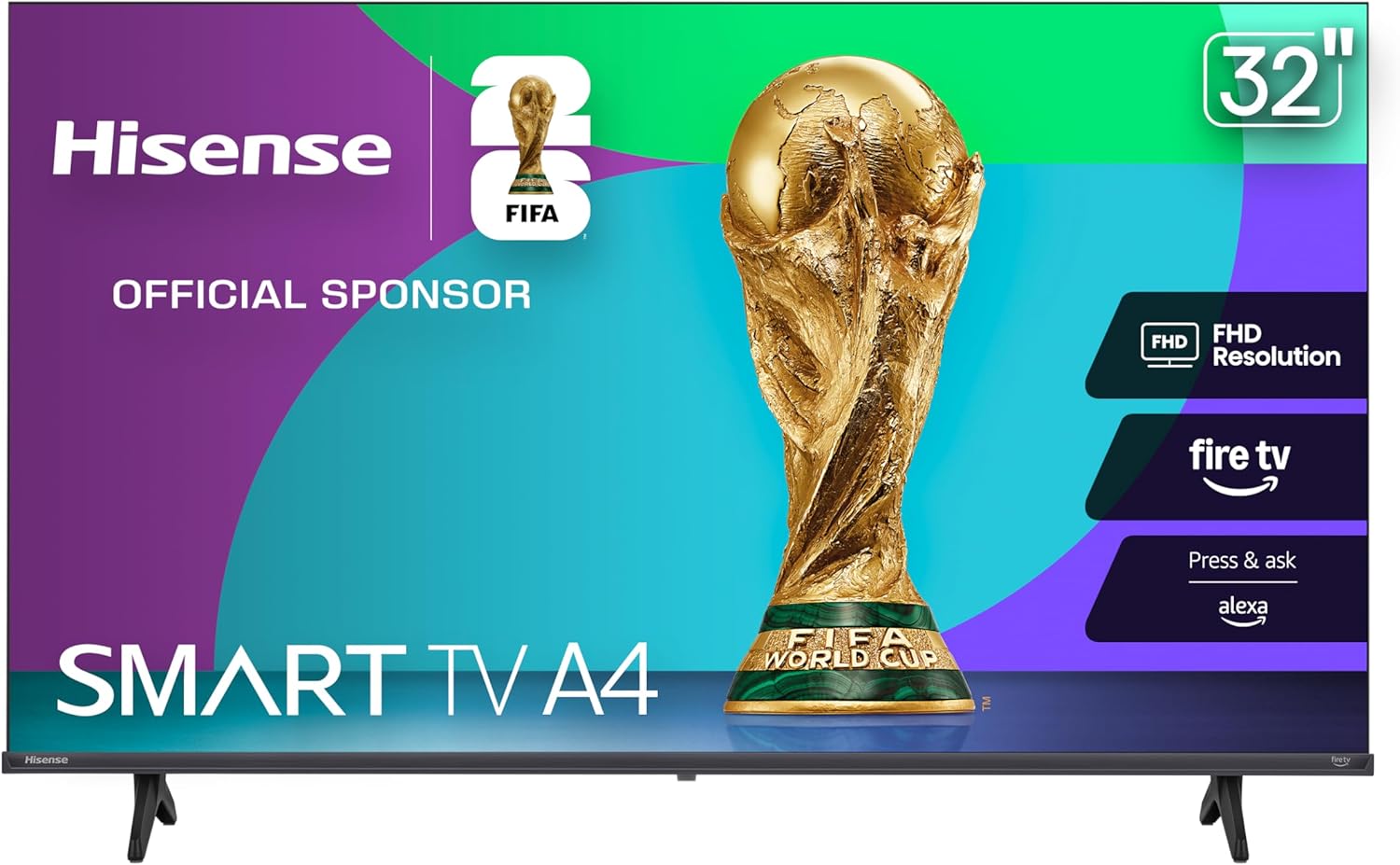
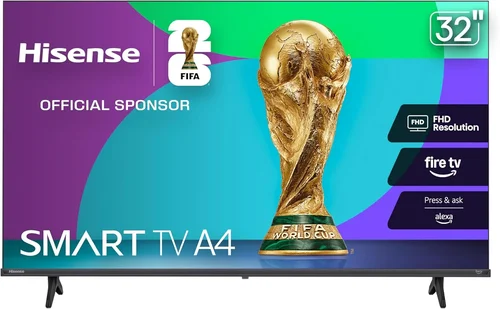
That said, some mainstream brands have stepped up their outdoor game. TCL and Hisense, for example, now offer budget-friendly models with enhanced brightness and basic weather protection. Vizio also has a few outdoor-ready options in its M-Series line. When evaluating brands, check customer reviews on sites like Amazon, Best Buy, and Consumer Reports. Pay attention to comments about long-term reliability, customer service responsiveness, and how well the TV performs in real outdoor conditions.
Avoid unknown or off-brand manufacturers that offer suspiciously low prices. These TVs may use inferior components, lack proper certifications, or have no warranty support. A reputable brand may cost a bit more upfront, but it often translates to better performance, longer lifespan, and peace of mind.
6. Warranty & Support
A solid warranty is a strong indicator of a manufacturer’s confidence in their product—and it’s especially important for outdoor electronics, which face harsher conditions than indoor devices. Most budget deck TVs come with a standard one-year limited warranty, but some brands offer two or even three years of coverage. Look for warranties that include both parts and labor, and check whether outdoor use is explicitly covered—some indoor TV warranties void coverage if used outside.
Extended warranties are available from retailers like Best Buy or Amazon, but weigh the cost against the TV’s price. For a $500 TV, a $75 extended warranty may not be worth it unless you live in an extreme climate. Instead, consider purchasing from a retailer with a generous return policy—30 days or more—so you can test the TV in your actual outdoor setup and return it if it doesn’t perform as expected.
Customer support is another critical factor. Check if the brand offers phone, email, or live chat support, and read reviews about response times and helpfulness. Some companies provide detailed installation guides or even free consultation for outdoor mounting. Avoid brands with no clear support channels or poor online presence.
7. Size & Portability
Screen size directly impacts viewing experience, but bigger isn’t always better—especially on a deck. For most outdoor setups, a 43-inch to 55-inch TV is ideal. Smaller screens (32–40 inches) work well for intimate gatherings or covered patios, while larger screens (60+ inches) are better for spacious decks or pool areas where viewers are seated farther away. Use a screen size calculator based on your seating distance: a general rule is to sit 1.5 to 2.5 times the screen’s diagonal measurement away for optimal viewing.
Portability matters if you plan to move the TV between indoor and outdoor use or store it during off-seasons. Some budget models are lightweight and easy to relocate, while others are heavier and require permanent mounting. Consider whether you’ll need a carrying case or storage cover. If you live in an area with harsh winters, storing the TV indoors during colder months can extend its lifespan.
Weight and thickness also affect installation. Thinner, lighter TVs are easier to mount and less likely to strain brackets. However, ultra-thin models may sacrifice durability, so balance portability with build quality. Some budget TVs come with built-in handles or optional rolling stands, which can be useful for temporary setups.
8. User Reviews & Ratings
Never buy a deck TV without reading user reviews. Professional reviews are helpful, but real-world feedback from people who’ve used the TV outdoors provides invaluable insights. Look for reviews that mention specific conditions—like “used on a sunny deck in Arizona” or “mounted under a pergola in Seattle”—to see how the TV performs in environments similar to yours.
Pay attention to recurring themes. If multiple users complain about poor brightness, weak Wi-Fi, or short lifespan, those are red flags. Conversely, consistent praise for picture quality, ease of setup, or customer service can signal a reliable product. Check both positive and negative reviews to get a balanced perspective.
Use review platforms like Amazon, Best Buy, and Reddit’s r/OutdoorTV community. Look for verified purchase badges to ensure the reviewer actually bought the product. Some sites also allow filtering by star rating or keyword, so you can quickly find comments about “brightness,” “weather resistance,” or “sports viewing.”
Different Types of Buying Guide
Common Buying Mistakes to Avoid
❌ Mistake: Buying an Indoor TV for Outdoor Use
Why it’s bad: Indoor TVs lack the brightness, weather resistance, and durability needed for outdoor environments. They can overheat, suffer screen damage from UV exposure, or short-circuit in humid conditions. Even with a cover, they’re not designed for prolonged outdoor use.
What to do instead: Invest in a TV specifically rated for outdoor use or use a high-quality weatherproof enclosure. Check the IP rating and ensure the TV can handle temperature fluctuations.
❌ Mistake: Ignoring Brightness (Nits)
Why it’s bad: A dim screen will be unreadable in daylight, especially during afternoon games. Most indoor TVs max out at 400 nits, which is insufficient for outdoor viewing.
What to do instead: Choose a TV with at least 700 nits, ideally 1,000+. Look for models with anti-reflective coatings to reduce glare.
❌ Mistake: Overlooking Mounting Requirements
Why it’s bad: Improper mounting can lead to water damage, instability, or even the TV falling. Many buyers assume standard indoor mounts will work, but outdoor mounts need to be weatherproof and securely anchored.
What to do instead: Use a VESA-compatible outdoor mount with rust-resistant hardware. Consider professional installation if you’re unsure.
❌ Mistake: Skipping the Warranty Check
Why it’s bad: Outdoor use can void indoor TV warranties. Without coverage, repairs or replacements can be costly.
What to do instead: Confirm the warranty covers outdoor use. Opt for brands with at least a one-year warranty and good customer support.
❌ Mistake: Choosing Size Over Viewing Distance
Why it’s bad: A 75-inch TV may look impressive, but if viewers are too close, they’ll see pixelation. Conversely, a small screen from far away will be hard to see.
What to do instead: Use a screen size calculator. For most decks, 43–55 inches is ideal for 6–12 foot viewing distances.
❌ Mistake: Neglecting Audio Quality
Why it’s bad: Built-in TV speakers are often weak and muffled outdoors. Wind, traffic, and distance can make dialogue and commentary hard to hear.
What to do instead: Pair the TV with outdoor speakers or a soundbar. Look for TVs with optical or Bluetooth audio outputs.
❌ Mistake: Buying Without Testing
Why it’s bad: A TV may look great in a store but perform poorly in your specific outdoor setup due to lighting, Wi-Fi signal, or mounting challenges.
What to do instead: Buy from a retailer with a generous return policy. Test the TV in your actual outdoor environment before finalizing the purchase.
Budget Guidelines: How Much Should You Spend?
- Entry-Level ($250–$400): Best for covered patios or mild climates. Expect basic brightness (500–700 nits), limited weather resistance (IP54), and standard smart features. Ideal for casual viewers who watch sports occasionally.
- Mid-Range ($400–$650): The sweet spot for most buyers. These TVs offer 700–1,000 nits brightness, better build quality, and reliable smart functionality. Many include HDR support and improved audio. Suitable for regular outdoor sports viewing.
- Premium ($650–$900): For enthusiasts who want the best budget performance. Expect 1,000+ nits, full weatherproofing (IP55+), 4K resolution, and advanced features like voice control and local dimming. Great for large decks or frequent use.
- Luxury ($900+): Top-tier budget models with premium materials, ultra-bright displays, and professional-grade durability. Often include extended warranties and dedicated customer support. Best for extreme climates or commercial use.
Expert Tips for Getting the Best Deal
- Buy during seasonal sales: Look for discounts during Black Friday, Memorial Day, and back-to-school periods. Retailers often slash prices on outdoor electronics to clear inventory.
- Shop at specialty retailers: Stores like Sylvane, Crutchfield, and Abt Electronics specialize in outdoor tech and often have better selection and support than big-box stores.
- Compare online and in-store prices: Use price-matching policies at Best Buy or Costco to get the best deal. Online retailers like Amazon often have lower prices but check shipping costs.
- Check for open-box or refurbished models: These can save 20–30% off retail and often come with the same warranty. Ensure they’re certified refurbished by the manufacturer.
- Read the fine print on warranties: Make sure outdoor use is covered and understand what’s included (parts, labor, shipping).
- Test before you commit: Use a 30-day return policy to test the TV in your actual outdoor setup. Pay attention to brightness, connectivity, and ease of use.
- Bundle with accessories: Some retailers offer discounts when you buy a TV with a mount, cover, or speakers. This can save money compared to buying separately.
- Join loyalty programs: Sign up for rewards programs at Best Buy, Amazon, or Costco to earn points, get exclusive deals, and access early sales.

Frequently Asked Questions
Q: Can I use a regular TV outdoors if I cover it?
A: While a cover can offer some protection, indoor TVs aren’t designed for outdoor conditions. They lack sufficient brightness, proper ventilation, and weatherproofing. Over time, moisture, heat, and UV exposure can damage the internal components. For reliable performance, use a TV rated for outdoor use or a high-quality weatherproof enclosure.
Q: How bright should my outdoor TV be?
A: For daylight viewing, aim for at least 700 nits. In direct sunlight, 1,000+ nits is ideal. Check the TV’s specifications—brightness is usually listed under “peak luminance” or “nits.”
Q: Do I need a special mount for outdoor TVs?
A: Yes. Use a VESA-compatible outdoor mount made from rust-resistant materials like stainless steel or powder-coated aluminum. Ensure it’s rated for your TV’s weight and size.
Q: Can I leave my outdoor TV on all the time?
A: Most outdoor TVs are designed for continuous use, but it’s best to turn them off when not in use to extend lifespan and save energy. Use a timer or smart plug for convenience.
Q: What’s the difference between IP54 and IP55?
A: IP54 protects against dust and water splashes from any direction. IP55 offers the same dust protection but can withstand low-pressure water jets, making it better for rainy climates.
Q: Do outdoor TVs come with remotes?
A: Yes, most include standard remotes. Some also support smartphone apps or voice control for added convenience.
Q: Can I watch live sports without cable?
A: Absolutely. Use over-the-air antennas for local channels or stream via apps like ESPN+, YouTube TV, or Hulu + Live TV. Many budget outdoor TVs support these services.
Q: How do I clean my outdoor TV screen?
A: Use a microfiber cloth and a mild cleaner designed for electronics. Avoid ammonia-based cleaners or paper towels, which can scratch the screen.
Q: Are outdoor TVs energy efficient?
A: Most modern LED TVs are energy efficient, but brightness levels impact power use. Look for ENERGY STAR-certified models to reduce electricity costs.
Q: Can I use my outdoor TV in winter?
A: Yes, but extreme cold can affect performance. Store the TV indoors if temperatures drop below freezing for extended periods, or choose a model rated for cold weather.
Our Final Recommendations
- Best for Budget-Conscious Buyers: TCL 55S555 55-inch 4K Smart TV with 800 nits brightness and IP54 rating. Great value at under $500.
- Best Overall Value: Hisense 50A7G 50-inch Outdoor Smart TV. Offers 1,000 nits, HDR10, and robust build quality for around $600.
- Best Premium Option: SunBriteTV Veranda Series 55-inch. Fully weatherproof, 1,500 nits, and excellent color accuracy. Priced around $850.
- Best for Beginners: Vizio M55-E0 55-inch M-Series. Easy setup, intuitive smart interface, and solid performance for $550.
- Best for Advanced Users: Peerless-AV Xtreme 65-inch Outdoor TV. Professional-grade durability, 2,000 nits brightness, and customizable mounting. Ideal for serious sports fans.
Conclusion: Making the Right Choice
Choosing the right budget deck TV for outdoor sports watching doesn’t have to be overwhelming. By focusing on key factors like brightness, durability, smart features, and warranty coverage, you can find a model that delivers excellent performance without overspending. Remember to consider your specific environment—whether it’s a sunny backyard, a covered porch, or a windy coastal deck—and prioritize features that match your needs.
Avoid common pitfalls like buying indoor TVs or ignoring mounting requirements, and always test your setup before committing. With the right TV, your deck can become the ultimate sports-watching destination, whether you’re hosting a game-day party or enjoying a quiet evening under the stars.
Take the time to compare models, read real user reviews, and shop during sales to get the best deal. Your perfect outdoor TV is out there—and with this guide, you’re well-equipped to find it. Happy viewing!

