
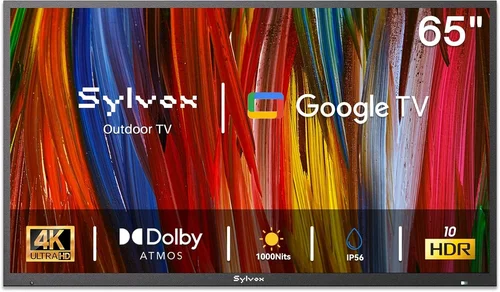
Outdoor entertaining has evolved far beyond simple grilling and casual drinks. Today’s backyard bars are sophisticated entertainment hubs—complete with high-quality sound systems, ambient lighting, and yes, a reliable outdoor TV. Whether you’re hosting game nights, watching the big match with friends, or simply enjoying a quiet evening under the stars, having a weatherproof TV at your outdoor bar transforms the experience from ordinary to exceptional.
But choosing the right outdoor TV isn’t as simple as grabbing a standard indoor model and hoping for the best. Exposure to sun, rain, humidity, dust, and temperature swings demands specialized engineering. That’s where this comprehensive buying guide comes in. We’ve tested, researched, and analyzed the latest 2026 models to help you make an informed decision. By the end of this guide, you’ll understand exactly what makes an outdoor TV different, which features matter most, how to avoid costly mistakes, and which models deliver the best performance for your specific setup.
The market for outdoor TVs has grown significantly in recent years, driven by increased demand for year-round outdoor living spaces. Major brands like Samsung, Sony, LG, and specialized manufacturers such as SunBriteTV and Seura now offer robust, weather-resistant models designed specifically for patios, decks, gazebos, and outdoor bars. These aren’t just ruggedized versions of indoor TVs—they’re built from the ground up with sealed components, anti-glare screens, and thermal management systems to handle extreme conditions. With options ranging from budget-friendly 43-inch displays to premium 85-inch 8K behemoths, there’s never been a better time to invest in an outdoor TV. This guide will walk you through everything you need to know to pick the perfect one for your space.

What to Look for When Buying Buying Guide
1. Weather Resistance & IP Rating
When it comes to outdoor TVs, weather resistance isn’t optional—it’s essential. Unlike indoor TVs, outdoor models must withstand rain, snow, dust, UV exposure, and temperature fluctuations without failing. The first thing to check is the TV’s Ingress Protection (IP) rating. This two-digit code tells you exactly how well the TV resists solids (like dust) and liquids (like rain).
For outdoor use, look for a minimum IP55 rating, which means the TV is protected against dust and water jets from any direction. However, for full four-season durability—especially in areas with heavy rain or snow—opt for IP65 or higher. IP65 ensures complete dust protection and resistance to low-pressure water jets, making it ideal for uncovered patios or open-air bars. Some premium models even boast IP66 or IP67 ratings, offering protection against powerful water jets or temporary immersion.
Beyond the IP rating, examine the TV’s construction. High-quality outdoor TVs feature sealed ports, corrosion-resistant materials, and internal heating/cooling systems to prevent condensation and overheating. For example, SunBriteTV’s Veranda series uses a fully sealed aluminum chassis with no ventilation holes, preventing moisture ingress while maintaining optimal internal temperatures.
💡 Pro Tip: Don’t assume all “outdoor-rated” TVs are created equal. Some manufacturers label TVs as “weather-resistant” but only offer partial protection. Always verify the IP rating and look for third-party certifications like UL Listed for outdoor use.
2. Display Brightness & Anti-Glare Technology
One of the biggest challenges with outdoor TVs is visibility in direct sunlight. A standard indoor TV typically peaks at 300–500 nits of brightness—fine for a dim living room but nearly invisible on a sunny patio. Outdoor TVs must deliver significantly higher brightness to remain viewable during the day.
Look for a minimum brightness of 700 nits, but ideally aim for 1,000 nits or more. Premium models like the Samsung The Terrace and LG OLED Pro Outdoor can exceed 2,000 nits, ensuring crisp, vibrant images even at noon. High brightness alone isn’t enough, though. Glare from the sun or overhead lighting can wash out the screen, so anti-reflective coatings and optically bonded glass are critical.
Optically bonded glass eliminates the air gap between the LCD panel and the outer glass, reducing reflections and improving contrast. This technology, found in brands like Seura and SunBriteTV, enhances clarity and makes the image appear more “painted on” the screen. Additionally, some models feature adaptive brightness sensors that automatically adjust screen luminance based on ambient light conditions.
💡 Pro Tip: If your outdoor bar is partially shaded or covered, you might get away with a lower brightness rating (700–1,000 nits). But for fully exposed areas, invest in a TV with 1,500+ nits and anti-glare coating for the best viewing experience.
3. Build Quality & Durability
Outdoor TVs are exposed to more than just weather—they’re also subject to physical wear, vibrations from speakers, and potential impacts from wind-blown debris. That’s why build quality is a top priority. Start by examining the materials used in the chassis and bezel. Aluminum and powder-coated steel are ideal because they resist rust and corrosion, unlike standard plastic or untreated metal.
Look for TVs with reinforced frames, sealed internal components, and no exposed ventilation grilles. Ventilation holes may seem harmless, but they allow moisture, insects, and dust to enter the TV, leading to premature failure. Premium outdoor models use passive cooling systems or sealed heat exchangers to manage internal temperatures without compromising protection.
Another key factor is mounting compatibility. Outdoor TVs should support VESA-standard wall mounts or be compatible with weatherproof enclosures. Some models, like the Sony X95L Outdoor, come with pre-installed mounting brackets designed for outdoor use. Ensure the TV can be securely fastened to withstand strong winds—especially if installed on a freestanding bar or pergola.
💡 Pro Tip: Check the TV’s operating temperature range. Most outdoor models function between -22°F and 122°F (-30°C to 50°C), but verify this matches your local climate. Extreme cold can affect screen responsiveness, while excessive heat may trigger thermal shutdowns.
4. Picture Quality & Resolution
Just because a TV is built for the outdoors doesn’t mean it should sacrifice picture quality. In fact, with larger screen sizes and longer viewing distances, high resolution and color accuracy become even more important. For 2026, 4K UHD (3840 x 2160) is the standard, and 8K models are becoming more accessible for premium setups.
OLED and QLED technologies dominate the high-end outdoor market. OLED offers perfect blacks, infinite contrast, and wide viewing angles—ideal for group viewing around a bar. However, OLED panels can be more susceptible to burn-in and may require brightness management in direct sun. QLED, on the other hand, uses quantum dots to deliver brighter, more vibrant colors and is better suited for high-ambient-light environments.
HDR support is also crucial. Look for TVs that support HDR10, HDR10+, or Dolby Vision. These formats enhance dynamic range, making shadows deeper and highlights more vivid—perfect for watching sports or movies outdoors. Additionally, consider refresh rate. A 120Hz panel reduces motion blur during fast-paced action, such as football or racing events.
💡 Pro Tip: Avoid “outdoor TVs” that are just indoor models in a weatherproof case. These often suffer from poor thermal management and reduced picture quality due to the added glass layer. True outdoor TVs integrate the display and enclosure for optimal performance.
5. Audio Performance & External Speaker Compatibility
Outdoor environments are inherently noisy—wind, music, conversation, and ambient sounds can drown out built-in TV speakers. Most outdoor TVs feature downward-firing or side-firing speakers that struggle to project sound effectively in open spaces. As a result, audio performance is often a weak point.
Look for TVs with at least 20W of total audio output, but don’t rely solely on built-in speakers. Instead, prioritize models with robust audio outputs: optical digital audio, HDMI ARC/eARC, and Bluetooth 5.0 or higher. These allow you to connect external soundbars, wireless speakers, or a full outdoor audio system.
Some premium models, like the LG OLED Pro Outdoor, include AI Sound Pro technology that upscales audio and optimizes it for outdoor acoustics. Others, such as the Seura Shadow, are designed to be paired with the brand’s outdoor soundbars for a seamless audio-visual experience.
💡 Pro Tip: Plan your audio setup in advance. Consider installing weatherproof ceiling speakers or rock speakers around your bar area for immersive, distributed sound. A good outdoor audio system can make or break the entertainment experience.
6. Smart Features & Connectivity
Modern outdoor TVs are more than just displays—they’re smart entertainment hubs. Look for models with built-in Wi-Fi, Bluetooth, and popular streaming platforms like Netflix, YouTube, Disney+, and Amazon Prime Video. This eliminates the need for external streaming devices and simplifies setup.
Operating systems vary by brand. Samsung uses Tizen, LG uses webOS, and Sony uses Google TV. Each has its strengths: webOS is intuitive and fast, Google TV offers deep integration with Android devices, and Tizen provides excellent app support. Ensure the TV supports voice assistants like Alexa or Google Assistant for hands-free control.
Connectivity is equally important. At minimum, look for:
- 3–4 HDMI ports (preferably HDMI 2.1 for 4K/120Hz)
- USB ports for media playback
- Ethernet port for stable wired internet
- Optical audio out
- RS-232 or IP control for integration with home automation systems
For outdoor bars with multiple devices—game consoles, cable boxes, sound systems—having enough ports prevents constant unplugging and re-plugging.
💡 Pro Tip: If you plan to use the TV with a home theater system or automation hub (like Control4 or Crestron), confirm compatibility before buying. Some outdoor TVs offer limited control protocols or require firmware updates.
7. Size & Viewing Distance
Choosing the right screen size depends on your bar layout and typical viewing distance. A TV that’s too small will be hard to see from across the patio, while one that’s too large can overwhelm the space and strain your eyes.
As a general rule, multiply your viewing distance (in inches) by 0.84 to get the ideal screen size in inches. For example, if viewers sit 10 feet (120 inches) away, the ideal size is about 100 inches. However, outdoor environments often allow for larger screens due to increased ambient light and longer distances.
Common sizes for outdoor bars range from 43 inches (for small, intimate setups) to 85 inches (for large patios or commercial bars). Ultra-large 98-inch and 100-inch models are available but come with a significant price jump and require robust mounting solutions.
💡 Pro Tip: Consider the TV’s bezel size. Slim bezels create a more immersive viewing experience and look more modern. Some models, like the Samsung The Terrace, feature near-borderless designs that blend seamlessly into outdoor decor.
8. Warranty & Support
Outdoor TVs are a significant investment, so warranty and customer support matter. Most reputable brands offer 2–3 years of coverage, but terms vary widely. Look for warranties that cover both parts and labor, and confirm whether outdoor use is explicitly included.
Some manufacturers, like SunBriteTV, offer extended warranties (up to 5 years) and dedicated outdoor support teams. Others may void the warranty if the TV is installed in an uncovered area or exposed to extreme conditions. Always read the fine print.
Additionally, check for service availability in your region. If the TV fails, you’ll want local technicians who understand outdoor installations. Brands with strong dealer networks (e.g., Sony, LG) often provide better support than niche manufacturers.
💡 Pro Tip: Register your TV immediately after purchase and keep all documentation. Some warranties require proof of professional installation, so hire a certified technician if needed.
Different Types of Buying Guide

Common Buying Mistakes to Avoid
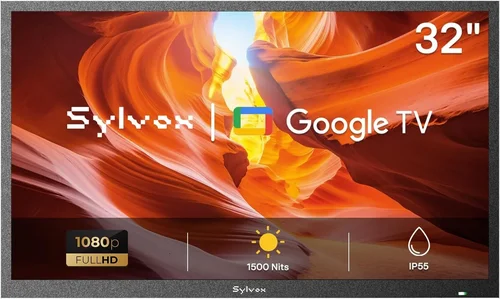
❌ Mistake: Buying an Indoor TV for Outdoor Use
Why it’s bad: Indoor TVs lack weatherproofing, proper brightness, and thermal management. Exposure to moisture can cause immediate failure, and low brightness makes them unusable in daylight. Even with a cover, condensation and overheating are common.
What to do instead: Invest in a purpose-built outdoor TV or use a certified outdoor enclosure. If budget is tight, consider a partial-shade model or wait for a sale on a true outdoor unit.
❌ Mistake: Ignoring the IP Rating
Why it’s bad: A TV labeled “weather-resistant” may only have minimal protection. Without a verified IP rating, you risk water damage, corrosion, and electrical failure.
What to do instead: Always check the IP code. For uncovered areas, insist on IP65 or higher. Verify the rating with the manufacturer or third-party testing reports.
❌ Mistake: Overlooking Brightness Requirements
Why it’s bad: A dim screen ruins the outdoor experience. Even on cloudy days, ambient light can wash out a low-brightness display.
What to do instead: Aim for at least 1,000 nits for full sun exposure. Use a brightness meter app to test ambient light levels at your bar location.
❌ Mistake: Skimping on Audio
Why it’s bad: Built-in speakers are rarely sufficient outdoors. Poor audio detracts from movies, sports, and music.
What to do instead: Plan for external speakers from day one. Invest in a weatherproof soundbar or distributed audio system.
❌ Mistake: Poor Mounting or Installation
Why it’s bad: Improper mounting can lead to instability, water ingress, or even the TV falling. DIY installations often void warranties.
What to do instead: Hire a certified outdoor AV installer. Use marine-grade mounting hardware and ensure the TV is angled to shed water.
❌ Mistake: Not Considering Future Upgrades
Why it’s bad: Technology evolves quickly. A TV with limited ports or outdated software may become obsolete.
What to do instead: Choose a model with HDMI 2.1, Wi-Fi 6, and regular firmware updates. Opt for brands with strong software support.
❌ Mistake: Ignoring Local Climate
Why it’s bad: A TV rated for mild climates may fail in extreme heat, cold, or humidity.
What to do instead: Match the TV’s operating range to your local weather. For desert areas, prioritize cooling; for snowy regions, ensure cold-start capability.
Budget Guidelines: How Much Should You Spend?
- Entry-Level ($800 – $1,800): These are typically partial-shade models or indoor TVs in basic enclosures. Expect 43–55 inch screens, 700–1,000 nits brightness, and limited smart features. Best for covered patios with minimal sun exposure.
- Mid-Range ($1,800 – $4,000): The sweet spot for most homeowners. Includes true outdoor TVs with IP55–IP65 ratings, 1,000–1,500 nits brightness, 4K resolution, and full smart functionality. Ideal for uncovered bars with some shade.
- Premium ($4,000 – $8,000): High-end models from Samsung, LG, and SunBriteTV. Feature 1,500+ nits, OLED/QLED panels, advanced anti-glare, and robust build quality. Suitable for full sun exposure and commercial use.
- Luxury ($8,000+): Top-tier 8K models, 85–100 inch screens, and commercial-grade durability. Includes features like 24/7 operation, remote management, and custom finishes. Best for high-end resorts or luxury homes.
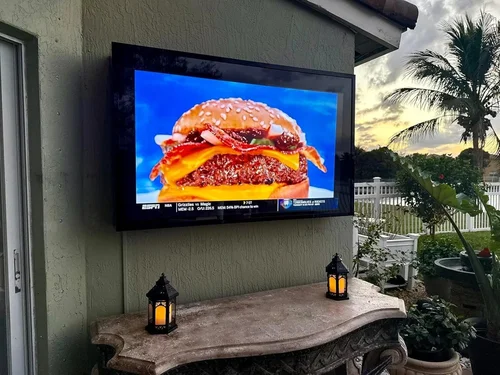
Expert Tips for Getting the Best Deal
- Buy during off-season: Prices drop in late fall and winter when outdoor demand is low. Look for Black Friday, Cyber Monday, and post-holiday sales.
- Shop at specialty retailers: Stores like Crutchfield, Abt, and Outdoor TV Direct often have better deals and expert advice than big-box retailers.
- Bundle with audio: Some brands offer discounts when you buy a TV and outdoor sound system together.
- Check for rebates: Utility companies and manufacturers sometimes offer rebates for energy-efficient outdoor electronics.
- Negotiate installation: Many dealers include free or discounted installation with purchase.
- Read return policies: Ensure you can return the TV if it doesn’t perform as expected in your environment.
- Test before finalizing: If possible, view the TV in similar lighting conditions to your bar.
- Consider refurbished models: Certified pre-owned outdoor TVs from reputable sellers can save 20–30%.

Frequently Asked Questions
Q: Can I use a regular TV outside if it’s under a roof?
A: Technically yes, but it’s not recommended. Even under cover, humidity, temperature swings, and indirect moisture can damage internal components. A partial-shade outdoor TV is a safer, longer-lasting choice.
Q: Do outdoor TVs consume more power?
A: Yes, due to higher brightness and thermal systems. However, modern models are energy-efficient. Look for ENERGY STAR certification to minimize electricity costs.
Q: How do I clean an outdoor TV screen?
A: Use a microfiber cloth and distilled water. Avoid ammonia-based cleaners. For stubborn spots, use a 50/50 mix of water and isopropyl alcohol.
Q: Can outdoor TVs be used in winter?
A: Yes, if rated for low temperatures. Most operate down to -22°F. Avoid turning on the TV if it’s been exposed to extreme cold—let it acclimate first.
Q: Do I need a special mount?
A: Yes. Use a weatherproof, tiltable mount rated for outdoor use. Ensure it’s compatible with your TV’s VESA pattern.
Q: Can I connect a gaming console?
A: Absolutely. Look for HDMI 2.1 ports for 4K/120Hz gaming. Some models support VRR and ALLM for smooth gameplay.
Q: Are outdoor TVs secure against theft?
A: Not inherently. Use security cables, lockable mounts, or install in a locked enclosure. Consider models with built-in security features.
Q: How long do outdoor TVs last?
A: With proper care, 7–10 years is typical. Higher-end models with better components may last even longer.
Q: Can I use streaming devices like Roku or Fire Stick?
A: Yes, but built-in smart platforms are more reliable outdoors. External devices may overheat or lose connection.
Q: Do outdoor TVs come with remotes?
A: Yes, but consider a weatherproof remote or use a smartphone app for control.
Our Final Recommendations
- Best for Budget-Conscious Buyers: SunBriteTV Veranda 55-inch – Excellent value with IP55 rating, 1,000 nits, and solid build quality under $2,500.
- Best Overall Value: Samsung The Terrace 65-inch – IP55, 2,000 nits, QLED, and sleek design. Priced around $4,500.
- Best Premium Option: LG OLED Pro Outdoor 77-inch – Stunning picture, IP65, 1,500 nits, and Dolby Vision. Ideal for luxury setups at $7,500.
- Best for Beginners: Seura Shadow 50-inch – Easy setup, good brightness, and reliable performance for under $3,000.
- Best for Advanced Users: Sony X95L Outdoor 85-inch – 8K resolution, advanced processing, and commercial-grade durability. Priced at $12,000.
Conclusion: Making the Right Choice
Choosing the best weatherproof TV for your outdoor bar is about more than just screen size or brand name. It’s about matching the TV’s capabilities to your environment, usage patterns, and long-term goals. From weather resistance and brightness to audio integration and smart features, every detail matters when you’re investing in outdoor entertainment.
Remember, a great outdoor TV doesn’t just survive the elements—it enhances your experience, bringing friends and family together under the open sky. Whether you’re watching the big game, hosting a movie night, or simply enjoying the ambiance, the right TV makes all the difference.
Take the time to assess your space, set a realistic budget, and prioritize the features that matter most to you. Don’t rush the decision. With the insights from this guide, you’re equipped to make a confident, informed choice that will deliver years of enjoyment.
Now go ahead—upgrade your outdoor bar, fire up the grill, and press play. The perfect outdoor entertainment experience is just a TV away.

