
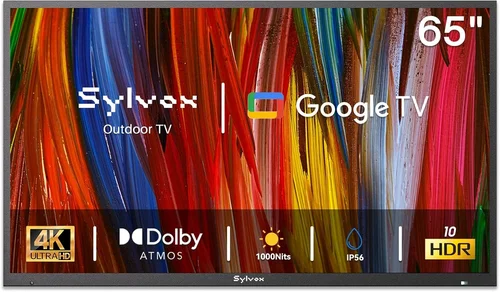
Outdoor living spaces have evolved far beyond simple patios with a grill and a few chairs. Today’s homeowners are transforming their backyards into full-fledged entertainment zones—complete with outdoor kitchens, fire pits, sound systems, and yes, weatherproof TVs. Whether you’re hosting a summer barbecue, watching the big game under the stars, or enjoying a quiet movie night on your covered deck, a high-quality outdoor TV can elevate your experience significantly. But choosing the right one isn’t as simple as picking up any old indoor model and hoping it survives the elements. The market for weatherproof TVs has grown rapidly in recent years, with manufacturers now offering specialized models designed specifically for outdoor use. However, with so many options—ranging from budget-friendly enclosures to fully sealed, all-weather displays—it’s easy to feel overwhelmed.
This comprehensive buying guide is here to cut through the noise and help you make an informed decision. Whether you’re planning to install a large-screen TV on a spacious patio, a covered pergola, or an open-air lounge area, we’ll walk you through every critical factor you need to consider. From understanding IP ratings and brightness levels to evaluating build quality, smart features, and long-term durability, this guide covers it all. You’ll learn how to match your TV choice to your specific environment, climate, and viewing habits—so you don’t end up with a screen that fades in sunlight or fails after the first rainstorm. By the end, you’ll have the confidence to select a weatherproof TV that delivers stunning picture quality, reliable performance, and years of enjoyment—no matter the weather.
The outdoor TV market in 2026 is more advanced and accessible than ever before. Major electronics brands like Samsung, LG, and Sony now offer dedicated outdoor models, while specialists such as SunBriteTV, Seura, and Peerless have built their reputations entirely around all-weather displays. These TVs aren’t just ruggedized versions of indoor models—they’re engineered from the ground up to handle extreme temperatures, humidity, dust, and direct sunlight. Innovations in display technology, such as anti-glare coatings, high-nit brightness panels, and thermal management systems, have made outdoor viewing not just possible but truly enjoyable. At the same time, prices have become more competitive, with options available across a wide range of budgets. Whether you’re looking for a 55-inch screen for a small covered porch or a massive 85-inch display for a sprawling backyard entertainment zone, there’s a weatherproof TV built for your needs. This guide will help you navigate that landscape with clarity and confidence.

What to Look for When Buying Buying Guide
1. IP Rating and Weather Resistance
One of the most critical factors when selecting a weatherproof TV is its Ingress Protection (IP) rating. This two-digit code tells you exactly how well the TV resists dust and water. The first digit ranges from 0 to 6 and indicates protection against solid particles like dust and debris. The second digit ranges from 0 to 9 and measures resistance to moisture, from light splashes to powerful water jets. For outdoor use, you’ll want a minimum IP55 rating—this means the TV is protected against dust ingress (not completely sealed, but enough for most outdoor environments) and low-pressure water jets from any direction. However, for patios exposed to heavy rain, sprinklers, or coastal humidity, aim for IP65 or higher. An IP65-rated TV is dust-tight and can withstand water projected from a nozzle, making it ideal for open or semi-covered areas.
It’s important to note that not all “outdoor” TVs are created equal. Some manufacturers market indoor TVs with weatherproof enclosures as “outdoor-ready,” but these setups often lack the integrated sealing and ventilation needed for long-term reliability. True all-weather TVs have sealed ports, corrosion-resistant materials, and internal climate control to prevent condensation and overheating. For example, SunBriteTV’s Veranda series features a fully sealed design with an IP55 rating, while their Pro series goes even further with IP65 protection and direct-sun viewing capabilities. Always verify the IP rating and understand what it means in real-world conditions. A TV with a high IP rating but poor thermal management may still fail in extreme heat or cold.
2. Brightness and Display Performance
Indoor TVs typically operate at around 300–500 nits of brightness, which is perfectly fine in a dimly lit living room. But outdoors, ambient light—especially direct sunlight—can wash out even the best screens. That’s why outdoor TVs need significantly higher brightness levels to maintain visibility. For patios with partial shade or covered areas, a brightness of 700–1,000 nits is generally sufficient. However, if your TV will be installed in a fully exposed area or under direct sun, you’ll need a display with at least 1,500 nits—and ideally 2,000 nits or more. High brightness ensures that colors remain vibrant and details stay sharp, even at midday.
Beyond raw brightness, look for features that enhance outdoor visibility. Anti-reflective coatings are essential—they reduce glare from the sun and other light sources, allowing for clearer viewing from multiple angles. Some premium models, like the Samsung The Terrace, use quantum dot technology combined with anti-glare layers to deliver vivid colors and deep contrasts in bright conditions. Additionally, consider the TV’s contrast ratio and color accuracy. While HDR support is common even in outdoor models, not all handle it well in high-ambient-light environments. Look for TVs with local dimming or full-array backlighting if you want the best HDR performance. Also, check the viewing angle—wide-angle panels (like those using IPS technology) allow more people to enjoy the screen without color distortion, which is crucial for large patios where viewers may be seated off-center.
3. Build Quality and Durability
Outdoor TVs are subjected to far harsher conditions than their indoor counterparts. Temperature swings, UV exposure, humidity, and physical impacts all take a toll over time. That’s why build quality is non-negotiable. Start with the materials: look for aluminum or powder-coated steel chassis, which resist rust and corrosion better than plastic or untreated metal. The screen itself should be made of tempered glass or a durable polycarbonate layer that can withstand accidental bumps or flying debris. Internal components should be sealed and protected from moisture, and ports should have rubber gaskets or flip-up covers to prevent water ingress.
Thermal management is another key aspect of durability. Outdoor TVs generate heat, and without proper ventilation, internal components can overheat—especially in summer. However, unlike indoor TVs, they can’t rely on open airflow, which would expose them to the elements. Instead, they use passive cooling systems, heat sinks, or even built-in fans (in some premium models) to regulate temperature. For example, Seura’s Outdoor TVs feature a sealed thermal system that keeps internal temperatures stable without compromising weather resistance. Also, consider the TV’s operating temperature range. Most outdoor models function between -22°F and 122°F (-30°C to 50°C), but if you live in an extreme climate—like desert heat or sub-zero winters—verify that the TV is rated for your region. A well-built outdoor TV should last 7–10 years or more with proper installation and maintenance.
4. Size and Viewing Distance
Choosing the right screen size for your patio depends on several factors, including the size of the space, seating arrangement, and typical viewing distance. For large patios—those spanning 20 feet or more—a screen between 65 and 85 inches is ideal. A 65-inch TV is suitable for viewing distances of 8–10 feet, while an 85-inch model shines at 10–14 feet. If your patio is open and you plan to host large gatherings, going bigger ensures everyone has a clear view. However, avoid oversizing: a TV that’s too large for the space can feel overwhelming and may require a higher mounting position, which can affect sound quality and accessibility.
Mounting options also play a role in size selection. Most outdoor TVs are VESA-compatible and can be mounted on walls, ceilings, or freestanding brackets. For large patios, consider a full-motion mount that allows you to tilt, swivel, or extend the TV for optimal viewing from different seating areas. Some models, like the LG Outdoor Smart TV, come with built-in mounting hardware designed for outdoor use. Also, think about the TV’s depth and weight. All-weather models tend to be thicker and heavier than indoor TVs due to their reinforced construction, so ensure your mounting solution can support the load. Finally, consider the bezel size—smaller bezels provide a more immersive experience, especially on larger screens.
5. Smart Features and Connectivity
Today’s outdoor TVs aren’t just about durability—they’re also packed with smart features that enhance convenience and functionality. Most models run on popular platforms like Android TV, webOS, or Tizen, giving you access to streaming apps like Netflix, YouTube, Hulu, and Disney+. This means you can enjoy your favorite shows and movies without needing an external streaming device. Look for models with voice control support (via Alexa, Google Assistant, or built-in mics) for hands-free operation—especially useful when you’re grilling or entertaining guests.
Connectivity is equally important. Ensure the TV has multiple HDMI ports (at least three), USB inputs, and audio outputs for soundbars or external speakers. Wi-Fi 6 support is a plus for faster, more reliable streaming, especially if your patio is far from your router. Some models also include Bluetooth for wireless audio streaming to headphones or portable speakers. For large patios where running cables is challenging, consider TVs with wireless HDMI transmitters or built-in cellular connectivity (in premium models). Also, check for compatibility with home automation systems like Apple HomeKit, Google Home, or Samsung SmartThings—this allows you to integrate the TV into your broader smart home setup, controlling it via your phone or voice commands.
6. Audio Quality and Sound Solutions
While picture quality often takes center stage, audio is just as important for an immersive outdoor experience. Unfortunately, most outdoor TVs have limited built-in speakers due to space and weatherproofing constraints. The sound tends to be tinny and lacks depth, especially in open areas where sound dissipates quickly. That’s why many buyers opt for external audio solutions. Soundbars designed for outdoor use, like the Bose Outdoor Soundbar or Sonos Arc with a weatherproof cover, can dramatically improve audio clarity and volume. Alternatively, consider a full outdoor speaker system with weather-resistant ceiling or landscape speakers connected to a receiver.
If you prefer to use the TV’s built-in audio, look for models with enhanced speaker systems—some premium outdoor TVs feature dual 10W or 20W speakers with bass enhancement. However, even these may struggle in windy or noisy environments. For the best experience, pair your TV with a wireless audio system that can be placed strategically around the patio. Also, consider the TV’s audio output options: optical, HDMI ARC, and 3.5mm jacks allow for flexible connections to external amplifiers or sound systems. Finally, think about volume control—some outdoor TVs have limited maximum volume, so test this if possible before purchasing.
7. Brand Reputation and Reliability
Not all outdoor TV brands are equal when it comes to long-term reliability and customer support. Established names like SunBriteTV, Seura, and Peerless have spent years refining their outdoor display technology and have a proven track record of durability. These companies specialize in all-weather electronics and often provide detailed installation guides, extended warranties, and responsive customer service. In contrast, some mainstream brands offer “outdoor-ready” models that may not be as rigorously tested for extreme conditions.
Research customer reviews and professional evaluations to gauge real-world performance. Look for feedback on how the TV holds up after several seasons of use—does the screen fade? Do ports corrode? Does the software remain stable? Brands with strong reputations often invest more in quality control and post-purchase support. Also, consider the availability of replacement parts and service centers in your area. A TV from a lesser-known brand might save you money upfront, but if it fails and parts are hard to find, you could be left with a costly paperweight. Stick with reputable manufacturers that stand behind their products with solid warranties and accessible support.
8. Warranty and Support
A weatherproof TV is a significant investment, so protecting it with a strong warranty is essential. Most reputable outdoor TV brands offer warranties ranging from 2 to 5 years, covering defects, performance issues, and sometimes even accidental damage. SunBriteTV, for example, provides a 3-year limited warranty that includes parts and labor, while Seura offers a 2-year warranty with optional extensions. Pay attention to what’s covered—some warranties exclude damage from improper installation, extreme weather events, or power surges.
In addition to the warranty, evaluate the manufacturer’s support infrastructure. Do they offer phone, email, or chat support? Is there a dedicated outdoor product line with trained technicians? Can you easily access user manuals, installation videos, or troubleshooting guides? A company that invests in customer support demonstrates confidence in its products and helps ensure a smoother ownership experience. Also, check if the warranty is transferable—this can add value if you ever sell your home. Finally, consider purchasing an extended warranty or service plan, especially if you live in a harsh climate or plan to use the TV frequently.
Different Types of Buying Guide

Common Buying Mistakes to Avoid
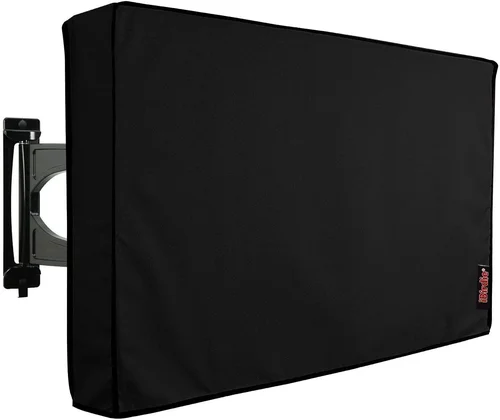
❌ Mistake: Buying an Indoor TV and Expecting It to Survive Outdoors
Why it’s bad: Indoor TVs are not designed to handle moisture, temperature extremes, or UV exposure. Even if you cover them or install them under a roof, condensation, humidity, and heat buildup can quickly damage internal components. The result? Premature failure, foggy screens, or complete breakdown within months.
What to do instead: Invest in a TV specifically engineered for outdoor use. These models feature sealed designs, corrosion-resistant materials, and thermal management systems that indoor TVs lack. If budget is a concern, consider a weatherproof enclosure—but only from a reputable brand and paired with a high-quality indoor TV.
❌ Mistake: Ignoring Brightness Requirements
Why it’s bad: A TV that looks great indoors will appear washed out and dim in direct sunlight. Low brightness leads to poor visibility, forcing you to watch in shade or only at night—defeating the purpose of an outdoor setup.
What to do instead: Match the TV’s brightness to your environment. For shaded areas, 700–1,000 nits is sufficient. For direct sun, choose a model with at least 1,500 nits—preferably 2,000+ nits with anti-glare coating. Always check the specs, not just marketing claims.
❌ Mistake: Overlooking Mounting and Installation Challenges
Why it’s bad: Outdoor TVs are heavier and require specialized mounting hardware. Improper installation can lead to instability, water leakage, or even the TV falling—posing safety risks and voiding warranties.
What to do instead: Use a VESA-compatible outdoor mount rated for your TV’s weight and size. Consider professional installation, especially for wall or ceiling mounts. Ensure all cables are routed through waterproof conduits and that the mounting surface can support the load.
❌ Mistake: Skimping on Audio
Why it’s bad: Built-in speakers on outdoor TVs are often weak and lack bass. In open spaces, sound dissipates quickly, making dialogue hard to hear and music flat.
What to do instead: Plan for external audio from the start. Invest in a weatherproof soundbar or a full outdoor speaker system. Wireless options like Sonos or Bose offer excellent sound without messy wiring.
❌ Mistake: Not Checking the Warranty and Support
Why it’s bad: Outdoor TVs are expensive, and repairs can be costly. A weak or unclear warranty leaves you vulnerable if the TV fails due to manufacturing defects or environmental damage.
What to do instead: Choose a brand with a solid warranty (at least 2–3 years) and responsive customer support. Read the fine print to understand what’s covered and what voids the warranty.
❌ Mistake: Buying Based Solely on Price
Why it’s bad: The cheapest option may save money upfront but cost more in the long run due to poor durability, frequent repairs, or early replacement.
What to do instead: Focus on value, not just price. Consider total cost of ownership, including durability, warranty, and performance. A mid-range TV from a reputable brand often offers the best balance of quality and affordability.
❌ Mistake: Forgetting About Power and Connectivity
Why it’s bad: Running power and HDMI cables to a distant patio can be expensive and unsightly. Without proper planning, you may end up with exposed wires or limited connectivity.
What to do instead: Plan your cable runs during the design phase. Use in-wall conduits, wireless HDMI transmitters, or power-over-Ethernet solutions where possible. Ensure your TV has enough ports and modern connectivity options like Wi-Fi 6 and Bluetooth.
Budget Guidelines: How Much Should You Spend?
- Entry-Level ($800 – $1,800): This range typically includes indoor TVs paired with weatherproof enclosures or basic outdoor models designed for covered areas. Expect brightness around 500–700 nits, limited smart features, and shorter warranties. Best for small, shaded patios with minimal exposure to the elements.
- Mid-Range ($1,800 – $3,500): The sweet spot for most homeowners. These TVs offer true all-weather construction, IP55 or higher ratings, 1,000–1,500 nits brightness, and full smart functionality. Models like the SunBriteTV Veranda series or LG Outdoor Smart TV fall here. Ideal for large patios with partial sun or covered installations.
- Premium ($3,500 – $6,000): For enthusiasts and those with fully exposed patios. These TVs feature ultra-high brightness (2,000+ nits), direct-sun viewing capability, advanced cooling, and premium materials. Brands like Seura and SunBriteTV Pro series dominate this tier. Perfect for pool decks, beach houses, or open-air entertainment zones.
- Luxury ($6,000+): Top-tier commercial-grade displays with 24/7 operation, extreme durability, and custom installation options. These are overkill for most residential use but ideal for large venues, luxury homes, or extreme climates. Expect IP65+ ratings, modular designs, and comprehensive support packages.
Expert Tips for Getting the Best Deal
- Buy During Off-Season: Prices on outdoor TVs drop significantly in late fall and winter when demand is low. Look for sales between October and February for the best discounts.
- Compare Retailers: Check specialty outdoor electronics stores, big-box retailers, and online marketplaces. Some brands sell directly with exclusive bundles or extended warranties.
- Bundle with Accessories: Many retailers offer discounts when you buy a TV with a mount, soundbar, or installation service. These packages can save you 10–20% compared to buying separately.
- Check for Rebates and Incentives: Some utility companies offer rebates for energy-efficient outdoor electronics. Also, look for manufacturer promotions or trade-in programs.
- Read Professional Reviews: Before buying, consult expert reviews from sources like CNET, Wirecutter, or Outdoor Electronics Magazine. They often test long-term durability and real-world performance.
- Test Before You Buy (If Possible): Visit a showroom or request a demo unit. Pay attention to brightness, color accuracy, and audio quality in conditions similar to your patio.
- Negotiate Installation: If hiring a professional, ask for a package deal that includes mounting, cable management, and setup. Some installers offer discounts for multiple services.
- Consider Refurbished Models: Certified refurbished outdoor TVs from reputable sellers can offer significant savings with full warranties and quality assurance.

Frequently Asked Questions
Q: Can I use a regular TV outdoors if I cover it?
A: While you can use a regular TV under a covered patio, it’s not recommended for long-term outdoor use. Indoor TVs lack weatherproofing, proper ventilation, and UV protection. Moisture, temperature swings, and dust can cause irreversible damage. For reliable performance, choose a TV designed for outdoor conditions.
Q: How do I protect my outdoor TV from theft?
A: Use a locking mount, install the TV in a visible but secure location, and consider a security cable or alarm system. Some models come with built-in anti-theft features or can be integrated with smart home security cameras.
Q: Do outdoor TVs consume more power?
A: Outdoor TVs may use slightly more power due to higher brightness and cooling systems, but most are designed to be energy-efficient. Look for ENERGY STAR certification to minimize electricity costs.
Q: Can I leave my outdoor TV on all the time?
A: Most outdoor TVs are built for continuous use, but it’s best to turn them off when not in use to extend lifespan and save energy. Commercial-grade models are rated for 24/7 operation.
Q: What’s the difference between IP55 and IP65?
A: IP55 protects against dust and low-pressure water jets. IP65 is dust-tight and resistant to water projected from a nozzle. Choose IP65 for open patios or areas with heavy rain.
Q: Do I need a special remote for outdoor use?
A: Most outdoor TVs come with standard remotes, but some offer weather-resistant or RF remotes that work through walls and in bright light. Consider a universal remote or smartphone app for convenience.
Q: How do I clean my outdoor TV screen?
A: Use a microfiber cloth and a mild cleaner designed for electronics. Avoid ammonia-based cleaners or abrasive materials. Clean gently to avoid scratching the anti-glare coating.
Q: Can I connect gaming consoles to an outdoor TV?
A: Yes, most outdoor TVs have HDMI ports compatible with PlayStation, Xbox, and Nintendo Switch. Ensure the TV supports the console’s resolution and refresh rate for the best experience.
Q: What if my outdoor TV gets struck by lightning?
A: While outdoor TVs are built to withstand weather, lightning strikes can cause power surges. Use a surge protector and consider unplugging the TV during severe storms. Some models include built-in surge protection.
Q: Are outdoor TVs compatible with streaming devices?
A: Yes, but most outdoor TVs have built-in smart platforms, so you may not need an external device. If you prefer Roku, Fire Stick, or Apple TV, ensure the TV has available HDMI ports and supports the device’s power requirements.
Our Final Recommendations
- Best for Budget-Conscious Buyers: SunBriteTV Veranda Series (55″) – Offers excellent weather resistance, 1,000 nits brightness, and smart features at a mid-range price. Ideal for covered patios.
- Best Overall Value: LG Outdoor Smart TV (65″) – Combines high brightness, webOS smart platform, and solid build quality. Great for large patios with partial sun.
- Best Premium Option: Seura Outdoor TV (75″) – Features 2,000+ nits brightness, IP65 rating, and premium audio. Perfect for direct-sun environments and luxury setups.
- Best for Beginners: Peerless PLW-65OUT – Easy to install, reliable performance, and strong warranty. A great entry point into outdoor entertainment.
- Best for Advanced Users: SunBriteTV Pro Series (85″) – Built for extreme conditions with direct-sun viewing, advanced cooling, and commercial-grade durability. Ideal for tech-savvy homeowners with large, exposed patios.
Conclusion: Making the Right Choice
Choosing the best weatherproof TV for your large patio is about more than just picking a big screen—it’s about finding a display that can withstand the elements, deliver stunning picture quality in bright conditions, and enhance your outdoor lifestyle for years to come. From understanding IP ratings and brightness levels to evaluating build quality, smart features, and long-term support, every detail matters. Avoid common pitfalls like using indoor TVs or ignoring audio needs, and prioritize value over the lowest price.
Take the time to assess your specific environment: Is your patio covered or fully exposed? How far will viewers be from the screen? What’s your typical usage—casual watching or large gatherings? Answering these questions will guide you toward the right model. And remember, a weatherproof TV is an investment in your home and your enjoyment. With the right choice, you’ll transform your patio into a true outdoor oasis where every season is movie night.
Now that you’re equipped with expert knowledge, it’s time to make your decision. Compare your top options, check current deals, and plan your installation. Whether you’re watching the sunset with a film or hosting a game-day party, the perfect outdoor TV is out there—ready to bring your vision to life.

