
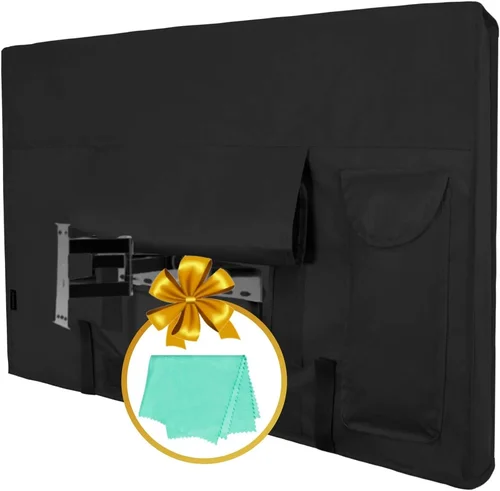
Living in a humid climate—whether you’re near the coast, in a tropical region, or simply dealing with sticky summer months—means your outdoor entertainment setup faces unique challenges. Standard indoor TVs aren’t built to withstand constant moisture, salt air, temperature swings, or high humidity levels. That’s why investing in a weatherproof TV designed specifically for humid environments isn’t just a luxury; it’s a necessity if you want your outdoor viewing experience to last more than one season. Without proper protection, moisture can seep into internal components, cause corrosion, fog up screens, and ultimately lead to premature failure—even if you’ve installed your TV under a covered patio or pergola.
This comprehensive buying guide is designed to help you navigate the often-confusing world of outdoor televisions, with a special focus on models engineered to thrive in high-humidity conditions. Whether you’re planning to install a TV by the pool, on a screened porch, or under a beach house deck, we’ll walk you through every critical factor—from IP ratings and build materials to smart features and warranty coverage. You’ll learn how to avoid common pitfalls, understand what “weatherproof” really means, and make an informed decision that balances performance, durability, and value. By the end, you’ll have the confidence to choose a TV that not only survives but excels in your humid outdoor space.
The market for weatherproof TVs has evolved significantly over the past few years. What once was a niche category dominated by a handful of specialized brands now includes offerings from major electronics manufacturers like Samsung, LG, and Sony, alongside established outdoor experts such as SunBriteTV, Seura, and Peerless-AV. These TVs aren’t just ruggedized versions of indoor models—they’re purpose-built with sealed enclosures, anti-corrosion coatings, internal heating and cooling systems, and optical bonding to prevent screen fogging. With options ranging from basic 32-inch displays to premium 85-inch 4K HDR models, there’s never been a better time to bring high-quality entertainment outdoors. However, not all “weatherproof” TVs are created equal, especially when humidity is a primary concern. This guide cuts through the marketing noise to deliver expert-level insights tailored to your specific needs.

What to Look for When Buying Buying Guide
1. IP Rating & Humidity Resistance
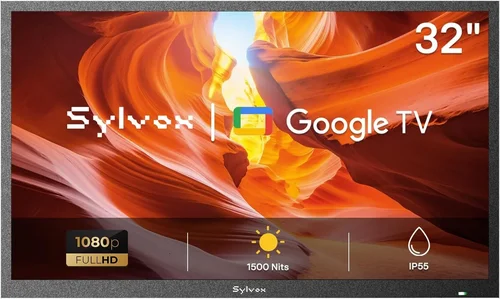
The Ingress Protection (IP) rating is your first line of defense when evaluating a weatherproof TV’s ability to handle moisture. This two-digit code indicates how well the device resists dust and water. For humid areas, focus primarily on the second digit, which measures liquid ingress protection. An IP55 rating means the TV can withstand low-pressure water jets from any direction—ideal for light rain and splashes. However, for consistently high-humidity environments (like coastal Florida, Southeast Asia, or the Gulf Coast), aim for at least IP65 or higher. IP65 offers full protection against dust and powerful water jets, while IP66 and IP67 provide even greater resilience, including temporary immersion in water.
But here’s the catch: IP ratings alone don’t tell the whole story when it comes to humidity. Unlike sudden rain or splashes, humidity is a constant, invisible threat that can condense inside the TV enclosure over time. That’s why top-tier weatherproof TVs go beyond basic IP ratings by incorporating features like hermetically sealed cabinets, desiccant packs to absorb internal moisture, and thermal management systems that prevent condensation buildup. Look for models that explicitly mention “condensation-resistant” or “humidity-controlled” design. For example, SunBriteTV’s Veranda series uses a patented airflow system that maintains internal pressure equilibrium, reducing the risk of moisture ingress even during rapid temperature changes—a common issue in tropical climates.
2. Build Quality & Durability
In humid environments, corrosion is the silent killer of electronics. Salt air, high moisture levels, and temperature fluctuations accelerate the degradation of metal components, circuit boards, and connectors. Therefore, the materials used in a weatherproof TV’s construction are just as important as its electronic specs. Look for TVs with powder-coated aluminum or stainless-steel frames, which resist rust and oxidation far better than standard steel or plastic housings. The back panel should be fully sealed, with no exposed vents or gaps that could allow humid air to enter.
Internal components matter too. Premium outdoor TVs use conformal-coated circuit boards—a thin protective layer that shields sensitive electronics from moisture, dust, and corrosion. Additionally, optical bonding—a process where the LCD panel is directly bonded to the protective glass front—eliminates the air gap that can trap condensation and cause fogging. This not only improves visibility in bright sunlight but also enhances durability by reducing stress on the display during thermal expansion and contraction.
Real-world example: A homeowner in Key West installed a mid-range “outdoor” TV with an IP55 rating but no optical bonding or conformal coating. Within eight months, the screen developed persistent fogging, and the HDMI ports corroded due to salt-laden humidity. They replaced it with a SunBriteTV Pro Series model featuring full optical bonding and marine-grade aluminum construction—and after three years, it still performs like new.
3. Display Technology & Brightness
Not all outdoor TVs are optimized for visibility in bright, humid conditions. While humidity itself doesn’t directly affect screen brightness, it often coincides with sunny, glare-heavy environments—think beachfront patios or pool decks. Standard indoor TVs typically peak around 300–500 nits of brightness, which is insufficient for outdoor use. In contrast, true weatherproof TVs deliver 700 nits or more, with some high-end models exceeding 2,500 nits. This ensures clear, vibrant images even under direct sunlight.
Additionally, consider the type of display technology. Most outdoor TVs use LCD panels with LED backlighting, but the quality varies significantly. Look for models with high dynamic range (HDR) support—especially HDR10 or Dolby Vision—which enhances contrast and color accuracy in varied lighting. Anti-reflective coatings are also essential; they reduce glare from the sun or nearby water reflections, making it easier to see the screen without squinting.
One often-overlooked factor is color accuracy in humid conditions. Some cheaper outdoor displays use lower-quality panels that shift color or lose contrast when exposed to heat and moisture over time. Premium brands like Seura and Peerless-AV use calibrated panels tested for long-term stability in extreme environments. If you’re a movie buff or sports fan who values true-to-life colors, this is worth the investment.
4. Thermal Management System
Humid climates often bring extreme temperature swings—hot days followed by cool, damp nights. These fluctuations can cause condensation inside the TV if not properly managed. That’s why advanced thermal management is non-negotiable for humid-area installations. Top weatherproof TVs include built-in cooling fans, heat sinks, and even internal heaters to maintain a stable operating temperature.
For example, the SunBriteTV Pro Series features an active thermal management system that automatically adjusts fan speed based on internal temperature. During hot days, the fans ramp up to prevent overheating; at night, when humidity rises and temperatures drop, the system minimizes airflow to reduce the chance of condensation forming on internal components. Some models also include a “cold-start” feature that gently warms the display before powering on in chilly, damp conditions—preventing stress on the LCD panel.
Avoid TVs that rely solely on passive cooling (i.e., no fans). While they’re quieter, they’re far more susceptible to overheating in tropical climates and offer little protection against internal condensation. Active systems may be slightly noisier, but the trade-off in reliability is well worth it for humid environments.
5. Smart Features & Connectivity
Just because a TV is built for the outdoors doesn’t mean it should skimp on modern conveniences. Today’s best weatherproof TVs come equipped with full smart platforms—think Android TV, webOS, or Roku—allowing you to stream Netflix, YouTube, or Disney+ directly without needing an external device. This is especially useful in humid areas where you want to minimize the number of exposed cables and accessories that could corrode.
Look for models with Wi-Fi 6 support for faster, more reliable streaming, even at a distance from your router. Bluetooth connectivity is also handy for pairing wireless speakers or headphones. HDMI ports should be plentiful and strategically placed for easy access—preferably with protective rubber covers to keep moisture out when not in use. USB ports are useful for playing media files or updating firmware.
However, be cautious with voice assistants. While built-in Alexa or Google Assistant is convenient, microphone arrays can be vulnerable to moisture damage over time. Some manufacturers seal these components behind hydrophobic membranes, but it’s still a potential weak point. If voice control is essential, consider using an external smart speaker instead.
6. Size & Viewing Distance
Choosing the right screen size isn’t just about aesthetics—it’s crucial for both visibility and longevity in humid conditions. A TV that’s too small will force viewers to sit closer, increasing the risk of accidental splashes or exposure to mist. Conversely, a TV that’s too large for the space can overwhelm the area and may require more powerful (and potentially noisier) cooling systems.
As a general rule, multiply your viewing distance (in inches) by 0.84 to determine the ideal screen diagonal. For example, if you’ll be sitting 10 feet (120 inches) away, a 100-inch screen (120 × 0.84 ≈ 101) would be optimal. However, in humid outdoor settings, it’s wise to lean slightly larger—partly because ambient light reduces perceived image size, and partly because you may want to mount the TV higher on a wall or under a deep eave for better protection.
Also consider mounting options. Full-motion articulating arms allow you to angle the TV away from direct rain or sea spray, but they add complexity and potential failure points. Fixed mounts are simpler and more reliable, especially in high-wind coastal areas. Ensure your chosen TV supports VESA mounting standards and comes with a compatible outdoor-rated bracket.
7. Brand Reputation & Specialization
Not all TV brands are equal when it comes to outdoor durability. While mainstream manufacturers like Samsung and LG now offer “outdoor” models (e.g., Samsung’s The Terrace), these are often adaptations of indoor TVs with added weather resistance—not purpose-built solutions. In contrast, companies like SunBriteTV, Seura, and Peerless-AV have spent decades engineering TVs specifically for harsh environments.
SunBriteTV, for instance, was founded by former military display engineers and tests all units in simulated extreme conditions, including 95% relative humidity at 104°F (40°C). Their Pro Series is used in luxury resorts across the Caribbean and Southeast Asia—proof of its real-world reliability. Seura specializes in mirror TVs that double as functional bathroom mirrors when off, ideal for humid indoor-outdoor spaces like pool houses.
Research customer reviews from users in similar climates. A TV that performs well in Arizona’s dry heat may fail miserably in Florida’s muggy summers. Look for forums, Reddit threads, or YouTube reviews from homeowners in coastal or tropical regions. Long-term reliability matters more than specs on a spec sheet.
8. Warranty & Support
A robust warranty is your safety net when investing in a premium weatherproof TV. Given the harsh conditions these devices endure, a standard one-year warranty is insufficient. Top-tier brands offer three- to five-year coverage, often with on-site service or expedited replacement programs. SunBriteTV, for example, provides a 3-year limited warranty with optional extended coverage, including free shipping for repairs.
Pay attention to what the warranty covers. Does it include damage from humidity, salt corrosion, or power surges? Some policies exclude “environmental damage,” which could leave you footing the bill for a failed unit. Also check if the warranty is transferable—important if you sell your home.
Customer support is equally critical. Can you reach a human being quickly? Do they offer installation guidance specific to humid climates? Brands with dedicated outdoor TV support teams (like Peerless-AV’s Pro Support) tend to resolve issues faster than generic consumer electronics helplines.
Different Types of Buying Guide

Common Buying Mistakes to Avoid
❌ Mistake: Assuming All “Outdoor” TVs Are Created Equal
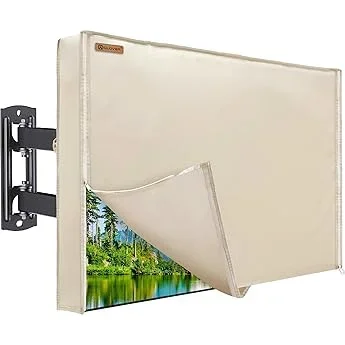
Why it’s bad: Many consumers buy TVs labeled “outdoor” or “all-weather” without realizing these terms are unregulated. A TV sold as “outdoor-ready” might only have a basic protective cover or minimal weather sealing—nowhere near sufficient for constant humidity exposure. This leads to premature failure, costly replacements, and frustration.
What to do instead: Scrutinize the IP rating, ask about internal humidity controls, and verify whether the TV is purpose-built for outdoor use or merely an indoor model with a cover. Stick to brands with proven track records in humid climates.
❌ Mistake: Ignoring Condensation Risk
Why it’s bad: Humidity doesn’t just come from rain—it condenses inside the TV when temperatures drop at night. Without proper thermal management, this moisture can short-circuit components or fog the screen permanently.
What to do instead: Choose a TV with active thermal regulation, optical bonding, and sealed internal compartments. Avoid models that rely solely on passive cooling or lack humidity-specific features.
❌ Mistake: Overlooking Mounting & Installation
Why it’s bad: Even the best weatherproof TV can fail if installed incorrectly. Mounting in direct rain, using non-weatherproof brackets, or failing to seal cable entries invites moisture intrusion.
What to do instead: Use manufacturer-recommended outdoor mounts, install under substantial cover (at least 4–6 feet of overhang), and seal all cable penetrations with silicone or grommets designed for outdoor use.
❌ Mistake: Skimping on Surge Protection
Why it’s bad: Humid coastal areas often experience frequent thunderstorms and power surges. Without proper protection, a lightning strike miles away can fry your TV’s electronics.
What to do instead: Invest in a high-quality outdoor surge protector rated for your region’s voltage fluctuations. Consider whole-house surge protection for added peace of mind.
❌ Mistake: Neglecting Regular Maintenance
Why it’s bad: Dust, salt residue, and pollen accumulate on outdoor TVs, blocking vents and reducing cooling efficiency. Over time, this can lead to overheating and component failure.
What to do instead: Clean the exterior monthly with a soft, damp cloth and mild detergent. Check and clear ventilation ports quarterly. Inspect seals and gaskets annually for cracks or wear.
❌ Mistake: Buying Based Solely on Price
Why it’s bad: The cheapest “outdoor” TV may save you $500 upfront but cost you $2,000 in replacements within two years. Humid environments demand robust engineering—not bargain-bin compromises.
What to do instead: Prioritize long-term value over initial cost. A $3,000 TV that lasts 8–10 years is a better investment than a $1,200 model that fails in 18 months.
Budget Guidelines: How Much Should You Spend?
Entry-Level ($800–$1,500): These TVs offer basic weather resistance (typically IP55) and are suitable for fully covered, low-exposure areas like screened-in porches in moderately humid regions. Expect smaller screen sizes (32″–55″), limited brightness (500–700 nits), and minimal smart features. Brands like Element and some Samsung Terrace Lite models fall here. Ideal for occasional use but not recommended for constant humidity or salt air.
Mid-Range ($1,500–$3,000): This is the sweet spot for most homeowners in humid climates. You’ll get IP65+ ratings, optical bonding, active cooling, and full smart platforms. Screen sizes range from 55″ to 75″, with brightness levels of 1,000–1,500 nits. SunBriteTV’s Veranda series and Seura’s Signature line exemplify this tier—offering excellent durability without luxury pricing.
Premium ($3,000–$5,000): Designed for serious outdoor entertainers and coastal properties, these TVs feature marine-grade materials, advanced thermal systems, and commercial-grade components. Expect 65″–85″ screens, 2,000+ nits brightness, HDR10+, and robust warranties. Perfect for pool decks, beach houses, and high-end resorts where reliability is non-negotiable.
Luxury ($5,000+): Reserved for enthusiasts and commercial applications, luxury weatherproof TVs include custom finishes, ultra-thin designs, integrated soundbars, and 24/7 operational capability. Models like the Peerless-AV Xtreme or SunBriteTV Pro X offer unparalleled performance and aesthetics—but at a significant premium.
Expert Tips for Getting the Best Deal
- Buy in the off-season: Prices drop significantly in late fall and winter (October–February) when demand for outdoor electronics is lowest. Many retailers clear inventory before spring.
- Check manufacturer rebates: Brands like SunBriteTV often run seasonal promotions or offer discounts for bundling with mounts or sound systems.
- Consider refurbished units: Certified refurbished weatherproof TVs from reputable sellers can save 20–30% and often come with the same warranty as new models.
- Negotiate installation packages: Some dealers include free or discounted professional installation—valuable for ensuring proper sealing and mounting in humid zones.
- Read the fine print on warranties: Ensure humidity and corrosion damage are covered. Avoid extended warranties from third-party sellers—they’re often overpriced and restrictive.
- Test before finalizing: If buying locally, ask to see the TV powered on outdoors. Check for fan noise, screen clarity in ambient light, and menu responsiveness.
- Use price tracking tools: Set alerts on Google Shopping or CamelCamelCamel (for Amazon) to catch sudden price drops on high-end models.

Frequently Asked Questions
Q: Can I use a regular TV outdoors in a humid climate if I cover it?
A: Technically yes, but it’s not recommended. Indoor TVs lack proper sealing, thermal management, and corrosion protection. Even with a cover, humidity can infiltrate through vents or cable ports, leading to internal damage. Over time, the cost of replacement far exceeds the price difference for a true weatherproof model.
Q: How do I know if my area is too humid for an outdoor TV?
A: If your average relative humidity exceeds 70% for extended periods—or if you’re within 10 miles of the coast—you need a premium weatherproof TV with active humidity controls. Check local weather data or consult with an outdoor AV installer familiar with your region.
Q: Do weatherproof TVs need to be plugged in all the time?
A: Yes, for optimal performance. Many models require constant power to maintain internal temperature and prevent condensation. Turning them off completely can increase the risk of moisture buildup during cool, damp nights.
Q: Can I mount a weatherproof TV on a boat or yacht?
A: Absolutely—but choose a marine-specific model with enhanced corrosion resistance, vibration damping, and wider operating temperature ranges. SunBriteTV’s Marine series is designed explicitly for this purpose.
Q: Will a weatherproof TV work in direct sunlight?
A: Only if it has sufficient brightness (1,000+ nits) and anti-reflective coating. Basic models may be usable in shade, but for full sun exposure, opt for a high-brightness display with optical bonding.
Q: How often should I clean my outdoor TV?
A: Clean the exterior monthly with a microfiber cloth and mild soap solution. Avoid abrasive cleaners or high-pressure water, which can damage seals.
Q: Are weatherproof TVs energy efficient?
A: Modern models are surprisingly efficient, especially those with LED backlighting and smart power management. Look for ENERGY STAR certification if energy use is a concern.
Q: Can I use streaming devices like Roku or Apple TV with a weatherproof TV?
A: Yes, but ensure the device is also protected from humidity. Use weatherproof enclosures or choose a TV with built-in smart functionality to minimize external components.
Our Final Recommendations
Best for Budget-Conscious Buyers: SunBriteTV Veranda Series (55″) – At around $1,800, it offers IP65 rating, 1,000 nits brightness, and full smart features—perfect for covered patios in moderately humid areas.
Best Overall Value: Seura Signature 65″ Outdoor TV – Combines stunning 4K HDR visuals, optical bonding, and a sleek design with excellent humidity resistance. Priced at $2,700, it’s ideal for pool decks and coastal homes.
Best Premium Option: SunBriteTV Pro Series 75″ – Built for extreme conditions, this model features 2,500 nits brightness, marine-grade aluminum, and a 3-year warranty. A top choice for luxury resorts and beachfront properties.
Best for Beginners: Samsung The Terrace (55″ Full Sun) – A user-friendly smart TV with strong brightness and decent weather sealing. Great for those new to outdoor viewing who want a familiar interface.
Best for Advanced Users: Peerless-AV Xtreme 85″ Commercial Display – Engineered for 24/7 operation, this beast handles humidity, heat, and salt air with ease. Ideal for tech-savvy homeowners or commercial installations.
Conclusion: Making the Right Choice
Choosing the right weatherproof TV for a humid environment isn’t just about picking the shiniest screen or the lowest price—it’s about understanding the unique challenges posed by constant moisture, temperature swings, and corrosive elements like salt air. From IP ratings and thermal management to build quality and smart features, every detail matters when your TV will be exposed to the elements day after day. By prioritizing humidity-specific protections, investing in reputable brands, and avoiding common pitfalls, you can enjoy crystal-clear outdoor entertainment for years to come.
Remember, the goal isn’t just survival—it’s thriving. A well-chosen weatherproof TV transforms your outdoor space into a true extension of your home, whether you’re watching the sunset with a cocktail in hand or hosting a movie night under the stars. Take the time to assess your specific needs, consider your climate, and don’t hesitate to invest in quality. After all, nothing ruins a perfect evening faster than a fogged-up screen or a dead TV. With the insights from this guide, you’re now equipped to make a confident, informed decision that delivers both performance and peace of mind.

