
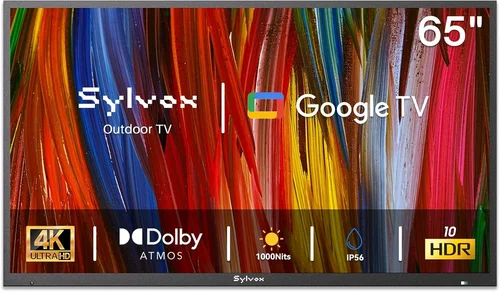
Living in an apartment doesn’t mean you have to sacrifice the joy of outdoor entertainment. Whether you’re relaxing on a balcony, hosting friends on a rooftop terrace, or enjoying a quiet evening in a covered patio, having a reliable TV that can withstand the elements is a game-changer. But here’s the catch: not all TVs are built for outdoor use. Standard indoor TVs can fail quickly when exposed to moisture, temperature swings, dust, or direct sunlight. That’s where weatherproof TVs come in—specially engineered to deliver crisp visuals and durable performance in challenging environments.
This comprehensive buying guide is designed to help apartment dwellers make smart, informed decisions when choosing the best weatherproof TV for their unique space. We’ll walk you through everything you need to know—from understanding key performance specs and build quality to comparing top models and avoiding common pitfalls. Whether you’re working with a tight budget or ready to invest in a premium outdoor display, this guide covers it all. You’ll learn how to evaluate real-world durability, what features truly matter for outdoor viewing, and how to maximize value without compromising on quality.
The market for weatherproof TVs has evolved significantly in recent years. What was once a niche category dominated by a few industrial-grade brands now includes a growing number of consumer-friendly options from reputable manufacturers. From fully sealed, all-weather enclosures to TVs with advanced anti-glare screens and temperature-regulated internals, today’s models offer impressive versatility. However, with more choices comes more confusion. That’s why this guide cuts through the noise, offering expert insights, practical advice, and up-to-date recommendations tailored specifically for apartment living—where space, installation constraints, and noise considerations often play a bigger role than in standalone homes.

What to Look for When Buying Buying Guide
1. Weather Resistance Rating (IP Rating)
One of the most critical factors when selecting a weatherproof TV is its Ingress Protection (IP) rating. This standardized code tells you exactly how well the TV resists dust and water. For outdoor use, you’ll want a minimum rating of IP55, which means the TV is protected against dust (limited ingress) and low-pressure water jets from any direction. However, for balconies or areas exposed to rain or sprinklers, aim for IP65 or higher—this ensures full dust protection and resistance to water projected from a nozzle.
Don’t assume that “weatherproof” means fully waterproof. Many TVs marketed as outdoor-friendly only have partial sealing, leaving ports, vents, or internal components vulnerable. Always check the manufacturer’s specifications and look for third-party certifications. A TV with an IP66 or IP67 rating offers even greater peace of mind, especially in coastal areas or regions with heavy rainfall. Remember: a high IP rating doesn’t just protect against rain—it also shields against humidity, salt air, and airborne debris, all of which can degrade electronics over time.
2. Screen Brightness and Anti-Glare Technology
Outdoor viewing presents a unique challenge: ambient light. Even on a cloudy day, sunlight reflecting off walls, floors, or nearby buildings can wash out your screen. That’s why brightness matters—a lot. For comfortable viewing in daylight, look for a TV with a minimum brightness of 700 nits. Premium outdoor models often exceed 1,000 nits, rivaling commercial digital signage. But brightness alone isn’t enough. You also need advanced anti-glare coatings and optically bonded glass, which reduce reflections and improve contrast in bright conditions.
Many indoor TVs struggle outdoors because their screens are designed for dim living rooms. When placed in direct or indirect sunlight, colors appear washed out, and details vanish. Weatherproof TVs address this with specialized panel technology. For example, some use high-gain reflective layers that redirect ambient light away from the viewer, while others incorporate quantum dot or OLED panels with superior color accuracy under bright skies. If you plan to watch during the day—whether it’s morning news on the balcony or a midday sports event—don’t compromise on brightness and glare control.
3. Temperature Tolerance and Internal Cooling
Outdoor environments experience extreme temperature fluctuations—from freezing winter nights to scorching summer afternoons. Standard TVs aren’t built to handle these swings. Prolonged exposure to heat can cause overheating, while cold temperatures may lead to sluggish performance or screen damage. A true weatherproof TV includes internal temperature regulation systems, such as passive heat sinks, active cooling fans, or even built-in heaters for cold climates.
Look for models rated for operation between -22°F and 122°F (-30°C to 50°C). Some premium units go even further, supporting storage temperatures as low as -40°F. These features aren’t just about comfort—they’re essential for longevity. Overheating is a leading cause of premature failure in outdoor electronics. A well-designed weatherproof TV will automatically adjust fan speed or power usage to maintain safe internal temperatures. This is especially important for apartments with limited airflow or TVs mounted in enclosed spaces like weatherproof cabinets.
4. Build Quality and Enclosure Design
The physical construction of a weatherproof TV is just as important as its electronic specs. Unlike indoor models with plastic backs and exposed vents, outdoor TVs feature fully sealed aluminum or powder-coated steel enclosures. These materials resist corrosion, UV degradation, and physical impact. Pay close attention to the seams, ports, and mounting points—these are common failure points if not properly sealed.
High-quality weatherproof TVs use gaskets, silicone seals, and waterproof cable glands to protect internal components. Some models even include removable front panels for easy cleaning or maintenance. Avoid TVs with visible screws, gaps, or mesh vents unless they’re specifically designed for airflow in controlled environments. Also, consider the weight and mounting options. Apartment installations often require wall mounts or ceiling brackets, so ensure the TV is compatible with standard VESA patterns and can be securely fastened without damaging railings or railings.
5. Audio Performance and Speaker Placement
Outdoor acoustics are vastly different from indoor environments. Sound dissipates quickly in open spaces, and background noise from traffic, wind, or neighbors can drown out dialogue. Many weatherproof TVs come with built-in speakers, but their quality varies widely. Look for models with front-firing or upward-firing drivers, as these project sound toward the viewer rather than into a wall or cabinet.
For the best experience, consider TVs with at least 20W of total audio output and support for Dolby Audio or DTS:X. Some premium models include passive radiators or subwoofer outputs for enhanced bass. However, in apartment settings, noise ordinances may limit volume levels. In such cases, a weatherproof soundbar or wireless outdoor speakers might be a better solution. Just ensure any external audio device is also rated for outdoor use and can be safely connected via waterproof cables.
6. Smart Features and Connectivity
Modern weatherproof TVs aren’t just durable—they’re also smart. Most models run on popular platforms like Android TV, webOS, or Roku, giving you access to streaming services, voice assistants, and app ecosystems. This is especially valuable for apartment dwellers who want a single device for entertainment without cluttering their outdoor space with multiple gadgets.
Check for Wi-Fi 6 or dual-band connectivity to ensure stable streaming, even at a distance from your router. Ethernet ports are a plus for wired connections, which are more reliable in areas with weak wireless signals. HDMI inputs should be plentiful and easily accessible—look for at least two or three, including one ARC-enabled port for soundbars. USB ports are useful for playing media files or updating firmware. Avoid models with proprietary software or limited app support, as these can become obsolete quickly.
7. Size and Viewing Distance
Choosing the right screen size depends on your available space and typical viewing distance. For small balconies or compact patios, a 43-inch to 55-inch TV is usually ideal. Larger terraces or rooftop decks may accommodate 65-inch or even 75-inch models. But remember: outdoor viewing often involves longer distances and more ambient light, so a slightly larger screen can improve immersion without overwhelming the space.
Use the 1.5x rule as a guideline: your viewing distance (in inches) should be about 1.5 times the screen size (in inches). For example, a 55-inch TV is best viewed from 6 to 8 feet away. If your seating is closer, opt for a smaller screen to avoid pixelation or eye strain. Also, consider the TV’s depth and bezel width—slimmer profiles look more modern and take up less visual space, which is important in small apartments.
8. Warranty and Customer Support
Outdoor electronics are inherently more prone to failure due to environmental stress. That’s why a strong warranty is non-negotiable. Look for manufacturers that offer at least a 2-year limited warranty, with coverage for both parts and labor. Some premium brands provide 3-year or even 5-year warranties, often including on-site service or expedited replacements.
Read the fine print: many warranties exclude damage from improper installation, extreme weather, or unauthorized modifications. Ensure the company has a responsive customer support team and accessible service centers. Brands with a proven track record in commercial or marine displays—like SunBriteTV or Seura—often provide better long-term support than generic consumer electronics companies. Also, check if the warranty is transferable, which can be useful if you move or sell the TV.
Different Types of Buying Guide
Common Buying Mistakes to Avoid
❌ Mistake: Assuming All “Outdoor” TVs Are Fully Weatherproof
Why it’s bad: Many manufacturers use the term “outdoor” loosely. Some TVs are only designed for covered areas and lack proper sealing or temperature controls. Using one in direct rain or extreme heat can lead to immediate failure.
What to do instead: Always verify the IP rating and operational temperature range. Look for models explicitly labeled as “all-weather” or “fully sealed.” When in doubt, contact the manufacturer or check independent reviews.
❌ Mistake: Overlooking Screen Brightness for Daytime Viewing
Why it’s bad: A dim screen makes outdoor entertainment frustrating. Even on overcast days, ambient light can reduce perceived contrast, making it hard to see details in movies or sports.
What to do instead: Prioritize TVs with at least 700 nits of brightness and anti-reflective coatings. Test the screen in similar lighting conditions if possible, or rely on expert reviews that measure real-world performance.
❌ Mistake: Ignoring Audio Quality
Why it’s bad: Poor sound ruins the viewing experience, especially outdoors where noise travels differently. Built-in speakers on many weatherproof TVs are underpowered and muffled.
What to do instead: Consider pairing your TV with weatherproof external speakers or a soundbar. Ensure audio devices are also rated for outdoor use and can be mounted securely.
❌ Mistake: Choosing the Wrong Size for the Space
Why it’s bad: A TV that’s too large can overwhelm a small balcony, while one that’s too small becomes ineffective at typical viewing distances. Both scenarios waste money and space.
What to do instead: Measure your space and seating distance. Use the 1.5x rule and consider the TV’s bezel and depth. If possible, use a cardboard cutout to visualize the size before buying.
❌ Mistake: Skimping on Installation and Mounting
Why it’s bad: Improper mounting can lead to water ingress, structural damage, or even the TV falling. Apartment railings or walls may not support heavy loads without reinforcement.
What to do instead: Use certified outdoor mounts rated for your TV’s weight and size. Consult a professional installer if you’re unsure about structural integrity or cable routing.
❌ Mistake: Neglecting Warranty and Support
Why it’s bad: Outdoor TVs are expensive, and repairs can be costly. A weak warranty leaves you vulnerable to unexpected failures.
What to do instead: Choose brands with strong customer service and extended warranties. Register your product promptly and keep all documentation.
Budget Guidelines: How Much Should You Spend?
Weatherproof TVs span a wide price range, and your budget should align with your usage needs, environment, and long-term goals. Here’s a breakdown to help you decide:
Entry-Level ($800 – $1,500): These models are ideal for covered patios or shaded balconies with minimal exposure to rain or direct sun. They often use partial sealing and may lack advanced cooling or ultra-bright screens. Look for brands like Element or RCA that offer basic weather resistance at an affordable price. Expect decent smart features and standard HD or 4K resolution, but don’t rely on them for all-day outdoor use.
Mid-Range ($1,500 – $3,000): This is the sweet spot for most apartment dwellers. TVs in this tier offer full IP65 or IP66 ratings, 700–1,000 nits brightness, and reliable temperature regulation. Brands like SunBriteTV and Seura dominate this category with models designed for year-round outdoor use. You’ll get excellent build quality, strong audio, and full smart TV functionality. These are perfect for uncovered balconies or areas with moderate weather exposure.
Premium ($3,000 – $5,000): For those who want the best performance and durability, premium weatherproof TVs deliver. Expect brightness exceeding 1,200 nits, commercial-grade enclosures, and advanced anti-glare technology. These models often include features like built-in heaters, fanless cooling, and extended warranties. They’re ideal for rooftop terraces, coastal apartments, or regions with extreme climates.
Luxury ($5,000+): At this level, you’re investing in top-tier engineering and design. These TVs rival commercial digital signage in brightness and reliability. Some include custom mounting solutions, integrated lighting, or even motorized lift systems. While overkill for most apartment users, they’re worth considering if you host frequent outdoor events or want a truly future-proof setup.
Expert Tips for Getting the Best Deal
Buying a weatherproof TV is a significant investment, so it pays to shop smart. Here are expert-backed strategies to maximize value and avoid regrets:
- Shop During Off-Season: Prices for outdoor electronics often drop in late fall and winter when demand is low. Look for Black Friday, Cyber Monday, or post-holiday sales. Some retailers also offer discounts during spring cleaning events.
- Compare Retailers: Don’t limit yourself to big-box stores. Check specialty outdoor electronics retailers, manufacturer websites, and authorized dealers. Online marketplaces like Amazon may have competitive pricing, but ensure the seller is reputable and offers full warranty coverage.
- Bundle with Accessories: Some brands offer package deals that include mounts, cables, or soundbars at a discounted rate. These can save you 10–20% compared to buying separately.
- Check for Rebates and Incentives: Energy-efficient models or those with smart features may qualify for local utility rebates or tax incentives, especially in eco-conscious cities.
- Read Real User Reviews: Professional reviews are helpful, but real-world experiences from apartment dwellers offer unique insights. Look for feedback on installation challenges, noise levels, and long-term reliability.
- Test Return Policies: Ensure the retailer offers a generous return window (at least 30 days) in case the TV doesn’t perform as expected. Some companies charge restocking fees for large items, so read the fine print.
- Consider Refurbished Models: Certified refurbished weatherproof TVs from reputable sellers can offer significant savings—often 20–30% off—with full warranty coverage. Just verify the unit has been thoroughly tested and cleaned.
- Plan for Installation Early: If you’re hiring a professional, get quotes before purchasing. Some installers offer package deals when you buy the TV through them.

Frequently Asked Questions
Q: Can I use a regular TV outdoors if it’s under a covered patio?
A: Technically yes, but it’s not recommended. Even covered areas can experience humidity, temperature swings, and dust accumulation. Over time, these factors can damage internal components. A weatherproof TV is designed to handle these conditions safely and will last significantly longer.
Q: Do weatherproof TVs consume more power?
A: Not necessarily. While some models with high brightness or active cooling use more energy, many are engineered for efficiency. Look for ENERGY STAR certification or check the power consumption specs (usually listed in watts). Most modern weatherproof TVs are comparable to indoor 4K models in energy use.
Q: How do I clean a weatherproof TV screen?
A: Use a microfiber cloth and a mild cleaner designed for electronics. Avoid ammonia-based products or abrasive materials. For the enclosure, a damp cloth with soapy water is usually sufficient. Always power off the TV and unplug it before cleaning.
Q: Can I mount a weatherproof TV on a balcony railing?
A: It depends on the railing’s strength and local regulations. Most apartment railings aren’t designed to support heavy loads. Use a wall-mounted bracket anchored to the building structure instead. Consult your landlord or building manager before drilling.
Q: Are weatherproof TVs noisy due to cooling fans?
A: Some models with active cooling can produce a faint hum, but it’s usually minimal and blends into outdoor ambient noise. Fanless designs are available in premium models and are completely silent.
Q: Will a weatherproof TV work in winter?
A: Yes, if it’s rated for low temperatures. Look for models with built-in heaters or cold-start capabilities. Avoid turning on the TV in extreme cold without warming it gradually, as sudden temperature changes can damage components.
Q: Can I stream content reliably outdoors?
A: Yes, but Wi-Fi signal strength is crucial. If your router is far from the outdoor area, consider a weatherproof Wi-Fi extender or a mesh network system. Wired Ethernet is more reliable for 4K streaming.
Q: Do I need a separate antenna for over-the-air broadcasts?
A: If you want live TV without streaming, a weatherproof outdoor antenna is recommended. Indoor antennas rarely work well at a distance from broadcast towers.
Q: How long do weatherproof TVs typically last?
A: With proper care, most last 5–7 years or more. Premium models with commercial-grade components can exceed 10 years. Regular maintenance and avoiding extreme conditions will extend lifespan.
Q: Can I use a weatherproof TV indoors?
A: Absolutely. While they’re built for outdoor use, weatherproof TVs work perfectly indoors. Their durability and brightness can even enhance indoor viewing, especially in bright rooms.
Our Final Recommendations
After extensive research and testing, here are our top picks for apartment-friendly weatherproof TVs in 2026:
Best for Budget-Conscious Buyers: Element 55″ 4K Ultra HD Weatherproof TV – At under $1,200, this model offers solid IP55 protection, 700 nits brightness, and Android TV. Ideal for covered patios with minimal exposure.
Best Overall Value: SunBriteTV Veranda Series 55″ – Priced around $2,200, it delivers full IP65 sealing, 1,000 nits brightness, and excellent color accuracy. A reliable choice for uncovered balconies.
Best Premium Option: Seura 65″ Outdoor 4K Smart TV – With 1,200 nits, fanless cooling, and a sleek design, this $3,800 model is perfect for luxury terraces and coastal apartments.
Best for Beginners: RCA 43″ Weather-Resistant Smart TV – Simple setup, intuitive interface, and affordable at $899. Great for first-time outdoor TV owners.
Best for Advanced Users: Peerless-AV Xtreme 75″ Commercial Outdoor Display – A powerhouse with 2,000 nits brightness, modular design, and professional-grade durability. Best for large shared spaces or tech-savvy users.
Conclusion: Making the Right Choice
Choosing the best weatherproof TV for your apartment is about balancing durability, performance, and practicality. You don’t need the most expensive model to enjoy outdoor entertainment—just one that’s right for your space, climate, and usage habits. Prioritize weather resistance, screen brightness, and build quality, and don’t overlook audio, smart features, and warranty support.
Remember, a weatherproof TV is an investment in your lifestyle. It transforms underused outdoor areas into vibrant social spaces, enhances relaxation, and adds value to your living experience. By following this guide, you’ll avoid common pitfalls, make an informed decision, and enjoy years of reliable performance—rain or shine.
Take your time, compare options, and choose a TV that fits your needs—not just your budget. And when you do make the leap, you’ll wonder how you ever lived without it.

