
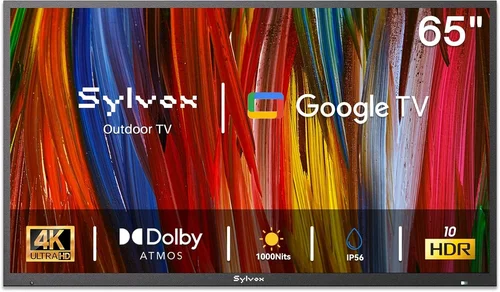
Outdoor living spaces have evolved dramatically over the past decade, transforming from simple patios and decks into fully functional extensions of the home. Whether you’re hosting summer barbecues, enjoying quiet evenings under string lights, or catching the big game with friends, having a reliable outdoor TV can elevate your experience to new heights. However, not all outdoor TVs are created equal—especially when you live in a windy area. Strong gusts, flying debris, temperature swings, and exposure to the elements pose unique challenges that standard indoor TVs simply can’t handle. That’s why choosing the right outdoor television isn’t just about picture quality or smart features—it’s about durability, resilience, and long-term performance in harsh conditions.
This comprehensive buying guide is designed to help you navigate the complex world of outdoor TVs, with a special focus on models built to withstand windy environments. Whether you’re in coastal regions prone to salty sea breezes, mountainous zones with unpredictable gusts, or open plains where wind is a constant companion, we’ll walk you through everything you need to know before making your purchase. You’ll learn how to evaluate critical factors like weatherproofing, mounting stability, screen brightness, and build materials. We’ll also compare different types of outdoor TVs, highlight common pitfalls to avoid, and provide expert recommendations based on real-world performance and user feedback.
The market for outdoor TVs has grown significantly, with manufacturers now offering a range of options from budget-friendly models to high-end, commercial-grade displays. Brands like SunBriteTV, Samsung, LG, and Seura have stepped up their game, introducing ruggedized screens with anti-glare coatings, sealed enclosures, and reinforced frames. But with so many choices, it’s easy to get overwhelmed. This guide cuts through the noise, delivering actionable insights and practical advice to help you make an informed decision. By the end, you’ll know exactly what to look for, how much to spend, and which models offer the best balance of performance, protection, and value for windy outdoor settings.

What to Look for When Buying Buying Guide
1. Weather Resistance & IP Rating
When it comes to outdoor TVs, weather resistance isn’t optional—it’s essential. In windy areas, your TV will be exposed not just to rain and humidity, but also to dust, pollen, salt spray (if near the coast), and even small debris carried by strong gusts. The first thing to check is the TV’s Ingress Protection (IP) rating, which indicates how well the unit is sealed against solids and liquids. For outdoor use, look for a minimum IP55 rating, which means the TV is protected against dust and water jets from any direction. However, for windy or coastal environments, an IP65 or higher rating is strongly recommended. IP65 ensures complete protection against dust and low-pressure water jets, making it ideal for patios, decks, and covered outdoor spaces.
Beyond the IP rating, examine the materials used in the TV’s construction. High-quality outdoor TVs feature powder-coated aluminum or stainless steel housings that resist rust and corrosion. Avoid plastic enclosures, as they can degrade over time when exposed to UV rays and temperature fluctuations. Also, ensure that all ports, vents, and mounting points are properly sealed. Some premium models include internal heating and cooling systems to maintain optimal operating temperatures, which is especially useful in regions with extreme seasonal changes.
Another often-overlooked aspect is the screen itself. Wind-blown sand or dirt can scratch standard glass, so look for models with tempered or laminated glass that resists abrasion. Anti-reflective coatings are also crucial, as they reduce glare from sunlight and improve visibility during daytime viewing. If you live in a particularly dusty or sandy area, consider a TV with a fully enclosed design that prevents particles from entering the internal components.
2. Wind Resistance & Mounting Stability
In windy areas, how your TV is mounted is just as important as the TV itself. A poorly secured outdoor TV can become a dangerous projectile during a storm or strong gust. Start by choosing a mounting system designed specifically for outdoor use. Look for heavy-duty wall mounts or ceiling brackets made from corrosion-resistant materials like stainless steel or aluminum. The mount should be rated to handle at least 1.5 times the weight of your TV to account for wind load and vibration.
When installing, anchor the mount securely into structural elements such as studs, concrete, or masonry—never into drywall or lightweight siding. Use lag bolts or concrete anchors for maximum hold. If you’re mounting on a freestanding pole or post, ensure it’s deeply embedded and stabilized with concrete footings. Some homeowners opt for retractable or tiltable mounts that allow the TV to be angled away from prevailing winds or lowered during storms. This not only protects the screen but also reduces wind resistance.
Consider the TV’s physical design as well. Models with a low-profile, aerodynamic shape experience less wind pressure than bulky or boxy units. Some outdoor TVs come with built-in wind deflectors or reinforced frames that add structural integrity. If you live in an area prone to hurricanes or tornadoes, consult local building codes and consider professional installation to ensure compliance with safety standards.
3. Screen Brightness & Anti-Glare Technology
One of the biggest challenges with outdoor TVs is maintaining visibility in bright daylight. Standard indoor TVs typically have a brightness of 300–500 nits, which is insufficient for outdoor use. In direct sunlight, you’ll need a screen with at least 700 nits, but for optimal performance, aim for 1000 nits or higher. High brightness ensures that images remain clear and vibrant even when the sun is shining directly on the screen.
Equally important is anti-glare technology. Look for TVs with matte or anti-reflective coatings that diffuse sunlight rather than reflecting it. Some models use advanced optical filters or layered glass to minimize glare without sacrificing color accuracy. OLED screens, while offering excellent contrast, can struggle with brightness in outdoor settings, so QLED or high-brightness LED panels are often better choices for patios.
Consider the viewing angle as well. In windy areas, you may be watching from various positions—seated, standing, or even walking by. A TV with wide viewing angles (178 degrees or more) ensures consistent picture quality from different vantage points. Additionally, some outdoor TVs feature ambient light sensors that automatically adjust brightness based on surrounding conditions, helping to conserve energy and reduce eye strain.
4. Build Quality & Durability
Durability is non-negotiable when it comes to outdoor electronics. Wind, rain, temperature extremes, and UV exposure can take a toll on even the most robust devices. Start by examining the TV’s frame and casing. High-end outdoor models use aircraft-grade aluminum or reinforced polymers that resist warping, cracking, and fading. Avoid models with flimsy plastic backs or thin metal sheets that can dent or corrode.
Internal components should also be built to last. Look for TVs with sealed circuit boards, conformal coatings on electronics, and ventilation systems that prevent moisture buildup. Some manufacturers use military-grade testing standards (like MIL-STD-810) to simulate extreme conditions, including high winds, salt fog, and thermal cycling. These tests ensure the TV can withstand years of outdoor use without performance degradation.
Pay attention to the remote control and input ports. Outdoor remotes should be weather-resistant and easy to use with gloves. Inputs like HDMI, USB, and Ethernet should be covered with protective flaps or located in sealed compartments. If you plan to connect streaming devices or gaming consoles, ensure there’s enough space and airflow to prevent overheating.
5. Smart Features & Connectivity
Modern outdoor TVs aren’t just about durability—they’re also packed with smart features that enhance convenience and functionality. Most outdoor models come with built-in Wi-Fi, allowing you to stream content from platforms like Netflix, YouTube, and Disney+. Look for TVs with updated operating systems (such as Android TV, webOS, or Tizen) that support app installations and regular software updates.
Connectivity options are crucial for versatility. Ensure the TV has multiple HDMI ports, USB inputs, and possibly an Ethernet port for a stable wired connection. Some models include Bluetooth for wireless audio streaming to outdoor speakers or headphones. If you plan to use a soundbar or external audio system, check for optical audio output or ARC (Audio Return Channel) support.
Voice control is another useful feature, especially when your hands are full or you’re at a distance. Compatibility with Amazon Alexa, Google Assistant, or Apple Siri allows you to change channels, adjust volume, or search for content using voice commands. However, keep in mind that wind and ambient noise can interfere with voice recognition, so test this feature in real-world conditions.
6. Size & Viewing Distance
Choosing the right screen size depends on your patio layout and typical viewing distance. For most outdoor setups, a 55-inch to 65-inch TV offers a great balance of immersion and practicality. If your seating area is 8–10 feet away, a 55-inch screen provides an optimal viewing experience. For larger patios or outdoor theaters, consider 75-inch or even 85-inch models.
However, size isn’t just about immersion—it also affects wind resistance. Larger screens have more surface area, which means they catch more wind. If you live in a particularly windy area, you may need to reinforce the mounting system or choose a slightly smaller TV to reduce risk. Also, consider the TV’s weight; heavier models are generally more stable but require stronger mounts.
Don’t forget about resolution. While 4K UHD is standard for most outdoor TVs, ensure the screen maintains sharpness and color accuracy in bright conditions. Some manufacturers offer “outdoor-optimized” 4K panels with enhanced contrast and color gamut. If budget allows, consider models with HDR (High Dynamic Range) support for deeper blacks and more vivid colors.
7. Brand Reputation & Customer Support
Not all outdoor TV brands are created equal. Some specialize exclusively in weather-resistant displays, while others adapt indoor models for outdoor use. Brands like SunBriteTV, Seura, and Peerless-AV have built their reputation on durability and performance in harsh environments. They often provide detailed installation guides, customer support, and extended warranties tailored to outdoor use.
Research customer reviews and look for feedback from users in similar climates. Pay attention to comments about long-term reliability, ease of installation, and responsiveness of customer service. A brand with a strong track record in windy or coastal areas is more likely to deliver a product that meets your needs.
Also, consider the availability of replacement parts and service centers. If something goes wrong, you don’t want to wait weeks for a repair. Some brands offer on-site service or partner with local technicians, which can be a major advantage for outdoor installations.
8. Warranty & Return Policy
A solid warranty is a sign of confidence in a product’s durability. For outdoor TVs, look for warranties that cover at least 2–3 years, with options to extend. Some manufacturers offer separate coverage for the screen, electronics, and mounting hardware. Be sure to read the fine print—some warranties are voided if the TV is installed incorrectly or exposed to conditions beyond its rating.
Return policies are equally important, especially when buying online. Choose retailers that offer at least a 30-day return window and cover return shipping for defective items. If possible, test the TV in your actual outdoor environment before finalizing the purchase. Some companies even offer trial periods or satisfaction guarantees.
Finally, consider insurance. If you live in a high-wind or storm-prone area, adding your outdoor TV to your homeowner’s insurance policy can provide peace of mind. Some insurers offer discounts for weather-resistant electronics, so it’s worth checking.
Different Types of Buying Guide
Common Buying Mistakes to Avoid
❌ Mistake: Using an Indoor TV Outdoors
Why it’s bad: Indoor TVs are not designed to handle moisture, temperature changes, or dust. Even under a covered patio, condensation can form inside the unit, leading to corrosion, short circuits, and permanent damage. In windy areas, flying debris can crack the screen or damage internal components.
What to do instead: Always choose a TV specifically rated for outdoor use. If budget is a concern, consider a high-quality indoor TV paired with a certified outdoor enclosure, but never expose a standard TV directly to the elements.
❌ Mistake: Ignoring Wind Load in Mounting
Why it’s bad: A TV mounted with inadequate hardware can detach during strong winds, posing a safety hazard and resulting in costly damage. Lightweight mounts or improper anchoring are common causes of failure.
What to do instead: Use a heavy-duty, weather-resistant mount rated for your TV’s size and weight. Anchor it securely into structural supports, and consider consulting a professional installer in high-wind zones.
❌ Mistake: Overlooking Screen Brightness
Why it’s bad: A dim screen will be washed out in daylight, making it difficult to see content. This is especially problematic in open patios with direct sun exposure.
What to do instead: Choose a TV with at least 1000 nits of brightness and an anti-glare coating. Test the screen in similar lighting conditions if possible.
❌ Mistake: Skimping on Weatherproofing
Why it’s bad: Even minor exposure to rain or humidity can damage internal electronics over time. Salt air in coastal areas accelerates corrosion.
What to do instead: Opt for a TV with an IP65 or higher rating and a fully sealed design. Regularly inspect seals and ports for wear.
❌ Mistake: Buying Based on Price Alone
Why it’s bad: Cheaper outdoor TVs often cut corners on materials, brightness, and durability, leading to premature failure.
What to do instead: Balance cost with long-term value. A mid-range outdoor TV with solid build quality often outperforms a budget model over time.
❌ Mistake: Neglecting Audio Quality
Why it’s bad: Wind and ambient noise can drown out built-in speakers, making dialogue hard to hear.
What to do instead: Invest in outdoor-rated speakers or a soundbar. Look for TVs with audio output options for external systems.
❌ Mistake: Not Planning for Cable Management
Why it’s bad: Exposed cables can be damaged by wind, UV rays, or pests, and create a tripping hazard.
What to do instead: Use weatherproof conduit or cable raceways to protect wires. Route cables through walls or under decking when possible.
Budget Guidelines: How Much Should You Spend?
- Entry-Level ($800 – $1,500): These are typically indoor TVs housed in basic outdoor enclosures. They offer limited brightness (500–700 nits) and minimal weatherproofing. Best for covered patios in mild climates with low wind exposure. Expect shorter lifespans and fewer smart features.
- Mid-Range ($1,500 – $3,000): This is the sweet spot for most homeowners. These TVs are either purpose-built outdoor models or high-quality indoor units with premium enclosures. They feature 700–1000 nits brightness, IP55–IP65 ratings, and reliable smart platforms. Ideal for windy areas with proper mounting.
- Premium ($3,000 – $5,000): Designed for harsh environments, these TVs offer 1000+ nits brightness, full weather sealing, and advanced features like ambient light sensors and internal cooling. Brands like SunBriteTV and Seura dominate this space. Perfect for coastal or high-wind regions.
- Luxury ($5,000+): Commercial-grade displays with 24/7 operation capability, extreme durability, and custom installation options. These are overkill for most homes but ideal for large outdoor theaters or public venues.
Expert Tips for Getting the Best Deal
- Buy During Off-Season: Outdoor TVs are in highest demand during spring and summer. Shop in late fall or winter for discounts of 15–30%.
- Check Manufacturer Rebates: Brands like Samsung and LG often offer seasonal rebates or bundle deals with mounts and soundbars.
- Compare Retailers: Prices can vary significantly between big-box stores, specialty outdoor retailers, and online marketplaces. Use price-tracking tools to monitor fluctuations.
- Look for Refurbished Models: Certified refurbished outdoor TVs from reputable sellers can save you hundreds while offering the same warranty as new units.
- Negotiate Installation: Some retailers include free or discounted installation with purchase—especially during promotional periods.
- Read the Warranty Carefully: Ensure it covers outdoor use and includes on-site service if needed.
- Test Before Committing: If possible, visit a showroom or ask for a demo unit to evaluate brightness and build quality in person.
- Consider Energy Efficiency: Look for ENERGY STAR-rated models to reduce long-term electricity costs, especially if the TV runs frequently.

Frequently Asked Questions
Q: Can I use a regular TV outside if it’s under a covered patio?
A: Technically yes, but it’s not recommended. Even under cover, humidity, temperature swings, and dust can damage internal components over time. For reliable performance, use an outdoor-rated TV or a certified enclosure.
Q: How do I protect my outdoor TV from wind damage?
A: Use a heavy-duty mount anchored into structural supports, choose a low-profile TV design, and consider retractable mounts. Remove or secure the TV during extreme weather events.
Q: Do outdoor TVs need special power outlets?
A: They use standard 120V outlets, but it’s wise to install a GFCI (Ground Fault Circuit Interrupter) outlet for safety, especially in damp locations.
Q: Can I leave my outdoor TV on during rain?
A: Yes, if it’s rated for outdoor use and properly installed. However, avoid operating it during lightning storms to prevent electrical damage.
Q: How often should I clean my outdoor TV?
A: Clean the screen and housing every 1–2 months with a soft, damp cloth. Avoid harsh chemicals or abrasive materials that can damage coatings.
Q: Are outdoor TVs worth the extra cost?
A: If you use your patio frequently and live in a challenging climate, yes. The durability, brightness, and longevity justify the investment.
Q: Can I connect a gaming console to an outdoor TV?
A: Absolutely. Most outdoor TVs have HDMI ports and support 4K gaming. Just ensure the TV has low input lag for responsive gameplay.
Q: What’s the difference between an outdoor TV and a weatherproof TV?
A: “Outdoor TV” usually refers to purpose-built models with integrated weatherproofing. “Weatherproof TV” may refer to indoor TVs in protective enclosures. The former is generally more reliable.
Q: How long do outdoor TVs last?
A: With proper care, a high-quality outdoor TV can last 7–10 years or more. Cheaper models may fail within 3–5 years.
Q: Can I mount an outdoor TV on a pole?
A: Yes, but the pole must be securely anchored and rated for wind load. Use a reinforced outdoor pole mount and consult local building codes.
Our Final Recommendations
- Best for Budget-Conscious Buyers: SunBriteTV Veranda Series 55-inch – Offers excellent weather resistance, 700 nits brightness, and a durable aluminum frame at a competitive price.
- Best Overall Value: Seura Outdoor 65-inch 4K Smart TV – Combines 1000 nits brightness, IP65 rating, and a sleek design with reliable smart features.
- Best Premium Option: SunBriteTV Pro Series 75-inch – Built for extreme conditions with 1500 nits brightness, internal cooling, and military-grade durability.
- Best for Beginners: LG OLED G3 with Peerless-AV Outdoor Enclosure – A high-performance indoor TV paired with a top-tier enclosure for easy setup.
- Best for Advanced Users: Samsung The Terrace 75-inch – Features 2000 nits brightness, anti-glare coating, and seamless integration with Samsung’s smart ecosystem.
Conclusion: Making the Right Choice
Choosing the best outdoor TV for a windy area requires careful consideration of weather resistance, mounting stability, screen performance, and long-term durability. It’s not just about finding the shiniest screen or the smartest features—it’s about investing in a product that can withstand the elements and deliver consistent performance year after year. By prioritizing factors like IP rating, brightness, build quality, and proper installation, you can enjoy your outdoor entertainment space with confidence, no matter how strong the wind blows.
Remember, the cheapest option isn’t always the best value. A mid-range outdoor TV with solid construction and reliable weatherproofing will outlast and outperform a budget model, saving you money and frustration in the long run. Take the time to assess your specific needs, consult with professionals if necessary, and don’t hesitate to invest in quality mounting and cable management.
Ultimately, the right outdoor TV transforms your patio into a true extension of your home—a place where memories are made, games are watched, and relaxation comes naturally. With the insights from this guide, you’re now equipped to make a smart, informed decision that balances performance, protection, and personal preference. So go ahead, upgrade your outdoor experience, and enjoy the show—rain or shine, wind or calm.

