
Summer is the season of backyard barbecues, pool parties, outdoor movie nights, and long evenings spent under string lights with friends and family. Whether you’re hosting a lively game day gathering or setting up a cozy outdoor cinema experience, having the right TV on your patio can transform your space into the ultimate entertainment hub. But not all TVs are created equal when it comes to outdoor use. The sun, humidity, temperature swings, and ambient noise all pose unique challenges that indoor models simply aren’t built to handle.
That’s where this comprehensive buying guide comes in. We’ve spent months researching, testing, and analyzing the latest outdoor-ready TVs to help you make a smart, informed decision. Whether you’re a casual host or a full-time entertainer, this guide will walk you through everything you need to know—from key performance specs and durability features to budget considerations and common pitfalls. By the end, you’ll have the confidence to choose a patio TV that delivers stunning picture quality, stands up to the elements, and enhances your summer gatherings for years to come.
The market for outdoor TVs has evolved dramatically in recent years. What used to be a niche category dominated by bulky, expensive specialty models now includes sleek, high-performance options from major brands like Samsung, LG, Sony, and TCL—many of which blur the line between indoor and outdoor use. At the same time, dedicated outdoor TV manufacturers like SunBriteTV and Seura continue to push the envelope with weatherproof designs and enhanced brightness. With so many choices, it’s easy to get overwhelmed. This guide cuts through the noise, offering expert insights, real-world advice, and actionable recommendations tailored specifically to your patio setup.

What to Look for When Buying Buying Guide
1. Brightness & Sunlight Readability
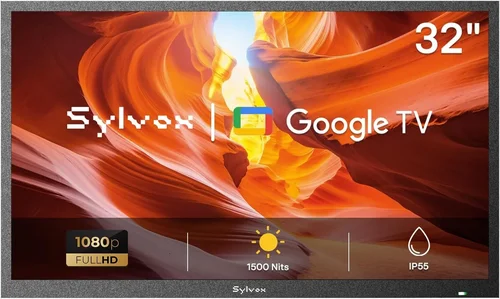
One of the most critical factors for any patio TV is brightness—specifically, how well the screen performs in direct sunlight. Indoor TVs typically range from 300 to 600 nits of brightness, which is fine for a dimly lit living room but completely inadequate outdoors. On a sunny afternoon, ambient light can easily wash out a standard display, making it impossible to see what’s on screen.
For outdoor use, you’ll want a TV with at least 700 nits, but ideally 1,000 nits or higher. Some premium outdoor models boast up to 2,500 nits, which ensures crisp, vibrant images even at peak daylight hours. Look for terms like “high-brightness LED,” “anti-glare coating,” or “direct sunlight readable” in product descriptions. Additionally, consider the screen’s reflectance—matte finishes reduce glare better than glossy ones, though they may slightly soften image sharpness.
2. Weather Resistance & IP Rating
Outdoor TVs must withstand rain, dust, humidity, and temperature extremes—something most indoor models aren’t designed for. This is where the Ingress Protection (IP) rating becomes essential. The IP rating consists of two digits: the first indicates protection against solids (like dust), and the second against liquids (like rain).
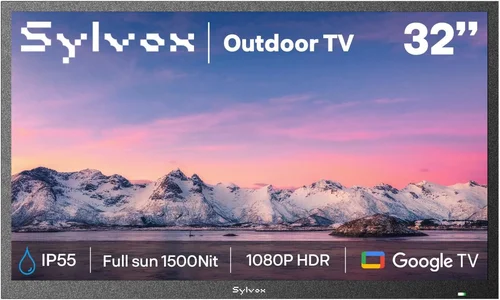
For patio use, look for an IP55 rating or higher. IP55 means the TV is protected from limited dust ingress and low-pressure water jets from any direction—perfect for covered patios or semi-enclosed spaces. If your TV will be exposed to heavy rain or placed in an open area, consider models with IP65 or IP66 ratings, which offer full dust protection and resistance to powerful water jets.
Keep in mind that even “weather-resistant” TVs aren’t meant to be submerged or left in standing water. Always ensure proper mounting and consider using a weatherproof cover when the TV isn’t in use, especially during off-seasons.
3. Display Technology: OLED vs. QLED vs. LED
The type of display technology affects not only picture quality but also outdoor performance. Here’s a quick breakdown:
– LED/LCD: The most common and affordable option. Modern LED TVs with full-array local dimming (FALD) offer excellent contrast and brightness, making them strong contenders for outdoor use. However, they can suffer from backlight blooming in dark scenes.
– QLED (Quantum Dot LED): Developed by Samsung, QLED enhances color accuracy and brightness using quantum dots. These TVs often hit 1,500–2,000 nits, making them ideal for sunny patios. They’re more durable than OLEDs and don’t suffer from burn-in, but black levels aren’t as deep.
– OLED: Known for perfect blacks and infinite contrast, OLEDs deliver stunning picture quality indoors. However, they’re generally not recommended for full sun exposure due to lower peak brightness (typically under 800 nits) and potential long-term degradation from UV exposure. That said, some newer OLED models with enhanced brightness and anti-reflective coatings are entering the outdoor market—just proceed with caution.
For most patio setups, QLED or high-brightness LED with FALD is the sweet spot between performance, durability, and value.
4. Size & Viewing Distance
Choosing the right screen size isn’t just about preference—it’s about optimizing your viewing experience based on distance and seating arrangement. A TV that’s too small will be hard to see from across the yard, while one that’s too large can overwhelm a compact space.
As a general rule:
– For viewing distances of 6–8 feet, a 55-inch TV is ideal.
– At 8–10 feet, go for 65 inches.
– For 10–12 feet or more, consider 75 inches or larger.
Also, consider the layout of your patio. If guests will be seated at various angles, look for a TV with wide viewing angles (IPS panels offer better off-axis performance than VA panels). And don’t forget about mounting options—wall mounts, ceiling mounts, and articulating arms can help position the screen for optimal visibility.
5. Smart Features & Connectivity
Today’s best patio TVs come loaded with smart platforms that let you stream content directly without needing extra devices. Look for models running Google TV, webOS (LG), Tizen (Samsung), or Roku TV OS—all of which offer intuitive interfaces, voice control, and access to major streaming services like Netflix, Disney+, and YouTube.
Connectivity is equally important. Ensure the TV has multiple HDMI ports (at least three), USB inputs, and Wi-Fi 6 or Ethernet for stable streaming. If you plan to connect a soundbar, gaming console, or streaming stick, check for HDMI ARC/eARC support for high-quality audio passthrough.
6. Build Quality & Durability
An outdoor TV isn’t just about specs—it’s about longevity. Look for robust construction with sealed components, corrosion-resistant materials, and reinforced casings. Many dedicated outdoor models feature powder-coated aluminum frames and tempered glass screens that resist scratches and fading.
Pay attention to internal cooling systems. Unlike indoor TVs, outdoor models often include active ventilation or passive heat dissipation to prevent overheating in hot climates. Avoid TVs that rely solely on passive cooling if you live in a region with summer temperatures above 90°F.
Also, consider the warranty. Reputable outdoor TV brands typically offer longer warranties (3–5 years) compared to standard indoor models (1–2 years), reflecting their confidence in durability.
7. Power Consumption & Energy Efficiency
Outdoor TVs, especially high-brightness models, can consume more power than their indoor counterparts. While this may not be a dealbreaker for occasional use, it’s worth considering if you plan to leave the TV on for extended periods during parties or events.
Look for ENERGY STAR-certified models, which meet strict efficiency guidelines. Additionally, features like automatic brightness adjustment (based on ambient light) and sleep timers can help reduce energy use. Some TVs also offer “eco mode” settings that dim the backlight when full brightness isn’t needed.
8. Brand Reputation & Customer Support
Not all brands are equally reliable when it comes to outdoor performance. Established names like Samsung, LG, and Sony have strong track records, but specialty outdoor brands like SunBriteTV, Seura, and Avid Power offer purpose-built solutions with proven resilience.
Research customer reviews, especially those from users in similar climates. Check forums and Reddit threads for real-world feedback on reliability, customer service, and repair times. A brand with responsive support and accessible replacement parts can save you headaches down the line.
Different Types of Buying Guide

Common Buying Mistakes to Avoid
❌ Mistake: Buying an Indoor TV for Full Outdoor Use
Why it’s bad: Indoor TVs lack weatherproofing, adequate brightness, and proper ventilation for outdoor conditions. Exposure to moisture, heat, or direct sunlight can cause permanent damage, void warranties, and create safety hazards.
What to do instead: Use indoor TVs only in fully enclosed, climate-controlled spaces like sunrooms. For any exposure to the elements, invest in a purpose-built outdoor model or a weatherproof enclosure.
❌ Mistake: Ignoring Viewing Angles
Why it’s bad: Patio seating is often spread out, with guests sitting at wide angles. TVs with narrow viewing angles (common in VA panel LEDs) will look washed out or distorted when viewed from the side.
What to do instead: Choose TVs with IPS panels or those specifically marketed for wide viewing angles. Test the display from different positions before finalizing your purchase.
❌ Mistake: Overlooking Audio Needs
Why it’s bad: Most outdoor TVs have weak built-in speakers that struggle to compete with ambient noise like wind, music, or conversation. Poor audio ruins the viewing experience, especially during movies or sports.
What to do instead: Plan for external audio from day one. Invest in weather-resistant wireless speakers, a Bluetooth soundbar, or a full outdoor audio system.
❌ Mistake: Skipping Proper Mounting
Why it’s bad: Improper mounting can lead to instability, water ingress, or even collapse in high winds. Many buyers underestimate the importance of a sturdy, weather-rated mount.
What to do instead: Use mounts rated for outdoor use with corrosion-resistant hardware. Consider professional installation, especially for ceiling or angled mounts.
❌ Mistake: Not Planning for Power & Cables
Why it’s bad: Running power and HDMI cables outdoors without proper protection can create tripping hazards, electrical risks, and signal degradation.
What to do instead: Use outdoor-rated extension cords, conduit for wiring, and wireless streaming devices (like Apple TV or Roku) to minimize cable clutter. Consult an electrician if hardwiring is needed.
❌ Mistake: Forgetting Seasonal Storage
Why it’s bad: Leaving your TV exposed during winter or storm season can shorten its lifespan, even if it’s weather-resistant.
What to do instead: Invest in a high-quality outdoor TV cover or consider removable models that can be stored indoors during off-seasons.
❌ Mistake: Choosing Based Solely on Price
Why it’s bad: The cheapest option often sacrifices critical features like brightness, durability, or smart functionality, leading to disappointment and premature replacement.
What to do instead: Balance budget with long-term value. A mid-range outdoor TV that lasts 5+ years is often a better investment than a cheap indoor model that fails after one season.
Budget Guidelines: How Much Should You Spend?
– Entry-Level ($800–$1,500): This range includes indoor TVs used with weatherproof enclosures or basic partial-shade models. Expect 55–65 inch screens, 700–1,000 nits brightness, and limited smart features. Best for covered patios with minimal sun exposure.
– Mid-Range ($1,500–$3,500): The sweet spot for most homeowners. These TVs offer 1,000–2,000 nits brightness, IP55+ ratings, robust smart platforms, and solid build quality. Ideal for semi-covered patios, pergolas, or areas with partial shade.
– Premium ($3,500–$6,000): Designed for full outdoor exposure, these models feature all-weather construction, ultra-high brightness (2,000+ nits), advanced cooling, and premium audio options. Perfect for open patios, pool decks, or luxury outdoor living spaces.
– Luxury ($6,000+): Top-tier commercial-grade or custom outdoor displays. These offer 24/7 operation, extreme durability, modular designs, and professional installation services. Suited for high-end homes, resorts, or public venues.
Expert Tips for Getting the Best Deal
– Buy during off-season: Prices drop significantly in fall and winter. Retailers often clear outdoor inventory before spring, so September–November is ideal for deals.
– Check manufacturer refurbished programs: Brands like Samsung and LG offer certified refurbished outdoor TVs with full warranties at 20–30% off retail.
– Bundle with accessories: Some retailers offer discounts when you purchase a TV with a mount, cover, or sound system. Look for package deals during holiday sales.
– Compare online vs. in-store: Online retailers often have lower prices and wider selections, but in-store purchases let you inspect build quality and get immediate support.
– Read the fine print on warranties: Ensure the warranty covers outdoor use. Some brands void coverage if the TV is used outside without proper installation.
– Test brightness in person: If possible, visit a showroom to compare brightness levels under simulated sunlight. Photos and specs don’t always reflect real-world performance.
– Consider financing options: Many retailers offer 0% APR financing for 12–24 months, making premium models more accessible.
– Join loyalty programs: Stores like Best Buy, Costco, and Crutchfield offer member-exclusive discounts and early access to sales.

Frequently Asked Questions
Q: Can I use a regular indoor TV on my covered patio?
A: Yes, but only if the space is fully enclosed and protected from rain, humidity, and direct sunlight. Even then, indoor TVs lack the brightness and durability needed for optimal outdoor viewing. For best results, use a weatherproof enclosure or choose a partial-shade outdoor model.
Q: How do I protect my outdoor TV from theft?
A: Use a lockable mount, install motion-sensor lighting, and consider a security camera. Some high-end models come with built-in anti-theft features like tamper alerts or GPS tracking.
Q: Do outdoor TVs consume more electricity?
A: Generally yes, due to higher brightness and active cooling systems. However, energy-efficient models with automatic brightness adjustment can mitigate this. Look for ENERGY STAR certification.
Q: Can I leave my outdoor TV on during a storm?
A: It’s not recommended. While weather-resistant TVs can handle rain, lightning strikes or power surges can damage electronics. Use a surge protector and turn off the TV during severe weather.
Q: What’s the difference between IP55 and IP65?
A: IP55 protects against dust and low-pressure water jets. IP65 offers complete dust protection and resistance to powerful water jets—better for open areas or heavy rain.
Q: Do I need a special mount for an outdoor TV?
A: Yes. Outdoor mounts are made from corrosion-resistant materials and designed to withstand wind and weather. Never use an indoor mount outdoors.
Q: How long do outdoor TVs typically last?
A: With proper care, most outdoor TVs last 5–8 years. Premium models with commercial-grade components can exceed 10 years.
Q: Can I stream 4K content outdoors?
A: Absolutely. Most modern outdoor TVs support 4K resolution and HDR. Ensure your internet connection is strong enough for streaming, or use a wired Ethernet connection.
Q: Are outdoor TVs compatible with voice assistants?
A: Yes. Models with Google TV, Alexa built-in, or Roku support voice control for hands-free operation—perfect for parties when your hands are full.
Q: What if my patio has no power outlet nearby?
A: Consider a wireless outdoor TV with battery operation (limited options), or hire an electrician to install a weatherproof outlet. Solar-powered setups are also emerging but still niche.
Our Final Recommendations
– Best for Budget-Conscious Buyers: TCL 6-Series 65R655 – A 65-inch QLED with 1,200 nits brightness, Roku TV, and excellent value. Pair with a weatherproof enclosure for covered patios.
– Best Overall Value: Samsung The Terrace Partial Sun 65″ – IP55-rated, 2,000 nits brightness, Tizen OS, and robust build. Ideal for most home patios.
– Best Premium Option: SunBriteTV Veranda Series 75″ – All-weather design, 2,500 nits, anti-glare screen, and 5-year warranty. Built for extreme conditions.
– Best for Beginners: LG OLED G3 55″ in Seura Outdoor Enclosure – Combines stunning OLED picture quality with proven weather protection. Great for shaded decks.
– Best for Advanced Users: Avid Power Commercial Outdoor Display 86″ – Modular, 3,000 nits, 24/7 operation, and customizable mounting. Perfect for large gatherings or commercial use.
Conclusion: Making the Right Choice
Choosing the best TV for your patio isn’t just about picking the shiniest screen—it’s about finding a balance between performance, durability, and your specific environment. From brightness and weather resistance to smart features and audio quality, every detail matters when you’re creating an outdoor entertainment space that lasts.
Remember: your patio TV should enhance your summer experiences, not become a source of frustration. Prioritize your needs—whether that’s hosting epic game nights, enjoying quiet movie evenings, or simply adding ambiance to your backyard oasis. Don’t rush the decision. Take time to compare models, read real user reviews, and consider long-term value over short-term savings.
With the insights from this guide, you’re now equipped to make a confident, informed choice. So go ahead—set up that outdoor cinema, fire up the grill, and let the summer parties begin. Your perfect patio TV is out there, waiting to bring your backyard to life.

