
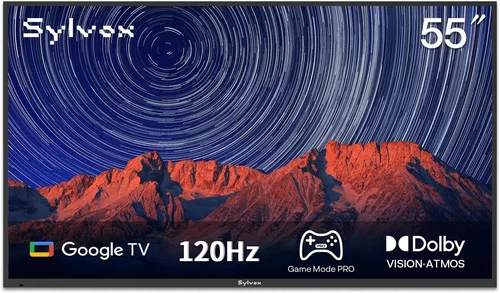
Watching your favorite show, sports game, or movie outdoors can be one of life’s simple pleasures—especially when you’re relaxing on a screened porch. But not every TV is built to handle the unique challenges of an outdoor or semi-outdoor environment. From glare and humidity to temperature swings and dust, a standard indoor TV simply won’t cut it. That’s why choosing the right patio TV for your screened porch requires careful consideration beyond just screen size or resolution.
This comprehensive buyer’s guide is designed to help you navigate the often-overlooked nuances of outdoor-ready televisions. Whether you’re upgrading from a weatherproof projector or setting up your first outdoor entertainment space, we’ll walk you through everything you need to know—from technical specs and build quality to budget considerations and real-world performance. By the end of this guide, you’ll have the confidence to select a TV that delivers stunning picture quality, stands up to the elements, and enhances your outdoor living experience for years to come.
The market for outdoor TVs has evolved significantly in recent years. What was once a niche category dominated by a handful of specialty brands now includes more options than ever—from fully sealed, all-weather models to high-brightness indoor TVs that can work in shaded, protected areas like screened porches. With advancements in display technology, smart features, and weatherproofing, today’s patio TVs offer a compelling blend of durability and performance. However, not all “outdoor-capable” TVs are created equal, and understanding the differences is key to making a smart investment.
What to Look for When Buying Buying Guide
1. Weather Resistance & IP Rating
One of the most critical factors when choosing a TV for a screened porch is its ability to withstand environmental elements. Even though your porch is screened, it’s still exposed to humidity, temperature fluctuations, dust, and occasional moisture—especially if you live in a region with high rainfall or coastal air. A standard indoor TV lacks the necessary protection and can fail prematurely when exposed to these conditions.
Look for TVs with an Ingress Protection (IP) rating, which indicates how well the device resists dust and water. For a screened porch, an IP55 rating or higher is ideal. IP55 means the TV is protected against dust ingress (limited to no harmful deposits) and low-pressure water jets from any direction. Some premium outdoor TVs offer IP65 or even IP66 ratings, providing even greater protection against dust and powerful water jets.
In addition to the IP rating, check the TV’s operating temperature range. Most outdoor TVs are designed to function between -22°F and 122°F (-30°C to 50°C), which covers most climates. If you live in an area with extreme cold or heat, ensure the model you choose can handle those conditions without performance degradation or damage.
2. Screen Brightness & Anti-Glare Technology
Brightness is arguably the second most important factor after weather resistance. A standard indoor TV typically has a brightness of 300–500 nits, which is fine for a dimly lit living room but will look washed out in daylight—even on a shaded porch. Outdoor viewing demands significantly higher brightness to combat ambient light.
For a screened porch, aim for a TV with at least 700 nits of brightness. However, 1000 nits or more is ideal, especially if your porch gets direct or indirect sunlight during parts of the day. High-brightness displays use advanced backlighting and anti-reflective coatings to maintain image clarity in bright conditions.
Look for features like anti-glare or anti-reflective screens, which reduce the impact of sunlight reflecting off the glass. Some outdoor TVs also use optically bonded glass, which minimizes air gaps between the LCD panel and the outer glass. This reduces internal reflections and improves contrast and color accuracy in bright environments.
Additionally, consider the TV’s viewing angle. Wide viewing angles (178 degrees or more) ensure that the picture remains clear even when viewed from the side—perfect for group gatherings where people are seated around a table or on different sides of the porch.
3. Build Quality & Durability
Outdoor TVs must endure more than just weather—they also face potential physical stress from temperature expansion, vibration, and accidental bumps. That’s why build quality matters. Look for TVs with robust, corrosion-resistant materials such as powder-coated aluminum or marine-grade stainless steel. These materials resist rust and degradation from humidity and salt air, making them ideal for coastal or high-humidity regions.
The internal components should also be designed for outdoor use. This includes sealed circuit boards, moisture-resistant capacitors, and reinforced connectors. Some manufacturers go a step further by using conformal coating on internal electronics—a protective layer that shields against moisture and dust.
Pay attention to the mounting system as well. Outdoor TVs often come with specialized wall mounts or ceiling mounts designed to handle the weight and environmental stress. Ensure the mount is compatible with your TV and rated for outdoor use. A poorly mounted TV can become a safety hazard in high winds or during storms.
Finally, consider the overall design. A slim profile might look sleek indoors, but on a porch, a thicker, more rugged chassis can offer better protection and heat dissipation. Some models include built-in ventilation systems or passive cooling designs to prevent overheating during hot summer days.
4. Smart Features & Connectivity
Just because a TV is built for the outdoors doesn’t mean it should sacrifice smart functionality. In fact, modern outdoor TVs often come with the same smart platforms as their indoor counterparts, allowing you to stream content directly without needing external devices.
Look for models with built-in Wi-Fi and support for popular streaming services like Netflix, YouTube, Disney+, and Hulu. Android TV, Roku TV, and webOS are common platforms that offer intuitive interfaces and regular software updates. Some outdoor TVs also support voice assistants like Google Assistant or Amazon Alexa, enabling hands-free control—perfect when you’re grilling or entertaining guests.
Connectivity is equally important. Ensure the TV has multiple HDMI ports (at least 3–4), USB ports for media playback, and an Ethernet port for a wired internet connection. A wired connection is often more reliable than Wi-Fi, especially if your porch is far from your router. Some models also include Bluetooth for wireless audio streaming to outdoor speakers or headphones.
For added convenience, consider TVs with weatherproof input covers. These protect the HDMI and USB ports from moisture when not in use. If you plan to connect a soundbar or external speakers, check for audio output options like optical audio or RCA outputs.
5. Audio Performance
While picture quality often takes center stage, audio is just as important for an immersive outdoor experience. Unfortunately, many outdoor TVs have limited built-in speakers due to space and weatherproofing constraints. The sound may be tinny or lack bass, especially when competing with outdoor noise like wind, traffic, or nature.
If audio quality is a priority, look for TVs with enhanced speaker systems or support for external audio. Some models include built-in subwoofers or use advanced audio processing to deliver richer sound. However, for the best experience, we recommend pairing your TV with a weather-resistant soundbar or outdoor speaker system.
Outdoor speakers come in various forms—rock speakers, in-ground subwoofers, or wall-mounted units. Choose a system that matches your space and audio preferences. Many modern soundbars are also weatherproof and can be mounted near the TV for a clean, integrated look.
Additionally, check if the TV supports audio passthrough via optical or HDMI ARC (Audio Return Channel). This allows you to send audio directly to an external receiver or soundbar without needing a separate remote.
6. Size & Viewing Distance
Choosing the right screen size is crucial for both comfort and picture quality. A TV that’s too small will be hard to see from a distance, while one that’s too large can overwhelm the space and strain your eyes.
As a general rule, the optimal viewing distance is about 1.5 to 2.5 times the diagonal screen size. For example, a 55-inch TV is best viewed from 6.9 to 11.5 feet away. On a typical screened porch, where seating is often 8–12 feet from the TV, a 55-inch to 65-inch screen is ideal. If your porch is larger or you have a spacious outdoor seating area, consider a 75-inch model for a more cinematic experience.
Keep in mind that larger screens require higher resolution to maintain sharpness. A 4K Ultra HD (3840 x 2160) resolution is recommended for screens 50 inches and above. For screens 65 inches and larger, consider an 8K model if your budget allows—though 4K remains the sweet spot for most users due to content availability and cost.
Also, consider the TV’s bezel size. A slim bezel provides a more immersive viewing experience and makes the TV look more modern. Some outdoor TVs feature bezel-less or near-bezel-less designs, which are especially appealing in outdoor settings where aesthetics matter.
7. Brand Reputation & Reliability
Not all outdoor TV brands are created equal. Some specialize exclusively in outdoor displays, while others adapt indoor models for semi-outdoor use. Choosing a reputable brand can make a big difference in performance, durability, and customer support.
Top-tier outdoor TV brands include SunBriteTV, Samsung (with their Terrace series), LG (with their Outdoor Direct View LED models), and Seura. These companies have a proven track record of designing TVs specifically for outdoor environments, with rigorous testing for weather resistance, brightness, and longevity.
When evaluating a brand, look for customer reviews, third-party certifications (like UL Listed for outdoor use), and industry awards. A brand with a strong reputation is more likely to honor warranties, provide timely support, and offer firmware updates.
Additionally, consider the availability of replacement parts and service centers. If something goes wrong, you’ll want to be able to get it fixed quickly—especially if your TV is mounted in a hard-to-reach location.
8. Warranty & Support
Outdoor TVs are a significant investment, so a solid warranty is essential. Most reputable brands offer warranties ranging from 1 to 3 years, covering defects in materials and workmanship. Some premium models even come with extended warranties or optional service plans.
Read the warranty terms carefully. Does it cover damage from weather exposure? What about accidental damage or power surges? Some warranties are void if the TV is installed incorrectly or used in conditions outside the specified range.
Customer support is another key factor. Look for brands with responsive support teams, online resources (like installation guides and FAQs), and local service options. A good support system can save you time and frustration if you encounter issues during setup or use.
Finally, consider the return policy. If you’re buying online, ensure the retailer offers a reasonable return window (at least 30 days) in case the TV doesn’t meet your expectations. Some brands also offer trial periods, allowing you to test the TV in your actual environment before committing.
Different Types of Buying Guide

Common Buying Mistakes to Avoid
❌ Mistake: Buying a Standard Indoor TV for Outdoor Use
Why it’s bad: Indoor TVs are not designed to handle humidity, temperature changes, or dust. Even on a screened porch, moisture can seep into the internal components, causing corrosion, short circuits, or complete failure. The screen will also appear dim and washed out in daylight.
What to do instead: Invest in a TV specifically designed for outdoor or semi-outdoor use. Look for models with high brightness (700+ nits), weather-resistant casings, and an IP55 or higher rating.
❌ Mistake: Ignoring the IP Rating
Why it’s bad: Without a proper IP rating, you have no guarantee the TV can withstand environmental exposure. A TV without adequate protection may fail within months, leaving you with a costly repair or replacement.
What to do instead: Always check the IP rating before purchasing. For screened porches, IP55 is the minimum acceptable level. If your area has high humidity or frequent rain, aim for IP65 or higher.
❌ Mistake: Overlooking Brightness Requirements
Why it’s bad: A dim screen will be difficult to see during the day, even in shaded areas. You’ll end up straining your eyes or watching with the lights off, which defeats the purpose of an outdoor setup.
What to do instead: Choose a TV with at least 700 nits of brightness. For porches with indirect sunlight, 1000 nits or more is ideal. Look for anti-glare coatings and optically bonded glass to improve visibility.
❌ Mistake: Choosing the Wrong Screen Size
Why it’s bad: A TV that’s too small will be hard to see from a distance, while one that’s too large can overwhelm the space and cause eye strain. Poor sizing leads to a frustrating viewing experience.
What to do instead: Use the 1.5x to 2.5x rule: multiply the screen size by 1.5 and 2.5 to find the ideal viewing distance. For most screened porches, a 55-inch to 65-inch TV is optimal.
❌ Mistake: Skimping on Audio
Why it’s bad: Built-in speakers on outdoor TVs are often weak and lack bass. Without proper audio, dialogue can be hard to hear, and the overall experience feels incomplete.
What to do instead: Pair your TV with a weather-resistant soundbar or outdoor speaker system. Look for models with Bluetooth or optical audio output for easy connectivity.
❌ Mistake: Neglecting Mounting and Installation
Why it’s bad: Improper mounting can lead to instability, especially in windy conditions. A poorly installed TV may fall, causing damage or injury.
What to do instead: Use a certified outdoor mount and ensure it’s securely anchored to a stud or reinforced wall. Consider professional installation if you’re unsure.
❌ Mistake: Not Checking Warranty and Support
Why it’s bad: Outdoor TVs are expensive, and repairs can be costly. Without a solid warranty, you’re left paying out of pocket for issues that could have been covered.
What to do instead: Choose a brand with a strong warranty (2–3 years) and reliable customer support. Read the fine print to understand what’s covered and what’s not.
Budget Guidelines: How Much Should You Spend?
- Entry-Level ($800 – $1,500): At this price point, you’ll find semi-outdoor TVs or indoor models with weatherproof enclosures. These are suitable for fully covered, low-exposure areas like enclosed porches. Expect decent brightness (500–700 nits) and basic smart features, but limited weather resistance and shorter lifespans.
- Mid-Range ($1,500 – $3,500): This is the sweet spot for most screened porch owners. You’ll get TVs with high brightness (700–1000 nits), IP55+ ratings, robust build quality, and full smart functionality. Brands like SunBriteTV and Samsung Terrace offer excellent options in this range.
- Premium ($3,500 – $6,000): For those who want the best performance and durability, premium outdoor TVs deliver top-tier brightness (1000+ nits), advanced anti-glare technology, and commercial-grade materials. These are ideal for high-exposure areas or luxury outdoor living spaces.
- Luxury ($6,000+): At this level, you’re investing in commercial-grade displays or custom installations. These TVs are built for 24/7 operation, extreme weather, and professional use. They’re overkill for most homeowners but perfect for high-end resorts or outdoor entertainment venues.
Expert Tips for Getting the Best Deal
- Shop During Seasonal Sales: The best time to buy an outdoor TV is during off-season sales, typically in late fall or winter. Retailers often discount outdoor electronics to clear inventory before spring.
- Compare Online and In-Store Prices: While online retailers often have lower prices, in-store purchases may include free installation or extended warranties. Compare total costs, including shipping and setup.
- Look for Bundle Deals: Some brands offer packages that include the TV, mount, and soundbar at a discounted rate. These can save you hundreds compared to buying items separately.
- Check for Rebates and Incentives: Manufacturers and retailers occasionally offer rebates, especially during holiday promotions. Sign up for newsletters to stay informed.
- Read Real User Reviews: Don’t rely solely on manufacturer specs. Look for reviews from actual users who’ve installed the TV on a screened porch. Pay attention to comments about brightness, durability, and ease of setup.
- Test Before You Buy (If Possible): If you’re shopping in-store, ask to see a demo unit in a bright environment. This will give you a sense of how the screen performs in daylight.
- Consider Refurbished or Open-Box Models: Certified refurbished TVs from reputable sellers can offer significant savings with full warranties. Just ensure they’re inspected and tested.
- Plan for Installation Costs: If you’re not DIY-savvy, factor in professional installation. A proper setup ensures safety, optimal viewing angles, and long-term performance.

Frequently Asked Questions
Q: Can I use a regular TV on a screened porch?
A: Technically, yes—but it’s not recommended. Standard indoor TVs lack weatherproofing and high brightness, making them prone to damage and poor visibility. For long-term use, invest in a semi-outdoor or outdoor-rated model.
Q: How do I protect my outdoor TV from rain?
A: Even on a screened porch, use a weatherproof cover when the TV is not in use. Choose a model with an IP55+ rating and ensure all ports are covered. Avoid placing the TV where water can drip from the roof.
Q: Do outdoor TVs need special mounts?
A: Yes. Use mounts specifically designed for outdoor use, with corrosion-resistant materials and secure anchoring. Tilt and swivel mounts offer flexibility for optimal viewing angles.
Q: Can I leave my outdoor TV on all the time?
A: Most outdoor TVs are designed for continuous use, but it’s best to turn them off when not in use to extend lifespan and save energy. Use a smart plug with a timer for convenience.
Q: What’s the difference between IP55 and IP65?
A: IP55 protects against dust and low-pressure water jets. IP65 offers complete dust protection and resistance to powerful water jets, making it better for high-exposure areas.
Q: Do outdoor TVs come with remotes?
A: Yes, most include weather-resistant remotes. Some models also support smartphone apps or voice control for added convenience.
Q: Can I connect a gaming console to an outdoor TV?
A: Absolutely. Most outdoor TVs have HDMI ports compatible with Xbox, PlayStation, and other consoles. Just ensure the TV supports the required resolution and refresh rate.
Q: How long do outdoor TVs last?
A: With proper care, a quality outdoor TV can last 7–10 years or more. Regular cleaning, protective covers, and avoiding extreme conditions will maximize lifespan.
Q: Are outdoor TVs energy efficient?
A: Many modern outdoor TVs are ENERGY STAR certified, meaning they use less power than older models. Look for energy-saving modes and automatic brightness adjustment.
Q: Can I use a soundbar with an outdoor TV?
A: Yes, as long as the soundbar is weather-resistant or placed in a protected area. Use optical or HDMI ARC for the best audio quality.
Our Final Recommendations
- Best for Budget-Conscious Buyers: Samsung The Terrace Partial Sun – Offers excellent brightness (1000 nits), IP55 rating, and smart features at a mid-range price. Ideal for screened porches with partial sun exposure.
- Best Overall Value: SunBriteTV Veranda Series – Combines rugged build quality, high brightness, and reliable performance. A top choice for durability and picture quality in semi-outdoor settings.
- Best Premium Option: LG Outdoor Direct View LED – Delivers stunning 4K HDR visuals, extreme brightness, and commercial-grade durability. Perfect for luxury outdoor entertainment.
- Best for Beginners: Seura Outdoor TV – User-friendly setup, sleek design, and solid performance. Great for first-time outdoor TV buyers.
- Best for Advanced Users: SunBriteTV Pro Series – Built for extreme conditions with IP66 rating, 2000+ nits brightness, and modular design. Ideal for tech-savvy users who want maximum control and customization.
Conclusion: Making the Right Choice
Choosing the best TV for your screened porch is about balancing performance, durability, and value. While it’s tempting to go for the cheapest option or the biggest screen, the right choice depends on your specific environment, usage, and budget. Prioritize weather resistance, brightness, and build quality—these factors will determine how well your TV performs and how long it lasts.
Remember, a screened porch is still an outdoor space. Even with protection from bugs and debris, your TV will face humidity, temperature swings, and ambient light. Investing in a purpose-built outdoor or semi-outdoor model ensures you get the most out of your entertainment setup without constant repairs or replacements.
Take the time to assess your needs, compare options, and read real user feedback. And don’t forget the little things—like audio quality, mounting, and warranty coverage—that can make or break your experience.
With the insights from this guide, you’re now equipped to make a confident, informed decision. Whether you’re watching the big game, hosting a movie night, or simply enjoying your morning coffee with the news, the right patio TV will transform your screened porch into a true outdoor living room. So go ahead—upgrade your space, elevate your entertainment, and enjoy the great outdoors in comfort and style.

