
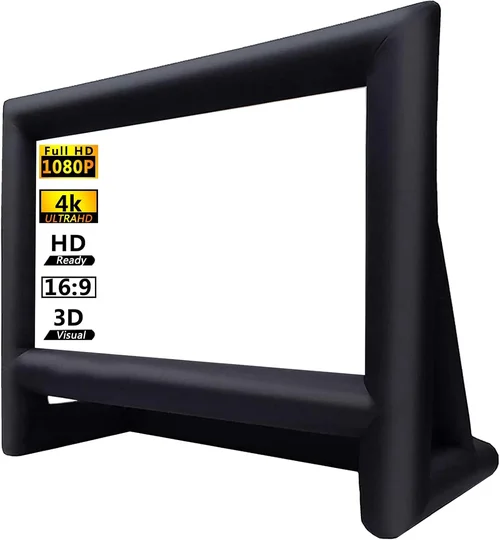
Outdoor movie nights have evolved from simple projector-and-sheet setups to immersive, high-definition experiences that rival indoor home theaters. Whether you’re hosting a summer blockbuster night under the stars or enjoying a cozy autumn film with friends and family, having the right TV can make all the difference. But not just any TV will do—outdoor environments present unique challenges: glare from sunlight, humidity, temperature swings, dust, and even curious critters. That’s why choosing the best TV for your patio isn’t about picking the shiniest model on the shelf; it’s about finding a display engineered to thrive in the elements while delivering stunning picture quality.
This comprehensive buying guide is designed to help you navigate the often-confusing world of outdoor TVs. We’ll walk you through everything you need to know—from essential performance specs and build durability to budget considerations and expert shopping tips. Whether you’re a first-time buyer or upgrading from an older outdoor display, this guide arms you with the knowledge to make a confident, informed decision. By the end, you’ll understand exactly what separates a great outdoor TV from a glorified indoor model shoved into a weatherproof box.
The market for outdoor TVs has grown significantly in recent years, driven by rising demand for outdoor living spaces and advancements in display technology. Major brands like Samsung, LG, Sony, and specialized outdoor manufacturers such as SunBriteTV and Seura now offer models specifically engineered for exterior use. These aren’t just regular TVs slapped into rugged enclosures—they’re purpose-built for brightness, contrast, thermal management, and long-term resilience. However, with options ranging from $500 to over $5,000, it’s easy to overspend or end up with a model that doesn’t meet your needs. This guide cuts through the noise, focusing on real-world performance, value, and reliability so you can enjoy crystal-clear backyard cinema for years to come.

What to Look for When Buying Buying Guide
1. Brightness & Anti-Glare Performance
One of the most critical factors for any outdoor TV is brightness—measured in nits. Indoor TVs typically range from 300 to 600 nits, but even on a cloudy day, ambient light outdoors can exceed 10,000 lux, washing out standard displays. For a truly watchable image during daylight or twilight hours, you’ll want a TV with at least 700 nits of brightness, though 1,000+ nits is ideal for full sun exposure. Look for models with high peak brightness and advanced anti-reflective coatings that minimize glare without sacrificing color accuracy.
Some premium outdoor TVs go further by incorporating optical bonding—a process where the glass layer is fused directly to the LCD panel. This reduces internal reflections and improves clarity in bright conditions. Additionally, consider the screen’s viewing angle: if your seating area is spread out or at an angle, a TV with wide viewing angles (178° or more) ensures consistent color and contrast for everyone.
2. Weather Resistance & IP Rating
An outdoor TV must withstand rain, snow, dust, and temperature extremes. The Ingress Protection (IP) rating tells you exactly how well a device resists these elements. For outdoor use, look for an IP55 rating or higher—this means the TV is protected against low-pressure water jets from any direction and limited dust ingress. Some top-tier models boast IP66 or even IP67 ratings, offering near-total protection against dust and temporary immersion.
Beyond the IP rating, examine the materials used in construction. Aluminum or powder-coated steel housings resist rust and corrosion, while sealed ports and ventilation systems prevent moisture buildup. Avoid models that rely solely on passive cooling unless they’re explicitly rated for your climate zone. In regions with high humidity or frequent rain, active cooling with filtered airflow may be necessary to prevent internal condensation.
3. Temperature Tolerance & Thermal Management
Outdoor TVs face extreme temperature swings—from freezing winter nights to scorching summer afternoons. Most outdoor models are designed to operate between -22°F and 122°F (-30°C to 50°C), but always verify the manufacturer’s specified range. Internal components like the backlight and power supply are particularly vulnerable to overheating or freezing.
Effective thermal management is key. Look for TVs with built-in heaters for cold climates and fans or heat sinks for hot environments. Some models feature automatic temperature sensors that adjust performance or shut down temporarily to prevent damage. Passive cooling is quieter and more reliable long-term, but active systems may be needed in harsh climates. Always ensure adequate airflow around the unit—never mount it flush against a wall without clearance.
4. Picture Quality & HDR Support
Just because it’s outdoors doesn’t mean you should sacrifice picture quality. Modern outdoor TVs support 4K resolution, HDR10, Dolby Vision, and even HLG (Hybrid Log-Gamma) for broadcast content. These features enhance contrast, color depth, and detail—especially important when watching movies or sports in varying light conditions.
Pay attention to local dimming capabilities. Full-array local dimming (FALD) provides deeper blacks and better contrast than edge-lit models, which is crucial for nighttime viewing. OLED panels offer superior contrast but are less common in outdoor TVs due to brightness limitations and burn-in risks in static outdoor signage applications. For most users, a high-quality QLED or mini-LED LCD panel strikes the best balance between brightness, color, and durability.
5. Audio Performance & External Speaker Options
Built-in speakers on outdoor TVs are often underpowered due to space and weatherproofing constraints. While some models include decent 20W stereo systems, they rarely deliver the immersive sound needed for a cinematic experience. For best results, plan to connect external weather-resistant speakers or a soundbar.
Check for audio output options: optical (TOSLINK), HDMI ARC/eARC, or Bluetooth. Bluetooth 5.0 or higher allows wireless pairing with portable outdoor speakers. If you’re setting up a permanent audio system, ensure the TV supports multi-channel audio passthrough. Some outdoor TVs also include built-in amplifiers or pre-outs for connecting powered speakers directly.
6. Smart Features & Connectivity
Most modern outdoor TVs come with smart platforms like Android TV, webOS, or Tizen, giving you access to streaming apps like Netflix, Disney+, and YouTube without needing an external device. However, verify that the interface remains responsive in outdoor conditions—some touch-sensitive remotes or voice controls may struggle in humid or wet environments.
Connectivity is equally important. Look for multiple HDMI 2.1 ports (for 4K/120Hz gaming or future-proofing), USB ports for media playback, and Wi-Fi 6 support for stable streaming. Ethernet ports are a plus for wired connections, which are more reliable than Wi-Fi in areas with interference. Also, consider whether the TV supports screen mirroring (Miracast, AirPlay 2) for sharing content from phones or tablets.
7. Mounting & Installation Flexibility
How and where you install your TV affects both performance and longevity. Outdoor TVs should be mounted under an eave, pergola, or awning to provide shade and additional weather protection. Full-motion mounts allow you to adjust the angle for optimal viewing and reduce glare, but ensure the mount is rated for outdoor use and can support the TV’s weight.
Consider cable management solutions—exposed wires are unsightly and vulnerable to damage. Some outdoor TVs include built-in cable channels or conduit-ready designs. If you’re installing near a power source, confirm the TV’s power requirements and whether it needs a dedicated circuit. For off-grid setups, solar-compatible models or low-power consumption displays may be worth exploring.
8. Warranty & Customer Support
Outdoor electronics are inherently more prone to failure than indoor counterparts, so a strong warranty is non-negotiable. Look for at least a 2-year comprehensive warranty that covers both parts and labor, including damage from environmental factors. Some brands, like SunBriteTV, offer 3- to 5-year warranties specifically for outdoor use.
Research the manufacturer’s reputation for customer service. Can you easily reach support? Are replacement parts readily available? Do they offer on-site repair or expedited shipping? Reading user reviews on forums like AVS Forum or Reddit can reveal real-world experiences with post-purchase support. Avoid brands with limited service networks or vague warranty terms.
Different Types of Buying Guide

Common Buying Mistakes to Avoid
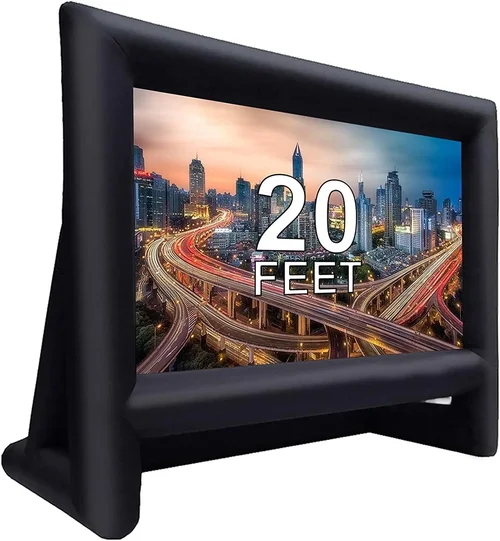
❌ Mistake: Using a Standard Indoor TV Outdoors
Why it’s bad: Indoor TVs lack the brightness, weather resistance, and thermal management needed for outdoor use. Even under cover, they can suffer from moisture damage, overheating, or washed-out images due to ambient light. Repairs are often costly, and warranties typically void if used outside.
What to do instead: Invest in a TV specifically designed for outdoor environments. If budget is tight, pair a mid-range indoor TV with a certified weatherproof enclosure—but ensure it has proper ventilation and UV protection.
❌ Mistake: Ignoring Viewing Conditions
Why it’s bad: A TV that looks great at night may be unwatchable during the day if it doesn’t have sufficient brightness or anti-glare treatment. Conversely, overly bright models can appear harsh in dark settings, ruining the cinematic mood.
What to do instead: Assess your typical viewing times and lighting. For daytime use, prioritize 1,000+ nits and optical bonding. For evening-only viewing, 700 nits may suffice. Test the TV in similar conditions if possible.
❌ Mistake: Overlooking Audio Needs
Why it’s bad: Relying solely on built-in speakers leads to tinny, weak sound that ruins immersion—especially with ambient noise like wind or traffic.
What to do instead: Budget for weather-resistant outdoor speakers or a soundbar. Look for models with Bluetooth or wired audio outputs, and consider placing speakers strategically around your seating area for surround-like effects.
❌ Mistake: Poor Mounting Practices
Why it’s bad: Mounting a TV in direct sunlight, without shade, or using indoor-rated hardware can cause overheating, screen damage, or even structural failure during storms.
What to do instead: Use a full-motion outdoor mount with rust-proof hardware. Install under cover whenever possible, and leave space behind the TV for airflow. Consult a professional if unsure about wall integrity or electrical requirements.
❌ Mistake: Skipping the Warranty Check
Why it’s bad: Outdoor TVs are expensive, and repairs can cost hundreds. A weak or ambiguous warranty leaves you vulnerable to unexpected expenses.
What to do instead: Choose brands with clear, comprehensive outdoor warranties. Register your product immediately and keep documentation. Consider extended warranty plans if available.
❌ Mistake: Buying Based Solely on Price
Why it’s bad: The cheapest option often sacrifices critical features like brightness, durability, or smart functionality, leading to frustration and early replacement.
What to do instead: Focus on value—not just cost. A mid-range TV with strong reviews and solid specs will outperform a bargain model in the long run. Use our budget breakdown below to find your sweet spot.
Budget Guidelines: How Much Should You Spend?
Entry-Level ($500 – $1,200): This tier includes indoor TVs in basic weatherproof enclosures or older partial-shade models. Expect 4K resolution, limited brightness (400–600 nits), and minimal weather resistance (IP54 or lower). Ideal for covered patios with minimal sun exposure and occasional use. Brands like Vizio or TCL offer good indoor options, but you’ll need a third-party enclosure.
Mid-Range ($1,200 – $2,500): The sweet spot for most homeowners. These TVs feature 700–1,000 nits brightness, IP55+ ratings, and reliable smart platforms. Models like the SunBriteTV Veranda series or Samsung’s The Terrace (partial-shade version) deliver excellent picture quality and durability for covered outdoor spaces. Great for regular movie nights and casual viewing.
Premium ($2,500 – $4,500): Designed for full exposure and demanding users. Expect 1,000+ nits, optical bonding, advanced HDR, and robust thermal management. The SunBriteTV Pro Series and Seura UltraBright offer commercial-grade reliability with consumer-friendly interfaces. Perfect for open patios, pool decks, or regions with extreme weather.
Luxury ($4,500+): Top-tier models with OLED-like contrast (via mini-LED), 2,000+ nits brightness, and bespoke installation support. These are overkill for most but ideal for luxury homes, resorts, or tech enthusiasts who want the absolute best. Features may include built-in heaters, 24/7 operation modes, and custom calibration services.
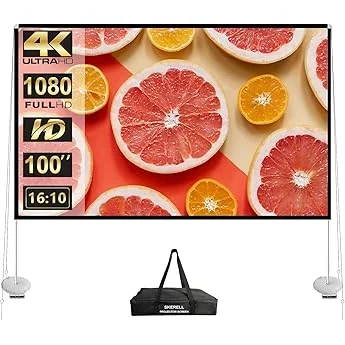
Expert Tips for Getting the Best Deal
- Shop During Off-Seasons: Prices drop significantly in late fall and winter when demand for outdoor electronics slows. Black Friday and post-holiday sales often feature deep discounts on previous-year models.
- Compare Retailers: Big-box stores like Best Buy or Costco may offer bundle deals, while specialty retailers like Crutchfield provide expert advice and extended return windows. Online marketplaces like Amazon frequently have competitive pricing but check seller ratings carefully.
- Look for Certified Refurbished Units: Many manufacturers sell refurbished outdoor TVs with full warranties at 20–30% off retail. These are thoroughly tested and often indistinguishable from new models.
- Negotiate Installation Packages: Some dealers include free mounting or calibration with purchase. Even if not advertised, it never hurts to ask—especially for higher-end models.
- Check Return Policies: Ensure you have at least 30 days to test the TV in your actual environment. Outdoor performance can vary greatly based on local conditions.
- Verify Compatibility: Before buying, confirm that your streaming devices, sound systems, and mounts are compatible. HDMI 2.1, Wi-Fi 6, and Bluetooth 5.0 are becoming standard—don’t get left behind.
- Read Real User Reviews: Professional reviews are helpful, but user feedback on sites like Reddit or AVS Forum reveals long-term reliability issues that specs sheets won’t show.
- Consider Energy Efficiency: Outdoor TVs run longer hours and consume more power. Look for ENERGY STAR ratings or low-wattage modes to reduce electricity costs over time.
Frequently Asked Questions
Q: Can I use a regular TV outside if it’s under a covered patio?
A: Technically yes, but it’s not recommended for long-term use. Even under cover, humidity, temperature swings, and dust can damage internal components. A better approach is to use a partial-shade outdoor TV or a certified weatherproof enclosure designed for your specific model.
Q: How bright should my outdoor TV be for daytime viewing?
A: For comfortable daytime viewing, aim for at least 1,000 nits of brightness. In direct sunlight, 1,500+ nits is ideal. Lower brightness may work in shaded areas but will struggle on sunny days.
Q: Do outdoor TVs need special mounting hardware?
A: Yes. Always use mounts rated for outdoor use with corrosion-resistant materials (e.g., stainless steel or powder-coated aluminum). Indoor mounts can rust or fail under outdoor conditions.
Q: Will an outdoor TV work in winter or freezing temperatures?
A: Most outdoor TVs operate down to -22°F (-30°C), but performance may degrade in extreme cold. Models with built-in heaters maintain optimal function in freezing climates.
Q: Can I connect my existing sound system to an outdoor TV?
A: Absolutely. Most outdoor TVs support HDMI ARC/eARC, optical audio out, or Bluetooth. Just ensure your speakers are weather-resistant or placed under cover.
Q: Are outdoor TVs worth the extra cost?
A: If you plan to use your patio regularly for entertainment, yes. The durability, brightness, and reliability justify the investment compared to risking damage to an indoor TV.
Q: How long do outdoor TVs typically last?
A: With proper care, a quality outdoor TV can last 7–10 years or more. Regular cleaning, avoiding direct sun exposure when possible, and using surge protection extend lifespan.
Q: Do I need a separate streaming device?
A: Most modern outdoor TVs include built-in smart platforms (Android TV, webOS, etc.), so you can stream directly. However, adding a dedicated streaming box (like Apple TV or NVIDIA Shield) can improve performance and app selection.
Q: Can outdoor TVs be wall-mounted or ceiling-mounted?
A: Yes, but ceiling mounts require specialized hardware and careful planning for cable routing and viewing angles. Wall mounting is more common and generally easier to install.
Q: What’s the difference between partial-shade and full-exposure outdoor TVs?
A: Partial-shade models are designed for covered areas with minimal direct sunlight and weather exposure. Full-exposure TVs are built for open-air environments with full sun, rain, and wind resistance. Choose based on your installation location.
Our Final Recommendations
Best for Budget-Conscious Buyers: SunBriteTV Veranda Series (55″) – At around $1,800, this model offers 700 nits brightness, IP55 rating, and reliable smart features. Perfect for covered patios and delivers excellent value for the price.
Best Overall Value: Samsung The Terrace (65″, Partial Shade) – Combining QLED color, 1,000 nits brightness, and a sleek design, this TV excels in semi-covered spaces. Priced around $2,500, it’s a favorite among homeowners for its balance of performance and aesthetics.
Best Premium Option: SunBriteTV Pro Series (75″) – Built for full exposure, this beast delivers 2,000 nits, optical bonding, and military-grade durability. At $4,200, it’s ideal for open decks or luxury outdoor theaters.
Best for Beginners: Seura UltraBright (50″) – User-friendly interface, strong anti-glare coating, and straightforward installation make this a great entry point. Around $2,000, it’s reliable and easy to set up.
Best for Advanced Users: LG Outdoor OLED (65″) – While rare, LG’s outdoor OLED offers near-infinite contrast and stunning blacks. Best for shaded evening viewing, it’s a niche pick for cinephiles willing to invest $5,000+.
Conclusion: Making the Right Choice
Choosing the best TV for your patio is about more than just screen size or brand name—it’s about matching the right technology to your environment, usage habits, and budget. From brightness and weather resistance to smart features and audio support, every detail matters when you’re creating a backyard cinema experience that lasts. By prioritizing your specific needs—whether that’s all-day viewing under full sun or cozy evening films under a pergola—you’ll avoid common pitfalls and invest wisely.
Remember, the cheapest option isn’t always the most economical in the long run, and the flashiest specs don’t guarantee satisfaction. Focus on real-world performance, durability, and support. Use this guide as your roadmap, consult user reviews, and don’t hesitate to reach out to manufacturers with questions. Your perfect outdoor TV is out there—and with the right choice, every movie night under the stars will feel like a premiere event. So grab some popcorn, invite your friends, and get ready to transform your backyard into the ultimate entertainment destination.

